Dental Implant USA vs Turkey Comparison
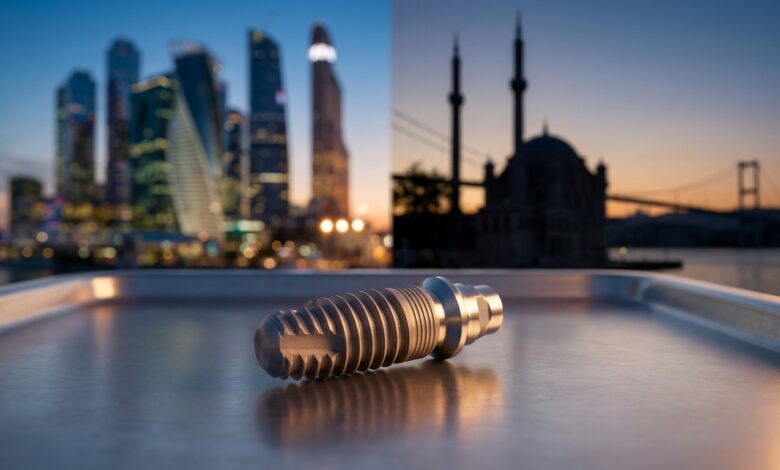
Dental Implant USA vs Turkey Comparison is a topic of increasing interest for individuals seeking high-quality, affordable solutions for missing teeth. The decision to undergo a dental implant procedure is significant, involving considerations of cost, quality, and overall patient experience. While the United States has long been a hub for advanced medical treatments, Turkey has rapidly emerged as a global leader in dental tourism, offering a compelling combination of world-class care and exceptional value. This comprehensive guide explores the key differences between receiving dental implants in the USA and Turkey, providing the necessary information to make an informed choice.
The Critical Factor of Cost: A Financial Breakdown
The most significant driver for patients considering dental treatment abroad is, without a doubt, the cost. In the United States, the healthcare system’s structure, high insurance premiums, expensive labor, and significant overhead costs contribute to some of the highest dental care prices in the world. A single dental implant, including the abutment and crown, can often range from $3,000 to $6,000. For patients requiring multiple implants or a full-mouth restoration, the total cost can easily escalate to tens of thousands of dollars, making it financially prohibitive for a large portion of the population.
In contrast, Turkey presents a vastly different economic landscape for dental care. The cost of a single, high-quality dental implant in Turkey typically ranges from $500 to $900. This dramatic price reduction is not indicative of lower quality but is a result of several economic factors. The Turkish government actively supports the medical tourism sector, which helps reduce operational costs for clinics. Furthermore, lower labor costs, more affordable clinic overhead, and a favorable currency exchange rate for patients from the US and Europe contribute to the overall affordability. This cost efficiency allows patients to receive comprehensive treatments, such as All-on-4 or All-on-6 full-mouth reconstructions, for a fraction of what they would pay in the USA. Many clinics in Turkey also offer all-inclusive packages that bundle the cost of the procedure with accommodation, airport transfers, and translation services, adding even more value and convenience.
Understanding Quality and Technological Standards
A common concern for prospective dental tourists is whether lower costs equate to a compromise in quality. This is a valid question, but in the case of Turkey’s leading dental clinics, the answer is a definitive no. Turkish dental facilities that cater to international patients are often equipped with the latest state-of-the-art technology, rivaling and sometimes surpassing clinics in the Western world. Technologies such as Cone Beam Computed Tomography (CBCT) for precise 3D imaging, CAD/CAM systems for computer-aided design and manufacturing of crowns, and digital smile design software are standard practice.
Furthermore, Turkish dentists and oral surgeons undergo rigorous education and training, with many pursuing advanced specializations in Europe and the USA. They are highly experienced in complex implant procedures due to the high volume of patients they treat. When it comes to the implants themselves, reputable Turkish clinics use globally recognized, premium brands such as Straumann, Nobel Biocare, and Alpha-Bio Tec. These are the same brands used by top dentists in the United States, ensuring that the materials placed in your jaw are of the highest international standard. The long-term success of dental implants is well-documented, with studies showing high survival rates over many years. According to a comprehensive review published by the National Center for Biotechnology Information, titanium dental implants demonstrate a survival rate of over 95% after 10 years, highlighting their reliability as a long-term solution for tooth replacement.
In-Depth Comparison: Dental Implant USA vs Turkey
To provide a clear overview, it is helpful to directly compare the key aspects of receiving dental implants in both countries. This side-by-side analysis covers the most important factors for patients, from financial outlay to the overall treatment experience.
| Feature | USA | Turkey |
|---|---|---|
| Average Cost per Implant | $3,000 – $6,000 | $500 – $900 |
| Technology & Equipment | High standard, but availability can vary by clinic and location. | State-of-the-art; top clinics use CBCT, CAD/CAM, and digital scanners. |
| Implant Brands | Premium international brands (e.g., Straumann, Nobel Biocare) are widely used. | The same premium international brands are standard in reputable clinics. |
| Dentist Qualifications | Highly regulated with stringent licensing and educational requirements. | Rigorous training, often with international specializations and high case volume. |
| Wait Times | Can be several weeks or months for consultations and appointments. | Minimal wait times; clinics are structured for efficient international patient flow. |
| Patient Experience | Professional but typically clinical and transactional. | Often includes VIP services, transfers, accommodation, and personal assistance. |
| Travel & Logistics | Local and convenient, no travel or accommodation costs. | Requires international travel, but often managed through all-inclusive packages. |
The Patient Journey: Process and Logistics
The process of getting dental implants involves multiple stages, and understanding the logistical differences between the US and Turkey is crucial. In the United States, the journey typically begins with a consultation, followed by separate appointments for imaging, surgery, and crown placement, often spread over several months. While convenient for those who live near their chosen specialist, the process can be slow and requires multiple trips to the clinic.
The journey for an international patient traveling to Turkey is streamlined for efficiency. It typically involves these steps:
- Initial Online Consultation: The process begins with a remote consultation. Patients send their dental records, X-rays, or photos to the Turkish clinic. The dental team then creates a personalized treatment plan and a detailed price quote, which is presented to the patient before any travel commitment is made.
- Travel and Accommodation: Once the plan is approved, the patient books their flights. Most top-tier clinics assist with or include hotel accommodation and VIP airport transfers in their packages, simplifying the entire logistical process. Many have dedicated patient coordinators who handle all arrangements.
- First Visit (Surgical Phase): The first trip to Turkey, typically lasting 5-7 days, is for the surgical placement of the titanium implant posts. The clinic performs a thorough examination and uses 3D imaging to plan the precise placement. After the surgery, the patient has a few days to recover and enjoy the city before flying home.
- Healing Period (Osseointegration): A healing period of 3 to 6 months is required for osseointegration, the process where the jawbone fuses with the implant. This crucial step ensures a strong and stable foundation for the final restoration.
- Second Visit (Restoration Phase): The patient returns to Turkey for the second and final phase. This trip is usually shorter, around 5-7 days. During this visit, the dentist will place the abutments and the custom-designed crowns, bridges, or dentures onto the implants, completing the smile restoration.
This structured, two-visit approach is highly efficient and designed to accommodate the schedules of international travelers. There are many compelling reasons why Americans choose Turkey for dental implants, with this streamlined and patient-focused process being a major factor.
Making the Final Decision
Choosing between the USA and Turkey for dental implants depends on individual priorities. For those for whom budget is the primary concern, Turkey offers an almost unbeatable value proposition without sacrificing the quality of materials or clinical expertise. The opportunity to combine world-class dental care with a vacation in a culturally rich country is an added bonus that appeals to many. The all-inclusive service model adopted by Turkish clinics provides a level of care and convenience that is rarely seen in the US healthcare system.
Conversely, for patients who prioritize proximity and are not constrained by budget, or for whom international travel is not feasible, receiving treatment in the USA remains a viable and excellent option. The key is to conduct thorough research, regardless of the chosen location. It is essential to verify clinic credentials, read patient reviews, examine before-and-after photos, and ensure that the clinic uses high-quality, internationally certified implant brands. By evaluating cost, quality, technology, and the overall patient experience, you can confidently select the best path forward for restoring your smile and oral health.