Laser Dentistry in Turkey – Modern Techniques
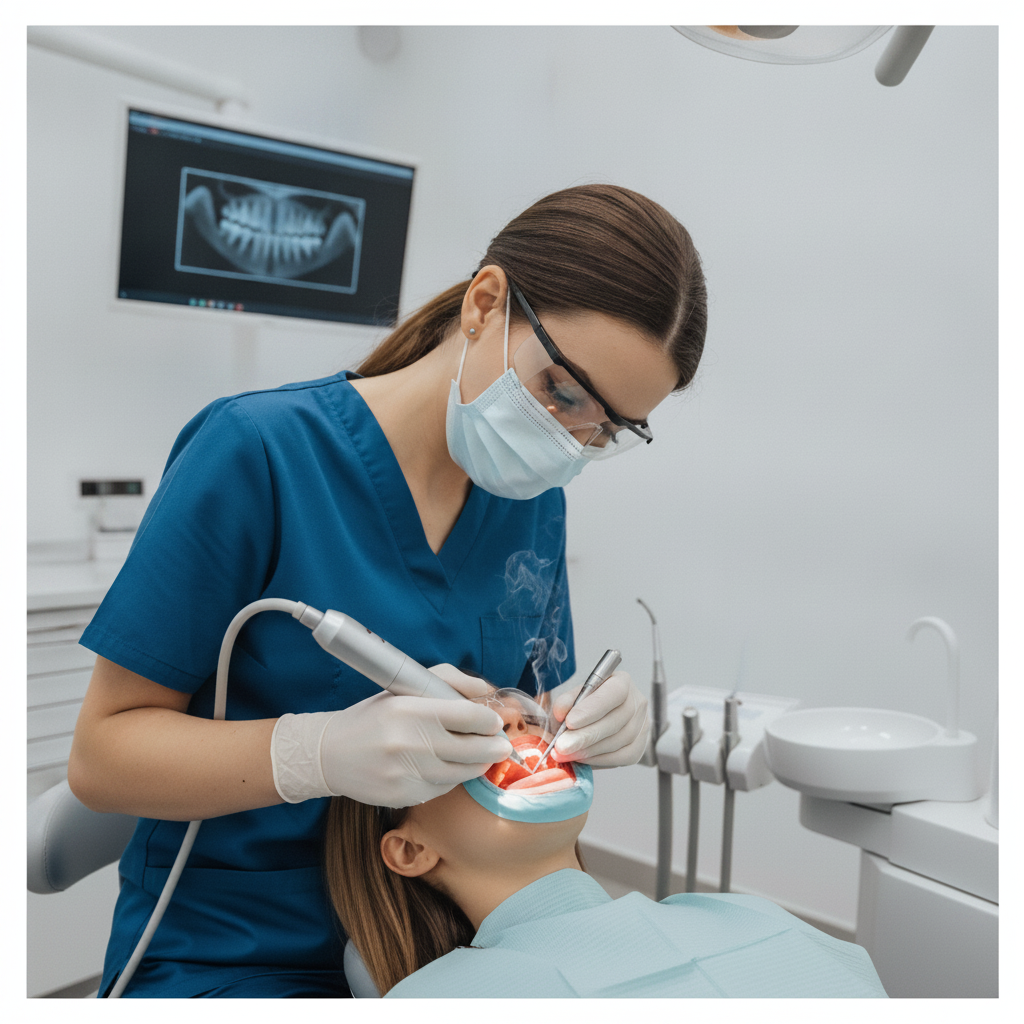
Laser dentistry has emerged as a revolutionary field within modern dental practice, offering patients an array of advanced, minimally invasive treatments. Turkey, renowned for its excellence in medical tourism, has rapidly adopted these cutting-edge techniques, establishing itself as a leading destination for individuals seeking high-quality and affordable laser dental procedures. The application of sophisticated laser technology in dentistry represents a significant leap forward from traditional methods, promising greater precision, reduced discomfort, and faster recovery times for a multitude of dental conditions. From treating gum disease to preparing teeth for fillings, lasers are transforming the patient experience and delivering superior clinical outcomes.
Laser Dentistry in Turkey – Modern Techniques
The Evolution and Principles of Laser Dentistry
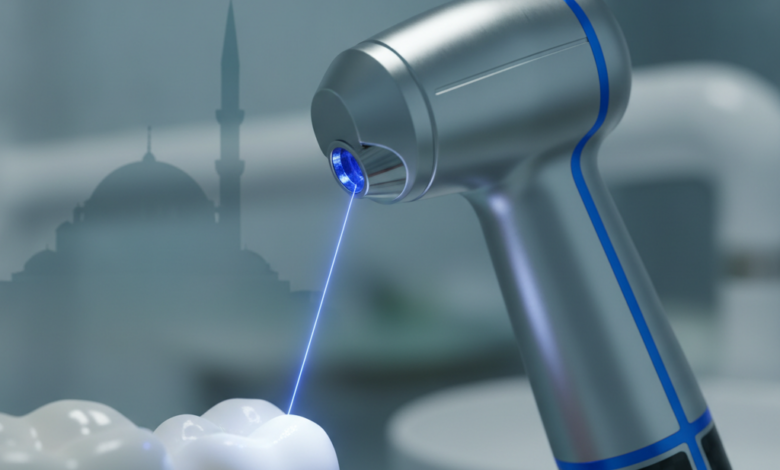
The use of lasers in medicine dates back to the 1960s, but their integration into dental practices began to gain significant traction in the late 20th century. Dental lasers work by delivering a concentrated beam of light energy, which can be precisely controlled to target specific tissues in the mouth. This light energy interacts with the tissue, causing various effects depending on the laser’s wavelength and power settings. Hard tissue lasers, such as Er:YAG or Nd:YAG, are highly effective for cutting through tooth enamel and bone, making them ideal for cavity preparation and minor oral surgeries. Soft tissue lasers, like diode lasers, are absorbed by water and hemoglobin, making them excellent for procedures involving the gums and other soft tissues, such as gum contouring or bacterial reduction. The precision of these instruments minimizes damage to surrounding healthy tissue, leading to a more comfortable procedure and quicker healing.
One of the primary advantages of laser technology in dentistry is its ability to reduce or even eliminate the need for traditional drills and scalpels in many procedures. This shift significantly alleviates dental anxiety for many patients, as the characteristic sounds and vibrations of the drill are replaced by a quieter, smoother experience. Moreover, the inherent sterilization properties of laser light help to reduce the risk of infection, contributing to a safer treatment environment.
Types of Lasers Used in Modern Dentistry
- Hard Tissue Lasers (e.g., Er:YAG, Er,Cr:YSGG): These lasers are highly absorbed by water molecules found in tooth enamel and bone. They are used for:
- Cavity detection and preparation, often without the need for local anesthesia.
- Removing old fillings.
- Etching tooth surfaces for bonding procedures.
- Bone reshaping for various oral surgical procedures.
- Soft Tissue Lasers (e.g., Diode, Nd:YAG, CO2): These lasers are absorbed by water and hemoglobin, making them ideal for soft tissue work. They are used for:
- Gum reshaping and contouring (gingivectomy).
- Treating gum disease (periodontal therapy) by removing infected tissue and sterilizing pockets.
- Frenectomy procedures (releasing tongue or lip ties).
- Biopsies and lesion removal.
- Teeth whitening (activating bleaching agents).
- Diagnostic Lasers: Lower-power lasers used for detecting cavities in their early stages, often before they are visible to the naked eye.
Each laser type is selected based on the specific treatment required, ensuring optimal outcomes and patient comfort. The advancements in laser technology continue to expand, offering even more precise and versatile tools for dental professionals.
Applications of Laser Dentistry in Turkey
Turkey’s dental clinics are equipped with state-of-the-art laser systems, allowing for a broad spectrum of treatments that cater to both functional and aesthetic dental needs. The embrace of laser dentistry here means patients can access treatments that are often less painful, more efficient, and result in superior healing.
Treating Gum Disease with Lasers
Periodontal disease, or gum disease, is a common condition that, if left untreated, can lead to tooth loss. Laser therapy provides a highly effective, minimally invasive alternative to traditional gum surgery. Soft tissue lasers can precisely remove diseased gum tissue, sterilize periodontal pockets, and promote the regeneration of healthy tissue. This approach often results in less bleeding, reduced swelling, and a significantly faster recovery compared to conventional methods. Patients undergoing laser periodontal treatment often report less post-operative pain and a quicker return to normal activities.
Laser Teeth Whitening
While not a direct treatment of disease, laser teeth whitening is a popular cosmetic application. A high-intensity laser light is used to activate a peroxide-based bleaching gel applied to the teeth. The laser accelerates the chemical reaction, allowing for a dramatic lightening of tooth shade in a single, short visit. This method is often preferred for its speed and effectiveness, providing immediate and noticeable results.
Cavity Preparation and Fillings
For patients with dental phobia, particularly those who dread the sound and feel of the dental drill, laser cavity preparation is a game-changer. Hard tissue lasers can precisely remove decayed tooth structure without touching the healthy surrounding tissue. This often eliminates the need for anesthesia for minor to moderate cavities, making the experience more comfortable and less intimidating. The laser also sterilizes the area, potentially reducing the risk of secondary decay.
Other Common Laser Procedures
*
Root Canal Therapy: Lasers can be used to sterilize the root canal system, eliminating bacteria more effectively than traditional methods and improving the success rate of the treatment.
*
Frenectomy: For individuals with a “tongue-tie” or “lip-tie” (frenum that is too tight), lasers can release the frenum with minimal bleeding and discomfort, often without sutures.
*
Biopsies: Lasers can precisely remove tissue samples for diagnostic purposes, resulting in less bleeding and a cleaner surgical site.
*
TMJ Pain Relief: Low-level laser therapy (LLLT) can be used to alleviate pain and inflammation associated with temporomandibular joint disorders.
Benefits of Choosing Laser Dentistry in Turkey
The decision to undergo dental treatment abroad, particularly for advanced procedures like laser dentistry, involves several considerations. Turkey stands out as a premier destination for numerous reasons, combining medical excellence with an attractive tourist experience.
Precision and Minimally Invasive Treatment
Laser dentistry offers unparalleled precision. The focused light beam allows dentists to target specific areas without affecting adjacent healthy tissue. This minimal invasiveness translates to smaller wounds, less bleeding, and often no need for stitches. For patients, this means a significantly more comfortable experience both during and after the procedure. The targeted nature of laser treatment also helps preserve more of the natural tooth structure, which is always a priority in modern dentistry.
Reduced Pain and Discomfort
Perhaps the most compelling benefit for many patients is the reduction in pain. In many cases, laser procedures can be performed with little to no local anesthesia, especially for soft tissue treatments or minor hard tissue work. The absence of drilling, needles, and cutting often makes the dental visit far less intimidating and more pleasant. This aspect is particularly beneficial for children and those with dental anxiety.
Faster Healing and Recovery
Lasers promote faster healing due to their ability to seal blood vessels and nerve endings as they work. This not only minimizes bleeding during the procedure but also reduces swelling and post-operative discomfort. The sterilization effect of the laser also reduces the risk of infection, further contributing to a quicker and smoother recovery period. Patients can typically resume their normal activities much sooner than with traditional surgical methods.
High Standards of Care and Experienced Professionals
Turkey’s medical tourism sector is highly regulated and continually strives for international accreditation. Dental clinics offering laser dentistry boast highly qualified dentists who have undergone specialized training in laser applications. They work with cutting-edge equipment and adhere to strict hygiene and safety protocols, ensuring patients receive care that rivals or exceeds standards found in many Western countries. The commitment to continuous professional development ensures that Turkish dentists remain at the forefront of dental technology.
Cost-Effectiveness
One of the significant draws for international patients seeking laser dentistry in Turkey is the remarkable cost-effectiveness without compromising on quality. The overhead costs for clinics and general living expenses are lower in Turkey compared to Western Europe or North America, which allows clinics to offer advanced treatments at a fraction of the price. This financial advantage makes high-tech dental care accessible to a broader range of patients, making Turkey an attractive option for those looking for value. For more insights into dental procedures and what to expect, especially concerning gum health, you might find valuable information regarding gum surgery in Turkey and related treatments.
Preparing for Laser Dentistry in Turkey
Patients considering laser dental treatment in Turkey can expect a streamlined and patient-centric process. It typically begins with an initial consultation, often conducted remotely through digital imaging and communication, where the patient’s dental history and specific needs are assessed. Based on this, a personalized treatment plan is developed, outlining the recommended laser procedures, duration, and estimated costs. Upon arrival in Turkey, patients undergo a thorough in-person examination before commencing treatment.
During the procedure, protective eyewear is worn by both the patient and the dental team to shield the eyes from the laser light. Depending on the complexity of the treatment, local anesthesia may still be used, though often in smaller doses or not at all. Post-procedure care instructions are clear and concise, focusing on maintaining oral hygiene and facilitating optimal healing. Follow-up appointments are scheduled to monitor recovery and ensure the success of the treatment.
The Future of Laser Dentistry
The field of laser dentistry is continuously evolving, with ongoing research and development paving the way for even more advanced applications. From regenerative dentistry, where lasers might stimulate tissue growth, to more precise diagnostic tools, the potential of laser technology in transforming dental care is immense. Turkey’s commitment to adopting and integrating these innovations positions it as a key player in shaping the future of global dental health. As technology advances, the benefits of laser dentistry—precision, comfort, and efficiency—will only become more pronounced, solidifying its place as a cornerstone of modern dental practice.
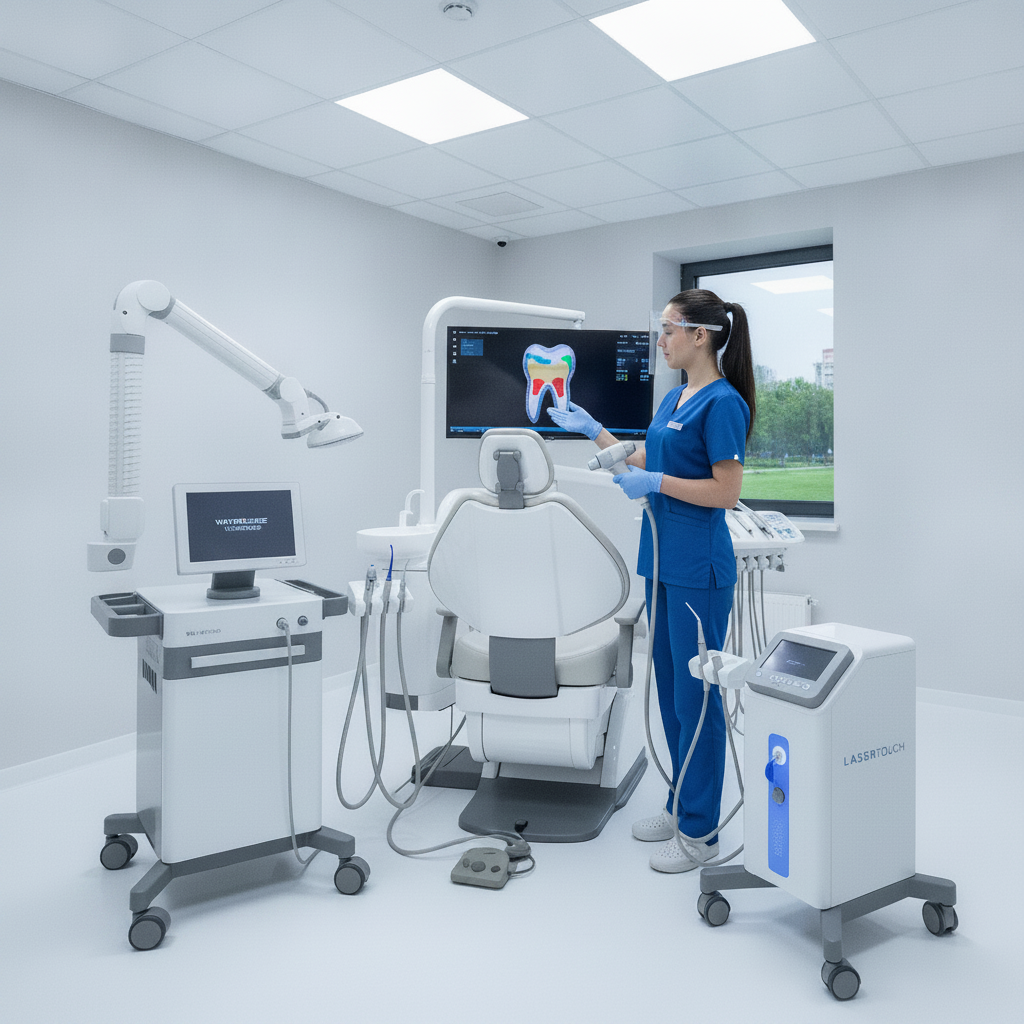
The continuous improvements in laser technology promise a future where dental treatments are even less invasive, more effective, and accessible to everyone. For a deeper understanding of the scientific principles behind laser technology in medicine, readers may consult authoritative sources such as Wikipedia on Laser Dentistry.