Cheap Dental Implants in Turkey – Safe or Risky?
Cheap Dental Implants in Turkey – Safe or Risky?
Turkey has become a global hub for medical tourism, particularly for dental treatments, drawing in thousands of international patients seeking high-quality care at significantly lower prices than in their home countries. Among the most sought-after procedures are dental implants, which promise a permanent solution for missing teeth. The allure of “cheap dental implants in Turkey” is undeniable, but it naturally sparks a crucial question: are these seemingly budget-friendly options safe, or do they come with hidden risks? This article delves into the nuances of getting dental implants in Turkey, exploring how costs are kept down, what factors influence quality, and how patients can make informed decisions to ensure both safety and successful outcomes.
The journey to restoring a confident smile often involves a substantial financial commitment in many Western countries. Dental implants, being a sophisticated and long-lasting solution, typically represent one of the more expensive dental procedures. This financial barrier leads many to explore international alternatives, with Turkey frequently emerging as a top contender. The prospect of combining a dental treatment with a holiday further enhances Turkey’s appeal, but prioritizing the medical aspect with due diligence is paramount.
Understanding the Appeal of Dental Implants in Turkey
The primary driver behind Turkey’s popularity for dental implants is undoubtedly the cost advantage. Patients can often find packages that include the implant, abutment, crown, and sometimes even accommodation and transfers, for a fraction of the price they would pay in the UK, USA, or other European nations. Several factors contribute to this significant price disparity:
- Lower Operating Costs: The general cost of living and overheads for dental clinics in Turkey, including rent, utilities, and labor, are considerably lower than in many Western countries. This allows clinics to offer competitive prices while maintaining profitability.
- Favorable Exchange Rates: The exchange rate between currencies like the British Pound, Euro, and US Dollar against the Turkish Lira often works in favor of international patients, effectively making treatments more affordable.
- Government Support for Medical Tourism: The Turkish government actively promotes medical tourism through various initiatives, recognizing its potential to boost the economy. This support can indirectly contribute to competitive pricing and investment in state-of-the-art facilities.
- High Volume of Patients: Turkish dental clinics often handle a high volume of international patients, which can allow them to negotiate better prices with suppliers for implant materials and other consumables, passing some of these savings onto the patient.
- Competitive Market: The high number of clinics catering to medical tourists in major cities like Istanbul, Antalya, and Izmir creates a fiercely competitive market. This competition often drives prices down as clinics strive to attract patients.
While these factors explain the lower prices, they don’t inherently speak to the quality or safety of the treatment. It’s essential to look beyond the price tag and understand what makes a truly good dental implant experience.
The Nuance of “Cheap Dental Implants in Turkey”: Balancing Cost and Quality
The term “cheap” can be misleading. It can mean affordable, representing good value for money, or it can imply low quality, indicating potential risks. When considering Cheap Dental Implants in Turkey, discerning between these two meanings is critical. A reputable clinic in Turkey can offer excellent value due to the economic factors mentioned above, without compromising on materials or expertise. However, genuinely “too cheap” options might signal underlying issues.
The cost of dental implants is influenced by several key components:
- Implant Brand and Material: High-quality implants are typically made from biocompatible titanium or zirconia and come from globally recognized brands (e.g., Nobel Biocare, Straumann, Zimmer Biomet, Alpha Bio). These brands invest heavily in research and development, ensuring long-term success and safety. Cheaper clinics might use lesser-known or generic implant brands, which may lack sufficient clinical data or long-term proven success rates.
- Dentist’s Experience and Qualification: The skill of the implant surgeon is paramount. Highly experienced prosthodontists or oral surgeons who specialize in implantology often command higher fees due to their advanced training and track record. Less experienced practitioners, or those without specific implant training, may offer lower prices.
- Clinic Technology and Standards: Modern clinics utilize advanced diagnostic tools like 3D CBCT scans for precise planning, digital impression systems, and cutting-edge surgical equipment. They also adhere to stringent sterilization protocols and international hygiene standards. Clinics cutting corners on technology or hygiene might offer lower prices but increase risks of complications.
- Additional Procedures: Some patients may require supplementary treatments like bone grafting, sinus lifts, or tooth extractions before implant placement. These add to the overall cost, and clinics offering extremely low “all-inclusive” prices without a thorough initial assessment might be omitting these crucial steps or bundling them with inferior components.
- Crown Material: The final prosthetic tooth (crown) placed on the implant can vary in material (porcelain-fused-to-metal, full ceramic, zirconia) and quality, affecting the overall aesthetics and durability.
An overly low price might indicate a compromise in one or more of these areas, potentially leading to issues such as implant failure, infections, poor aesthetics, or complications requiring costly revision surgery in the future.
Ensuring Safety and Quality When Opting for Dental Implants in Turkey
The key to a successful and safe dental implant journey in Turkey lies in thorough research and careful selection. It’s entirely possible to find excellent, affordable care if you know what to look for.
Accreditation and Regulations
Look for clinics that are accredited by international bodies or that proudly display their adherence to European or global standards. While the Turkish Ministry of Health regulates dental practices, additional certifications can provide an extra layer of assurance regarding safety and quality protocols. It’s also important that the clinic provides comprehensive information regarding the specific brand and type of implant they use.
Choosing the Right Clinic and Dentist
Selecting a reputable clinic is the most critical step. Here’s what to consider:
- Reputation and Reviews: Scrutinize online reviews, patient testimonials, and before-and-after photos. Look for consistent positive feedback and direct experience from previous international patients.
- Transparency in Pricing: A trustworthy clinic will provide a detailed, itemized quote with no hidden costs. Understand what exactly is included in the package.
- Dentist Qualifications: Inquire about the surgeon’s qualifications, specialization in implantology, years of experience, and the number of implant procedures they have performed successfully. Don’t hesitate to ask for their professional background.
- Communication: Ensure the clinic has English-speaking staff (or staff fluent in your language) to facilitate clear communication throughout the treatment process, from consultation to aftercare.
- Facility and Technology: Reputable clinics will showcase their modern facilities, advanced diagnostic equipment (like CBCT scans), and commitment to hygiene and sterilization.
- Warranty and Aftercare: Ask about warranties on the implants and crowns, and what aftercare support is provided, especially for patients returning home.
The Dental Implant Procedure: A Step-by-Step Guide
Understanding the typical dental implant process can help patients assess the professionalism of a clinic’s approach.
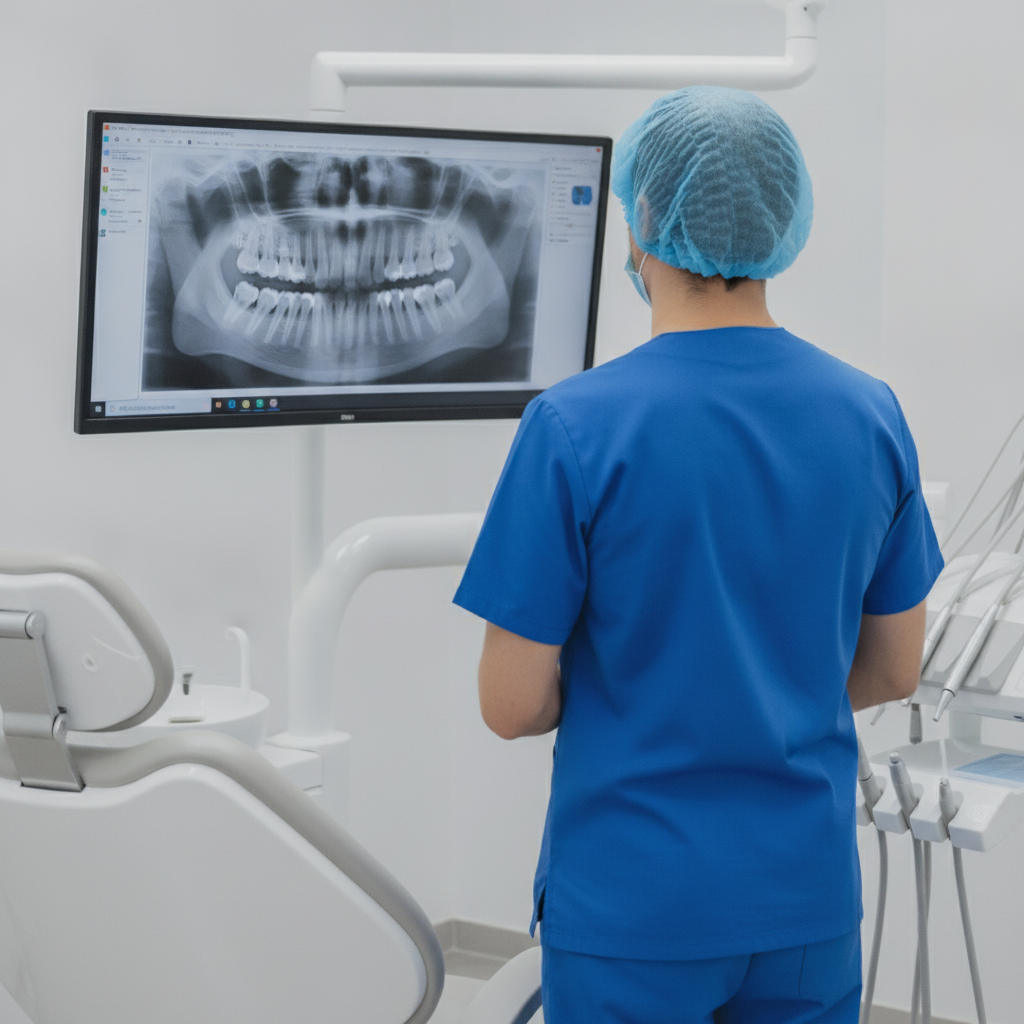
- Initial Consultation and Assessment: This involves a thorough examination, including digital X-rays and often a 3D CBCT scan, to assess bone density and plan the precise implant placement. A personalized treatment plan will be discussed, outlining the number of implants, type of crowns, and overall timeline.
- Implant Placement Surgery: Under local anesthesia (and sometimes conscious sedation), the dental implant (a small titanium or zirconia screw) is surgically placed into the jawbone. This is a precise procedure requiring a skilled hand.
- Osseointegration (Healing Period): This crucial phase allows the implant to fuse with the jawbone. It typically takes 3 to 6 months. During this time, a temporary prosthetic might be fitted for aesthetic purposes.
- Abutment Placement: Once osseointegration is complete, a small connector piece called an abutment is attached to the implant.
- Crown Placement: Finally, a custom-made crown, designed to match your natural teeth, is permanently affixed to the abutment, completing the restoration.
- Post-operative Care: Detailed instructions for care during the healing period and long-term maintenance will be provided.
This multi-stage process highlights why speed is not always a sign of efficiency but can sometimes indicate a rushed or incomplete procedure, especially if clinics promise “implants in one day” without proper assessment for suitability. While immediate loading is possible in certain cases, it’s not universally applicable.
Factors for Evaluating Dental Implant Quality in Turkey
To further assist in your decision-making, here is a breakdown of what to seek out versus what to approach with caution:
| Factor | What to Look For (Safe & Affordable) | What to Be Wary Of (Risky & Too Cheap) |
|---|---|---|
| Implant Materials & Brands | Uses globally recognized, FDA-approved, CE-marked brands (e.g., Nobel Biocare, Straumann, Zimmer Biomet, Alpha Bio) with traceable origins. Provides documentation of the implant. | Uses generic, no-name, or obscure implant brands. Refuses to disclose brand or provide documentation. |
| Clinic Accreditation & Hygiene | Has international certifications (e.g., JCI) or adheres to strict European/ISO hygiene and sterilization standards. Clean, modern facilities. | Lacks visible certifications or appears unsanitary. Minimal investment in clinic infrastructure. |
| Dentist’s Expertise & Experience | Specialist in oral surgery or prosthodontics with extensive experience in implantology (e.g., 10+ years). Before-and-after photos, patient testimonials. | General practitioner with limited specific implant training or experience. Difficulty in verifying credentials. |
| Transparency in Cost & Package | Provides a clear, itemized quote covering all stages, materials (implant, abutment, crown), and potential extra procedures. No hidden fees. | Vague “all-inclusive” prices that are significantly lower than competitors. Unwillingness to provide a detailed breakdown. |
| Diagnostic & Planning Tools | Utilizes advanced imaging (3D CBCT scans) and digital planning software for precise implant placement. | Relies on older, less precise imaging (e.g., 2D X-rays only). Lack of detailed pre-surgical planning. |
| Aftercare, Warranty & Support | Offers a clear warranty on implants and crowns. Provides detailed post-operative instructions and accessible follow-up support (even remotely). | No mention of warranty or aftercare. Difficult to contact for post-treatment concerns. |
Patient Experience and Aftercare
The patient experience extends beyond the procedure itself. Consider the logistical aspects:
- Travel and Accommodation: Many clinics assist with travel arrangements and offer packages that include flights and hotel stays, simplifying the process for international patients.
- Recovery Timeline: While the implant placement itself is relatively quick, the osseointegration period is crucial. Patients should be prepared for potential discomfort during the initial recovery and understand the importance of follow-up appointments, even if conducted remotely or by a local dentist upon return.
- Long-term Success: The longevity of dental implants heavily depends on proper oral hygiene and regular dental check-ups, just like natural teeth. Ensure you receive comprehensive guidance on how to care for your new implants.
For those considering full mouth solutions, understanding options like All-on-4 or All-on-6 implants can be beneficial. More information on these advanced techniques and their associated costs can be found on specialized dental tourism sites, such as the detailed guide to full mouth dental implants Turkey cost explained.
Making an Informed Decision
The idea of “cheap” dental implants in Turkey can indeed be safe and lead to excellent results, provided that “cheap” signifies affordability through economic advantages rather than a compromise on quality. It requires patients to be proactive and diligent in their research. Prioritizing health and long-term success over minimal savings is a wise approach.
Before committing to any clinic, engage in a thorough virtual consultation. Ask detailed questions about the entire process, the materials used, the qualifications of the dental team, and the aftercare support. Consult multiple clinics to compare treatment plans and quotes. Trust your instincts – if an offer seems too good to be true, it very often is. Dental implants are a significant investment in your oral health and quality of life; ensuring their success by choosing a reputable provider is paramount. Further insights into the general science and longevity of dental implants can be found on resources like Wikipedia’s entry on Dental Implants, which offers a broad overview of the procedure and its history.
By conducting proper due diligence, patients can confidently pursue high-quality, safe, and genuinely affordable dental implants in Turkey, restoring their smile and oral health without breaking the bank.”