
Why Thousands Choose Turkey for Dental Implants
Why Thousands Choose Turkey for Dental Implants
Turkey has rapidly emerged as a leading global destination for dental tourism, particularly for advanced procedures like dental implants. Thousands of international patients annually flock to Turkish clinics, drawn by a compelling combination of world-class expertise, cutting-edge technology, and remarkably affordable prices. This surge in popularity isn’t a mere trend; it reflects a carefully cultivated infrastructure designed to deliver exceptional dental care, often surpassing the standards found in many Western countries, all while providing an enriching cultural experience. For those seeking a durable, aesthetic, and long-term solution to missing teeth, Turkey offers an unparalleled proposition that combines medical excellence with significant economic advantages. The decision to travel abroad for medical treatment, especially dental work, is a significant one, and understanding the multifaceted appeal of Turkey is crucial for prospective patients. From the highly skilled dental professionals to the comprehensive patient support systems, every aspect of the Turkish dental implant journey is designed to instill confidence and ensure optimal outcomes.
The Global Appeal of Turkey for Dental Implants
The reputation of **Turkey for Dental Implants** is built upon several pillars that collectively create a highly attractive package for international patients. These factors range from the educational background of its dentists to the strategic investments in healthcare infrastructure.
Unmatched Quality and Expertise
Turkish dentists specializing in implantology undergo rigorous training and often pursue international certifications, staying abreast of the latest advancements in dental science. Many have trained in Europe and the United States, bringing a global perspective and sophisticated techniques to their practice. Clinics in major cities like Istanbul, Antalya, and Izmir boast teams of oral surgeons, periodontists, and prosthodontists who work collaboratively to ensure a holistic and successful treatment plan. This interdisciplinary approach guarantees that complex cases are handled with precision and that patients receive care tailored to their unique anatomical and health needs. The commitment to continuous professional development ensures that Turkish clinics remain at the forefront of dental innovation, offering treatments that are not only effective but also minimally invasive.
Significant Cost Advantages
One of the most compelling reasons for choosing Turkey is the substantial cost saving without compromising on quality. Dental implant procedures in Turkey can be up to 70% more affordable than in countries like the UK, USA, Canada, or Australia. This cost differential is largely due to lower operational costs, including labor, facility overheads, and laboratory expenses, rather than a reduction in material quality or professional standards. Clinics often utilize internationally recognized implant brands, ensuring compatibility and reliability. This affordability makes advanced dental solutions accessible to a broader range of patients who might otherwise be unable to afford such treatments in their home countries. The financial relief often extends to other aspects of the trip, making the entire medical tourism experience more viable.
Advanced Technology and Facilities
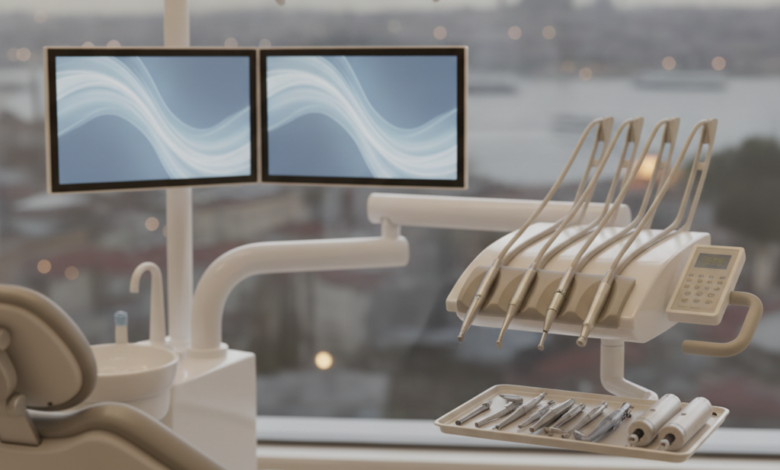
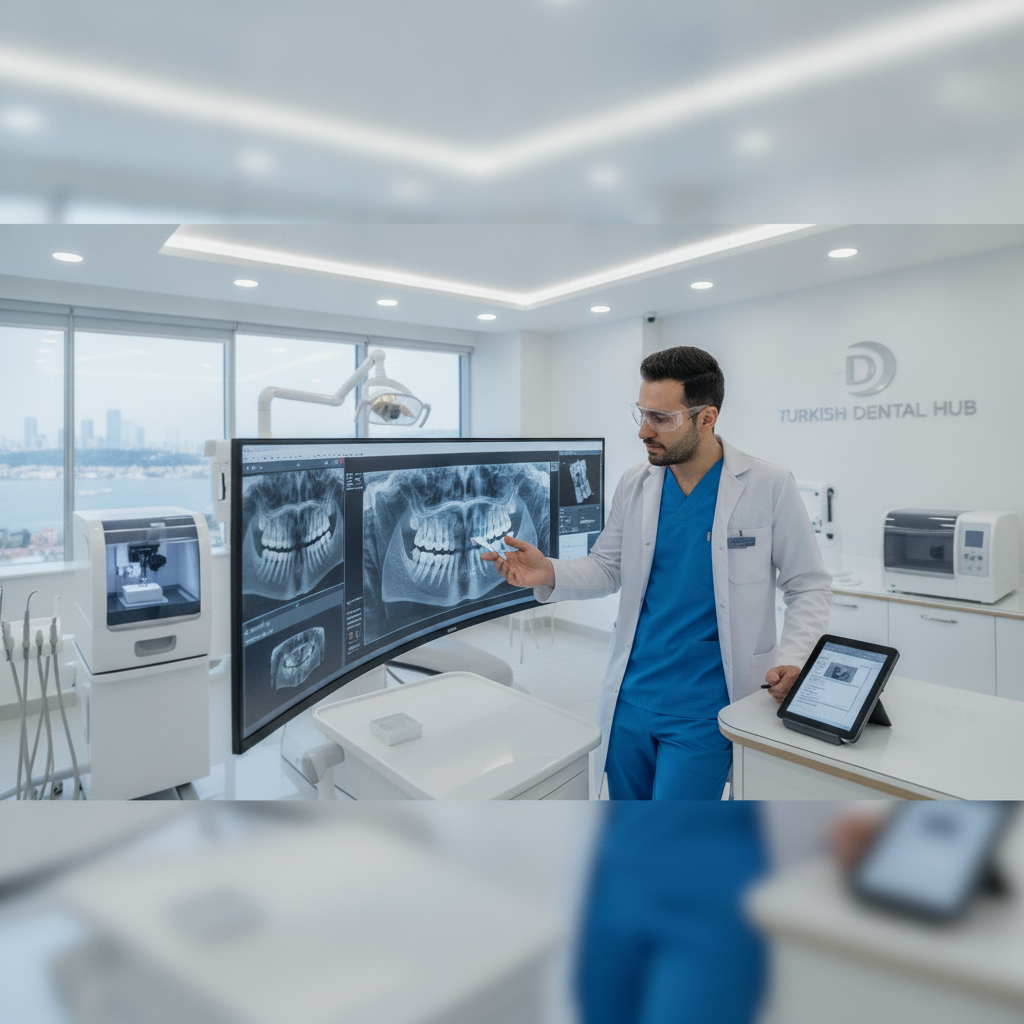
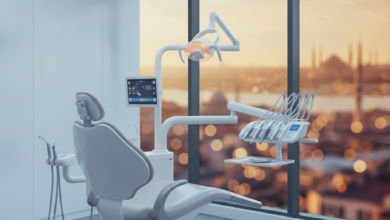
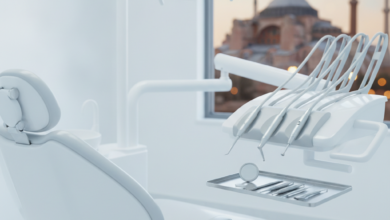
Turkish dental clinics are equipped with state-of-the-art technology, reflecting a significant investment in modern dental practices. This includes 3D imaging (CBCT scans) for precise implant planning, computer-guided surgery systems for enhanced accuracy, and advanced sterilization protocols. Many clinics incorporate in-house laboratories that utilize CAD/CAM (Computer-Aided Design/Computer-Aided Manufacturing) technology to fabricate custom crowns and bridges, ensuring a perfect fit and aesthetic result in a shorter timeframe. The emphasis on digital dentistry not only improves the efficiency of the treatment process but also enhances patient comfort and the predictability of outcomes. These technological advancements ensure that patients receive care that is both sophisticated and streamlined.
Comprehensive Patient Care and Tourism
Beyond the clinical aspects, Turkish dental clinics offer a comprehensive patient experience. Many provide all-inclusive packages that cover airport transfers, accommodation, interpreter services, and even guided tours, making the entire journey seamless and stress-free. The combination of high-quality medical care with the opportunity to explore Turkey’s rich history, vibrant culture, and stunning landscapes adds an attractive dimension to the treatment. This blend of medical expertise and tourism creates a unique value proposition, allowing patients to recover in a beautiful environment while receiving top-tier dental care. The support extends to post-treatment follow-ups, with many clinics offering remote consultations and guidance after patients return home.
Understanding Dental Implants: The Foundation of a New Smile
Dental implants are considered the gold standard for replacing missing teeth, offering a permanent solution that mimics the look, feel, and function of natural teeth.
Components and Functionality
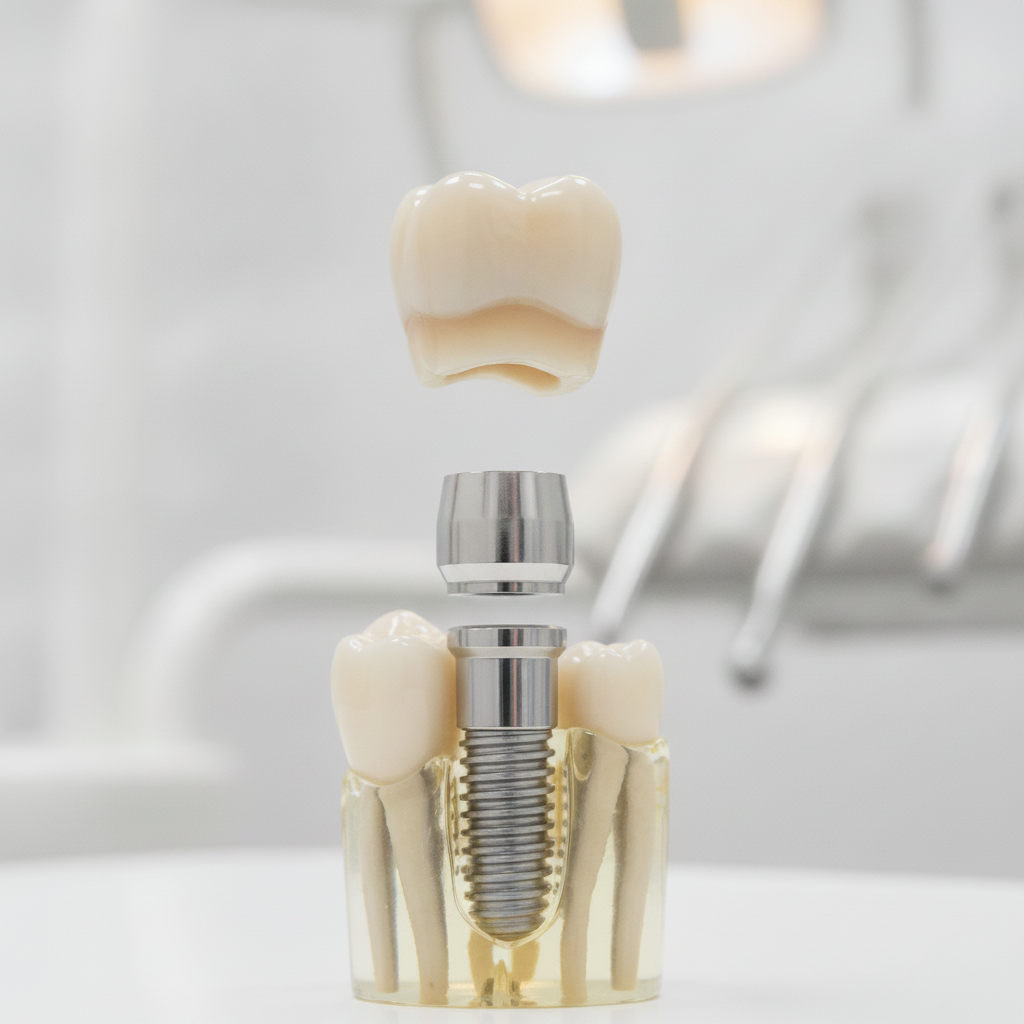
A dental implant typically consists of three main parts:
- The Implant Post: This is a small, screw-shaped fixture, usually made of titanium, surgically placed into the jawbone. Titanium is biocompatible, meaning it integrates naturally with the bone through a process called osseointegration.
- The Abutment: Once the implant post has fused with the jawbone, a connector piece called an abutment is attached. This protrudes above the gum line and serves as the anchor for the prosthetic tooth.
- The Restoration (Crown, Bridge, or Denture): A custom-made crown, bridge, or denture is then fitted onto the abutment. These restorations are meticulously crafted to match the patient’s existing teeth in color, shape, and size, ensuring a natural appearance and comfortable bite.
The functionality of dental implants is superior to traditional alternatives because they restore chewing efficiency, prevent bone loss in the jaw, and provide exceptional stability, improving speech and overall oral health.
Determining Candidacy
Not everyone is an immediate candidate for dental implants, though advancements in techniques have broadened eligibility. Key factors considered by dentists include:
- Good Oral Health: Patients should have healthy gums and sufficient jawbone density to support the implant.
- Overall Health: Chronic diseases such as uncontrolled diabetes or certain heart conditions may affect healing, though many conditions can be managed.
- Non-Smoker: Smoking significantly impairs healing and increases the risk of implant failure.
- Commitment to Oral Hygiene: Maintaining excellent oral hygiene after implant placement is crucial for long-term success.
A thorough examination, including 3D imaging and medical history review, will determine if dental implants are the right option. For those with insufficient bone, procedures like bone grafting or sinus lifts can often prepare the jaw for implant placement.
Your Journey to a New Smile: The Dental Implant Process in Turkey
The process of getting dental implants in Turkey is meticulously planned and executed, often requiring multiple stages over several months. This structured approach ensures optimal healing and long-term success.
Consultation and Treatment Planning
The journey begins with an initial consultation, which can often be started remotely through digital scans and X-rays sent from your home country. Upon arrival, a comprehensive examination is performed, including high-resolution 3D Cone Beam Computed Tomography (CBCT) scans. These detailed images allow the dental team to assess bone density, identify vital anatomical structures, and create a precise, personalized treatment plan. This plan outlines the number of implants required, their exact placement, the type of restoration, and the overall timeline. This stage is crucial for setting expectations and ensuring all patient questions are answered.
Surgical Placement and Osseointegration
Once the treatment plan is finalized, the implant placement surgery is scheduled. This procedure is typically performed under local anesthesia, though sedation options are available for patient comfort. The oral surgeon makes a small incision in the gum to expose the jawbone, then carefully drills a pilot hole and inserts the titanium implant post. After placement, the gum tissue is closed, covering the implant. This begins the crucial osseointegration period, where the implant fuses with the surrounding bone. This healing phase typically lasts 3 to 6 months, depending on individual healing capabilities and bone quality. During this time, the implant acts as a stable root for the future prosthetic. For more information on the timeline, you can visit how long do dental implants take in Turkey.
Restoration and Final Prosthetic
After successful osseointegration, the patient returns for the final stage. The surgeon re-exposes the implant and attaches the abutment. Impressions are then taken to custom-fabricate the crown, bridge, or denture. Using advanced CAD/CAM technology, these prosthetics are designed to perfectly match the patient’s natural teeth in shape, size, and color. Once fabricated, the restoration is securely attached to the abutment, completing the dental implant procedure. The dentist will ensure the bite is comfortable and that the aesthetics are flawless, providing a natural-looking and fully functional new smile. This final step is often the most rewarding, as patients witness the transformation of their oral health and appearance.
Maximizing Implant Longevity and Aftercare
Dental implants are a significant investment in oral health, and with proper care, they can last a lifetime. Understanding the necessary aftercare and long-term maintenance is crucial for maximizing their durability.
Essential Post-Procedure Care
Immediately after implant surgery, patients are provided with detailed instructions to promote healing and prevent complications. This typically includes:
- Pain Management: Prescribed or over-the-counter pain relievers can manage discomfort.
- Swelling Control: Applying ice packs to the outside of the face can reduce swelling.
- Dietary Restrictions: A soft diet is recommended for the first few days, gradually reintroducing solid foods as comfort allows.
- Oral Hygiene: Gentle rinsing with a prescribed antimicrobial mouthwash and careful brushing around the surgical site are essential to keep the area clean.
- Avoidance of Smoking and Alcohol: These can significantly impair healing and should be avoided during the recovery period.
Adhering strictly to these guidelines is vital for uneventful healing and successful osseointegration. Any signs of infection or unusual pain should be reported to the clinic immediately.
Long-Term Maintenance and Regular Check-ups
Once the implants are fully restored, long-term success depends on diligent oral hygiene and regular dental check-ups. Dental implants, like natural teeth, require thorough brushing and flossing to prevent plaque buildup and gum disease around the implant site, a condition known as peri-implantitis. Special brushes or interdental cleaners may be recommended. Routine dental visits, typically every six months, are crucial for professional cleaning and monitoring the health of the implants and surrounding tissues. Dentists will check for any signs of wear, loosening, or infection, allowing for early intervention if needed.
Expected Lifespan of Dental Implants
With proper care, dental implants boast an impressive success rate and longevity. The titanium implant post itself is designed to be a permanent fixture in the jawbone and, in many cases, can last for a lifetime. The visible prosthetic components, such as crowns or bridges, may require replacement after 10 to 15 years due to normal wear and tear, similar to natural dental restorations. The longevity of dental implants is significantly influenced by patient factors such as oral hygiene practices, general health, and regular professional maintenance. Research extensively supports the long-term success of dental implants, making them a highly reliable treatment option for tooth replacement. You can find more detailed information on dental implant success rates and factors affecting longevity on authoritative sites like the National Center for Biotechnology Information (ncbi.nlm.nih.gov).
The enduring appeal of Turkey as a premier destination for dental implants is undeniable. It’s a place where high-quality medical expertise converges with affordability and comprehensive patient support, creating an accessible pathway to restoring smiles. The combination of highly skilled professionals, state-of-the-art facilities, and a patient-centric approach ensures that individuals seeking durable and aesthetically pleasing dental solutions can achieve their goals with confidence. For many, Turkey represents not just a dental appointment, but a transformative journey towards improved oral health and a renewed sense of self, all within an efficient and supportive environment.


One Comment