Why Americans Choose Turkey for Dental Implants
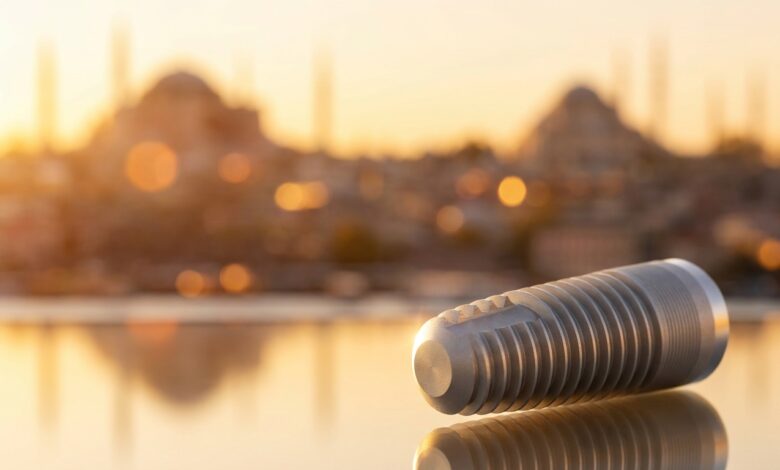
Why Americans Choose Turkey for Dental Implants, a trend that has transformed from a niche consideration into a mainstream option for those seeking high-quality, affordable dental restoration. The global landscape of healthcare is shifting, and dental tourism is at the forefront of this change. For countless individuals in the United States facing prohibitive costs for dental work, the prospect of traveling abroad is not just about savings; it’s about accessing a level of care that might otherwise be out of reach. Turkey, and specifically cities like Istanbul, has emerged as a global hub for medical excellence, combining state-of-the-art technology, highly skilled professionals, and an unparalleled patient experience. This journey is about reclaiming a confident smile without compromising on quality or safety.
The Unbeatable Cost-to-Quality Ratio
The primary driver for the surge in dental tourism to Turkey is the exceptional value proposition. Patients consistently discover that they can receive world-class treatment for a fraction of the price they would pay at home. This isn’t about cutting corners; it’s about a different economic structure that benefits the international patient.
A Deep Dive into Pricing Differences
In the United States, a single dental implant, including the abutment and crown, can easily cost between $3,000 and $6,000. For patients needing multiple implants or full-mouth restorations like an All-on-4 or All-on-6 procedure, the total can quickly escalate into tens of thousands of dollars, often not fully covered by insurance. In contrast, Turkey offers the same procedures with savings of up to 70%. This dramatic price difference is attributable to several key factors. Firstly, the overall cost of living and operational expenses for clinics, including rent and utilities, are significantly lower. Secondly, labor costs for highly qualified dental staff and technicians are more economical. Finally, the Turkish government actively supports the medical tourism sector, creating a favorable economic environment that allows clinics to offer competitive pricing without sacrificing the quality of care or materials. This financial accessibility makes comprehensive dental restoration a realistic goal rather than a luxury.
No Compromise on Material and Technology
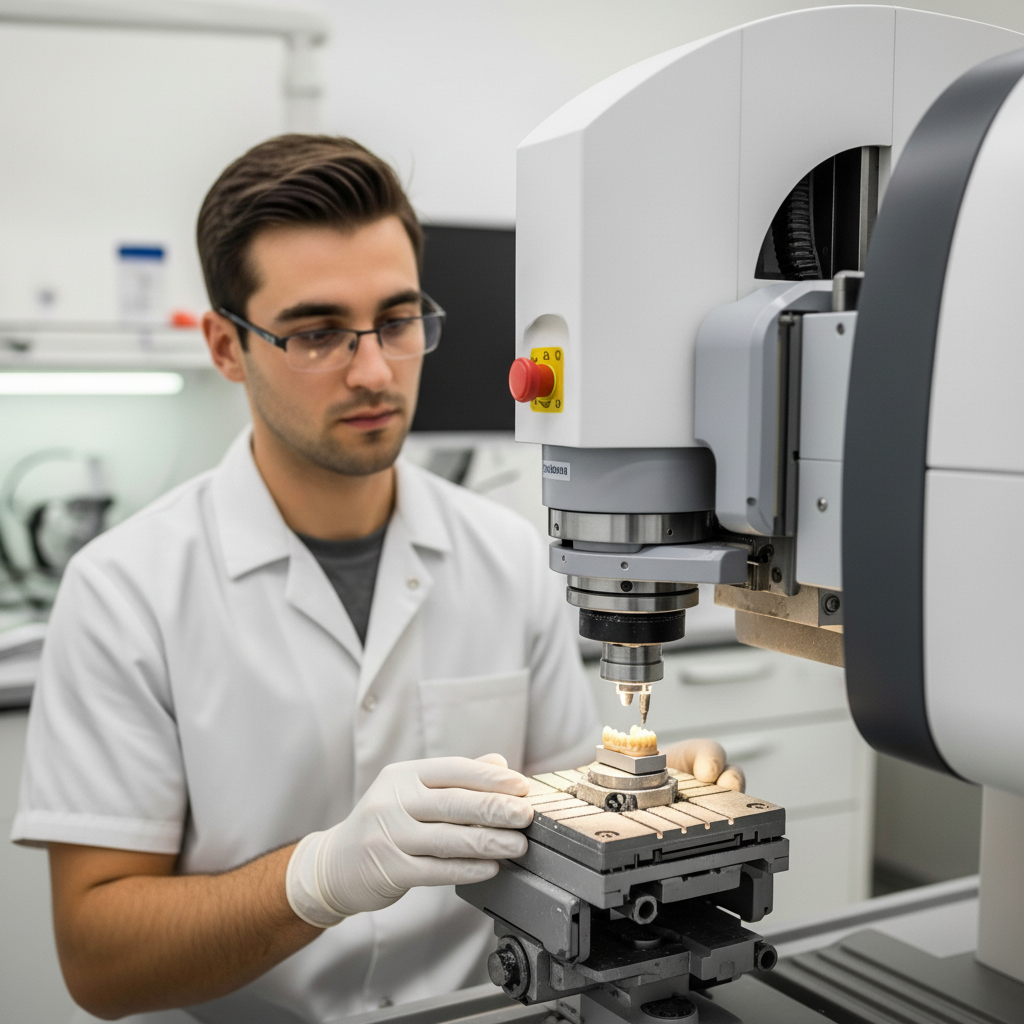
A lower price point often raises questions about quality, but Turkish dental clinics have built their reputation on dispelling this myth. The materials and technology used are on par with, and often exceed, the standards found in top clinics in the US and Europe. Leading clinics in Turkey exclusively use premium, globally recognized implant brands such as Straumann and Nobel Biocare. These are brands trusted by dentists worldwide for their durability, biocompatibility, and high success rates. The final restorations, the crowns that sit atop the implants, are crafted from superior materials like Zirconium or E-max. These materials are renowned for their strength, natural appearance, and longevity, ensuring a smile that is both beautiful and functional. Furthermore, Turkish clinics are heavily invested in advanced dental technology. The use of 3D Cone Beam Computed Tomography (CBCT) scanners for precise treatment planning, CAD/CAM (Computer-Aided Design/Computer-Aided Manufacturing) for creating perfectly fitted crowns, and digital smile design software are all standard practice. This commitment to technology ensures greater accuracy, better outcomes, and a more comfortable patient experience.
Understanding the Dental Implant Procedure in Turkey
The process of receiving dental implants in Turkey is meticulously planned and streamlined for international patients. It typically involves a clear, multi-stage approach that prioritizes patient safety, comfort, and a successful final result.
The Initial Consultation and Planning Phase
The journey begins long before you board a plane. Most reputable clinics offer comprehensive remote consultations. A prospective patient will typically send their existing dental records, including panoramic X-rays or CT scans, to the clinic. The dental team in Turkey will then conduct a thorough evaluation of the patient’s oral health, bone density, and specific needs. Based on this assessment, they create a detailed and personalized treatment plan. This plan outlines the recommended procedures, the number of implants required, the type of materials to be used, a clear cost breakdown, and the projected timeline, which may involve one or two visits. This transparent, upfront planning allows patients to make informed decisions with no hidden surprises. Upon arrival in Turkey, a final in-person examination confirms the treatment plan before any work begins.
The Surgical Placement: A Step-by-Step Overview
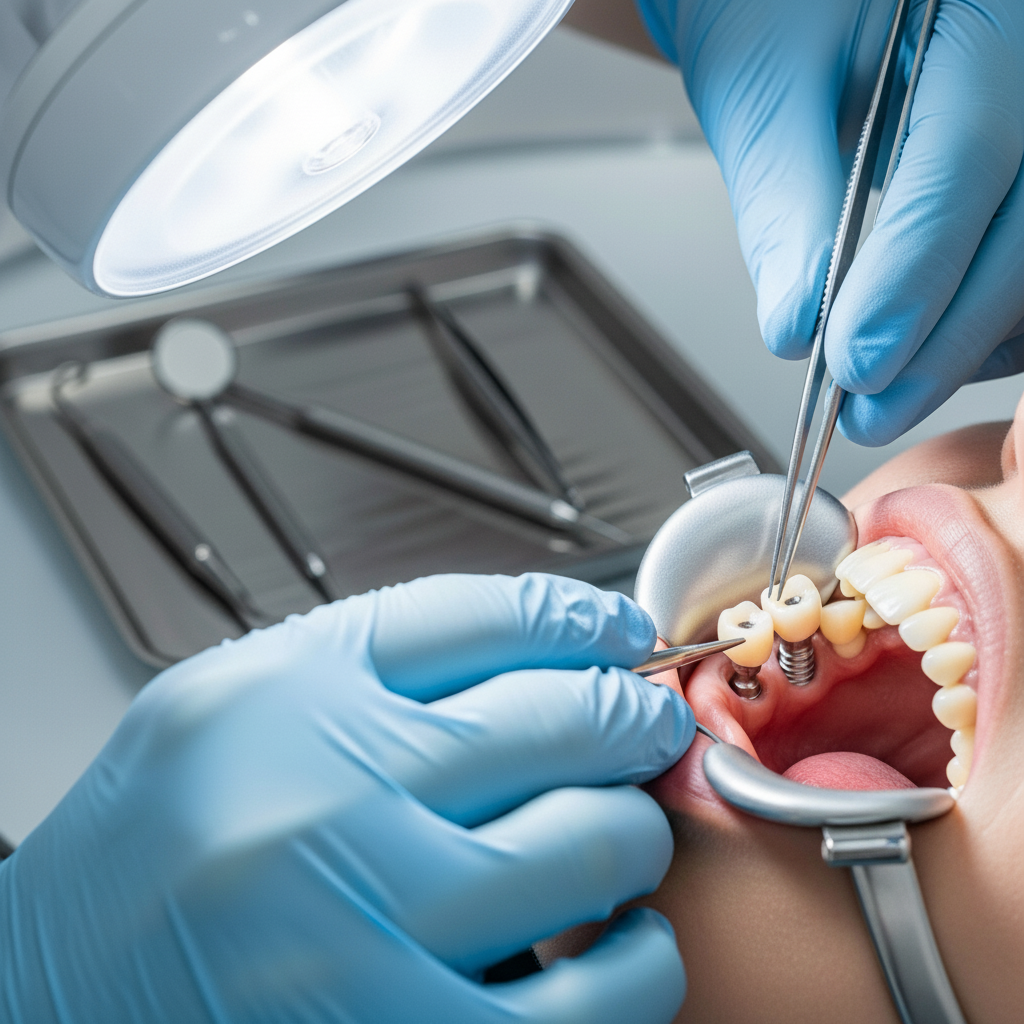
The surgical phase is the core of the implant process. It is performed under local anesthesia to ensure the patient is completely comfortable. The procedure involves the oral surgeon making a small incision in the gum to access the jawbone. A precise channel is then created in the bone, and the titanium implant post, which acts as the new tooth root, is carefully placed. After placement, the gum is sutured. This titanium post is the foundation of the new tooth. Over the next several months, a crucial biological process known as osseointegration occurs. This is where the jawbone naturally grows around and fuses with the titanium implant, creating an incredibly strong and stable anchor. This fusion is what makes dental implants the most successful and long-lasting solution for tooth replacement.
The Final Restoration: Placing the Crown
After the osseointegration period is complete, which typically takes 3 to 6 months, the patient returns for the final phase of the treatment. During this visit, a small connector piece called an abutment is attached to the top of the implant. The abutment serves as the link between the implant in the bone and the final crown. Impressions of the patient’s mouth and the abutment are then taken, either digitally or using traditional molds. These are sent to an on-site or partner dental laboratory where a master technician uses CAD/CAM technology to design and mill a custom crown. This crown, made from high-grade materials like Zirconia, is meticulously crafted to match the color, shape, and size of the patient’s natural teeth. The final step is to permanently cement or screw this custom crown onto the abutment, completing the restoration and providing a fully functional, natural-looking new tooth.
The Advantages of Choosing Turkey for Dental Implants
The decision to travel for dental care is based on a compelling set of advantages that go beyond simple cost savings. It is a holistic calculation of quality, efficiency, and overall experience. The combination of these factors solidifies Turkey’s position as a premier destination.
| Feature | Average in the USA | Typical in Turkey |
|---|---|---|
| Cost per Implant (incl. Crown) | $3,000 – $6,000 | $700 – $1,500 |
| Material Quality | Varies by clinic; premium brands are costly | Top-tier global brands (Straumann, Nobel Biocare) are standard |
| Technology | Widely available but adds to the cost | State-of-the-art (CBCT, CAD/CAM) is standard practice |
| Wait Times for Appointments | Can be weeks or months | Often minimal; clinics are efficient and focused on international patients |
| All-Inclusive Service | Rare; each service is billed separately | Common; packages often include hotel, transfers, and translation |
Access to World-Class Dental Professionals
Turkish dentists, oral surgeons, and prosthodontists are held to incredibly high standards of education and training. Many have completed parts of their education or specialized training in Western Europe or the United States, and they are often members of international dental associations. They bring a wealth of experience, particularly in complex restorative and cosmetic procedures, due to the high volume of international patients they treat. This specialization ensures that patients are in the hands of experts who are at the forefront of their field, skilled in the latest techniques and technologies in implantology. Clinics are often internationally accredited by organizations like the ISO, further vouching for their commitment to quality and patient safety.
Planning Your Dental Journey to Turkey
A successful dental tourism experience is built on careful planning and choosing the right clinical partner. The process is designed to be as seamless and stress-free as possible for the patient.
Key Steps to a Successful Trip
The first and most crucial step is thorough research to select a reputable clinic with a proven track record. Look for patient testimonials, before-and-after photos, and clear information about their dentists and the technologies they use. Once you have a shortlist, engage in virtual consultations. A professional clinic will be happy to answer all your questions and provide a transparent, detailed treatment plan and quote. After selecting a clinic, they will often assist with arranging accommodation and local transportation, which are frequently part of an all-inclusive package. It is also important to understand the full treatment timeline, including the healing period and the necessity of a second trip if required for the final crowns. Clarifying these details, including the financial aspects of why dental implants are cheaper in Turkey, helps set clear expectations for a smooth and successful journey.
Post-Procedure Care and Long-Term Success
The longevity of your dental implants is directly tied to your post-procedure care. Your Turkish dental team will provide comprehensive aftercare instructions, which are critical to follow, especially in the initial weeks after surgery. This includes guidance on diet, cleaning the surgical site, and managing any minor discomfort. Once you return home, maintaining excellent oral hygiene is paramount. This means brushing and flossing regularly, just as you would with natural teeth, and attending regular check-ups with your local dentist. While the implants themselves are not susceptible to decay, the surrounding gum tissue is, so proper care is essential. With diligent maintenance, modern dental implants have a very high success rate and can last a lifetime, making them a truly permanent solution for tooth loss.