Dental Bridge Cost in Turkey – Is It Worth It?
Dental Bridge Cost in Turkey – Is It Worth It?
Turkey has become a global hub for medical tourism, especially in the field of dentistry, attracting countless individuals seeking high-quality, affordable dental treatments. Among the most sought-after procedures is the dental bridge, a reliable solution for replacing missing teeth. For many, the prospect of a significantly lower dental bridge cost in Turkey compared to Western countries makes it an incredibly appealing option. But beyond the price tag, understanding what a dental bridge entails, the factors influencing its cost, and the overall value proposition is crucial for making an informed decision. This comprehensive guide delves into all aspects of dental bridges in Turkey, helping prospective patients determine if this investment is truly worth it.
Understanding Dental Bridges: Types and Materials
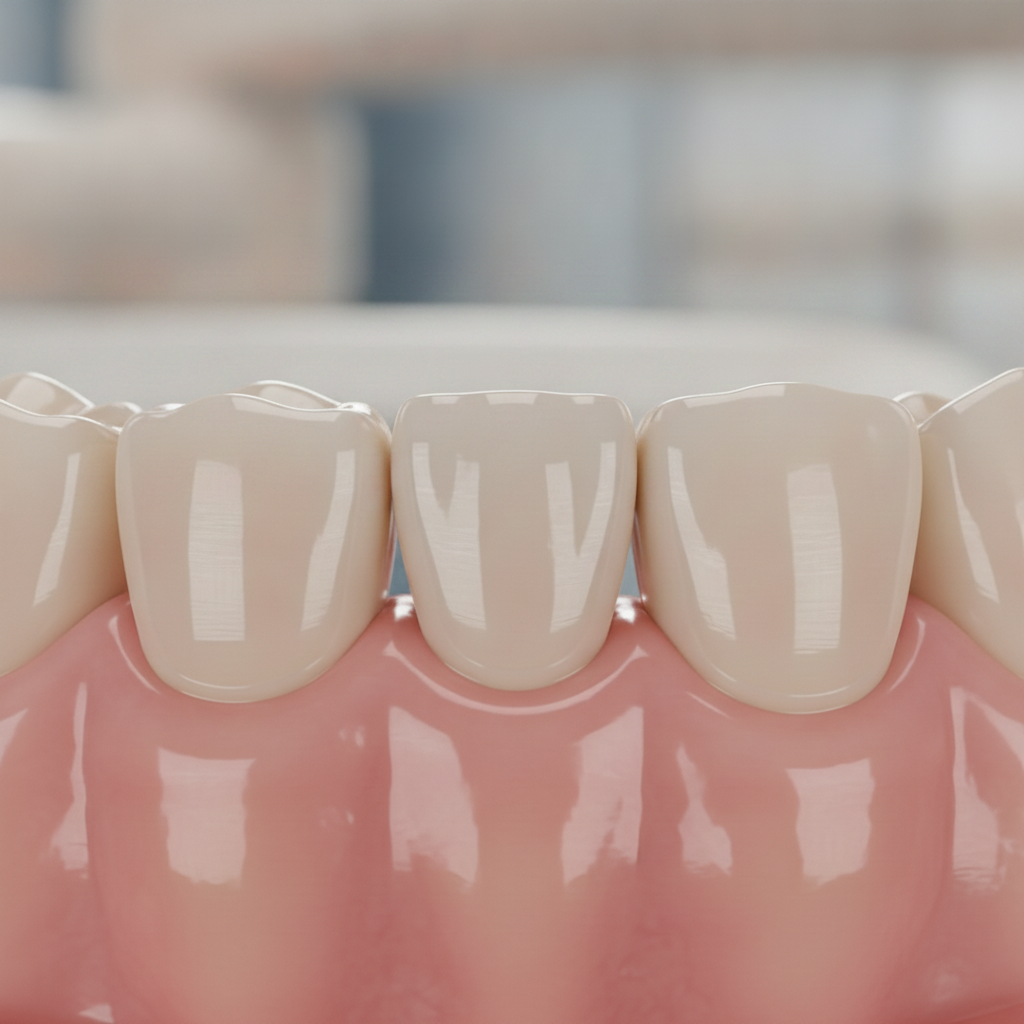
A dental bridge is a fixed prosthetic device used to bridge the gap created by one or more missing teeth. It consists of two or more crowns for the teeth on either side of the gap (abutment teeth) and a false tooth or teeth (pontics) in between. These abutment teeth are prepared and crowned, holding the pontics in place. Bridges are custom-made to match the natural color and shape of your existing teeth, restoring both function and aesthetics.
There are several types of dental bridges, each suited for different situations:
- Traditional Bridges: The most common type, involving crowns on adjacent natural teeth to support the pontic.
- Cantilever Bridges: Used when there are adjacent teeth on only one side of the missing tooth or teeth.
- Maryland Bonded Bridges (Resin-Bonded Bridges): These use a metal or porcelain framework bonded to the back of the adjacent teeth, rather than using full crowns.
- Implant-Supported Bridges: When more than one tooth is missing, dental implants can support the bridge instead of natural teeth. This is often considered the most durable and stable option.
The materials used for dental bridges significantly impact their durability, appearance, and cost. Common materials include:
- Porcelain Fused to Metal (PFM): Offers strength from the metal base and natural aesthetics from the porcelain overlay. Can sometimes show a dark line at the gum line over time.
- Full Ceramic/Porcelain: Provides excellent aesthetics, mimicking natural tooth translucency. Ideal for front teeth where appearance is paramount.
- Zirconia: A highly durable, biocompatible ceramic material known for its exceptional strength and natural look. It is often preferred for both front and back teeth due to its resilience and aesthetic qualities.
Factors Influencing Dental Bridge Cost in Turkey
The exact Dental Bridge Cost in Turkey can vary widely based on several critical factors. Understanding these elements will help prospective patients anticipate the overall expense and manage their budget effectively.
- Material Choice: As mentioned, the material plays a significant role. Zirconia bridges are typically more expensive than PFM or full porcelain bridges due to their superior strength, longevity, and aesthetic appeal.
- Number of Units/Pontics: A dental bridge is measured in units. Each crown on an abutment tooth is a unit, and each false tooth (pontic) is also a unit. A three-unit bridge (two crowns, one pontic) will cost less than a five-unit bridge.
- Clinic Location and Reputation: Dental clinics in major cities like Istanbul, Antalya, or Izmir might have slightly higher prices than those in smaller towns, reflecting higher operational costs. The reputation and experience of the dentist and the clinic’s facilities (e.g., state-of-the-art technology, accreditation) can also influence pricing.
- Additional Treatments: Before a bridge can be placed, underlying dental issues must be addressed. This might include:
- Tooth extractions
- Gum disease treatment
- Root canal treatment on abutment teeth
- Dental fillings
- Bone grafting (if opting for implant-supported bridges)
These preparatory procedures add to the overall cost.
- Diagnostic Procedures: X-rays, 3D CT scans, and initial consultations are necessary for proper diagnosis and treatment planning. While some clinics include these in a package, others may charge separately.
- Included Services: Many clinics in Turkey offer comprehensive packages for international patients, which might include airport transfers, accommodation, and even interpreter services. While these add value, they can also contribute to the total price.
Average Dental Bridge Costs in Turkey
When considering the cost of dental bridges, it’s essential to look at the value proposition. Turkey consistently offers more competitive prices than many Western countries without compromising on quality or using substandard materials. This is largely due to lower operating costs, labor expenses, and a robust dental tourism industry.
Here’s an illustrative breakdown of average costs per unit in Turkey, acknowledging that actual prices can vary:
| Bridge Material | Average Cost Per Unit in Turkey (USD) | Typical Bridge Structure (e.g., 3-unit) | Estimated Total for Typical Bridge (USD) |
|---|---|---|---|
| Porcelain Fused to Metal (PFM) | $100 – $200 | 2 Crowns + 1 Pontic | $300 – $600 |
| Full Ceramic / E-max | $150 – $250 | 2 Crowns + 1 Pontic | $450 – $750 |
| Zirconia | $200 – $350 | 2 Crowns + 1 Pontic | $600 – $1050 |
| Implant-Supported Bridge | Varies significantly (implants + units) | 2 Implants + 3 Unit Bridge | $2000 – $5000+ |
Note: These are estimated ranges and actual prices will depend on the clinic, specific materials, and complexity of the case. Costs for implant-supported bridges are highly variable as they involve the additional expense of dental implants. For more details on crown costs, which are components of bridges, you can refer to our guide on Dental Crown Cost in Turkey: Complete Guide.
These prices often contrast sharply with those in countries like the UK, USA, or Canada, where a single bridge can cost several thousand dollars. The savings in Turkey can be substantial, even when factoring in travel and accommodation expenses.
The Dental Bridge Procedure in Turkey: A Step-by-Step Guide
Getting a dental bridge in Turkey typically involves two to three visits over a period of a few days, depending on the complexity and the clinic’s schedule.
- Initial Consultation and Diagnosis: Your journey begins with a thorough examination, including X-rays and possibly 3D scans. The dentist will assess your oral health, discuss your goals, and determine if a dental bridge is the most suitable treatment. They will explain the different types of bridges and materials, helping you choose the best option.
- Tooth Preparation: During the first main appointment, the abutment teeth (the teeth on either side of the gap) are carefully reshaped. A small amount of enamel is removed to create space for the crowns, ensuring the bridge fits perfectly without looking bulky.
- Impressions and Temporary Bridge: After preparation, impressions of your teeth are taken. These impressions are sent to a dental lab where your custom bridge will be fabricated. While your permanent bridge is being made (which can take a few days), a temporary bridge is placed to protect your prepared teeth and maintain your aesthetics.
- Bridge Placement: Once your custom bridge arrives from the lab, you’ll return for your final fitting. The dentist will meticulously check the fit, bite, and color match. If everything is satisfactory, the bridge will be permanently cemented into place using a strong dental adhesive.
- Follow-up: Many clinics offer a follow-up check a day or two after placement to ensure comfort and address any minor adjustments. You will also receive detailed instructions on how to care for your new bridge.
Benefits and Considerations: Is a Dental Bridge in Turkey Worth It?
Deciding whether a dental bridge in Turkey is worth the investment involves weighing the benefits against the considerations.
Benefits of Dental Bridges:
- Restores Appearance: Fills gaps, restoring a complete, natural-looking smile.
- Improves Functionality: Allows for proper chewing and speaking, which can be impaired by missing teeth.
- Prevents Tooth Shifting: Keeps remaining teeth from drifting out of position, which can lead to bite problems and further tooth loss.
- Distributes Bite Forces: Helps distribute the forces of your bite properly by replacing missing teeth.
- Cost-Effective: Significantly more affordable in Turkey compared to many Western countries, making quality dental care accessible.
- Quick Turnaround: The entire process can often be completed within a single trip of 5-7 days, ideal for dental tourists.
Considerations:
- Irreversible Tooth Preparation: The natural teeth supporting the bridge must be prepared by removing enamel, which is a permanent alteration.
- Potential Stress on Abutment Teeth: The supporting teeth bear the load of the missing tooth, which can put them under increased stress.
- Maintenance: Bridges require diligent oral hygiene, including flossing specifically designed for bridges, to prevent decay under the crowns and gum disease.
- Longevity: With proper care, a dental bridge can last 5 to 15 years, or even longer, but they may eventually need to be replaced.
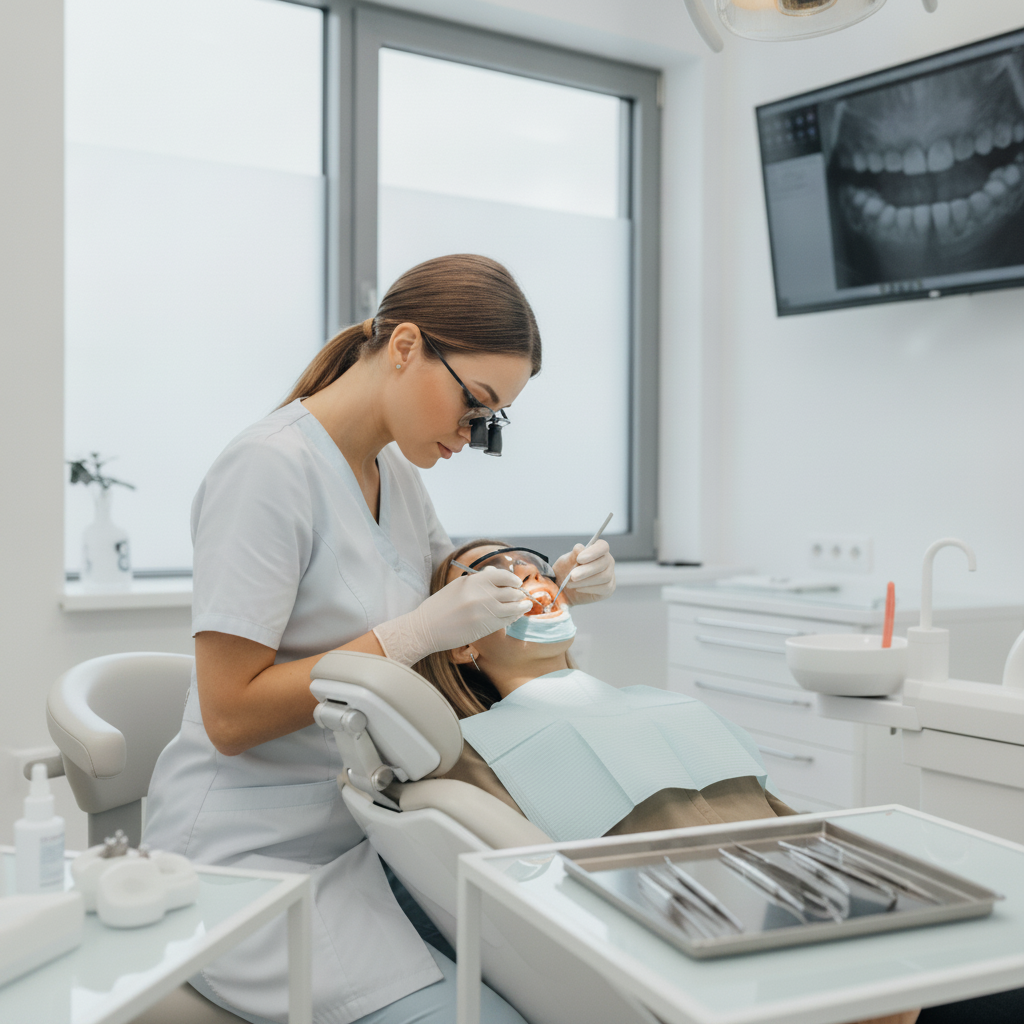
The quality of dental care in Turkey is generally high, with many clinics boasting internationally trained dentists, modern equipment, and adherence to international hygiene standards. For those seeking a balance of quality, affordability, and efficient treatment timelines, a dental bridge in Turkey often presents a compelling and worthwhile solution. The vibrant tourism aspect also allows patients to combine their treatment with a memorable travel experience. Making an informed decision based on your specific dental needs, budget, and desired outcomes will ensure that your investment in a dental bridge in Turkey brings lasting satisfaction.