Root Canal Treatment Turkey Cost Guide
Root Canal Treatment Turkey Cost Guide
Root canal treatment, also known as endodontic therapy, is a crucial dental procedure designed to save a tooth that is badly decayed or infected. When the pulp inside a tooth – consisting of nerves, blood vessels, and connective tissue – becomes inflamed or infected, it can cause severe pain and lead to abscess formation. Ignoring such an infection can result in the loss of the tooth and potentially spread the infection to other parts of the body. Turkey has emerged as a leading destination for dental tourism, attracting patients worldwide with its combination of high-quality healthcare, experienced professionals, and significantly more affordable prices compared to many Western countries. This comprehensive guide delves into the specifics of root canal treatment in Turkey, breaking down the costs, benefits, and what patients can expect from the procedure and the overall experience.
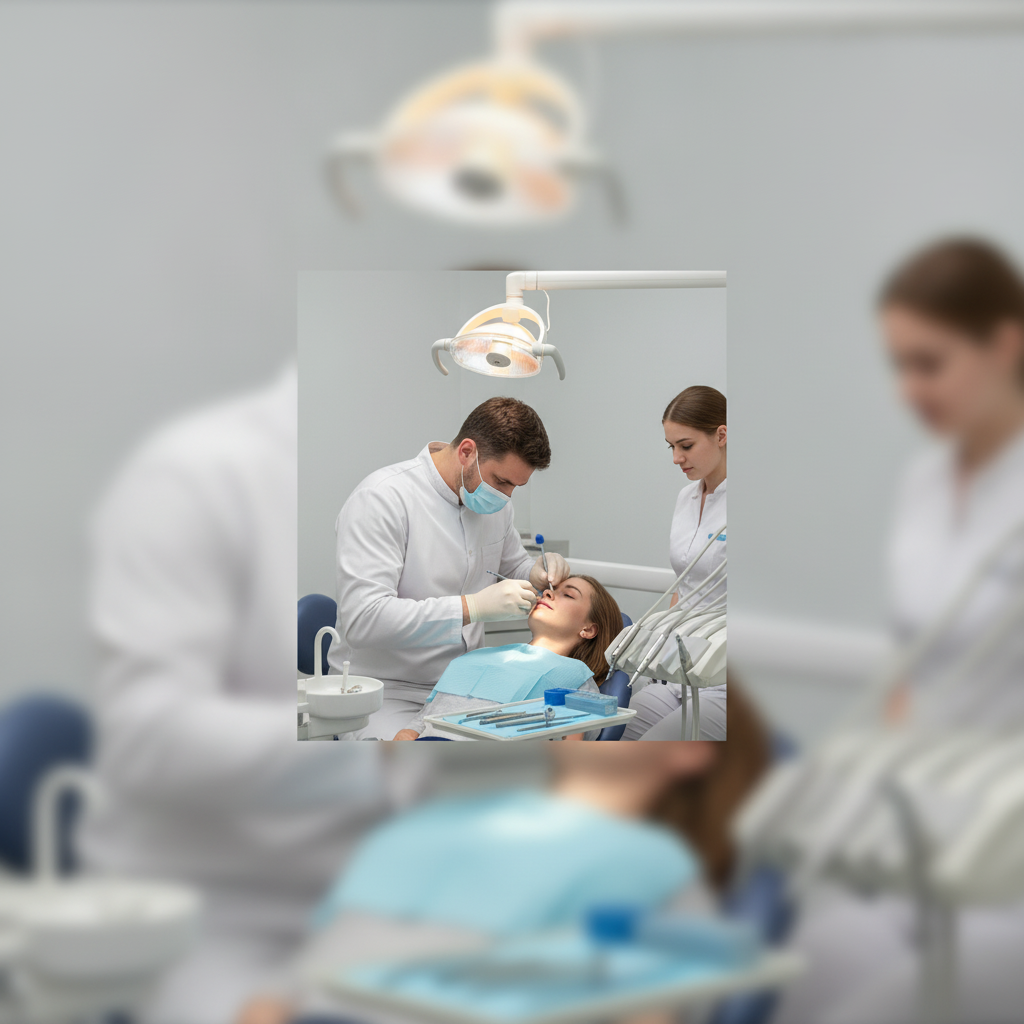
What is Root Canal Treatment?
Root canal treatment is a precise dental procedure aimed at removing infected or damaged pulp from inside a tooth, cleaning and disinfecting the inner chamber, and then filling and sealing it. The primary goal is to preserve the natural tooth structure, preventing extraction and maintaining the functionality of your bite. The tooth’s nerves are not essential for its function after it has emerged through the gums; their main role is sensory, providing the sensation of hot or cold. Once the tooth is fully developed, the surrounding tissues provide all the necessary nourishment.
Symptoms and Benefits of RCT
Patients typically require a root canal when they experience persistent tooth pain, sensitivity to hot and cold, tenderness to touch and chewing, tooth discoloration, or swelling in the gums around the affected tooth. Sometimes, an X-ray might reveal an infection even without noticeable symptoms. The benefits of undergoing root canal treatment are substantial: it alleviates pain, stops the spread of infection, saves the natural tooth, restores the tooth’s functionality, and prevents the need for more complex and costly procedures like dental implants or bridges in the future. Saving your natural tooth preserves your natural smile, allows you to continue eating the foods you love, and limits the need for ongoing dental work.
The Root Canal Procedure: A Detailed Overview
Understanding the steps involved in a root canal can help alleviate any anxieties about the treatment. Turkish dental clinics often utilize advanced technology and techniques to ensure efficiency and patient comfort throughout the process.
From Diagnosis to Final Restoration
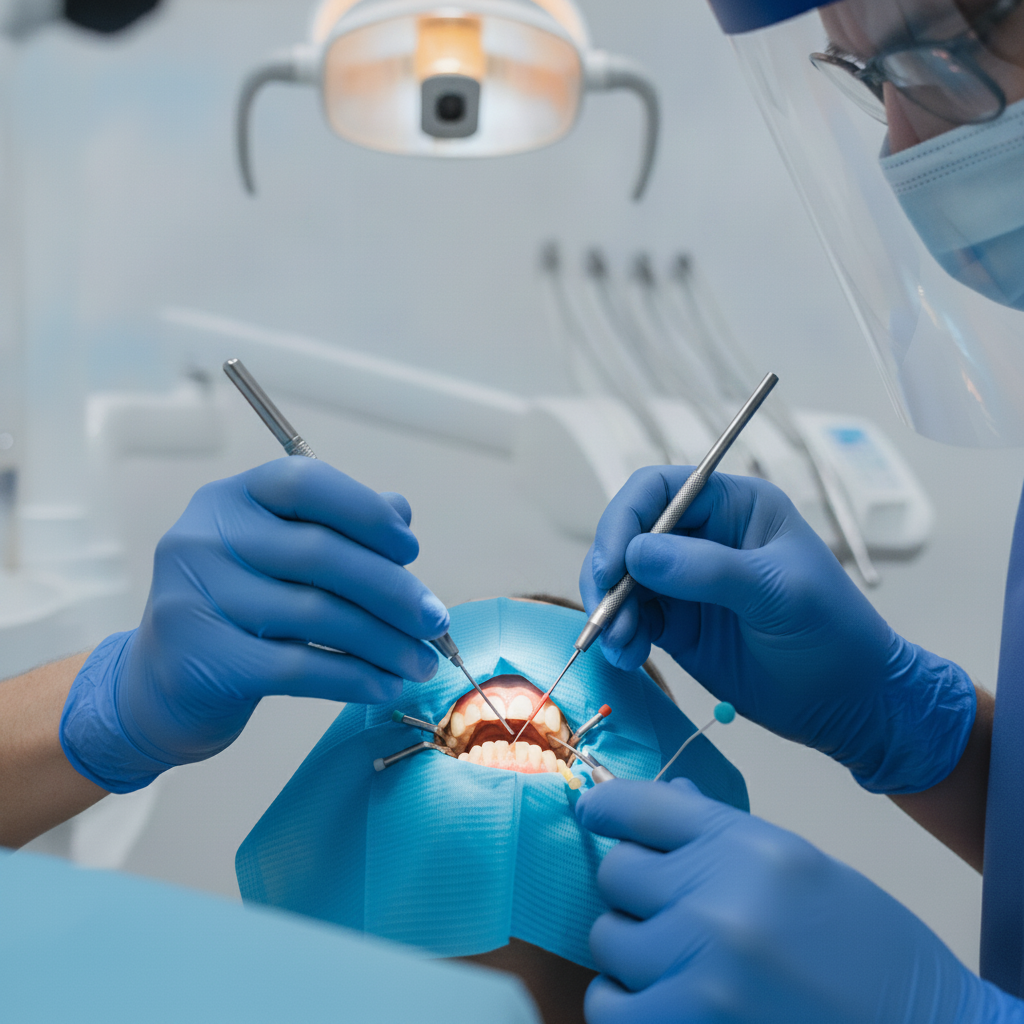
The procedure typically begins with a thorough diagnosis, which includes X-rays to assess the extent of the infection and the anatomy of the root canals. Local anesthesia is administered to numb the affected tooth and surrounding area, ensuring a pain-free experience. A rubber dam is then placed around the tooth to isolate it and keep it dry and free from saliva during the treatment. The dentist creates a small access opening on the top of the tooth (for molars and premolars) or behind it (for front teeth) to reach the pulp chamber. Tiny instruments are used to carefully remove the infected or damaged pulp, clean the root canals, and shape them for filling. The canals are then disinfected to eliminate any remaining bacteria. Once thoroughly cleaned and dried, the canals are filled with a biocompatible material, usually gutta-percha, and sealed with an adhesive cement to prevent re-infection. In most cases, a temporary filling is placed in the access opening. A permanent restoration, such as a dental crown or a permanent filling, is then applied to protect the treated tooth from future damage and restore its full function. This final step is crucial for the long-term success of the root canal. For a deeper understanding of various dental treatments, explore our information on dental procedures.
Understanding Root Canal Treatment Turkey Cost
One of the primary reasons patients choose Turkey for dental care is the significant cost savings without compromising on quality. The overall
Root Canal Treatment Turkey Cost
is influenced by several factors.
Factors Influencing the Price
The cost of a root canal in Turkey can vary depending on:
- Tooth Type: Front teeth (incisors and canines) typically have one root canal and are less expensive. Premolars usually have one or two, while molars can have two, three, or even four canals, making them the most complex and therefore more costly to treat.
- Complexity of the Case: Re-treatment of a previously failed root canal, or dealing with calcified or unusually curved canals, increases the time and expertise required, leading to higher costs.
- Additional Procedures: This includes the initial consultation, X-rays, local anesthesia, post-and-core buildup (if the tooth structure is severely compromised), and the final restoration (e.g., a dental crown, which is often recommended after a root canal to protect the weakened tooth).
- Clinic Location and Reputation: Clinics in major cities like Istanbul or Antalya, especially those with a strong international reputation, might have slightly higher prices than those in smaller towns, but still significantly less than Western countries.
- Dentist’s Experience and Specialization: Endodontists (specialists in root canal treatment) might charge more than general dentists, though general dentists in Turkey are highly skilled in performing root canals.
- Technology Used: Clinics employing advanced technologies such as dental microscopes, digital radiography, and apex locators may factor these into the cost.
Cost Comparison and Typical Ranges
Compared to countries like the UK, USA, Canada, or Australia, root canal treatment in Turkey can be 50-70% cheaper. While exact prices vary, a typical range for a single root canal in Turkey might be:
| Tooth Type | Estimated Cost in Turkey (EUR/USD) | Estimated Cost in Western Europe/USA (EUR/USD) |
|---|---|---|
| Incisor/Canine (Front Tooth) | €80 – €150 / $90 – $170 | €400 – €800 / $450 – $900 |
| Premolar (Mid Tooth) | €100 – €200 / $110 – $220 | €500 – €1000 / $550 – $1100 |
| Molar (Back Tooth) | €150 – €300 / $170 – $340 | €700 – €1500 / $800 – $1700 |
| Root Canal Retreatment (Complex) | €200 – €400+ / $220 – $450+ | €900 – €2000+ / $1000 – $2200+ |
| Dental Crown (Additional, post-RCT) | €150 – €400 / $170 – $450 | €500 – €1500 / $550 – €1700 |
Please note: These are estimated ranges and actual prices may vary based on the clinic, specific case complexity, and material choices for the final restoration. Travel and accommodation costs are separate.
Advantages of Undergoing Root Canal Treatment in Turkey
Turkey’s reputation as a dental tourism hub is built on a foundation of quality, affordability, and a holistic patient experience.
Quality, Affordability, and the Patient Experience
Turkish dental clinics adhere to international standards of hygiene and treatment protocols. Many dentists are highly educated, often having trained in Europe or the US, and boast extensive experience in treating international patients. The lower operational costs in Turkey, combined with government support for medical tourism, allow clinics to offer premium services at a fraction of the price found elsewhere. Furthermore, dental tourism packages often include airport transfers, accommodation assistance, and interpreter services, making the entire journey seamless and stress-free for international patients. While receiving essential dental care, patients can also enjoy the rich cultural heritage and beautiful landscapes Turkey offers, transforming a medical trip into a memorable vacation.
Aftercare and Long-Term Success of Your Root Canal
Proper aftercare is crucial for the successful recovery and longevity of your treated tooth.
Post-Procedure Care and Maintenance
Immediately after the procedure, it’s normal to experience some mild discomfort or sensitivity, which can be managed with over-the-counter pain relievers. You should avoid chewing on the treated tooth until the permanent restoration (filling or crown) is placed. Good oral hygiene, including regular brushing, flossing, and antiseptic mouthwash rinses, is essential to prevent future decay or gum disease. Regular dental check-ups and professional cleanings are also vital for monitoring the health of your treated tooth and overall oral health. With proper care, a tooth treated with a root canal can last a lifetime. Root canal treatment has a high success rate, typically above 95%, making it a highly effective way to preserve a natural tooth. For more scientific details on endodontic treatment, you can refer to authoritative sources such as Wikipedia on Root Canal Treatment.
Making an informed decision about your root canal treatment involves weighing the quality of care, the cost, and the convenience. Turkey offers a compelling proposition for those seeking high-standard dental care at an accessible price point, ensuring that saving your natural tooth is both an effective and economically viable option.