Are Turkish Dentists Qualified? Full Guide
Are Turkish Dentists Qualified? Full Guide
The increasing popularity of Turkey as a destination for medical tourism, particularly in the field of dentistry, often leads prospective patients to ask a fundamental question: “Are Turkish dentists qualified?” This query is entirely valid and deserves a comprehensive, evidence-based answer. Concerns about international qualifications, educational standards, and regulatory oversight are natural when considering medical procedures abroad. This guide aims to thoroughly address these concerns, providing detailed insights into the rigorous training, strict regulations, and high standards that characterize the dental profession in Turkey, positioning the country as a leading hub for quality dental care.
Are Turkish Dentists Qualified: A Look at Education and Training
The journey to becoming a qualified dentist in Turkey is a demanding and extensive one, designed to produce highly competent professionals. It begins with a rigorous university entrance examination, which is highly competitive, ensuring that only the most capable students are admitted to dental faculties. This initial screening sets a high academic bar for entry into the profession.
Once admitted, dental students embark on a comprehensive five-year undergraduate program. This curriculum is structured to provide a deep understanding of basic medical sciences, oral anatomy, physiology, pathology, pharmacology, and clinical dentistry. The initial years focus heavily on theoretical knowledge, supplemented by laboratory work and simulations. Students learn about diagnostic techniques, treatment planning, and the foundational principles of various dental specialties.
As students progress, the emphasis shifts significantly towards practical, hands-on training. They gain extensive clinical experience, working directly with patients under the close supervision of experienced faculty members. This includes rotations in various departments such as restorative dentistry, endodontics, periodontology, oral and maxillofacial surgery, prosthodontics, orthodontics, and pediatric dentistry. This practical exposure ensures that graduates are well-versed in a wide array of dental procedures, from routine check-ups and fillings to complex surgical interventions and advanced restorative work.
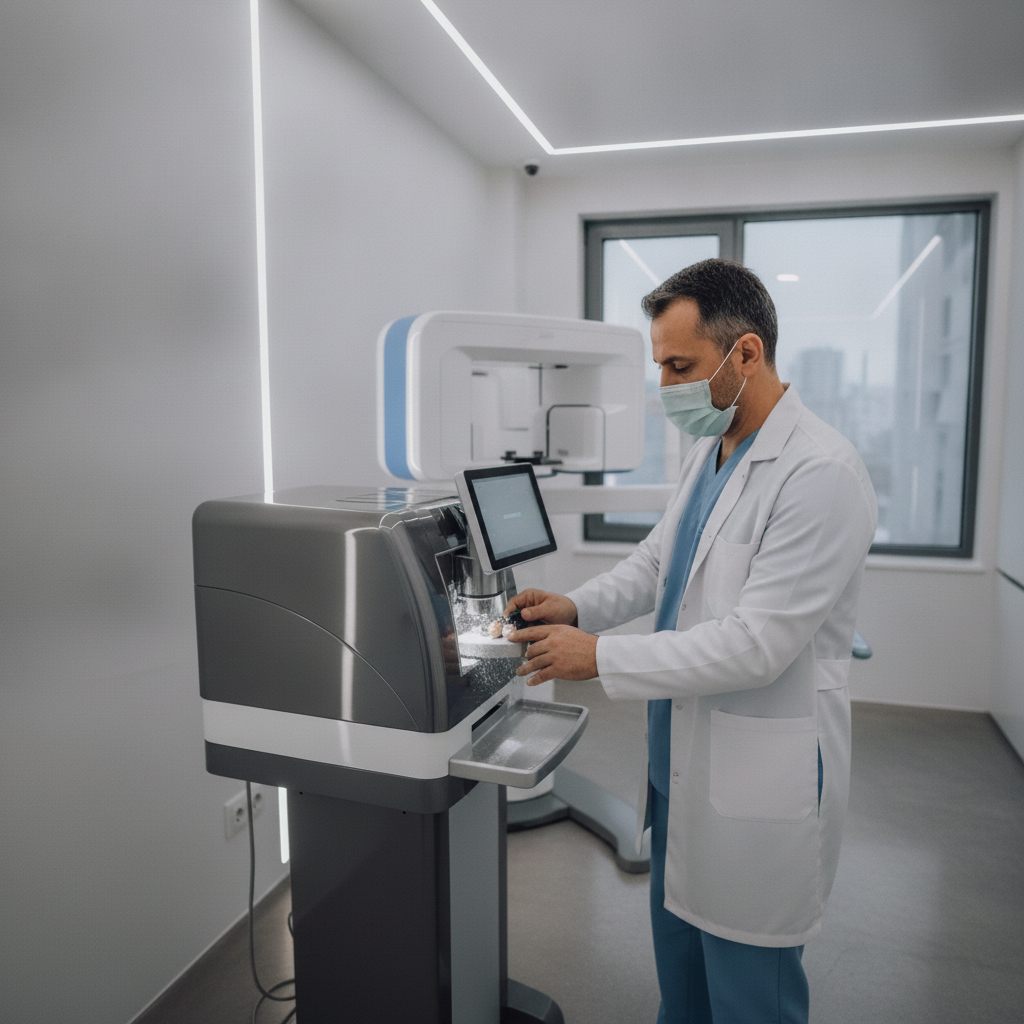
The Turkish dental education system is recognized for its adherence to European and international academic standards. Many dental faculties in Turkey are equipped with state-of-the-art facilities, including modern simulation labs, advanced imaging technologies, and fully functional dental clinics, providing an optimal learning environment.
| Stage | Duration | Focus |
|---|---|---|
| University Entrance Exam | N/A (Highly Competitive) | Academic aptitude, science proficiency |
| Undergraduate Dental Program | 5 Years | Theoretical knowledge, basic medical sciences, preclinical training |
| Clinical Rotations & Practical Training | Integrated within 5 years (intensive in later years) | Hands-on patient care, supervised procedures across specialties |
| Graduation & Licensing | Upon successful completion of program | Award of DDS/DMD degree, eligibility for Ministry of Health registration |
| Specialization (Optional) | 3-6 Years (post-graduation) | Advanced training in specific fields (e.g., Orthodontics, Oral Surgery) |
Licensing, Regulation, and Continuous Professional Development
After successfully completing their five-year degree, prospective dentists in Turkey must meet strict licensing requirements set by the Turkish Ministry of Health. This involves registering with the Ministry and often with the Turkish Dental Association (TDB), which is the primary professional body overseeing dental practice in the country. The TDB plays a crucial role in upholding ethical standards, monitoring professional conduct, and advocating for the dental profession.
Turkish dentists, like their counterparts in many developed nations, are mandated to engage in continuous professional development (CPD). This involves regularly attending seminars, workshops, conferences, and advanced training courses to stay abreast of the latest advancements, techniques, and technologies in dentistry. This commitment to lifelong learning ensures that Turkish dentists continuously enhance their skills and knowledge, integrating new scientific discoveries and clinical best practices into their work.
Adherence to International Quality Standards
One of the cornerstones of quality dental care in Turkey is the strict adherence to international quality and safety standards. Dental clinics and hospitals in Turkey are regularly inspected by the Ministry of Health to ensure compliance with stringent hygiene protocols, sterilization procedures, and patient safety guidelines. This regulatory oversight helps maintain a high level of environmental safety and infection control, comparable to leading dental facilities worldwide.
Furthermore, many dental clinics in Turkey utilize materials and equipment from globally recognized manufacturers. This includes dental implants from reputable European and American brands, high-quality ceramic and composite materials for restorations, and advanced diagnostic tools. This commitment to using premium-grade products ensures durability, efficacy, and aesthetic outcomes that meet international benchmarks. The infrastructure of these clinics is often modern, featuring digitally integrated systems for diagnostics, treatment planning, and patient record management.
Advanced Technology and Modern Facilities
Turkey’s dental sector has invested heavily in modern technology, which contributes significantly to the quality and efficiency of treatments. Many clinics boast state-of-the-art equipment such as:
- 3D Cone Beam Computed Tomography (CBCT): Provides detailed 3D images for precise diagnosis and treatment planning, especially for implants and complex surgical cases.
- CAD/CAM Technology: Computer-aided design and manufacturing systems allow for the rapid and precise creation of crowns, veneers, and bridges, often within a single visit.
- Laser Dentistry: Used for various procedures, including gum treatments, cavity preparation, and teeth whitening, offering minimally invasive options and faster healing.
- Digital Scanners: Eliminate the need for traditional, uncomfortable impressions, providing accurate digital models of teeth and gums.
These technological advancements not only enhance the accuracy and success rates of treatments but also improve the overall patient experience by making procedures more comfortable and less time-consuming.
The Role of Experience: High Patient Volume
Turkey’s status as a major dental tourism destination means that many dentists and clinics handle a significantly high volume of patients, both local and international. This constant influx of diverse cases provides Turkish dentists with extensive practical experience across a broad spectrum of dental procedures. High volume translates into refined skills, quicker diagnostic abilities, and enhanced proficiency in executing complex treatments. Dentists who regularly perform specific procedures, such as dental implants or smile makeovers, develop a high level of expertise that might be harder to attain in environments with lower patient numbers. This hands-on experience is invaluable for developing clinical acumen and ensuring predictable, successful outcomes.
Addressing Misconceptions: Value vs. Cost
One of the primary reasons for questioning the qualifications of Turkish dentists often stems from the comparatively lower cost of dental treatments in the country. It is a common misconception that lower prices equate to lower quality or less qualified practitioners. However, this is largely inaccurate. The affordability of dental care in Turkey can be attributed to several economic factors, including:
- Lower Operating Costs: Rent, utilities, and labor costs are generally lower in Turkey compared to Western European countries or the United States.
- Favorable Exchange Rates: The exchange rate between the Turkish Lira and major foreign currencies often makes treatments more affordable for international patients.
- Government Support for Medical Tourism: The Turkish government actively supports and promotes medical tourism, leading to competitive pricing structures.
These economic advantages allow clinics to offer competitive prices without compromising on the quality of care, the qualifications of their dentists, or the materials used. Indeed, many Turkish dental professionals hold international accreditations and have trained in leading institutions worldwide, ensuring their expertise is globally recognized. For those considering dental treatment abroad, it’s essential to understand that Turkey offers an excellent balance of high-quality care and cost-effectiveness, making it a compelling choice for many. You can learn more about the safety aspects of receiving care in the region by visiting our page on Is It Safe to Get Dental Work in Turkey?
Ensuring Your Dental Care is Top-Tier
While Turkish dentists are, as a whole, highly qualified, it is always prudent for prospective patients to conduct their own due diligence, regardless of the country. Here are some steps to ensure you receive care from a reputable and skilled practitioner:
- Verify Credentials: Ask for information about the dentist’s education, specialization, and professional affiliations. Many dentists proudly display their qualifications.
- Clinic Accreditations: Inquire about any international or national accreditations held by the clinic itself, which can be an indicator of adherence to high standards.
- Patient Reviews and Testimonials: Research online reviews and patient testimonials to gauge the experiences of previous international patients.
- Consultation: Utilize initial consultations, often offered remotely, to discuss your treatment plan, ask questions, and assess the dentist’s communication style and expertise.
- Transparency: Ensure the clinic provides a clear breakdown of costs, treatment stages, and potential outcomes before you commit.
These steps empower patients to make informed decisions and connect with dental professionals who best meet their specific needs and expectations. The structured and regulated environment of Turkish dentistry, coupled with its focus on modern practices, makes it a reliable choice. For a broader understanding of global dental education standards, consider consulting resources like Wikipedia’s overview of Dental Education.
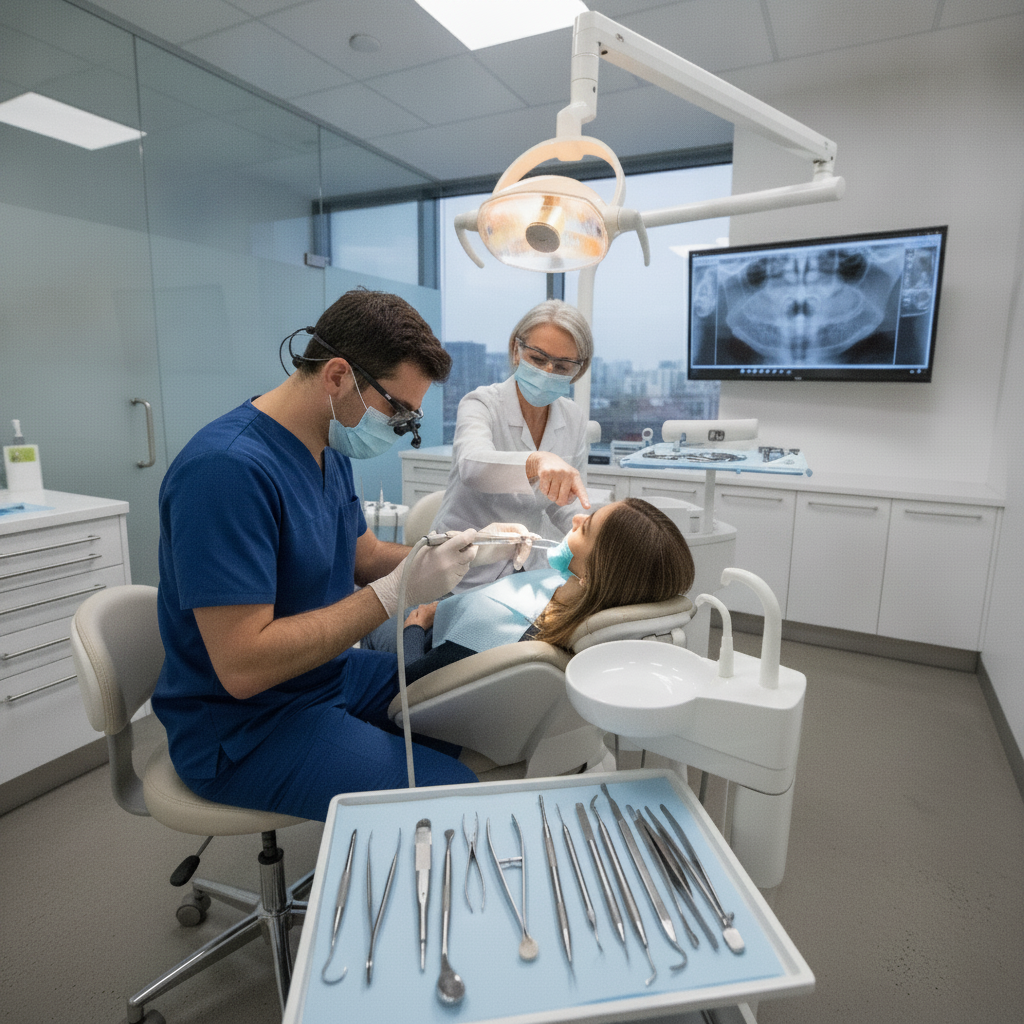
In conclusion, the answer to “Are Turkish dentists qualified?” is a resounding yes. The dental profession in Turkey is underpinned by a rigorous educational system, strict licensing and regulatory frameworks, and a commitment to continuous professional development. Turkish dental professionals are well-trained, experienced, and operate within modern, technologically advanced clinics that adhere to international quality and safety standards. Patients seeking high-quality, affordable dental care can confidently consider Turkey as a premier destination, knowing that they will be in the hands of competent and skilled practitioners.