Why Dental Implants Are Cheaper in Turkey
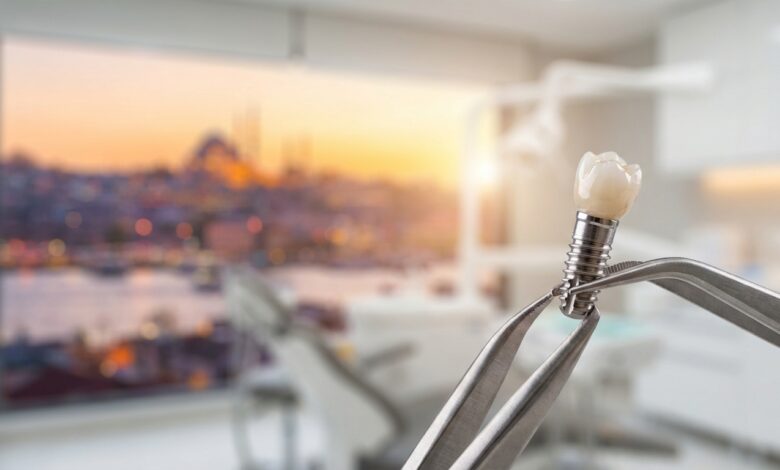
Why Dental Implants Are Cheaper in Turkey is a question on the minds of thousands seeking high-quality, affordable solutions for missing teeth. The global rise of dental tourism has positioned Turkey as a premier destination, not merely for its competitive pricing but for its fusion of advanced technology, experienced specialists, and world-class clinical standards. The significant price difference compared to countries in North America and Western Europe often leads to skepticism, but a closer look reveals that the affordability is rooted in economic structures and strategic advantages, not a compromise on the quality of care or materials. Understanding these factors is key to appreciating the exceptional value that Turkish dental clinics provide to international patients.
The journey to restoring a perfect smile with dental implants involves a significant investment. However, this investment doesn’t have to be prohibitive. The economic landscape of Turkey, combined with a highly developed healthcare sector, creates a unique environment where excellence in dentistry is accessible. This is a result of a calculated blend of lower operational overheads, favorable currency exchange rates, and strong government support for the medical tourism industry.
The Economic Foundation of Affordable Dental Care
The primary driver behind the lower cost of dental implants in Turkey is the country’s overall economic structure. This has a direct and profound impact on the operational expenses of any business, including sophisticated dental clinics. For international patients, particularly those coming from countries with stronger currencies like the US Dollar, Euro, or British Pound, the exchange rate offers immediate and substantial savings. A procedure quoted in Turkish Lira, or even in a foreign currency, is priced based on local economic realities, which are vastly different from those in, for example, London or New York.
Furthermore, the cost of living in Turkey is significantly lower. This translates directly into reduced overheads for clinics. Expenses such as clinic rental in prime city locations, utility bills, and administrative costs are a fraction of what they would be in Western nations. These savings are not trivial; they form a major part of a clinic’s budget. By minimizing these foundational expenses, clinics can pass on the savings to their patients without ever touching the budget allocated for crucial elements like technology, materials, or the salaries of their highly skilled dental professionals. It is a model built on economic efficiency, allowing for the delivery of premium services at a price point that is fair and competitive on a global scale.
Salaries and Labor Costs
Another critical component is the difference in professional salaries. Dentists, oral surgeons, and dental technicians in Turkey are highly educated and skilled, often with international training and accreditations. However, their salary expectations are aligned with the national economy and cost of living. While they earn a very competitive local wage that affords them a high quality of life, these figures are lower when converted to stronger foreign currencies. This is not an indicator of lesser skill but a reflection of a different economic scale. This allows clinics to employ top-tier talent without incurring the enormous labor costs seen in the United States or the United Kingdom, a major factor that inflates the price of dental procedures in those regions.
Government Support for Health Tourism
The Turkish government actively promotes the country as a leading destination for medical and dental tourism. This support comes in various forms, including tax incentives for clinics that serve a significant number of international patients, subsidies for acquiring the latest medical technology, and global marketing campaigns that build the “Brand Turkey” reputation in healthcare. This governmental backing reduces the financial burden on private clinics, empowering them to invest in infrastructure and talent while keeping their prices competitive. This strategic partnership between the public and private sectors has been instrumental in creating the high-quality, cost-effective dental industry that exists today.
Why Dental Implants Are Cheaper in Turkey: A Cost Breakdown
To truly appreciate the value, it’s helpful to see a direct comparison of the cost components. A single dental implant procedure involves multiple elements, each with its own price tag. In many Western countries, each of these components is priced at a premium. In Turkey, while the quality remains the same, the cost of each element is significantly reduced due to the economic factors previously discussed. This meticulous control over costs at every stage of the process results in a final price that is dramatically lower for the patient.
The table below offers a generalized breakdown, illustrating how savings accumulate across the different stages of the implant procedure when comparing Turkey to a high-cost country like the USA.
| Cost Component | Estimated Cost in Turkey (USD) | Estimated Cost in USA (USD) |
|---|---|---|
| Implant Fixture (Titanium Screw) | $300 – $600 | $1,500 – $3,000 |
| Abutment & Crown | $200 – $500 | $1,000 – $3,000 |
| Surgical & Professional Fees | $200 – $400 | $1,500 – $4,000 |
| Diagnostics (X-Rays, CBCT Scan) | $50 – $150 | $350 – $1,000 |
| Total Estimated Cost (Per Implant) | $750 – $1,650 | $4,350 – $11,000 |
This stark contrast highlights the comprehensive nature of the savings. The dental implant cost in the USA is inflated at every level, from materials to professional fees, reflecting a higher-cost economy. In Turkey, the entire supply and service chain is more economical, leading to a much more accessible final price for the patient.
Quality and Technology Are Not Compromised
The most important takeaway for any prospective patient is that affordability does not equate to a lower standard of care. Reputable Turkish dental clinics are built on a foundation of quality and are equipped with technology that is often on par with, or even superior to, clinics in other parts of the world.
State-of-the-Art Clinical Environment
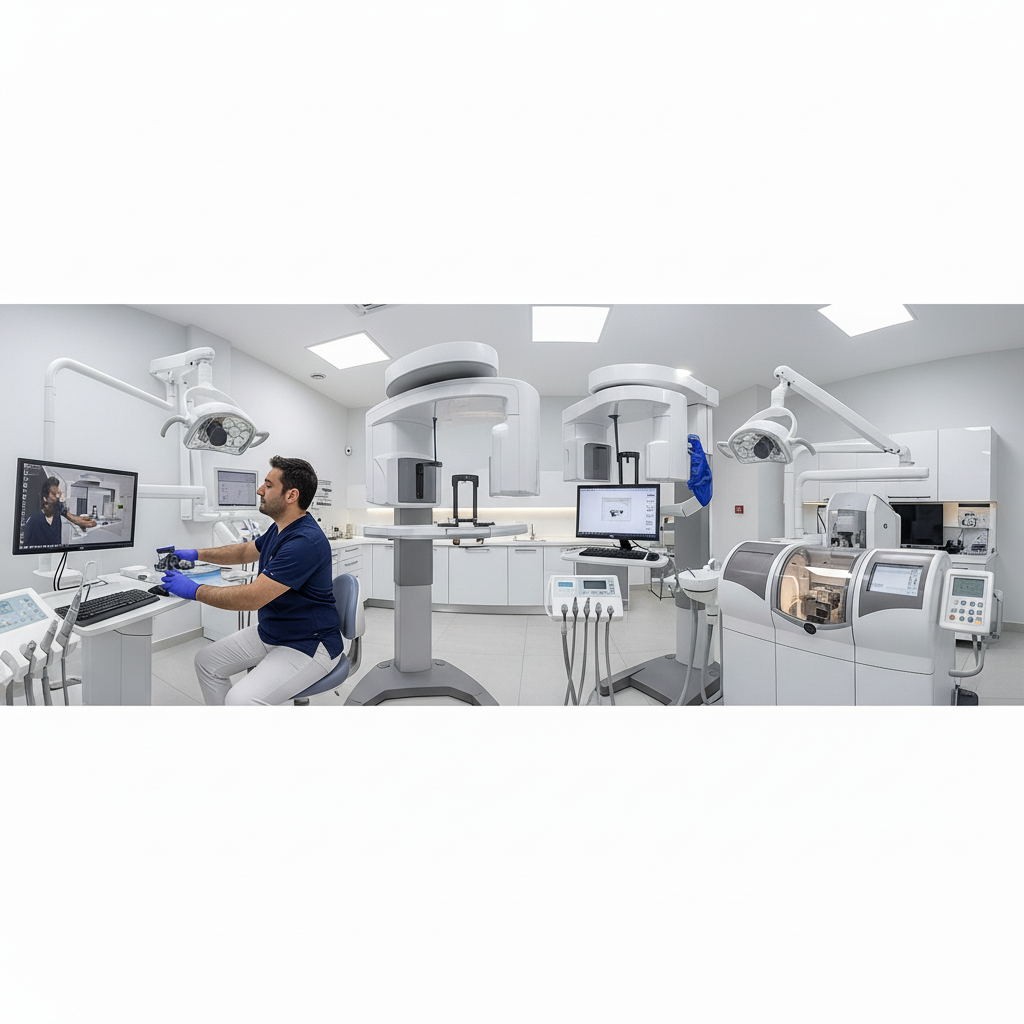
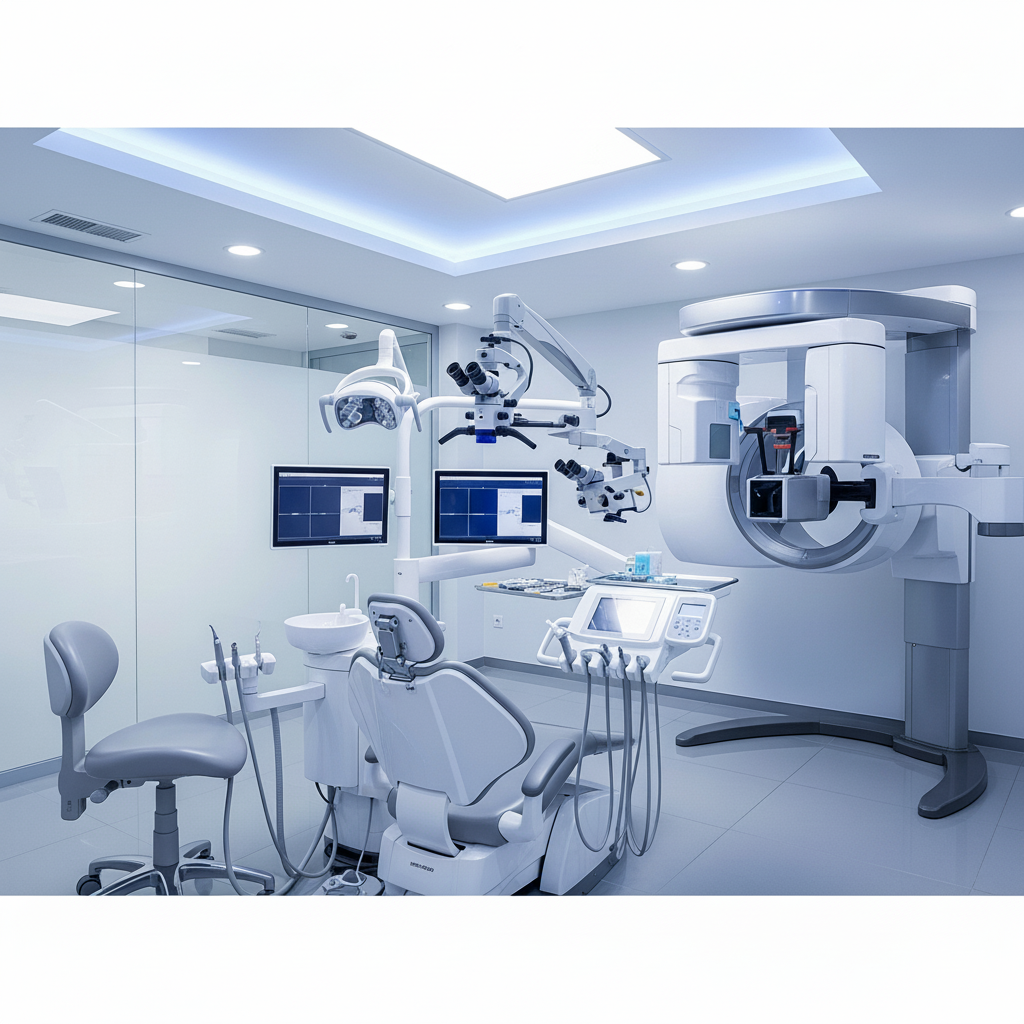
Leading clinics in Istanbul and other major Turkish cities have invested heavily in creating modern, sterile, and technologically advanced facilities. The use of Cone Beam Computed Tomography (CBCT) for precise 3D imaging, CAD/CAM systems for in-house milling of crowns, and digital smile design software are standard practice. This technology not only improves the accuracy and success rate of implant procedures but also enhances the patient’s comfort and reduces the overall treatment time.
Use of Globally Recognized Implant Brands
Top Turkish oral surgeons use the exact same high-quality implant brands that are trusted by dentists worldwide. Brands like Straumann, Nobel Biocare, and an increasing number of high-grade, certified local brands are readily available. These implants are typically made from biocompatible titanium, a material proven to integrate effectively with bone tissue in a process known as osseointegration. The long-term success of a dental implant is heavily dependent on the quality of the implant fixture itself. As confirmed by extensive research, the surface characteristics and material purity of titanium implants are critical for stable, long-lasting results, and Turkish clinics prioritize using materials that meet these high standards. This commitment to using premium, globally-certified dental implant systems ensures that patients receive a product designed for longevity and optimal function.
The All-Inclusive Service Model
Many Turkish clinics catering to international patients offer comprehensive packages that further enhance the value proposition. These packages often include not only the dental procedure but also luxury accommodation, private airport and clinic transfers, and dedicated translation services. This creates a seamless, stress-free experience for the patient. By bundling these services, clinics can negotiate better rates with hotels and transport providers, creating an all-inclusive price that is still significantly lower than the cost of the dental procedure alone in many other countries. It is a patient-centric approach that prioritizes comfort, convenience, and transparent pricing from start to finish.