Dental Bridges vs Implants in Turkey
Missing teeth can significantly impact not only your smile and self-confidence but also your oral health and ability to chew properly. Fortunately, modern dentistry offers highly effective solutions to restore your smile and functionality. In Turkey, dental tourism has flourished, providing access to world-class dental treatments at competitive prices. Among the most popular and effective solutions for replacing missing teeth are dental bridges and dental implants. While both serve the same fundamental purpose – filling the gap left by a missing tooth or teeth – they differ significantly in their approach, benefits, longevity, and overall impact on oral health. Understanding these distinctions is crucial for making an informed decision that best suits your individual needs and circumstances.
Dental Bridges vs Implants in Turkey
Understanding Dental Implants in Turkey
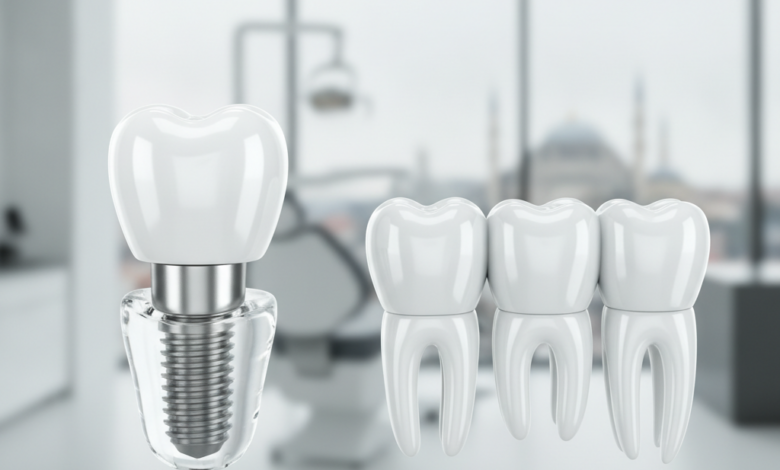
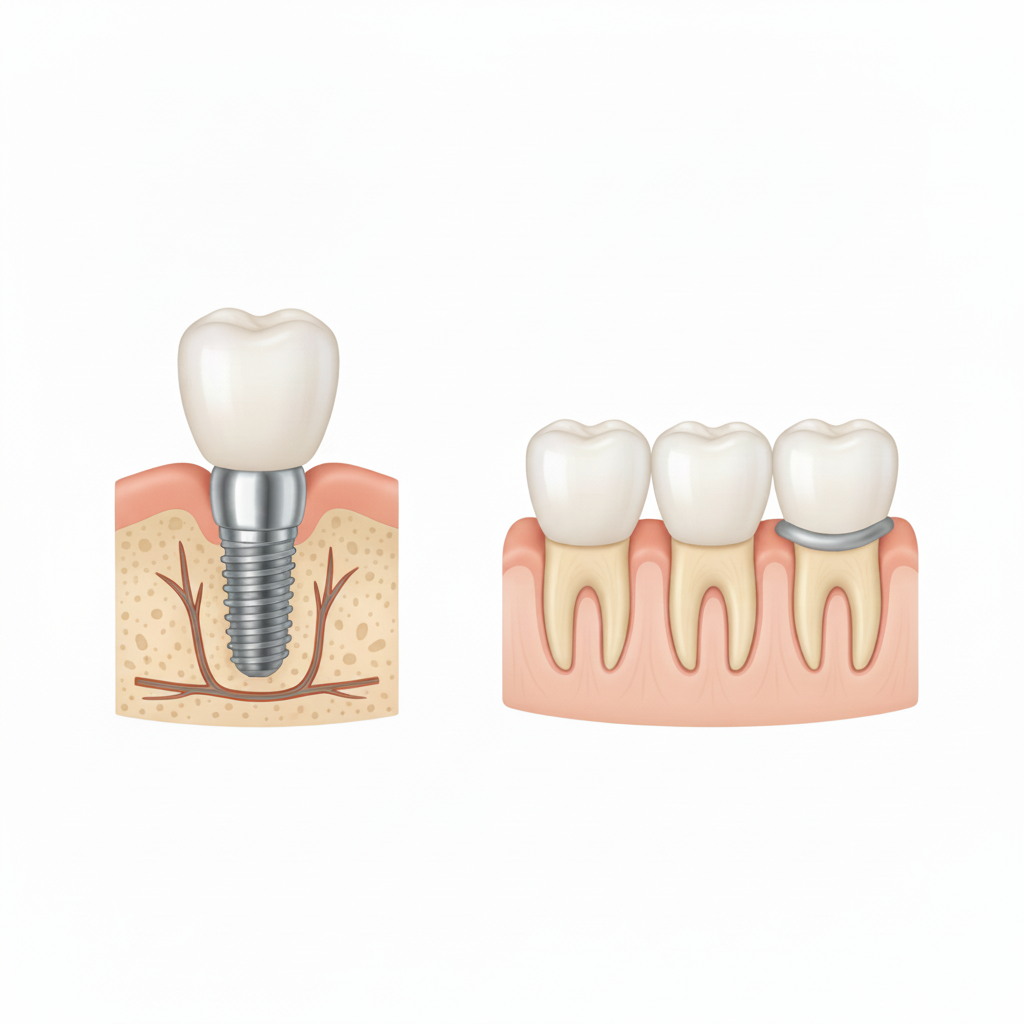
Dental implants represent the most advanced and durable solution for tooth replacement available today. An implant is essentially an artificial tooth root, typically made of biocompatible titanium, which is surgically placed into the jawbone beneath the gum line. This titanium post fuses with the bone over several months in a process called osseointegration, providing a strong and stable foundation for a replacement tooth. Once the implant has fully integrated, an abutment (a small connector post) is attached, onto which a custom-made crown is then fitted. The result is a highly natural-looking and feeling tooth that functions just like a natural one.
The procedure for dental implants usually involves several stages. The initial stage includes a comprehensive examination, often with 3D imaging, to assess bone density and plan the implant placement precisely. The first surgical phase involves placing the titanium post into the jawbone. Following this, a healing period of 3 to 6 months is typically required for osseointegration to occur. During this time, patients may wear a temporary prosthetic. Once the implant is fully integrated, a second minor procedure may be performed to attach the abutment. Finally, custom dental crowns, designed to match the shape, size, and color of your natural teeth, are fabricated and securely placed. Turkey has become a prime destination for dental implant procedures due to its highly skilled dentists, state-of-the-art clinics, and significantly lower costs compared to many Western countries, without compromising on quality.
The benefits of dental implants are numerous. They are known for their exceptional longevity, often lasting a lifetime with proper care. Unlike bridges, implants do not require altering adjacent healthy teeth. They also help preserve jawbone health by stimulating the bone, preventing the bone loss that typically occurs after a tooth is lost. This contributes to maintaining facial structure and preventing a “sunk-in” appearance. Furthermore, implants offer superior stability, allowing patients to eat, speak, and smile with confidence.
Understanding Dental Bridges in Turkey
Dental bridges, as the name suggests, “bridge” the gap created by one or more missing teeth. A traditional dental bridge consists of one or more prosthetic teeth (pontics) held in place by dental crowns that are cemented onto the natural teeth adjacent to the gap. These adjacent teeth, called abutment teeth, must be healthy and strong enough to support the bridge. The most common materials for bridges include porcelain fused to metal, zirconia, or all-ceramic, chosen for their durability and aesthetic appeal.
The process for getting a dental bridge usually involves two visits. During the first visit, the dentist prepares the abutment teeth by reshaping them to make room for the crowns. Impressions of your teeth are then taken and sent to a dental laboratory, where your custom bridge will be fabricated. A temporary bridge may be placed to protect the prepared teeth while your permanent bridge is being made. In the second visit, typically a week or two later, the permanent bridge is carefully fitted, adjusted, and then permanently cemented onto the prepared abutment teeth. Turkey offers a streamlined and efficient process for dental bridge fabrication and placement, allowing patients to achieve a restored smile quickly.
There are several types of dental bridges. A traditional bridge is the most common, involving crowns on either side of the missing tooth. Cantilever bridges are used when there are only natural teeth on one side of the gap, requiring only one abutment tooth. Maryland bonded bridges, or resin-bonded bridges, are a more conservative option, using a metal or porcelain framework bonded to the back of the adjacent teeth without extensive preparation. Each type has specific indications based on the patient’s oral health and the location of the missing tooth. While bridges are a quicker solution than implants and are less invasive, they do require the alteration of healthy adjacent teeth, which can sometimes compromise their long-term health.
Dental Bridges vs Implants in Turkey: A Detailed Comparison
When considering tooth replacement options in Turkey, comparing dental bridges and implants on several key criteria is essential. Both are excellent solutions, but their differences often make one a more suitable choice than the other depending on individual patient needs, oral health status, budget, and desired outcome.
| Feature | Dental Implants | Dental Bridges |
|---|---|---|
| Mechanism | Surgically placed titanium post (artificial root) fused with jawbone, topped with a crown. Independent tooth replacement. | Prosthetic tooth (pontic) held in place by crowns cemented onto adjacent natural teeth. |
| Impact on Adjacent Teeth | No impact; adjacent teeth remain untouched and healthy. | Requires preparation (shaping) of adjacent healthy teeth to support the crowns. |
| Bone Health Preservation | Stimulates the jawbone, preventing bone loss and maintaining facial structure. | Does not stimulate the jawbone; bone loss underneath the pontic may occur over time. |
| Longevity | Can last a lifetime with proper care (often 25+ years). | Typically lasts 5-15 years, requiring replacement due to wear or issues with abutment teeth. |
| Procedure Time | Longer overall process (3-9 months), involving surgical placement, healing (osseointegration), and crown placement. | Quicker process (usually 2 visits over 1-3 weeks), involving tooth preparation and bridge placement. |
| Aesthetics | Excellent, highly natural look and feel, functions like a natural tooth. | Good, but sometimes pontic can appear slightly different from natural teeth. |
| Maintenance | Easy to clean, similar to natural teeth (brushing, flossing). | Requires special cleaning techniques (e.g., floss threaders) to clean underneath the pontic. |
| Cost in Turkey (General) | Higher initial investment, but lower long-term cost due to longevity. | Lower initial investment, but higher long-term cost due to need for replacement. |
| Suitability | Ideal for single or multiple missing teeth, good bone density, long-term solution. | Good for single or multiple missing teeth, when adjacent teeth need crowns anyway, or for quicker results. |
This table highlights the fundamental differences, aiding patients in evaluating which option aligns better with their priorities for tooth replacement.
Factors to Consider When Choosing Dental Bridges vs Implants in Turkey
When deciding between a dental bridge and an implant in Turkey, several critical factors should guide your choice. These considerations often vary from patient to patient, emphasizing the importance of a personalized consultation.
Firstly, your **oral health and bone density** are paramount. Dental implants require sufficient healthy jawbone to fuse with. If you have significant bone loss, a bone graft might be necessary, adding to the treatment time and cost. Bridges, on the other hand, rely on the strength of adjacent natural teeth. If these teeth are weak or extensively filled, they may not be suitable abutments.
Secondly, **budget and long-term cost-effectiveness** play a significant role. While dental implants typically have a higher upfront cost, their superior longevity often makes them a more cost-effective solution in the long run. Bridges are generally less expensive initially, but they may need to be replaced after 5-15 years, leading to recurring costs. Turkey’s competitive pricing for both procedures can make even implants more accessible.
Thirdly, **time commitment** is a factor. The dental implant process spans several months, including healing periods. A dental bridge can be completed in a much shorter timeframe, usually within a few weeks. If you need a quick solution, a bridge might be more appealing.
Fourthly, **impact on adjacent teeth** is a crucial consideration. Implants are standalone solutions that protect the integrity of your natural teeth. Bridges, by necessity, involve reshaping and crowning the healthy teeth next to the gap, which some patients prefer to avoid.
Finally, **personal preferences and expectations** regarding aesthetics, comfort, and maintenance should be discussed. Implants are often considered the closest replica to a natural tooth in both function and appearance. Bridges, while aesthetically pleasing, might require more diligent cleaning under the pontic.
The Turkey Advantage for Dental Treatments
Turkey has firmly established itself as a leading destination for dental tourism, attracting thousands of international patients annually. This popularity stems from several compelling advantages:
* **Affordable Pricing**: The cost of dental treatments in Turkey, including implants and bridges, is significantly lower than in many Western European countries, the UK, and North America. This affordability does not come at the expense of quality.
* **High-Quality Care and Technology**: Turkish dental clinics are equipped with state-of-the-art technology, adhering to international standards of care and hygiene. Many dentists are internationally trained and highly experienced in complex procedures.
* **Experienced Professionals**: Turkey boasts a large pool of highly skilled and experienced dental professionals, many of whom specialize in cosmetic and restorative dentistry, including advanced implantology and prosthodontics.
* **Comprehensive Service**: Beyond the medical procedure, clinics in Turkey often offer comprehensive dental tourism packages that include airport transfers, accommodation, and interpreter services, making the patient’s journey smooth and stress-free.
* **Opportunity for Tourism**: Patients can combine their dental treatment with a holiday, exploring Turkey’s rich cultural heritage, beautiful landscapes, and vibrant cities.
Choosing Turkey for your dental bridges or implants means accessing top-tier dental care that is both cost-effective and efficient, allowing you to regain your healthy smile with confidence. You can learn more about general dental procedures at our dental procedures page.
Making an Informed Decision
The decision between a dental bridge and a dental implant is highly personal and should always be made in consultation with a qualified dental professional. An experienced dentist will conduct a thorough examination of your oral health, discuss your goals, assess your bone structure, and consider your overall health history to recommend the most appropriate and effective treatment plan. They will also provide detailed insights into the specifics of each procedure, including potential risks, recovery timelines, and expected outcomes. For more detailed information on dental implants, you can refer to authoritative sources such as Wikipedia’s page on Dental Implants.
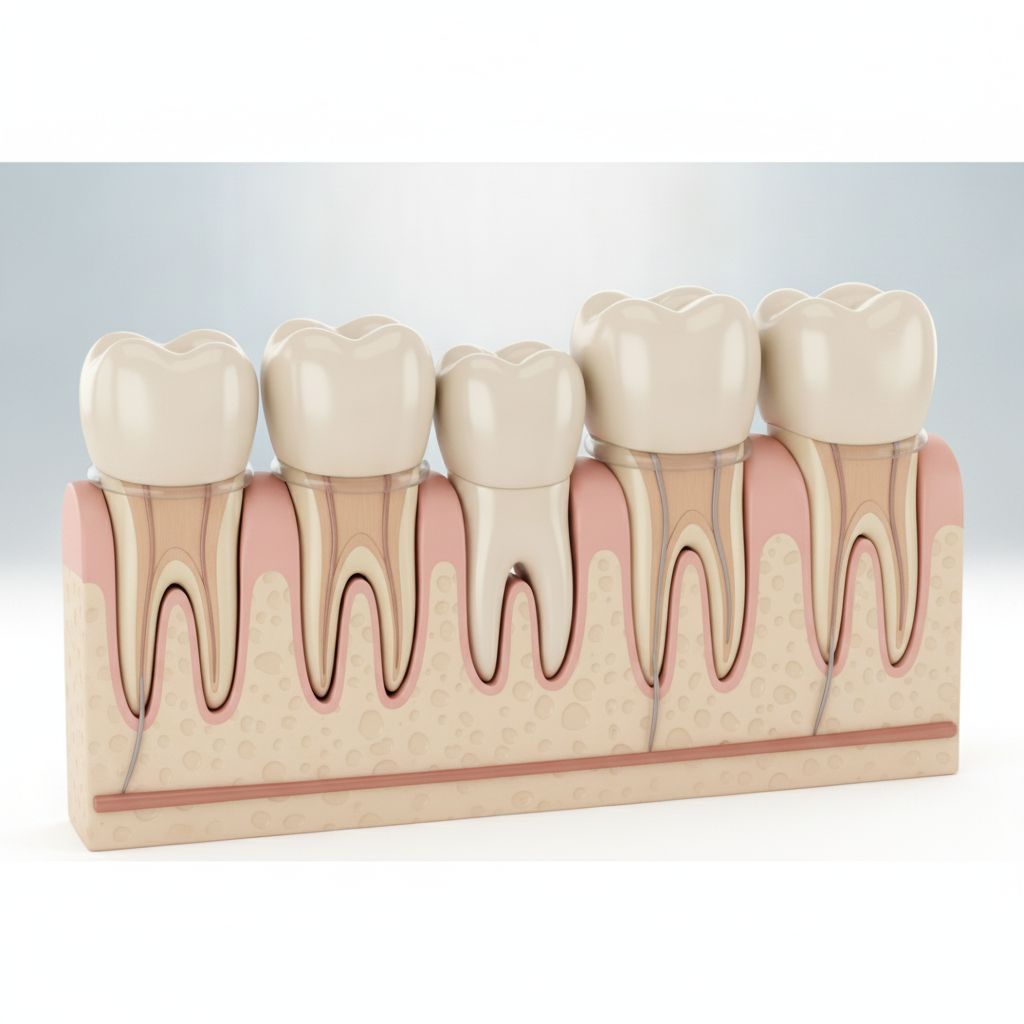
Both dental bridges and implants offer excellent solutions for replacing missing teeth, restoring function, and enhancing the aesthetics of your smile. While implants provide a more permanent, bone-preserving solution that acts as a natural tooth root, bridges offer a quicker and less invasive option, though they may require more maintenance and have a shorter lifespan. By carefully weighing the pros and cons of each in the context of your unique situation and leveraging the advantages of dental treatment in Turkey, you can make the best choice for your long-term oral health and well-being.