Dental Implants vs Bridges Cost Comparison
Dental Implants vs Bridges Cost Comparison is a critical topic for anyone facing tooth loss, as understanding the financial implications, both immediate and long-term, is key to making an informed decision. Replacing a missing tooth is not just about aesthetics; it’s about restoring function, maintaining oral health, and preserving the structure of your jaw and surrounding teeth. The two most common and effective solutions are dental implants and traditional dental bridges. While both achieve the goal of filling a gap, they do so through vastly different mechanisms, which directly impacts their cost, durability, and overall value. The choice between them involves weighing the initial upfront investment against the potential for future expenses, maintenance requirements, and the impact on your overall oral health for decades to come.
Understanding the Core Differences: Implants vs. Bridges
Before diving into a detailed cost analysis, it’s essential to understand the fundamental structural and procedural differences between these two restorative options. This foundational knowledge clarifies why their price points and long-term value propositions differ so significantly.
What is a Dental Implant?
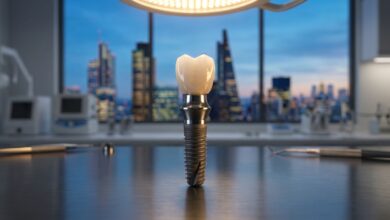
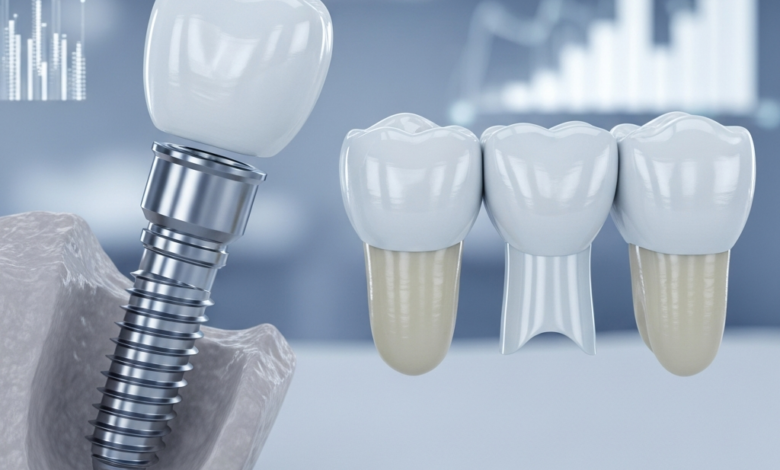
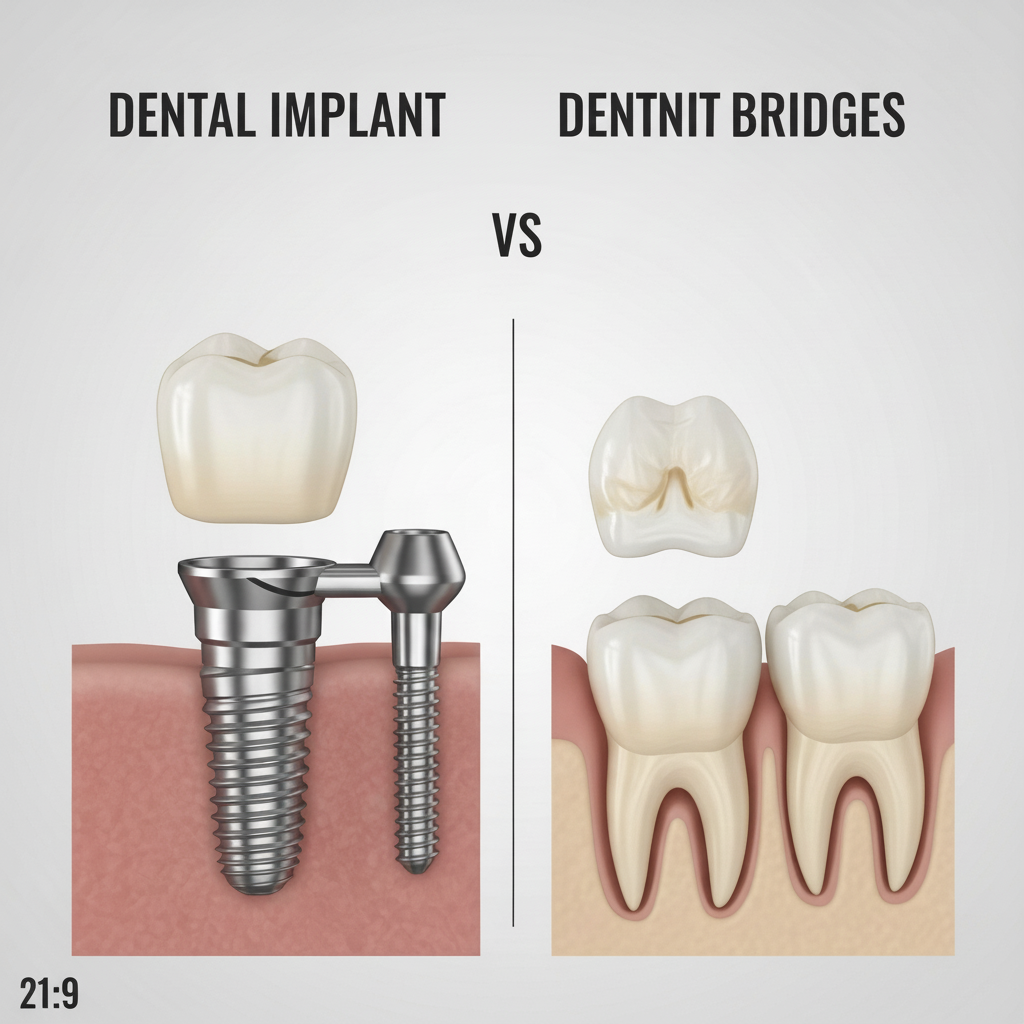
A dental implant is a comprehensive, three-part tooth replacement solution designed to mimic the anatomy of a natural tooth. It is a standalone structure that does not rely on adjacent teeth for support. The components include:
- The Implant Post: A small, screw-like post, typically made of biocompatible titanium, that is surgically placed into the jawbone. It functions as an artificial tooth root. Over a period of several months, a process called osseointegration occurs, where the bone fuses directly with the implant, creating an incredibly strong and stable foundation.
- The Abutment: A connector piece that is attached to the top of the implant post once osseointegration is complete. It sits just above the gum line and serves as the attachment point for the final restoration.
- The Crown: The final, visible part of the restoration. This is a custom-made prosthetic tooth, usually crafted from high-quality materials like zirconia or porcelain, that is cemented or screwed onto the abutment. It is designed to match the color, shape, and size of your natural teeth.
The primary advantage of this structure is that it replaces the tooth root, which stimulates the jawbone and prevents the bone loss that naturally occurs when a tooth is missing.
What is a Dental Bridge?
A traditional dental bridge, specifically a three-unit bridge for a single missing tooth, literally “bridges” the gap left behind. It consists of two main parts:
- Abutment Teeth: These are the healthy, natural teeth on either side of the gap. To support the bridge, these teeth must be prepared by having a significant portion of their enamel permanently removed. They are then fitted with crowns.
- The Pontic: This is the artificial tooth that fills the gap. It is fused between the two crowns that cover the abutment teeth, creating a single, solid unit.
The entire bridge is cemented into place, relying on the strength of the adjacent teeth for support. While effective at restoring appearance and some function, this method requires the permanent alteration of otherwise healthy teeth, a factor that carries long-term implications for their health and stability.
The Upfront Investment: A Direct Cost Breakdown
When patients first look at pricing, a dental bridge often appears to be the more affordable option. However, it’s crucial to understand what contributes to the cost of each procedure to see the full picture.
Analyzing Dental Implant Costs
The cost of a single dental implant is a sum of several parts, each with its own price tag. The total investment typically includes the surgical placement of the titanium post, the abutment, and the final crown. Beyond these core components, several other factors can influence the initial price. For a deeper dive into these factors, exploring detailed breakdowns of dental implant costs can provide further clarity. Additional procedures may be required to ensure the success of the implant, such as a tooth extraction if the damaged tooth is still in place, a bone graft to build up insufficient jawbone density, or a sinus lift if the implant is being placed in the upper jaw near the sinus cavity. Each of these preliminary treatments adds to the overall upfront expense.
Analyzing Dental Bridge Costs
The initial cost of a dental bridge is generally lower than that of an implant because it is a less complex, non-surgical procedure. The cost primarily covers the fabrication of the three-unit prosthesis (two crowns and one pontic) by a dental laboratory and the clinical time required for the dentist to prepare the abutment teeth and fit the final bridge. Material choice, such as porcelain-fused-to-metal (PFM) versus all-zirconia, will also affect the price, with zirconia being a more premium, durable, and aesthetically pleasing option. While the initial bill is often smaller, this does not represent the full lifetime cost of this treatment path.
Long-Term Value Proposition: Dental Implants vs Bridges Cost
The true financial comparison extends far beyond the initial payment. When considering the lifespan, maintenance, and potential for future complications, the long-term cost-effectiveness of each option becomes much clearer.
Lifespan and Inevitable Replacement Costs
This is where dental implants demonstrate their superior long-term value. With proper oral hygiene and regular dental check-ups, a dental implant post can last a lifetime. The crown attached to it may need replacement due to normal wear and tear after 15 to 25 years, but the foundational implant remains intact.
In contrast, a dental bridge has a much shorter average lifespan, typically lasting between 10 and 15 years. This means a patient receiving a bridge in their 30s or 40s will likely need to replace it at least two or three times throughout their life. Each replacement is a significant new expense, and these recurring costs can ultimately make the bridge far more expensive than the one-time investment in a dental implant.
Preserving Bone and Protecting Adjacent Teeth
Dental implants offer a crucial health benefit that bridges cannot: jawbone preservation. By acting as an artificial root, the implant stimulates the bone, preventing it from deteriorating. This helps maintain facial structure and prevents a “sunken” look that can occur over time. A bridge, which sits on top of the gums, provides no such stimulation, and the bone beneath the pontic will gradually recede.
Furthermore, the integrity of adjacent teeth is a major consideration. An implant is self-supporting. A bridge, however, requires grinding down two healthy teeth, permanently compromising their structure and making them more susceptible to decay and the potential need for future root canals. The cost of treating these abutment teeth down the line is a hidden but very real expense associated with dental bridges. Research from sources like the National Center for Biotechnology Information has consistently explored the long-term clinical outcomes and cost-effectiveness, often highlighting the superior longevity and tooth-preserving nature of implant-supported restorations.
Comparative Analysis at a Glance
To simplify the decision-making process, a direct comparison of key attributes can be extremely helpful.
| Feature | Dental Implants | Dental Bridges |
|---|---|---|
| Initial Cost | Higher | Lower |
| Lifespan | Potentially lifetime (post); 15-25+ years (crown) | 10-15 years on average |
| Long-Term Cost | Lower, due to longevity and fewer replacements | Higher, due to recurring replacement costs |
| Impact on Jawbone | Preserves and stimulates bone, preventing loss | Does not prevent bone loss under the gap |
| Impact on Adjacent Teeth | None; it is a standalone solution | Requires permanent grinding down of healthy teeth |
| Maintenance | Cared for like a natural tooth (brushing, flossing) | Requires special cleaning tools (floss threaders) |
| Surgical Procedure | Yes, requires minor oral surgery | No, a non-invasive procedure |
Making the Financially Prudent Choice
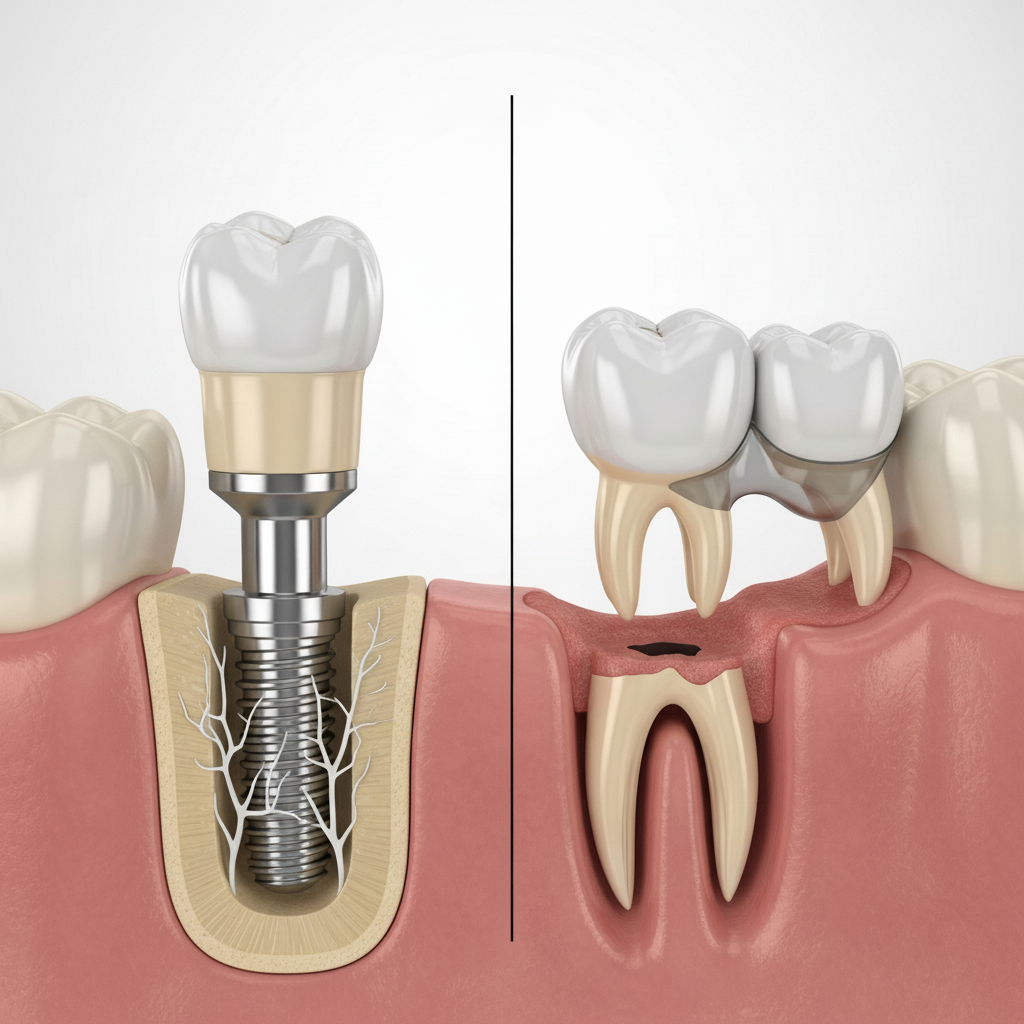
While a dental bridge may seem like a budget-friendly solution initially, the evidence strongly suggests that a dental implant is the more cost-effective and healthier choice in the long run. The one-time investment in an implant prevents the cycle of replacement costs associated with bridges and, more importantly, it preserves the health of your jawbone and neighboring teeth. By avoiding the need to compromise healthy tooth structure, you also avoid the potential future costs of treating those teeth. When viewed as a permanent solution for oral health and function, the value of a dental implant becomes unequivocally clear.