Spot Fake Dental Before After Photos
Spot Fake Dental Before After Photos in the age of digital perfection can be challenging, but it is a crucial skill for any patient considering cosmetic or restorative dentistry. The allure of a transformed smile is powerful, and clinics often use before-and-after galleries as their primary tool to showcase their expertise. While many clinics present genuine, remarkable results, a growing number use digitally altered, misleading, or entirely stock photos to attract unsuspecting patients. This practice not only sets unrealistic expectations but also erodes the trust that is fundamental to the doctor-patient relationship. Understanding how to critically evaluate these images empowers you to make an informed decision based on real capabilities, not digital illusions. This guide will provide an in-depth look at the techniques used to create fake images and equip you with the knowledge to identify authentic results, ensuring your journey to a new smile is both safe and successful.
The Motivation Behind Manipulated Dental Imagery
The dental tourism market is highly competitive, and a visually stunning portfolio can be the deciding factor for a potential patient. This pressure leads some clinics to take unethical shortcuts. The primary motivation is to present an idealized version of their work that may not be consistently achievable. They might lack a sufficient number of high-quality case studies, especially for complex procedures like full-mouth reconstructions or advanced smile makeovers. Instead of building a genuine portfolio over time, they resort to digital manipulation to create a perfect outcome on-demand.
Another reason is the desire to create a “Hollywood smile” effect that is often not clinically advisable or even possible for every patient. By whitening teeth to an unnatural brightness, reshaping gums with pixel-perfect precision, or creating a level of symmetry that defies natural biology, these clinics prey on the popular desire for flawless aesthetics. This is misleading because it ignores the patient’s unique facial structure, oral health, and biological limitations. Authentic dentistry is about creating a beautiful, functional, and healthy smile that is harmonious with the individual, not a one-size-fits-all template. Understanding this motivation is the first step in developing a critical eye for the images you see online.
Telltale Signs of Digital Alteration in Dental Photos
Detecting a fake image doesn’t always require professional photo analysis software. Often, the clues are visible to the naked eye if you know what to look for. These manipulations can range from subtle touch-ups to complete fabrications.
Inconsistent Lighting and Shadows
One of the most difficult things to fake is realistic lighting. Natural light creates soft, consistent shadows and highlights on and around the teeth, gums, and lips. In manipulated photos, you might notice that the teeth seem to be lit from a different source than the rest of the face. For instance, the teeth might be brilliantly white and shadowless, while the surrounding lips and gums have clear shadows. Look for a glow or a halo effect around the teeth, which can indicate they were digitally brightened or cut from another image and pasted in. Real photos will show natural light reflections (specular highlights) that follow the contours of each tooth. If every tooth has the exact same bright, flat reflection, it’s a significant red flag.
Unnatural Perfection in Gums and Teeth
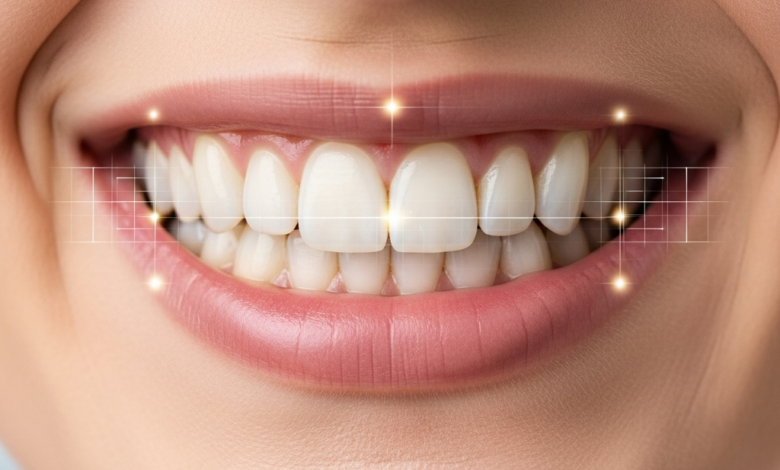
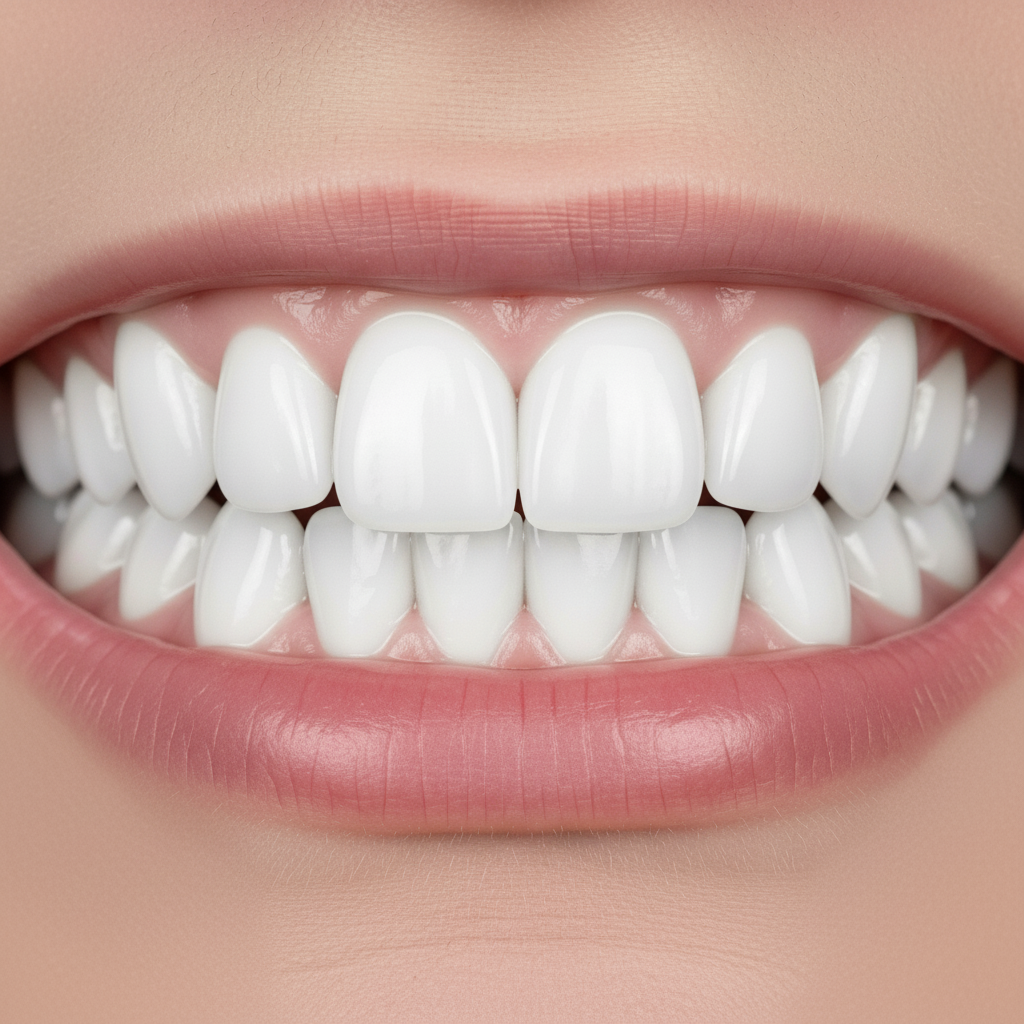
Real mouths are not perfectly symmetrical. Gums have a natural, textured appearance and subtle variations in color. In fake photos, the gum line might be an unnaturally perfect, smooth arc, with no sign of the tiny imperfections that characterize real tissue. The color may be a uniform, flat pink, lacking the healthy, stippled texture of real gingiva. Similarly, while cosmetic dentistry aims for a beautiful result, natural-looking teeth have slight translucency, subtle color gradients, and unique surface textures. Fake images often display teeth that are opaque, unnaturally white, and look like a solid block of color. This “chiclet” effect is a common sign of a poorly executed digital alteration. The science behind the digital alteration of clinical photographs shows how easily contrast and toning can be manipulated to create these false impressions.
Clues in the Background and Face
Often, manipulators focus so much on the teeth that they neglect the rest of the image. Compare the “before” and “after” shots closely. Is the head at the exact same angle? Is the background identical? While skilled clinics strive for consistency in their photography, subtle shifts are normal. However, if the patient’s hair, skin, and the background are pixel-for-pixel identical, it could mean that only the mouth was altered on the original “before” picture. Look for blurring or smudging at the edges where the lips meet the teeth. This is often a sign of a “smudge tool” being used to blend the fake teeth into the real image. Also, pay attention to the patient’s expression. A genuine, happy smile involves the entire face, creating crinkles around the eyes (a Duchenne smile). A fake “after” shot might just have the mouth changed, resulting in a disconnected and unnatural facial expression.
How to Spot Fake Dental Before After Photos
To help you systematically evaluate dental work, it’s useful to compare the common characteristics of fake images against the hallmarks of authentic clinical photography. Authentic photos are meant to be a transparent record of a clinical procedure, not just a marketing tool. They prioritize clinical accuracy over artificial perfection. The following table breaks down key areas to scrutinize.
| Feature to Examine | Red Flag (Potentially Fake) | Sign of Authenticity (Likely Real) |
|---|---|---|
| Tooth Color | Brilliant, opaque, “refrigerator” white that looks flat and lacks depth. All teeth are the exact same shade. | A natural, healthy shade of white with subtle translucency, especially at the incisal edges. Slight, natural variations in color between teeth. |
| Lighting & Shadows | Teeth appear to “glow” or are lit separately from the face. Shadows inside the mouth are absent or look artificial. | Consistent lighting across the face, lips, and teeth. Soft, natural shadows are visible, giving the teeth dimension and shape. |
| Gum Tissue | Perfectly smooth, symmetrical gum line with a uniform pink color. Looks like it was drawn on. | Healthy but natural-looking gums. May show slight, realistic asymmetry and a healthy, stippled texture. Color is a natural pink. |
| Image Quality | Blurring or smudging around the edges of the teeth and lips. The teeth look sharper or are a different resolution than the rest of the face. | A clear, high-resolution image where all elements (teeth, skin, hair) have the same level of focus and clarity. |
| Head Position & Angle | The “before” and “after” photos are identical in every way except for the teeth, suggesting a digital edit of a single photo. | Slight, natural variations in head position, angle, and expression between the two photos, indicating they were taken at different times. |
Beyond the Pixels: Verifying a Clinic’s Credibility
Your due diligence should not end with analyzing photos. A trustworthy clinic provides multiple avenues for you to verify their work and their ethical standards. The before-and-after gallery is just one piece of a much larger puzzle.
Look for Video Testimonials and Case Studies
Video is much harder to fake than a still photograph. Reputable clinics often feature video testimonials where patients discuss their experience and show off their new smiles in motion. In a video, you can see how the teeth look from different angles and in different lighting conditions. This provides a much more dynamic and reliable view of the final result. Furthermore, detailed case studies that explain the patient’s initial problem, the treatment plan, and the steps taken to achieve the result demonstrate a commitment to education and transparency. A clinic that only shows perfect “after” shots without context is not giving you the full story. True professionals are proud of the journey, not just the destination. When evaluating a provider, especially for dental tourism, choosing a safe and reputable dental clinic involves looking at this complete picture of their work and patient care philosophy.
Our Commitment to Authentic Patient Journeys
At our practice, we believe that trust is built on transparency. Our before-and-after galleries represent the real, life-changing work we do for our patients every day. We understand that each patient is unique, and we celebrate the individuality of every smile we create. Our photography is clinical, honest, and aimed at accurately documenting the outcomes of procedures like dental implants, veneers, and full smile makeovers. We support our photo galleries with detailed case studies and patient testimonials to provide a comprehensive and truthful representation of our capabilities. We believe that an educated patient is an empowered patient, and we are committed to providing the honest information you need to make the best decision for your oral health and confidence. Your smile journey should be built on a foundation of reality, expertise, and mutual trust.