Cheap Dental Treatment Risks Explained
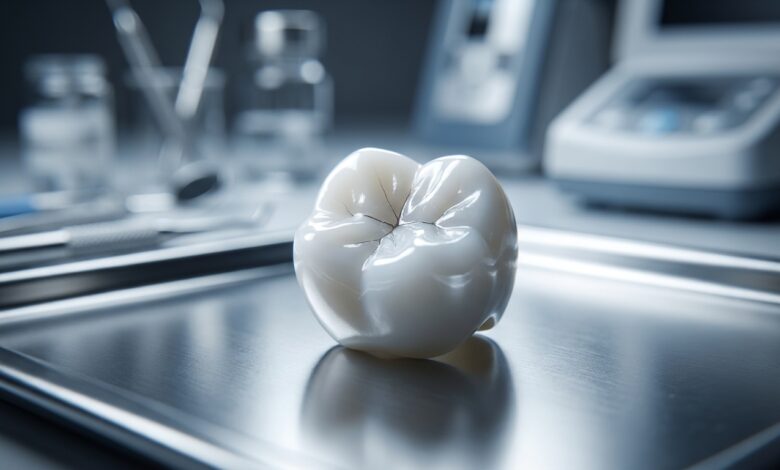
The allure of a perfect smile at a fraction of the expected cost can be incredibly tempting. With the rise of dental tourism, patients have more options than ever to seek affordable care. However, a critical distinction must be made between “cost-effective” and “cheap.” While high-quality dental work can be found at competitive prices, treatments that seem too good to be true often are. Opting for suspiciously cheap dental procedures can expose you to a cascade of risks, transforming a perceived bargain into a long-term nightmare of health complications and escalating financial costs. Understanding these dangers is the first step in protecting both your oral health and your wallet from irreversible damage. True value in dentistry lies not in the lowest price tag, but in the lasting quality, safety, and expertise behind the treatment.
The Hidden Costs of Cutting Corners: Substandard Materials
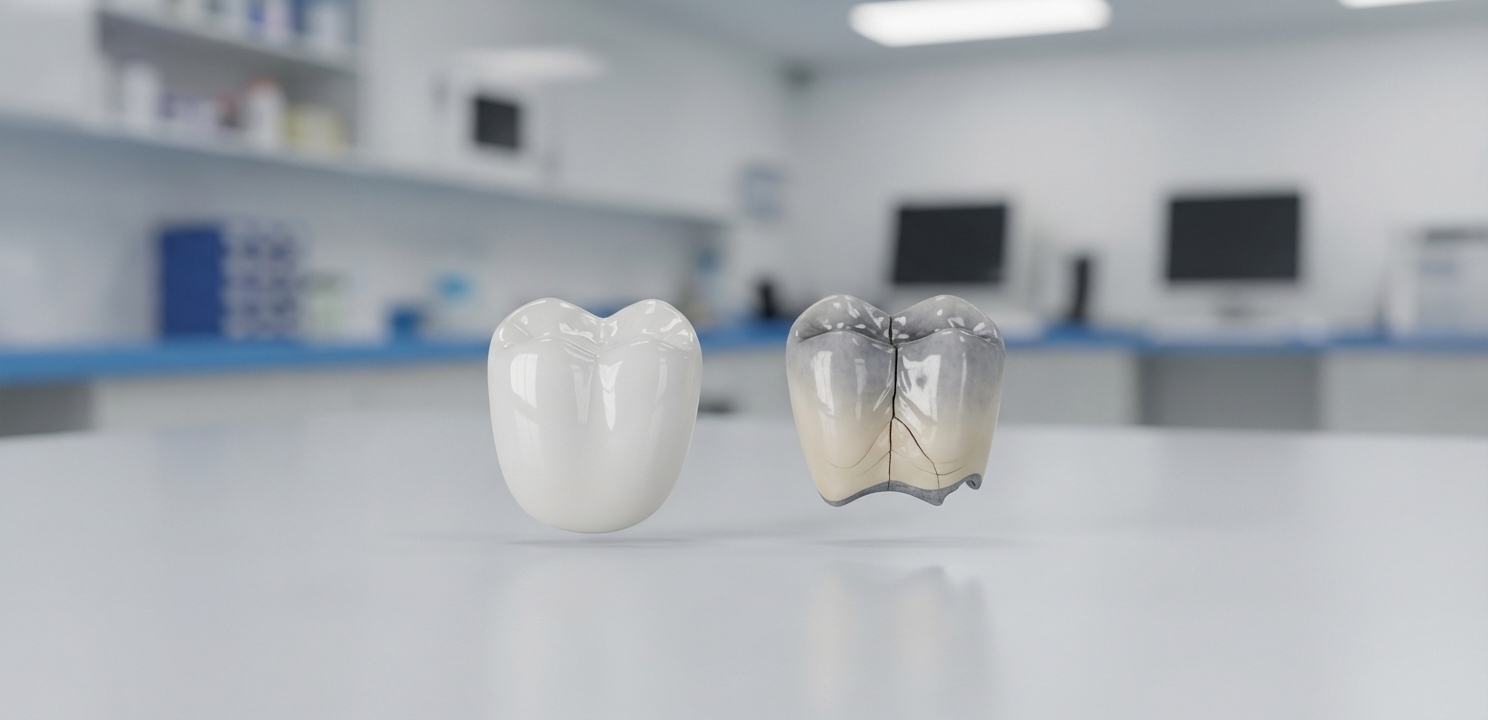
One of the most common ways unregulated or low-cost clinics reduce their prices is by using substandard, uncertified, or counterfeit dental materials. The materials placed in your mouth, whether for a crown, veneer, or dental implant, become a part of your body. Their quality directly impacts the treatment’s success, longevity, and your overall health. Reputable clinics invest in high-grade, clinically tested materials from globally recognized manufacturers, and this investment is reflected in the final cost. Cheap alternatives may look similar initially, but they lack the durability, biocompatibility, and safety assurances of their premium counterparts.
Material Durability and Biocompatibility
High-quality materials like Grade 5 titanium for dental implants or E-max and Zirconia for crowns are chosen for their proven strength and ability to integrate safely with human tissue. Cheap metal alloys used in low-cost crowns or implant abutments can contain nickel or other reactive metals that trigger allergic reactions, chronic gum inflammation, and a persistent metallic taste. Over time, these low-grade metals can corrode and leach ions, causing a noticeable grey or black line along the gumline. Similarly, cheap dental ceramics and composites used for veneers or fillings are prone to premature failure. They may chip, crack, or fracture under normal chewing forces, requiring frequent and costly replacements. Furthermore, their surfaces are often more porous, making them susceptible to staining and plaque accumulation, which can lead to secondary decay and gum disease.
The Problem with Unverified Implants and Crowns
A dental implant is a sophisticated medical device designed to last for decades. Leading implant systems from brands like Straumann or Nobel Biocare are the result of extensive research and have decades of clinical data proving their high success rates. These implants have unique surface treatments that promote osseointegration—the process of the jawbone fusing to the implant. Cheap, knock-off implants lack this advanced engineering. They may fail to integrate with the bone, leading to implant mobility and eventual failure. Reputable implants also come with a serial number, allowing for traceability. In contrast, cheap, unbranded implants offer no such guarantee, leaving you with no recourse if something goes wrong. The same applies to crowns and bridges. A properly fabricated crown from a high-tech dental lab ensures a precise fit, sealing the underlying tooth from bacteria. Cheap crowns from labs that cut corners often have poor marginal fits, leaving microscopic gaps where bacteria can infiltrate, causing decay, infection, and the potential need for a root canal or extraction of the very tooth the crown was meant to protect.
What are the Top Cheap Dental Treatment Risks?
Beyond the materials used, the clinical environment and the practitioner’s skill are paramount to a safe and successful outcome. The significant price reductions offered by some clinics are often achieved by compromising on these critical elements, introducing severe risks to patient health. These risks are not merely cosmetic; they can lead to serious, systemic health issues and permanent damage.
Infection and Cross-Contamination
Strict sterilization and hygiene protocols are non-negotiable in any medical or dental setting. Proper infection control involves the use of autoclaves to sterilize instruments, disposable single-use items, and rigorous disinfection of all surfaces between patients. These protocols require significant investment in equipment, materials, and staff training. Clinics offering bargain-basement prices may cut these essential costs. Using improperly sterilized instruments is one of the gravest risks, as it can transmit dangerous blood-borne pathogens. According to research on healthcare-associated infections, inadequate instrument processing is a known route for disease transmission, including Hepatitis B, Hepatitis C, and HIV. For more information on standard protocols, see this detailed overview of infection control in the dental office. A patient may leave a cheap clinic with a new crown but also with a latent, life-altering infection that may not manifest for months or years.
Inexperienced Practitioners and Misdiagnosis
A successful dental procedure begins with an accurate diagnosis and a meticulous treatment plan. This requires both advanced diagnostic technology, such as 3D CBCT scans for implant placement, and the expertise of a skilled clinician to interpret the data. Cheap dental clinics may rely on basic 2D X-rays or even visual inspection alone, leading to critical misdiagnoses. An inexperienced dentist might place an implant too close to a nerve, causing permanent numbness, or fail to identify insufficient bone density, leading to certain implant failure. Complex procedures like full-mouth reconstructions or smile makeovers require the skill of a specialist, such as a prosthodontist or an oral surgeon. “Cheap” dental centers may employ general dentists with minimal experience to perform these complex treatments, resulting in poor functional and aesthetic outcomes that are difficult, if not impossible, to correct.
The Long-Term Financial and Health Consequences
The initial savings from a cheap dental procedure are often a mirage. The true cost becomes apparent months or years later when the poorly executed work begins to fail. What started as a simple procedure can devolve into a complex and expensive series of corrective treatments, ultimately costing far more than the initial price of quality care. This financial burden is compounded by the irreversible damage that may have been inflicted on your oral health.
The Cycle of Corrective Procedures
Failed dental work rarely fails gracefully. A poorly fitted crown that leads to tooth decay may require a root canal and a new, more expensive crown. If the decay is too extensive, the tooth may need to be extracted, necessitating a dental implant or bridge—a far more complex and costly solution. A failing dental implant due to infection or poor placement might require removal, a period of healing, a bone graft to rebuild the damaged jaw, and then a new implant surgery. Each corrective step adds expense, time, and physical discomfort. This cycle of re-treatment can turn a one-time “bargain” into a recurring financial drain that creates significant stress and anxiety for the patient.
Irreversible Damage to Your Oral Health
While some faulty dental work can be corrected, some mistakes cause permanent damage. One of the most notorious examples is the overly aggressive preparation of teeth for veneers, often marketed as “Turkey teeth” on social media. This involves grinding healthy teeth down to small pegs, which is an outdated and destructive technique. This irreversible removal of tooth structure compromises the tooth’s integrity and commits the patient to a lifetime of crowns, with the associated costs and potential for future complications like nerve death. Other examples include nerve damage during implant surgery leading to permanent numbness of the lip or chin, and perforation of the sinus cavity, requiring additional surgical repair. These complications have a lasting impact on a person’s quality of life.
Differentiating Affordable Quality from Dangerous Bargains
It is crucial to understand that not all affordable dental care is “cheap” or risky. Many excellent clinics, particularly in dental tourism hubs, leverage lower operational costs to offer high-quality care at a fair price. The key is to identify the signs of a reputable provider versus a clinic that cuts dangerous corners. The following table highlights key differences:
| Feature | Reputable Clinic (Cost-Effective) | “Too-Good-To-Be-True” Clinic (Cheap & Risky) |
|---|---|---|
| Materials & Brands | Uses globally recognized, certified brands (e.g., Straumann, Nobel Biocare, Ivoclar Vivadent) and provides certificates of authenticity. | Uses unspecified, generic, or counterfeit materials with no traceability or warranty. |
| Technology & Diagnostics | Invests in modern technology like 3D CBCT scanners, intraoral digital scanners, and in-house labs for precision. | Relies on outdated 2D X-rays or minimal diagnostics, leading to imprecise treatment planning. |
| Hygiene Standards | Follows international sterilization protocols with visible evidence of an orderly, hygienic environment and modern autoclave equipment. | Has questionable cleanliness, cluttered operatories, and no clear information on sterilization procedures. |
| Dentist Credentials | Employs specialists (prosthodontists, oral surgeons, endodontists) for complex procedures and is transparent about their qualifications. | Uses general dentists for all procedures; credentials may be vague or unverified. |
| Transparency & Planning | Provides a detailed, itemized treatment plan with no hidden costs. Explains all procedures and alternatives clearly. | Offers a single, vague price without a breakdown. Often involves high-pressure sales tactics. |
| Aftercare & Guarantees | Offers a clear, written guarantee on their work and has a structured plan for aftercare and follow-up communication. | Provides no formal guarantee or aftercare support. Becomes difficult to contact once the final payment is made. |
How to Safely Pursue Cost-Effective Dental Care
Making an informed decision is your best defense against the risks of cheap dental work. By focusing on quality, transparency, and credentials rather than just the price tag, you can find excellent, affordable care without compromising your health. Thorough research and asking direct, specific questions are essential steps in this process.
Research is Non-Negotiable
Go beyond the clinic’s own website and marketing materials. Look for independent reviews on third-party platforms, forums, and Google. Scrutinize before-and-after photos—do they look natural and consistent, or are they stock images? Investigate the dentists who will be performing your treatment. Check their qualifications, specialty training, and years of experience. A reputable clinic will be proud to showcase the credentials of its medical team. Be wary of any provider that is not transparent about its staff or technology.
Ask the Right Questions
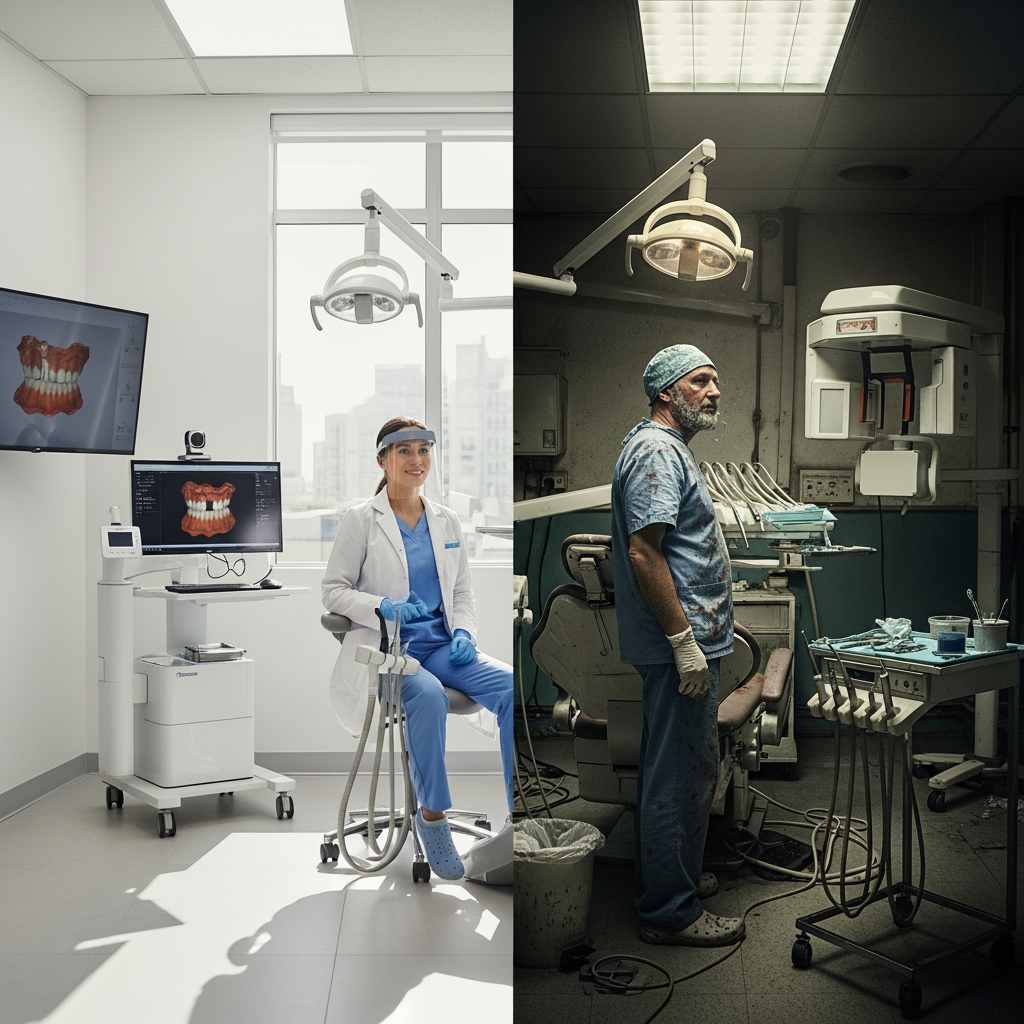
Before committing to any treatment, have a consultation (even a virtual one) and come prepared with a list of questions. The willingness and ability of the clinic to answer these questions clearly is a strong indicator of their professionalism. Key questions include: What specific brand of implants, crowns, or veneers do you use? Can you provide the material’s certificate of authenticity? What does your sterilization process involve? Who is the specific dentist that will perform my procedure, and what are their qualifications? A critical part of this is understanding a detailed price breakdown. Ask for an itemized quote that clarifies what is included (e.g., consultations, X-rays, temporary crowns, anesthesia) and what might be an additional cost (e.g., bone grafting, sinus lift). A trustworthy clinic will welcome your diligence and provide clear, honest answers.