Dental Implant Cost in the USA 2026 Guide
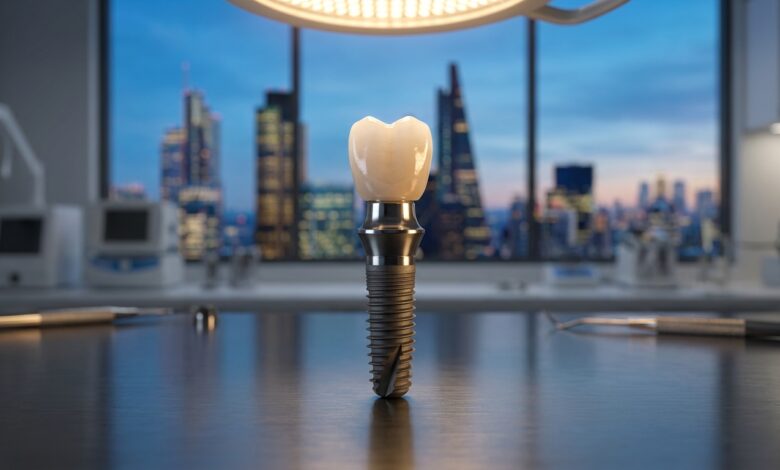
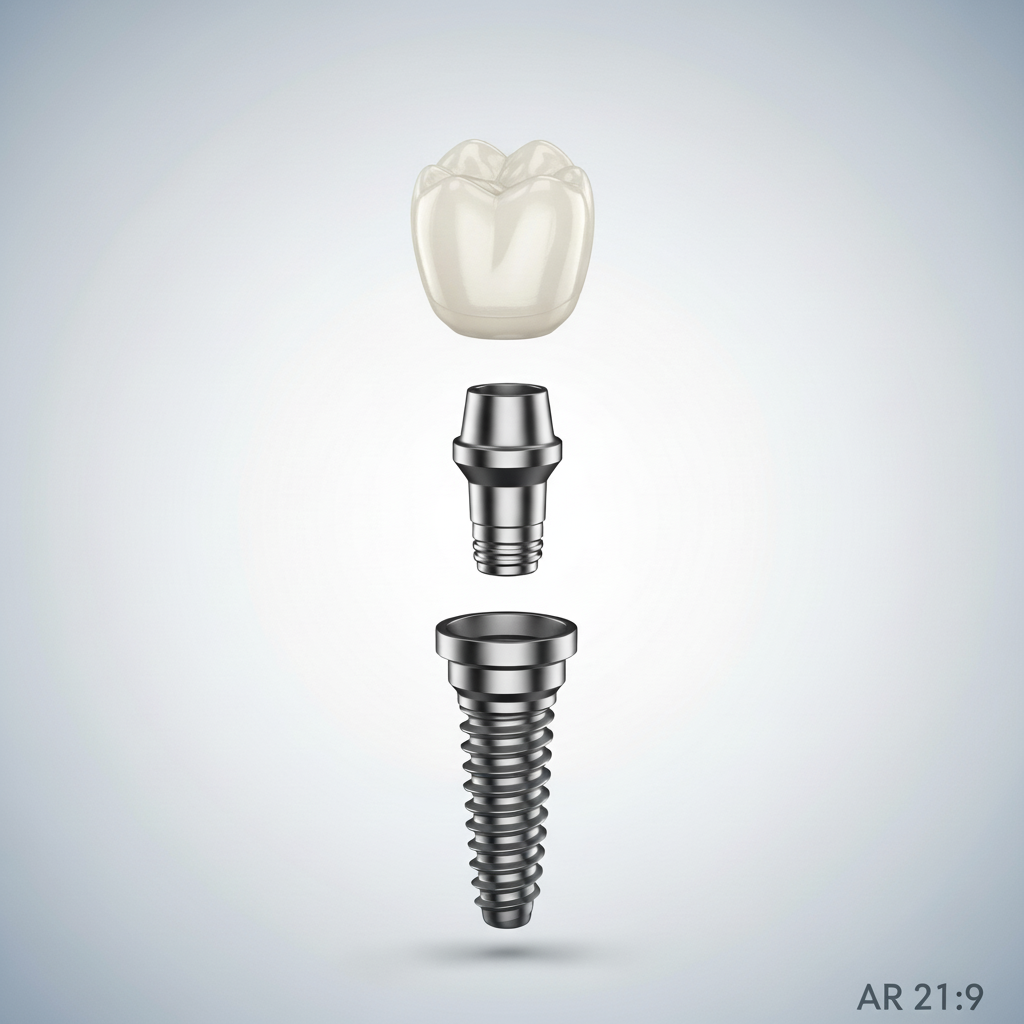
A complete dental implant consists of three primary parts, and the material and craftsmanship of each influence the cost.
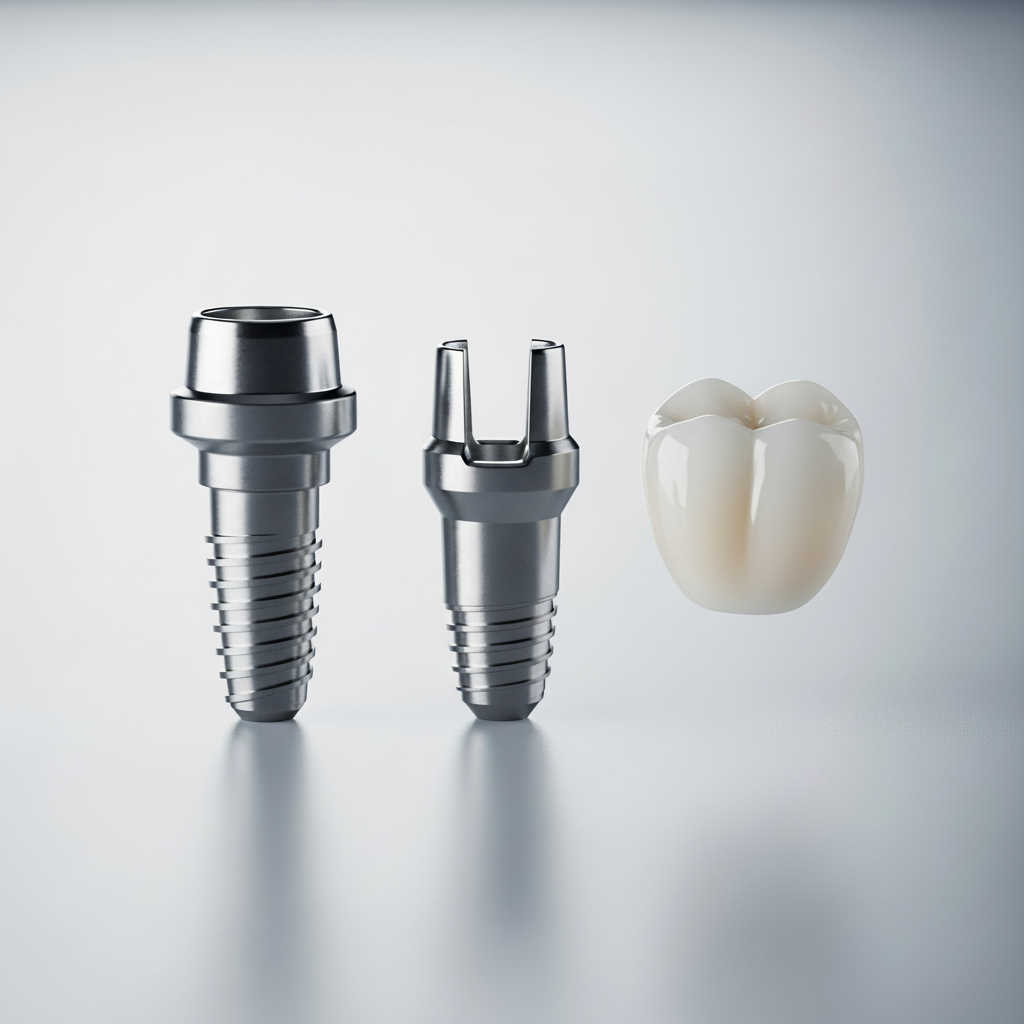
- The Implant Fixture: This is the titanium or zirconia screw that is surgically placed into the jawbone to act as the new tooth root. Titanium is the most common material due to its proven biocompatibility and strength. The brand and specific design of the implant can also affect the price. Premium implant systems from long-established manufacturers often cost more than those from newer or lesser-known companies.
- The Abutment: The abutment is a small connector piece that is attached to the top of the implant fixture once it has integrated with the bone. It protrudes through the gum line and serves as the foundation for the final crown. Abutments can be stock (pre-fabricated) or custom-milled for a more precise fit, with custom options being more expensive.
- The Crown: This is the prosthetic tooth that is visible in the mouth. It is attached to the abutment and is designed to match the color, shape, and size of the surrounding natural teeth. The cost of the crown varies widely based on the material used. Porcelain-fused-to-metal (PFM) is a durable and cost-effective option, while all-ceramic or zirconia crowns offer superior aesthetics and are typically priced higher.
Professional Fees and Geographic Location
A significant portion of the total cost is attributed to the fees of the dental professionals involved. The procedure is typically a two-part process involving a surgeon and a restorative dentist. An oral surgeon or periodontist, specialists with advanced surgical training, usually performs the implant placement. A general dentist or a prosthodontist then handles the creation and placement of the final crown. The experience, reputation, and training of these specialists will be reflected in their fees. Furthermore, costs are heavily influenced by geographic location. A dental implant procedure in a major metropolitan area like New York or Los Angeles will invariably cost more than the same procedure in a smaller city or rural area due to higher overhead and operational costs.
Diagnostic and Preparatory Procedures
Before any surgery can take place, a thorough diagnostic phase is required. This typically includes a comprehensive dental exam, standard dental X-rays, and often a Cone Beam Computed Tomography (CBCT) scan. A CBCT scan provides a detailed 3D image of the patient’s jawbone, nerves, and surrounding structures, which is essential for precise and safe implant placement. These diagnostic services have associated costs that are fundamental to the treatment planning process.
A Detailed Breakdown of the Dental Implant Cost in the USA
To provide a clearer understanding, it is helpful to see the potential costs broken down by component and procedure. The following table illustrates the typical price ranges for each step in the dental implant process in the United States. These figures are estimates and can vary based on the factors previously discussed.
| Procedure / Component | Low-End Cost Estimate (USD) | High-End Cost Estimate (USD) | Notes |
|---|---|---|---|
| Initial Consultation & Imaging | $150 | $500 | May include standard X-rays. CBCT scan is often separate. |
| CBCT Scan (3D Imaging) | $300 | $700 | Considered essential for safe and accurate planning. |
| Tooth Extraction (if needed) | $200 | $600 | Cost depends on whether it is a simple or surgical extraction. |
| Bone Grafting (if needed) | $400 | $3,000 | Highly variable based on the amount and type of material needed. |
| Implant Fixture Placement (Surgery) | $1,600 | $3,500 | Includes the cost of the implant itself and the surgeon’s fee. |
| Abutment and Crown Placement | $1,500 | $3,000 | Includes the cost of the components and the restorative dentist’s fee. |
| Total Per Tooth (Simple Case) | $3,550 | $7,700 | Assumes no extraction or bone grafting is required. |
| Total Per Tooth (Complex Case) | $4,150 | $11,800+ | Includes preparatory procedures like grafting. |
Additional Factors That Can Significantly Influence the Final Price
Beyond the standard components, several common procedures can add substantial cost and time to the overall treatment plan. These are often necessary to ensure the long-term success and stability of the implant.
Bone Grafting and Sinus Lifts
For a dental implant to be successful, it must be surrounded by a sufficient amount of healthy jawbone. If a tooth has been missing for a long time, the bone in that area may have atrophied or resorbed. In such cases, a bone grafting procedure is necessary to rebuild the bone structure to adequately support the implant. Similarly, for implants in the upper back jaw, a sinus lift may be required to raise the sinus floor and create enough bone height. These surgical procedures require specialized materials and expertise, adding a significant amount to the final cost.
The Role of Dental Insurance
Navigating dental insurance for implant procedures can be challenging. Many insurance plans still categorize dental implants as a cosmetic procedure and may not offer coverage for the implant itself. However, they might cover a portion of the related costs, such as the tooth extraction or the crown. It is essential for patients to contact their insurance provider directly to understand their specific policy details, annual maximums, and waiting periods. Obtaining a pre-treatment estimate is a critical step to avoid unexpected out-of-pocket expenses.
The Long-Term Value: Why Implants Are a Worthwhile Investment
While the upfront cost is considerable, it is important to view dental implants as a long-term investment in your health and quality of life.
Durability and Longevity
With proper care and regular dental check-ups, a dental implant can last a lifetime. This stands in stark contrast to other tooth-replacement options like dental bridges, which typically need to be replaced every 10-15 years, or dentures, which may need replacement every 5-8 years. The long-term success of dental implants is well-documented in clinical research, with high survival rates reported over many years. Factoring in the cost of replacing alternative prosthetics over a lifetime often reveals that implants are the more economical choice.
Preserving Jawbone and Facial Structure
When a tooth is lost, the jawbone underneath it begins to shrink due to a lack of stimulation. This process, known as bone resorption, can alter facial structure, leading to a sunken appearance. Dental implants are the only tooth replacement solution that actively prevents this. The implant fixture fuses directly with the jawbone, a process known as osseointegration, which is the foundation of what makes a dental implant so effective. This process provides the necessary stimulation to maintain bone density, preserving your facial contours and overall oral health.
Quality of Life Improvements
The functional and aesthetic benefits of dental implants are unmatched. They look, feel, and function just like natural teeth. Patients can eat their favorite foods without worry, speak with clarity, and smile with renewed confidence. This profound impact on daily life and self-esteem is an invaluable return on the financial investment.