Dental Crowns in Turkey – Types Explained
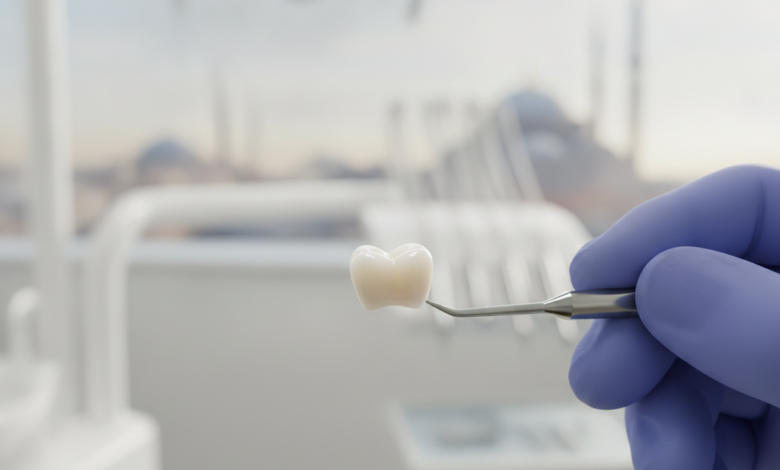
A dental crown, often referred to as a “cap,” is a custom-made prosthetic device that is permanently cemented over a damaged or weakened tooth. Its primary purpose is to fully cover the entire visible portion of a tooth, restoring its original shape, size, strength, and improving its appearance. Crowns are a critical component in restorative and cosmetic dentistry, offering a long-term solution for various dental issues.
Dental Crowns in Turkey – Types Explained
Turkey has emerged as a premier destination for dental tourism, attracting thousands of international patients seeking high-quality, affordable dental treatments. Among the most sought-after procedures are dental crowns, a versatile restorative solution designed to restore the function, strength, and aesthetics of damaged teeth. Understanding the various types available is crucial for patients considering this treatment, as each material offers unique benefits tailored to specific needs and preferences. This comprehensive guide delves into the world of dental crowns, focusing on the options available in Turkey, the procedural steps, and what makes Turkey an exceptional choice for this significant dental investment.
Understanding Dental Crowns and Their Purpose
Common reasons a dentist might recommend a dental crown include:
- Protecting a weak tooth from breaking or holding together parts of a cracked tooth.
- Restoring an already broken tooth or a tooth severely worn down.
- Covering and supporting a tooth with a large filling when there isn’t much tooth left.
- Holding a dental bridge in place.
- Covering misshapen or severely discolored teeth.
- Covering a dental implant.
- Making a cosmetic modification.
The decision to get a crown is often made in consultation with a dental professional who will assess the overall oral health, the extent of the tooth damage, and the patient’s aesthetic goals.
Why Choose Turkey for Dental Crowns?
Turkey has established itself as a leading country for dental care due to several compelling factors. Patients from across Europe, the UK, and beyond are increasingly choosing Turkish clinics for their dental needs, including complex procedures like dental crowns.
- Cost-Effectiveness: One of the most significant advantages is the considerable cost saving compared to Western countries, often without compromising on quality.
- High Standards and Advanced Technology: Turkish dental clinics are equipped with state-of-the-art technology and adhere to international hygiene and and treatment standards. Many dentists are highly experienced and internationally trained.
- Experienced Professionals: Many Turkish dentists specialize in cosmetic and restorative dentistry, possessing extensive experience in placing various types of dental crowns.
- Dental Tourism Packages: Clinics often provide comprehensive packages that include accommodation, airport transfers, and interpreter services, making the entire experience seamless for international patients.
Types of Dental Crowns in Turkey – Materials Explained
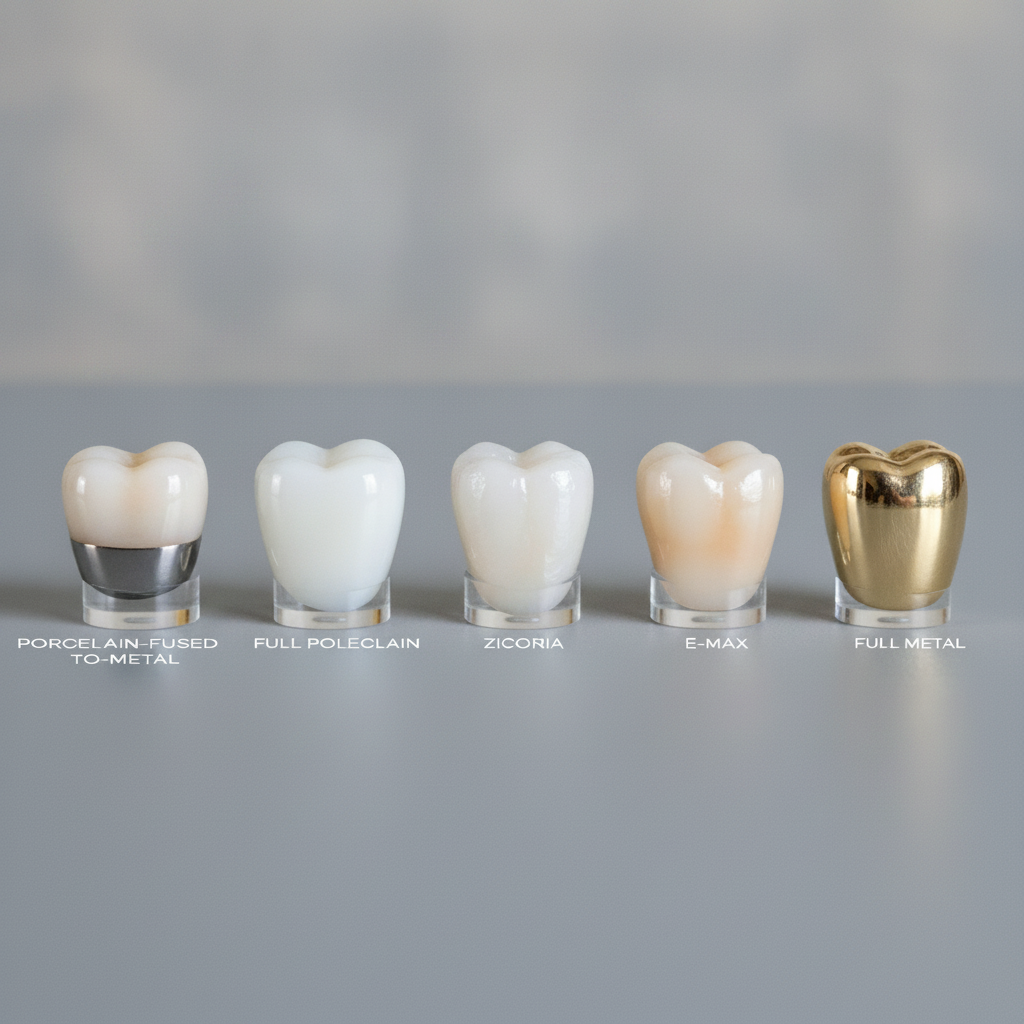
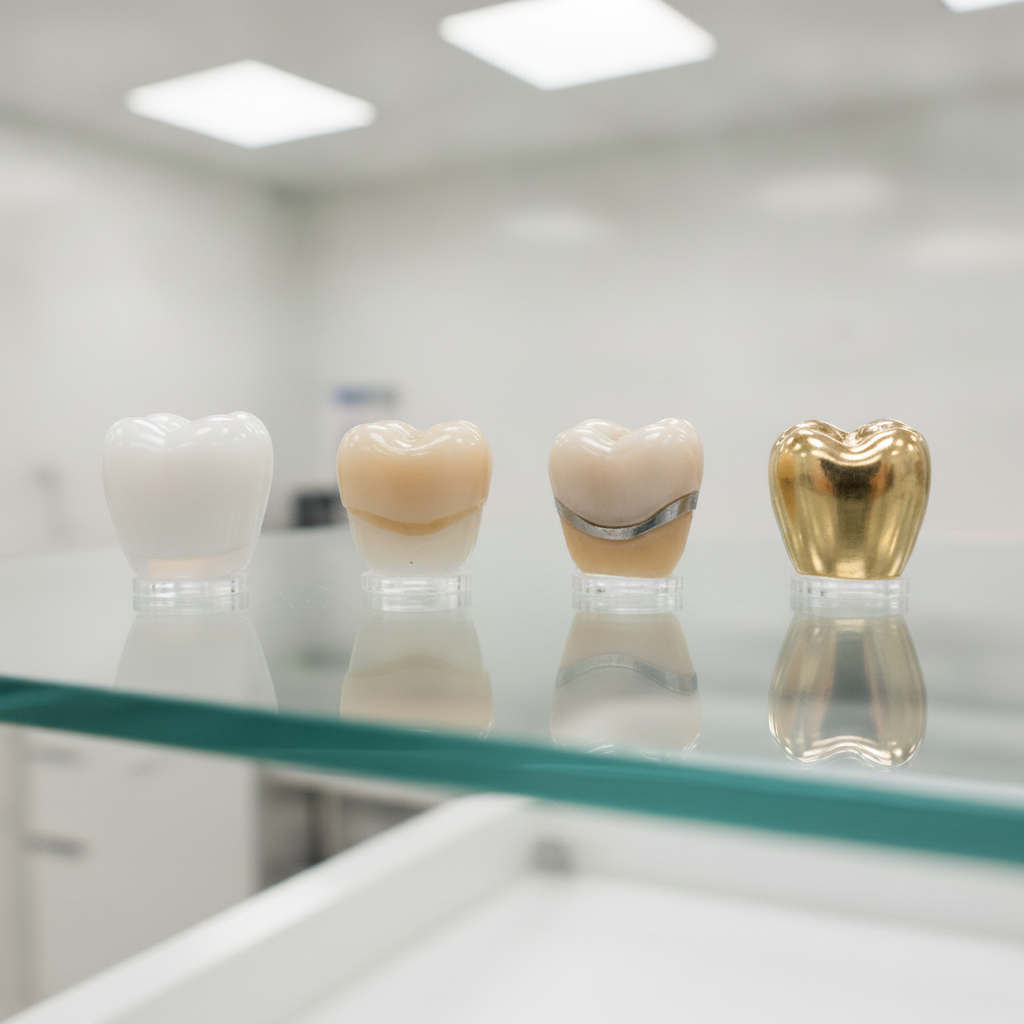
The choice of material for a dental crown is a critical decision, impacting its aesthetics, durability, cost, and suitability for different areas of the mouth. In Turkey, patients have access to a wide array of high-quality crown materials. Here’s a breakdown of the most common types:
| Crown Type | Description & Aesthetic | Durability & Strength | Ideal Application | Key Advantages |
|---|---|---|---|---|
| Porcelain-Fused-to-Metal (PFM) | Metal substructure with porcelain overlay. Good aesthetics but can show a dark line at the gum line over time. | Strong and durable, combining metal’s strength with porcelain’s aesthetics. | Often used for back teeth where strength is paramount, but also for front teeth when full porcelain isn’t an option. | Good balance of strength and aesthetics; more affordable than full ceramic. |
| Full Porcelain/Ceramic | Made entirely of porcelain or ceramic material. Excellent translucency and natural appearance, highly aesthetic. | Good strength for front teeth, but can be more prone to chipping than zirconia or metal. Advances have improved strength significantly. | Best for front teeth where aesthetics are the primary concern. Also suitable for patients with metal allergies. | Superior natural appearance, no metal show-through, biocompatible. |
| Zirconia Crowns | Made from zirconium dioxide, a very strong ceramic material. High aesthetic quality, can be matched to natural tooth color. | Extremely strong and durable, highly resistant to fractures and wear. | Excellent for both front and back teeth, especially for patients with a strong bite or teeth grinding habits. | Exceptional strength, high aesthetics, biocompatible, long-lasting. |
| E-max Crowns (Lithium Disilicate) | A type of all-ceramic crown known for its outstanding aesthetics and strength. Highly translucent. | Very strong, especially for its aesthetic qualities, offering a balance between beauty and durability. | Ideal for front teeth, veneers, and sometimes pre-molars where both strength and superior aesthetics are desired. | Unmatched natural translucency, good strength for thin applications, preserves more natural tooth structure. |
| Full Metal Crowns (Gold Alloys, Nickel, Chromium) | Made entirely of metal. Distinctive metallic appearance (gold or silver). | Exceptional strength and durability, highly resistant to fracture and wear. Gentle on opposing teeth. | Primarily used for molars (back teeth) where strength and longevity are prioritized over aesthetics. | Maximum durability, minimal tooth reduction required, very long lifespan. |
Each type of crown has its distinct advantages, and the choice will depend on factors such as the tooth’s location, the patient’s aesthetic goals, chewing forces, and budget. For example, E-max and Zirconia crowns are often preferred for their superior aesthetics and strength, making them popular choices for patients seeking a smile makeover in Turkey. For more insights into comprehensive cosmetic dental solutions, you might consider reading about smile makeover Turkey cost full package prices.
The Dental Crown Procedure in Turkey: A Step-by-Step Guide
Getting a dental crown typically involves a few visits to the dentist, though some advanced clinics in Turkey offer same-day crown procedures using CAD/CAM technology. Here’s a general overview of the traditional process:
- Initial Consultation and Examination: The dentist will examine your tooth, take X-rays, and discuss your treatment goals. This step ensures a crown is the most suitable option.
- Tooth Preparation: The tooth receiving the crown will be numbed with local anesthesia. The dentist will then reshape the tooth, removing a small amount of enamel from all sides to make room for the crown. The amount removed depends on the type of crown material.
- Impression Taking: After reshaping, an impression of the prepared tooth and the surrounding teeth is taken. This impression, along with an impression of the opposing jaw, is sent to a dental laboratory where the custom crown will be fabricated. Digital impressions using intraoral scanners are also common in modern Turkish clinics.
- Temporary Crown Placement: While your permanent crown is being made (which can take a few days to a couple of weeks), a temporary crown will be placed to protect the prepared tooth from sensitivity and damage.
- Permanent Crown Placement: Once the custom crown arrives from the lab, you will return for your final appointment. The temporary crown is removed, and the new permanent crown is carefully fitted and adjusted for bite and comfort. Once both you and the dentist are satisfied, the crown is permanently cemented into place.
Advanced technology such as CEREC (Chairside Economical Restoration of Esthetic Ceramic) allows some clinics to design, create, and place all-ceramic crowns in a single visit, eliminating the need for temporary crowns and multiple appointments. This efficiency is a significant draw for dental tourists.
Caring for Your Dental Crowns and Ensuring Longevity
With proper care, dental crowns can last anywhere from 5 to 15 years, or even longer, depending on the material, oral hygiene practices, and habits. Maintaining good oral hygiene is paramount:
- Brush and Floss Regularly: Just like natural teeth, crowns require diligent brushing twice a day and flossing daily to prevent plaque buildup and gum disease around the crown margin.
- Avoid Hard Foods: Be cautious with extremely hard or sticky foods, which can potentially damage or dislodge the crown.
- Address Teeth Grinding (Bruxism): If you grind or clench your teeth, especially at night, a nightguard may be recommended to protect your crowns and natural teeth from excessive force.
- Regular Dental Check-ups: Schedule routine dental examinations and cleanings. Your dentist can monitor the condition of your crowns and address any issues early.
The quality of the crown fabrication and the skill of the dentist also play a significant role in the longevity of your restoration. Turkey’s reputable clinics prioritize precision and high-quality materials to ensure optimal results.
The Investment in Dental Crowns in Turkey
Choosing to undergo a dental crown procedure in Turkey is a decision that combines aesthetic improvement, functional restoration, and significant financial benefits. With a wide range of crown types, experienced dental professionals, and modern facilities, Turkey continues to solidify its reputation as a leading destination for comprehensive dental care. For those seeking durable, natural-looking, and cost-effective solutions for damaged teeth, exploring the options for dental crowns in Turkey presents an appealing prospect.
The cost of dental crowns in Turkey is a major motivator for international patients. While specific prices vary based on the clinic, the material chosen, the complexity of the case, and any additional treatments required, they are generally significantly lower than in many Western European countries or North America. This affordability does not come at the expense of quality, as Turkish dental facilities often use the same high-grade materials and advanced techniques found elsewhere globally. Patients should request a detailed treatment plan and cost breakdown during their initial consultation.