Sedation Dentistry for Dental Implants Guide

Minimal Sedation (Nitrous Oxide): Often known as “laughing gas,” nitrous oxide is inhaled through a mask placed over the nose. It induces a state of relaxation and euphoria, making the patient feel calm and at ease. The effects wear off quickly once the mask is removed, allowing patients to drive themselves home after the procedure. This is ideal for mild anxiety or shorter implant procedures.
Sedation Dentistry for Dental Implants Guide
The prospect of undergoing dental surgery, particularly a procedure as significant as dental implant placement, can evoke considerable anxiety in many individuals. Dental phobia is a real and widespread concern that often prevents people from seeking necessary dental care, leading to further oral health complications. Fortunately, advancements in dental science have introduced sedation dentistry, a revolutionary approach designed to make dental implant procedures comfortable, stress-free, and virtually pain-free for patients. This comprehensive guide explores how sedation dentistry works in conjunction with dental implants, ensuring a smooth and successful experience for even the most apprehensive patients.
Understanding Sedation Dentistry for Dental Implants
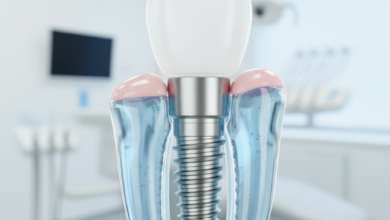
Sedation dentistry involves the use of medication to help patients relax during dental procedures. It’s often referred to as “sleep dentistry,” though in most cases, patients are not actually asleep but rather in a deeply relaxed, often dream-like state, where they are still conscious and able to respond to commands. The primary goal is to alleviate fear and discomfort, allowing the dental team to perform complex procedures like dental implant placement efficiently and effectively. Dental implants are a permanent solution for missing teeth, offering unparalleled stability, function, and aesthetics. The process typically involves surgical placement of a titanium post into the jawbone, followed by a healing period, and finally, the attachment of a custom crown, bridge, or denture. Given the surgical nature of implant placement, sedation dentistry plays a crucial role in enhancing patient comfort and ensuring a positive treatment outcome.
Types of Sedation Used for Dental Implants
The choice of sedation method depends on the patient’s anxiety level, health status, and the complexity and duration of the implant procedure. Your dental professional will conduct a thorough evaluation to determine the most appropriate option.
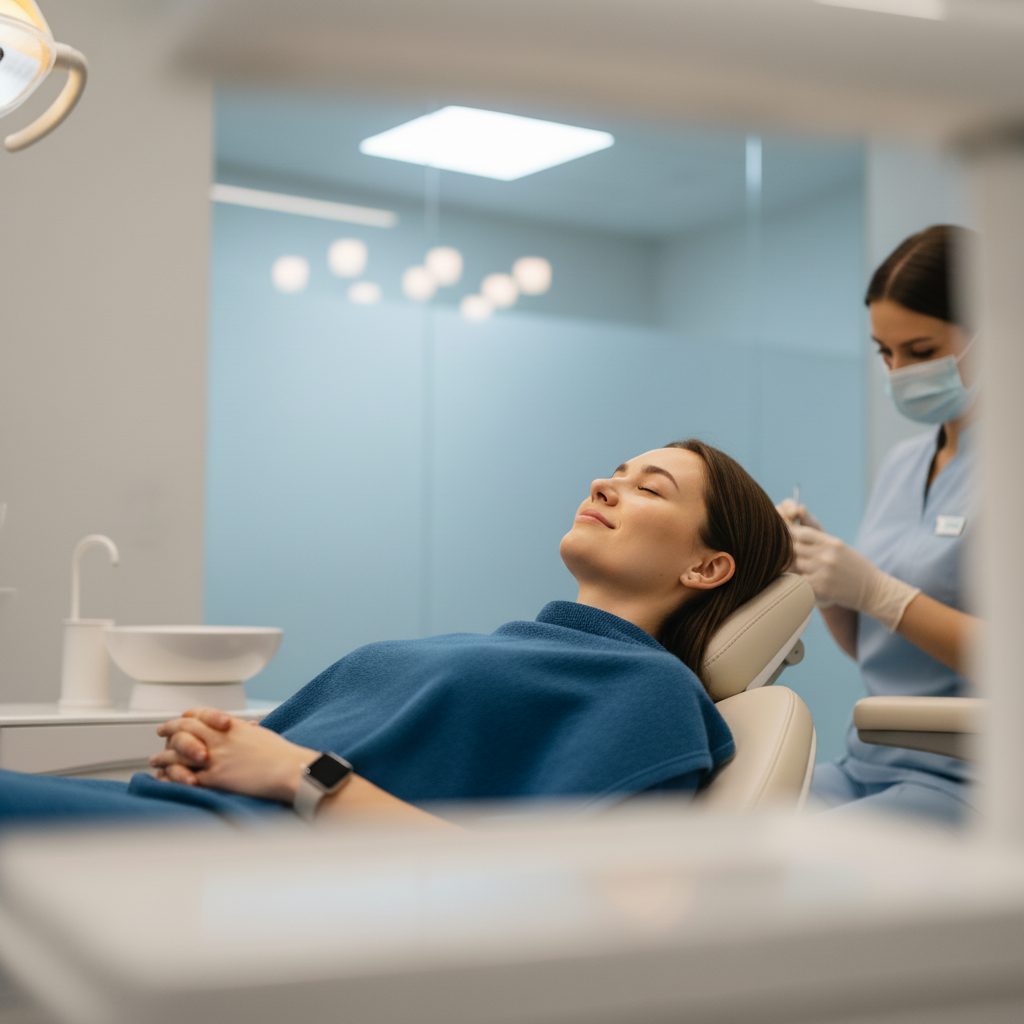
Moderate Sedation (Oral Sedation): This involves taking a prescribed pill, such as Halcion (a benzodiazepine), an hour before the appointment. The pill makes the patient feel drowsy and relaxed, though they remain conscious. While under moderate sedation, patients may remember little to nothing of the procedure. Due to the lingering effects, an escort is required to drive the patient home.
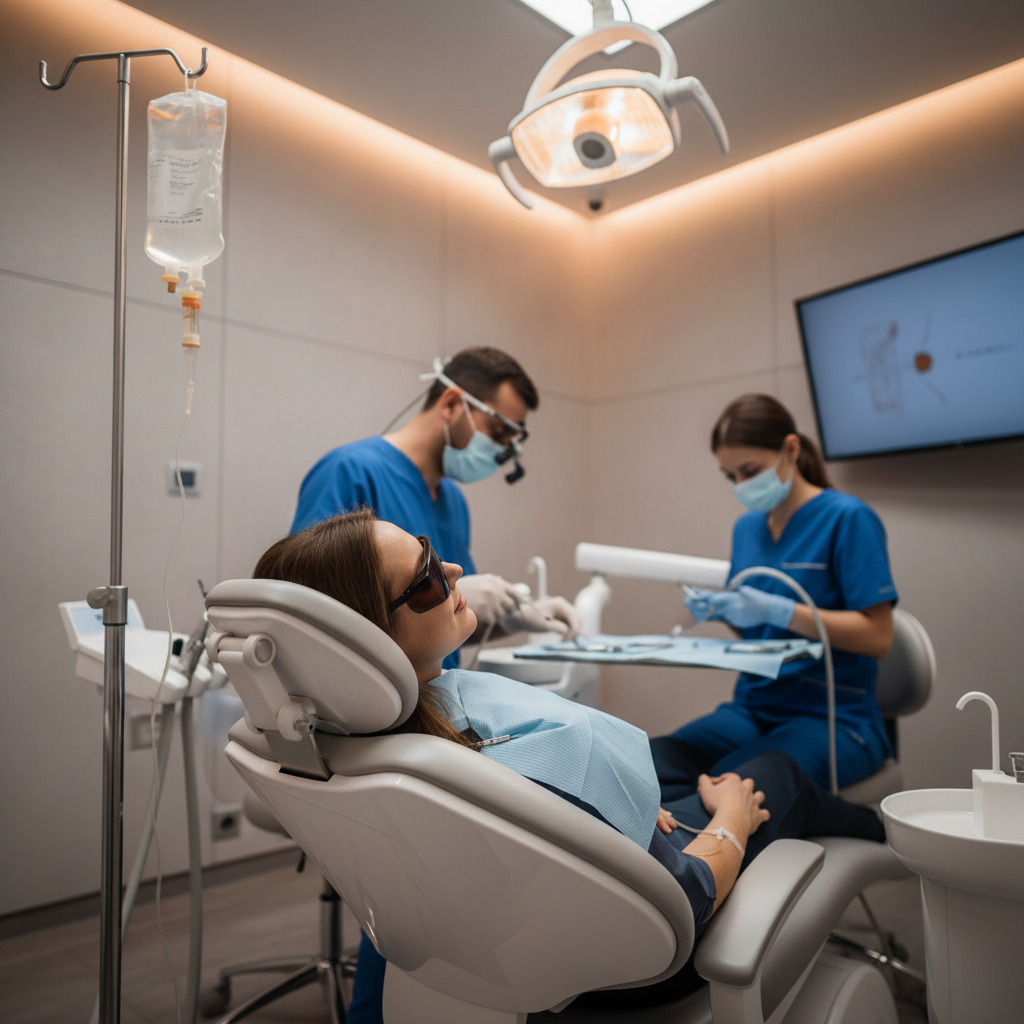
Deep Sedation (Intravenous or IV Sedation): Administered intravenously, IV sedation delivers medication directly into the bloodstream, allowing for a deeper level of relaxation and precise control over the sedative’s depth. Patients often feel like they’ve slept through the procedure, with very little memory of it. IV sedation is particularly beneficial for longer, more complex implant surgeries or for patients with severe dental phobia. Continuous monitoring of vital signs is performed throughout the procedure.
General Anesthesia: While less common for routine dental implant placement in an office setting, general anesthesia renders the patient completely unconscious. This option is typically reserved for extensive surgeries, patients with severe medical conditions, or those who cannot be managed with other forms of sedation. It requires administration by an anesthesiologist and close monitoring.
Benefits of Sedation for Dental Implant Procedures
The integration of sedation dentistry into the dental implant process offers numerous advantages for both patients and clinicians:
- Alleviates Dental Anxiety and Phobia: For patients who experience extreme fear, a strong gag reflex, or sensitivity, sedation creates a calm and comfortable environment, making the procedure tolerable.
- Pain Management: Sedation, combined with local anesthesia, ensures that patients feel no pain during the implant placement. Even after the local anesthetic wears off, the residual effects of sedation can help manage initial discomfort.
- Allows for Longer Procedures: Dental implant surgery can sometimes be lengthy, especially for multiple implants or bone grafting procedures. Sedation allows patients to remain comfortable and cooperative for extended periods.
- Minimizes Movement: A relaxed patient is less likely to move unintentionally, which helps the dentist perform the delicate surgical steps with greater precision.
- Reduces Gag Reflex: Many patients suffer from an overactive gag reflex, which can make dental procedures challenging. Sedation effectively suppresses this reflex.
- Efficiency for the Dentist: With a calm and cooperative patient, the dental team can work more efficiently, potentially reducing the overall chair time.
- Fewer Appointments: For extensive treatment plans, sedation can enable multiple procedures to be completed in a single, longer appointment, reducing the total number of visits.
The Sedation Dentistry and Dental Implant Process
A successful dental implant journey with sedation involves careful planning and execution.
1. Initial Consultation and Assessment: This critical first step involves a comprehensive evaluation of your oral health, medical history, and current medications. The dentist will discuss your fears and anxieties, explain the implant procedure, and determine if sedation dentistry is suitable for you. This is also when the most appropriate type of sedation will be decided. Imaging tests, such as X-rays or CT scans, will be performed to assess bone quality and plan implant placement.
2. Pre-Procedure Instructions: Depending on the type of sedation chosen, you will receive specific instructions. For oral or IV sedation, you’ll likely be asked to fast for a certain number of hours before the appointment and arrange for an escort to drive you to and from the clinic. It’s also important to discuss any concerns or questions you have with your dental team before the day of the procedure.
3. During the Procedure: Once you arrive, the sedation will be administered. For nitrous oxide, the mask will be placed. For oral sedation, you would have taken the pill beforehand. For IV sedation, the medication will be administered intravenously, and your vital signs (heart rate, blood pressure, oxygen levels) will be continuously monitored by the dental team. Once you are adequately sedated, the local anesthetic will be applied to numb the surgical area, ensuring you feel no pain. The dental implant placement procedure will then commence, following the pre-planned surgical guide. Many practices today utilize pain-free dental implant techniques, further enhancing comfort.
Safety and Professional Standards
The safety of sedation dentistry is paramount. It should always be performed by qualified dental professionals who have undergone specialized training in sedation techniques and emergency protocols. Modern dental clinics are equipped with state-of-the-art monitoring equipment to ensure patient safety throughout the procedure. Before any sedation is administered, a thorough review of your medical history ensures there are no contraindications. Choosing a reputable clinic with experienced dentists and a dedicated team is essential for a safe and successful experience. For more detailed insights into sedation dentistry and its applications, you can consult authoritative resources such as Wikipedia’s entry on Sedation Dentistry.
Choosing the Right Sedation Option for You
Deciding on the best sedation method involves a discussion with your dentist, considering:
- Your Anxiety Level: Mild anxiety might be managed with nitrous oxide, while severe phobia could require IV sedation.
- Procedure Complexity and Duration: Longer, more invasive procedures often benefit from deeper sedation levels.
- Medical History: Certain health conditions or medications may influence which sedation options are safe for you.
- Personal Preferences: Some patients prefer to be completely unaware, while others are comfortable with a lighter state of relaxation.
Ultimately, the goal is to create a tailored experience that addresses your individual needs and ensures your comfort during the dental implant process.
Achieving a Confident Smile with Sedation
Dental implants represent a significant investment in your oral health and quality of life. They restore not only the ability to chew and speak properly but also confidence in your smile. By incorporating sedation dentistry, the journey to a renewed smile becomes accessible and manageable for everyone, regardless of their past dental experiences or current anxieties. The ability to undergo complex dental procedures without fear or discomfort removes a major barrier to receiving essential care, paving the way for healthier, more beautiful smiles. With sedation dentistry, patients can look forward to their dental implant procedure with confidence, knowing they are in capable hands and will experience the utmost comfort.
4. Post-Procedure Care and Recovery: After the implant is successfully placed, you will be moved to a recovery area. The effects of the sedation will gradually wear off. For oral and IV sedation, your escort will need to take you home, and you should plan to rest for the remainder of the day. You will receive detailed post-operative instructions, including guidelines for pain management, diet, oral hygiene, and follow-up appointments. It’s crucial to follow these instructions diligently for optimal healing and implant integration.