Pain Free Dental Implant Techniques Explained
Pain Free Dental Implant Techniques Explained
For many considering dental implants, the apprehension of pain is a significant deterrent. It’s a common misconception that such a sophisticated surgical procedure must inherently involve significant discomfort. However, advancements in modern dentistry, coupled with innovative techniques and patient-centric approaches, have revolutionized the dental implant experience. Today, achieving a healthy, functional, and aesthetically pleasing smile through dental implants can be a remarkably comfortable, if not entirely pain-free, journey. This comprehensive guide will demystify the process, highlighting the methods and technologies employed by leading dental professionals to ensure patient comfort from consultation through recovery.
Understanding the fear of dental pain is crucial. Historically, dental procedures were often associated with varying degrees of discomfort, leading to widespread anxiety. However, contemporary dental practices place a paramount emphasis on patient well-being, utilizing a suite of tools and protocols designed specifically to minimize or eliminate pain. Dental implant surgery, while intricate, is typically performed under effective anesthesia, ensuring the patient experiences no sensation during the procedure itself. The focus has shifted from simply performing the surgery to ensuring a smooth, stress-free, and comfortable experience for every individual.
The Evolution of Dental Implant Procedures
Dental implants have come a long way since their inception. What was once considered a complex and potentially daunting procedure has evolved into a highly predictable and routine solution for tooth loss. This evolution is not just in the materials used or the success rates, but significantly in the methods employed to manage pain and anxiety. Modern implantology integrates advanced diagnostics, precise planning, and sophisticated surgical techniques, all contributing to a more comfortable patient experience. The goal is always to restore oral function and aesthetics with minimal disruption to the patient’s daily life, and pain management is central to achieving this.
Key Techniques for a Pain Free Dental Implant Experience
Achieving a truly comfortable dental implant experience relies on a combination of factors, primarily the skill of the dental surgeon, the technology available, and a personalized approach to patient care. Here are the core techniques and strategies that contribute to making dental implant procedures as pain-free as possible:
Advanced Anesthesia and Sedation Options
The cornerstone of a pain-free procedure is effective anesthesia. Dentists offer a range of options tailored to individual patient needs and anxiety levels:
- Local Anesthesia: This is the most common form, numbing only the area where the implant will be placed. Patients remain fully conscious but feel no pain, only pressure. Modern local anesthetics are highly effective and quick-acting.
- Oral Sedation: For those with mild to moderate anxiety, a prescribed pill taken before the appointment can induce a state of relaxation. Patients are conscious but often feel drowsy and may have little memory of the procedure.
- IV Sedation (Conscious Sedation): Administered intravenously, this allows for a deeper state of relaxation. Patients are typically awake but extremely relaxed and comfortable, often feeling as though they slept through the procedure. It’s carefully monitored by an anesthesiologist or trained professional.
- General Anesthesia: In rare cases, or for extensive procedures, general anesthesia may be used, rendering the patient completely unconscious. This is typically performed in a hospital setting or a highly equipped dental office with a certified anesthesiologist.
The choice of anesthesia is always discussed thoroughly with the patient, taking into account their health history, anxiety levels, and the complexity of the procedure.
Minimally Invasive Surgical Techniques
Minimally invasive approaches are designed to reduce trauma to the surrounding tissues, leading to less post-operative pain and faster healing.
- Flapless Surgery: In suitable cases, implants can be placed without lifting a large gum flap, meaning less cutting and suturing. This technique significantly reduces discomfort and speeds up recovery.
- Smaller Incisions: Precision planning allows for smaller, more targeted incisions, minimizing tissue disturbance.
3D Imaging and Advanced Treatment Planning
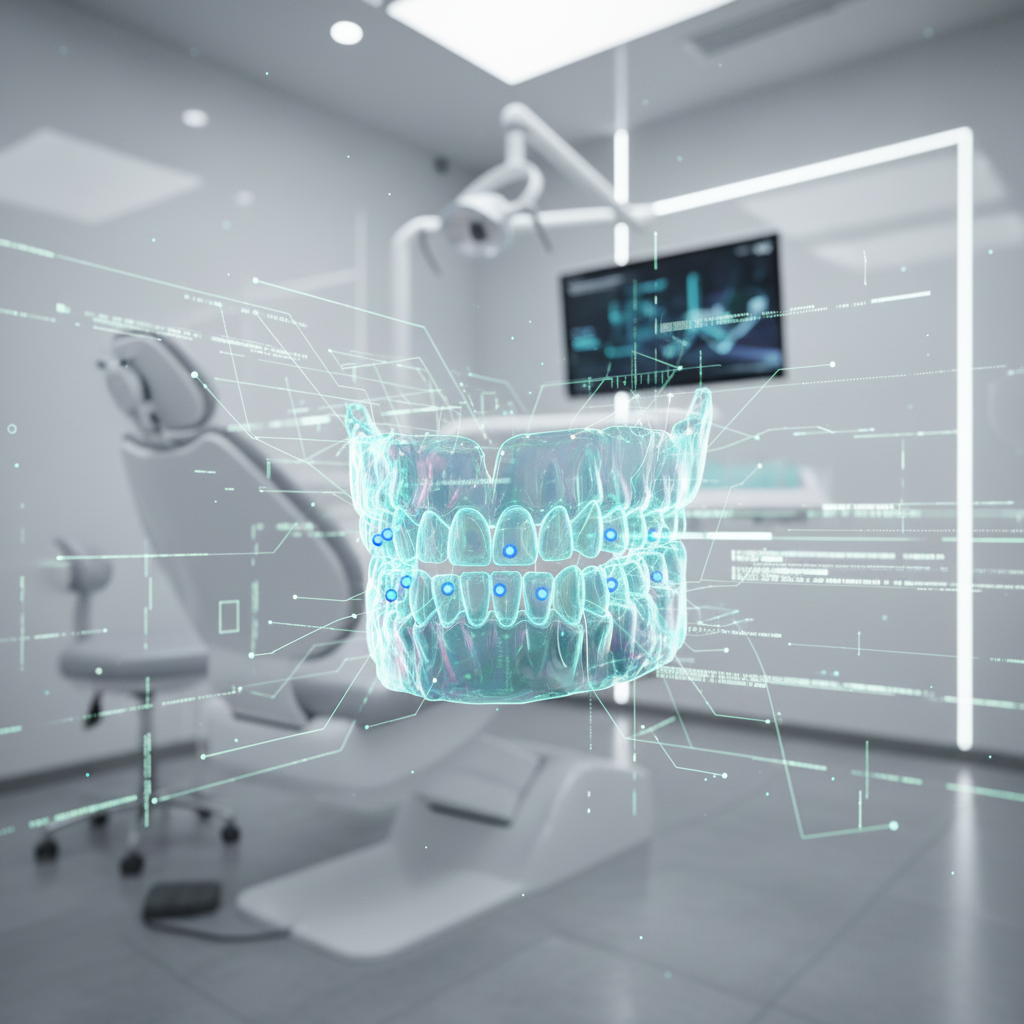
Modern dental clinics utilize Cone Beam Computed Tomography (CBCT) scans, which provide detailed 3D images of the jawbone, nerves, and sinus cavities. This technology is invaluable for:
- Precise Diagnosis: Identifying bone density, nerve pathways, and anatomical structures with unparalleled accuracy.
- Optimal Placement Planning: Allowing the surgeon to plan the exact position, angle, and depth of each implant virtually before surgery. This avoids vital structures, reduces surgical time, and enhances predictability, all contributing to a smoother procedure and recovery.
Computer-Guided Implant Placement
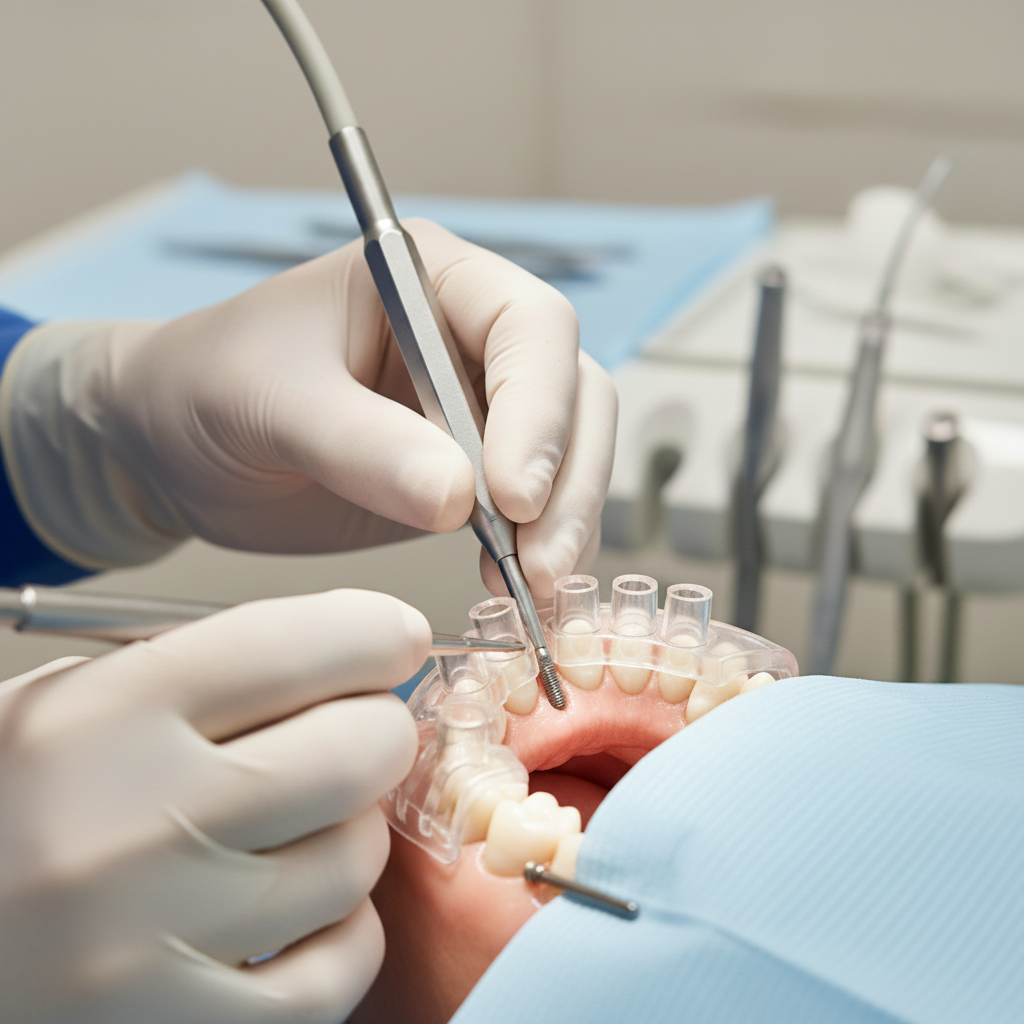
Building on 3D imaging, computer-guided surgery takes precision to the next level. After virtual planning, a custom surgical guide (a stent that fits over the existing teeth or gums) is fabricated. During surgery, this guide directs the drill, ensuring that the implant is placed in the pre-planned, ideal position. This method:
- Enhances Accuracy: Minimizing human error.
- Reduces Trauma: Less invasive, often allowing for flapless surgery.
- Shortens Procedure Time: Streamlining the placement process.
- Minimizes Post-operative Discomfort: Due to reduced tissue manipulation.
Piezoelectric Surgery
This advanced surgical technique uses ultrasonic vibrations instead of traditional drills or saws for bone cutting. Piezoelectric surgery offers several advantages:
- Precision: Allows for extremely precise bone cuts, preserving more healthy bone.
- Tissue Selectivity: It only affects hard tissue (bone) and not soft tissues like nerves, blood vessels, or gums, greatly reducing the risk of accidental damage and improving patient safety.
- Reduced Heat Generation: Less heat generation compared to conventional drills, which is beneficial for bone healing and integration.
- Faster Healing: Less trauma leads to quicker and more comfortable recovery.
Patient Comfort During the Procedure
Beyond the technical aspects, a compassionate and attentive dental team plays a crucial role. This includes:
- Open Communication: Ensuring the patient understands every step and feels comfortable asking questions.
- Comfortable Environment: Providing a calm atmosphere, often with amenities like blankets, music, or stress balls.
- Regular Checks: The dental team constantly monitors the patient for any signs of discomfort and can administer additional anesthesia if needed.
Post-Procedure Pain Management and Recovery
Even with the most advanced techniques, some mild discomfort is normal after any surgical procedure. However, this is typically well-managed with:
- Prescribed Pain Medication: Over-the-counter pain relievers (like ibuprofen) are often sufficient, but stronger medications can be prescribed if necessary.
- Anti-inflammatory Medications: To reduce swelling and discomfort.
- Cold Compresses: Applied externally to the cheek to minimize swelling in the initial hours.
- Clear Post-operative Instructions: Guidance on diet, oral hygiene, and activity restrictions to promote healing and prevent complications. Adhering to these instructions is vital for a smooth recovery and to prevent issues like a failed dental implant.
Most patients report that post-operative discomfort is comparable to or less than that of a tooth extraction, and typically subsides within a few days.
Choosing the Right Clinic and Specialist for a Pain-Free Experience
The expertise of the dental professional is paramount. When considering dental implants, look for a clinic and surgeon with:
- Specialized Training: Dentists with extensive training and experience in implantology.
- Advanced Technology: Clinics equipped with 3D imaging, guided surgery systems, and modern anesthesia options.
- Positive Patient Reviews: Testimonials often highlight the clinic’s approach to patient comfort and pain management.
- Comprehensive Consultations: A thorough discussion of your medical history, treatment plan, and pain management strategies is essential.
A reputable clinic prioritizes patient education and ensures all concerns, especially those related to pain, are addressed transparently. For instance, reputable resources like Wikipedia’s entry on dental implants can offer general information, but a personalized consultation is always crucial.
Benefits Beyond Pain Relief
While minimizing pain is a primary concern, the long-term benefits of dental implants far outweigh any temporary discomfort. These include:
- Enhanced Aesthetics: Implants look and feel like natural teeth, restoring your smile.
- Improved Functionality: You can eat, speak, and chew with confidence, without worrying about prosthetic movement.
- Bone Preservation: Implants stimulate the jawbone, preventing the bone loss that occurs after tooth extraction.
- Durability: With proper care, dental implants can last a lifetime, making them a long-term investment in your oral health.
- Confidence and Quality of Life: Restoring missing teeth significantly boosts self-esteem and overall well-being.
Modern dental implant procedures are designed with patient comfort at their core. By combining advanced anesthesia, minimally invasive surgical techniques, precise 3D planning, computer-guided placement, and compassionate care, dental professionals ensure that the journey to a restored smile is as comfortable and pain-free as possible. The fear of pain should no longer be a barrier to seeking this life-changing dental solution.