Zirconium Dental Implants Explained
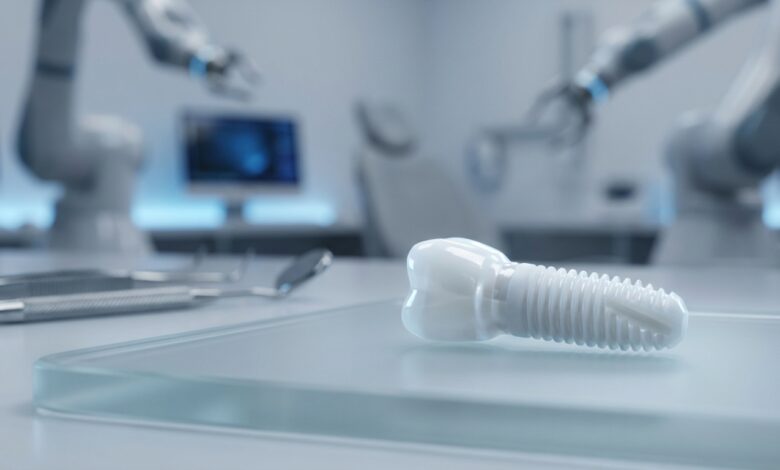
Zirconium Dental Implants Explained: a modern, metal-free solution for restoring your smile with strength and beauty. For decades, titanium has been the undisputed standard for dental implants, offering a reliable and durable way to replace missing teeth. However, advancements in dental materials science have introduced a formidable alternative: zirconium. These ceramic implants are gaining popularity among patients and clinicians for their unique combination of aesthetics, biocompatibility, and holistic appeal. As a metal-free option, they address concerns about metal allergies and sensitivities while providing a foundation for a natural-looking and long-lasting tooth replacement. Understanding the properties and benefits of this innovative material is the first step toward making an informed decision about your dental health.
What Are Zirconium Implants?
Contrary to what their name might suggest, zirconium dental implants are not made of a pure metal. They are crafted from zirconium dioxide (ZrO2), an incredibly strong and durable dental ceramic. This material belongs to the titanium family on the periodic table but is chemically compounded with oxygen to form a crystalline ceramic. This transformation gives it entirely different properties, most notably its white, tooth-like color and its status as a bio-inert, non-metallic substance. This is a critical distinction, as it places zirconium in a separate category from traditional metal implants.
The manufacturing process for zirconium implants is highly advanced, resulting in a single-piece or two-piece implant that is both robust and resistant to fracture. Its inherent strength is comparable to that of titanium, allowing it to withstand the immense biting and chewing forces exerted in the mouth. Furthermore, its ceramic nature means it is completely resistant to corrosion, eliminating any risk of metal ions being released into the body over time. This combination of strength, aesthetics, and biological inertness makes zirconium dioxide an exceptional material for dental implantology, offering a high-performance alternative for modern tooth restoration.
The Advantages of Choosing Zirconium Dental Implants
The choice to opt for zirconium implants often comes down to a set of distinct advantages that appeal to health-conscious and aesthetically-minded patients. These benefits range from superior visual outcomes to enhanced biological compatibility with the body’s tissues.
Superior Aesthetics
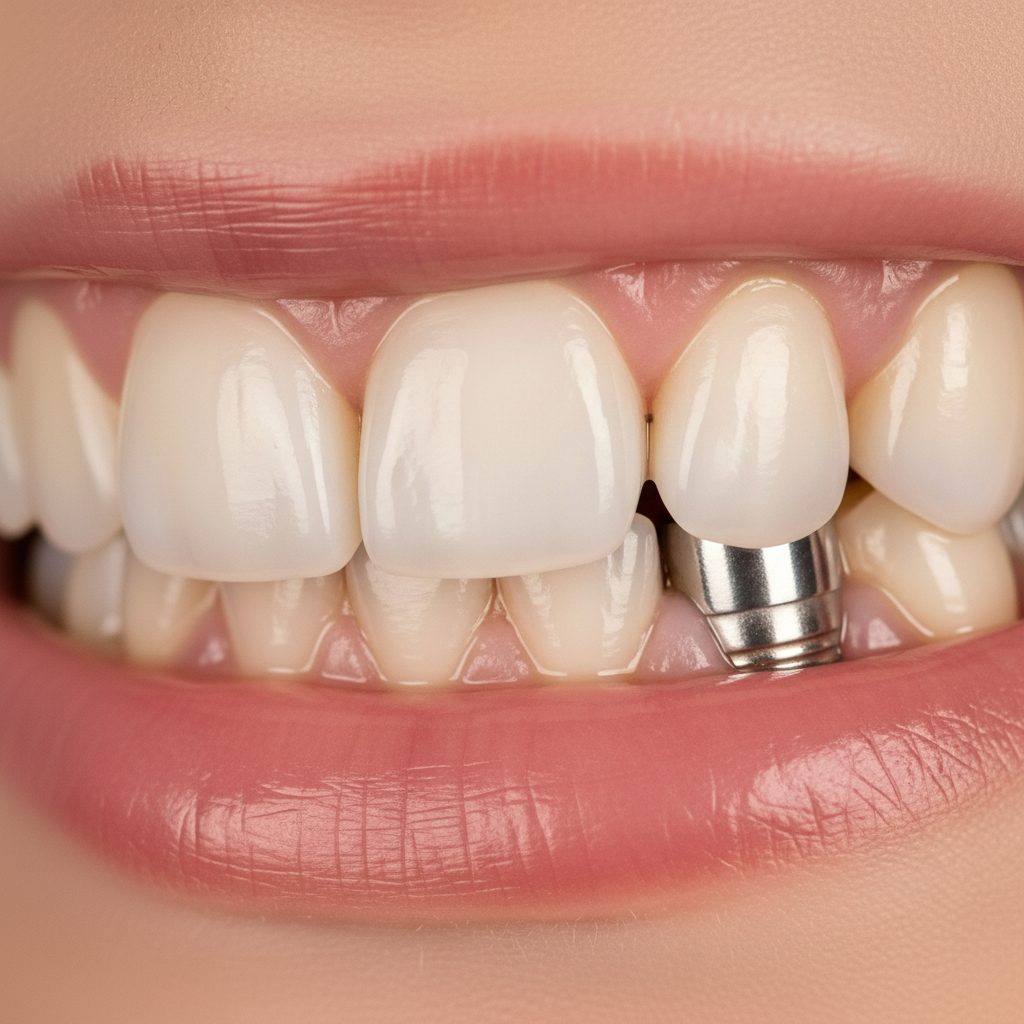
One of the most significant benefits of zirconium is its natural white color. This tooth-like hue provides a major aesthetic advantage over the gray-colored titanium. With titanium implants, a thin, dark line can sometimes become visible at the gum line, especially in patients who have thin or receding gums. This graying effect can detract from the natural appearance of the smile. Zirconium implants, being white, eliminate this risk entirely. The color of the implant blends seamlessly with the natural bone and gum tissue, ensuring that even if the gums recede slightly over time, there is no dark metal to be seen. This results in a more natural and visually pleasing restoration from the outset.
Excellent Biocompatibility
Biocompatibility refers to how well a material coexists with living tissue. Zirconium dioxide is known for being highly biocompatible and bio-inert, meaning it does not provoke a negative reaction from the body. It integrates exceptionally well with the jawbone in a process called osseointegration, forming a strong and stable bond. Furthermore, studies have shown that the surface of zirconium tends to accumulate less plaque and bacteria compared to titanium. This can lead to healthier gum tissue surrounding the implant and a reduced risk of peri-implantitis, a common inflammatory condition that can affect implants.
Hypoallergenic Properties
While rare, some individuals have allergies or sensitivities to metals, including titanium. For these patients, a titanium implant could potentially cause inflammation, itching, or even implant failure. Zirconium, being a ceramic and completely metal-free, is an ideal solution for anyone with known metal allergies or autoimmune disorders. It provides a hypoallergenic option that removes any concern about adverse reactions, offering peace of mind and predictable, successful outcomes for sensitive individuals.
Corrosion Resistance
Metals, including titanium alloys, can corrode when placed in the wet, chemical environment of the mouth. This process, though slow, can lead to the release of metal particles into the surrounding tissue and bloodstream. Zirconium, as a ceramic, is chemically non-reactive and does not corrode. This stability ensures that the implant remains pure and intact for its entire lifespan, preventing any potential inflammation or systemic issues linked to metal ion release. Its resistance to chemical reactions makes it a very stable and safe long-term solution.
Zirconium vs. Titanium Implants: A Detailed Comparison
While titanium has a longer track record in dentistry, zirconium offers compelling reasons to be considered a premier choice. Understanding the direct differences between these two materials can help clarify which option might be best for an individual’s specific needs. The following table provides a clear, side-by-side comparison of their key characteristics.
| Feature | Zirconium Implants | Titanium Implants |
|---|---|---|
| Material Type | Ceramic (Zirconium Dioxide) | Metal (Titanium Alloy) |
| Color | White, tooth-colored | Gray, metallic |
| Aesthetics | Excellent; no gray showing through gums | Good; potential for a dark line at the gum |
| Biocompatibility | Excellent; low plaque affinity | Excellent; well-established osseointegration |
| Allergenic Potential | Hypoallergenic; ideal for metal allergies | Very low risk, but documented allergies exist |
| Corrosion | Completely corrosion-resistant | Highly resistant but can corrode over time |
| Conductivity | Non-conductive (insulator) | Conducts heat and electricity |
| Clinical History | Over 20 years of successful use | Over 50 years of successful use (industry standard) |
| Structure | Often one-piece, but two-piece designs are available | Typically two-piece (implant and abutment) |
The choice between zirconium and titanium is not always a matter of one being definitively better than the other; rather, it’s about matching the material’s properties to the patient’s priorities. For those placing the highest value on aesthetics, especially for a front tooth replacement, or for individuals with metal sensitivities, zirconium presents a clear advantage. Its holistic, metal-free nature is also a significant factor for many. Titanium remains an excellent choice with a vast body of long-term clinical data supporting its success, but zirconium has firmly established itself as a high-quality, reliable, and aesthetically superior alternative in the field of dental implant techniques.
The Zirconium Implant Placement Process
The process of receiving a zirconium dental implant is a meticulously planned surgical procedure that follows a similar path to that of a titanium implant. It involves several key stages to ensure a stable, functional, and beautiful final result.
Initial Consultation and Planning
The journey begins with a comprehensive dental examination. This includes a thorough assessment of your oral health, jawbone density, and overall medical history. Advanced imaging, such as a Cone Beam Computed Tomography (CBCT) scan, is used to create a detailed 3D model of your jaw. This allows the surgeon to precisely plan the implant placement, determining the optimal position, angle, and size of the zirconium implant to ensure it has maximum support and avoids critical structures like nerves and sinuses.
Who is an Ideal Candidate?
Ideal candidates for zirconium implants have sufficient jawbone density to support the implant, good overall oral hygiene, and healthy gum tissues. They are often patients seeking a metal-free option due to allergies, immune system sensitivities, or a preference for holistic dental treatments. As with any implant, smokers or individuals with uncontrolled chronic conditions like diabetes may require additional evaluation, as these factors can affect the healing process.
Surgical Placement and Osseointegration
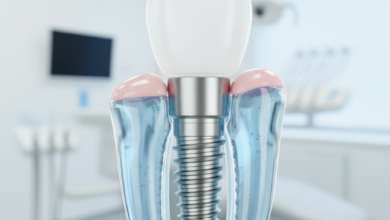
The surgical placement is typically performed under local anesthesia. The surgeon makes a small incision in the gum to access the jawbone. A precise channel is then created in the bone, and the zirconium implant is carefully placed into it. Once the implant is secure, the gum tissue is sutured closed over it. This begins the most critical phase: osseointegration. Over the next three to six months, the jawbone will naturally grow around and fuse with the implant’s biocompatible surface. The success of zirconium in this process is well-documented, as extensive research shows its surface promotes strong bone integration, a foundational requirement for long-term implant stability. According to a review on zirconia in dental implantology, the material exhibits excellent osseointegration properties that are comparable to those of titanium.
Final Restoration
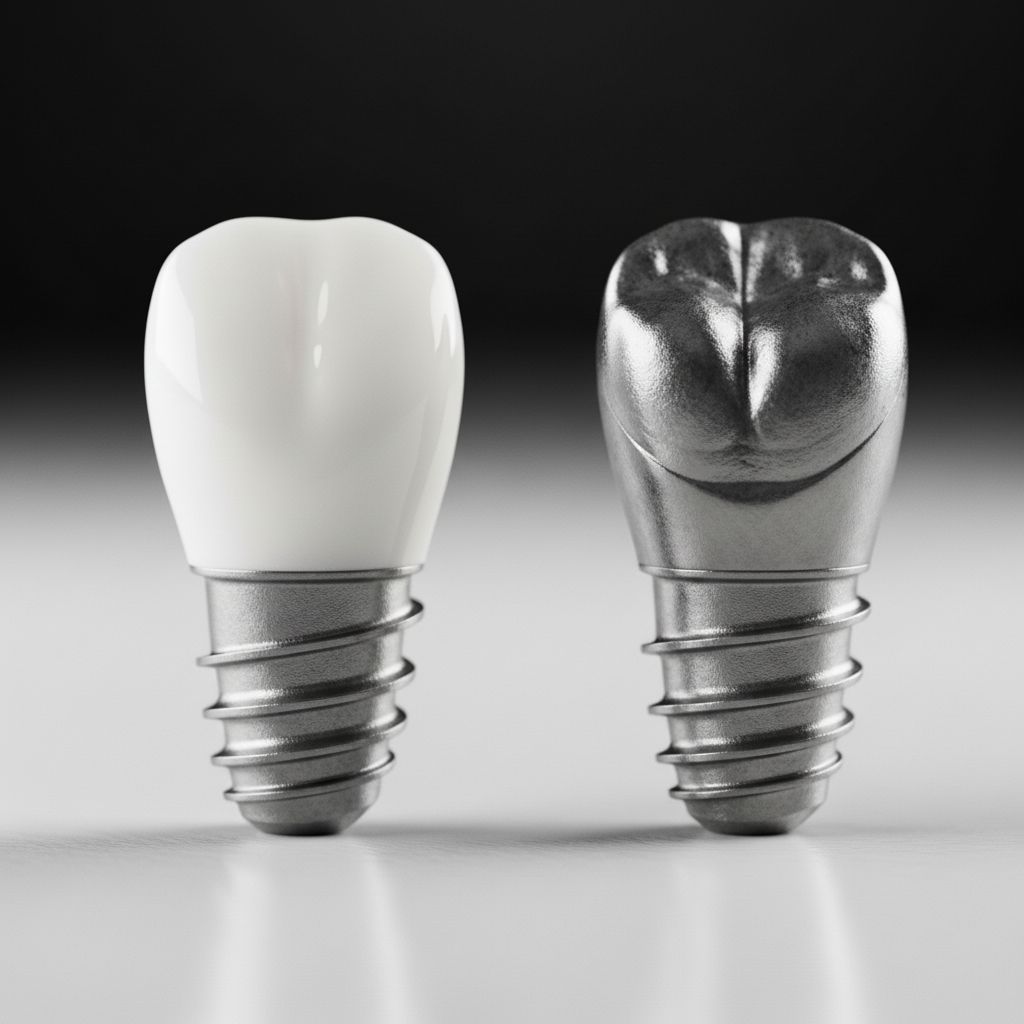
After osseointegration is complete, the final step is to attach the visible part of the tooth. If a one-piece zirconium implant was used (where the implant and abutment are a single unit), a custom-made crown is simply bonded directly onto the top of the implant. If a two-piece system was used, a separate abutment is first attached to the implant, and then the crown is cemented or screwed onto the abutment. The crown is custom-crafted to match the color, shape, and size of your natural teeth, completing your smile with a seamless and durable restoration.