How Long Until Dental Implants Heal
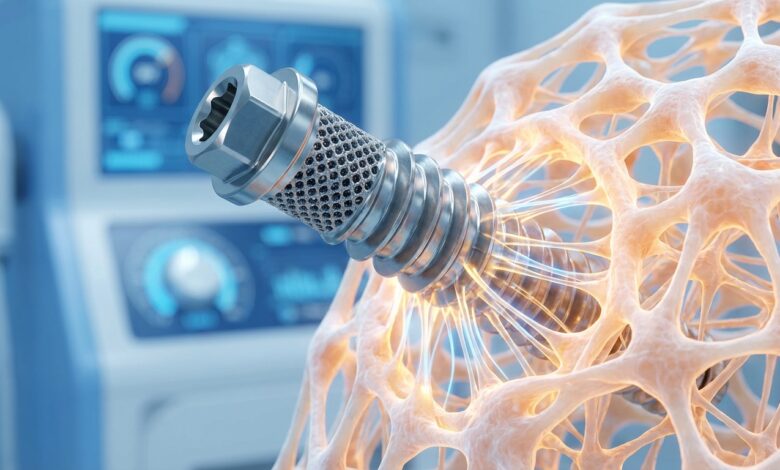
How Long Until Dental Implants Heal is a critical question for anyone considering this life-changing tooth replacement solution. Understanding the recovery timeline is essential for managing expectations and ensuring the long-term success of the procedure. While the final crown may be placed months after the initial surgery, the healing process is a multi-stage journey that involves both soft tissue recovery and the crucial integration of the implant with your jawbone. This process, known as osseointegration, is a biological marvel that allows dental implants to function with the strength and stability of natural teeth. The total duration can vary significantly from one individual to another, influenced by a range of factors including overall health, bone quality, and the complexity of the surgery.
Understanding the Dental Implant Healing Process
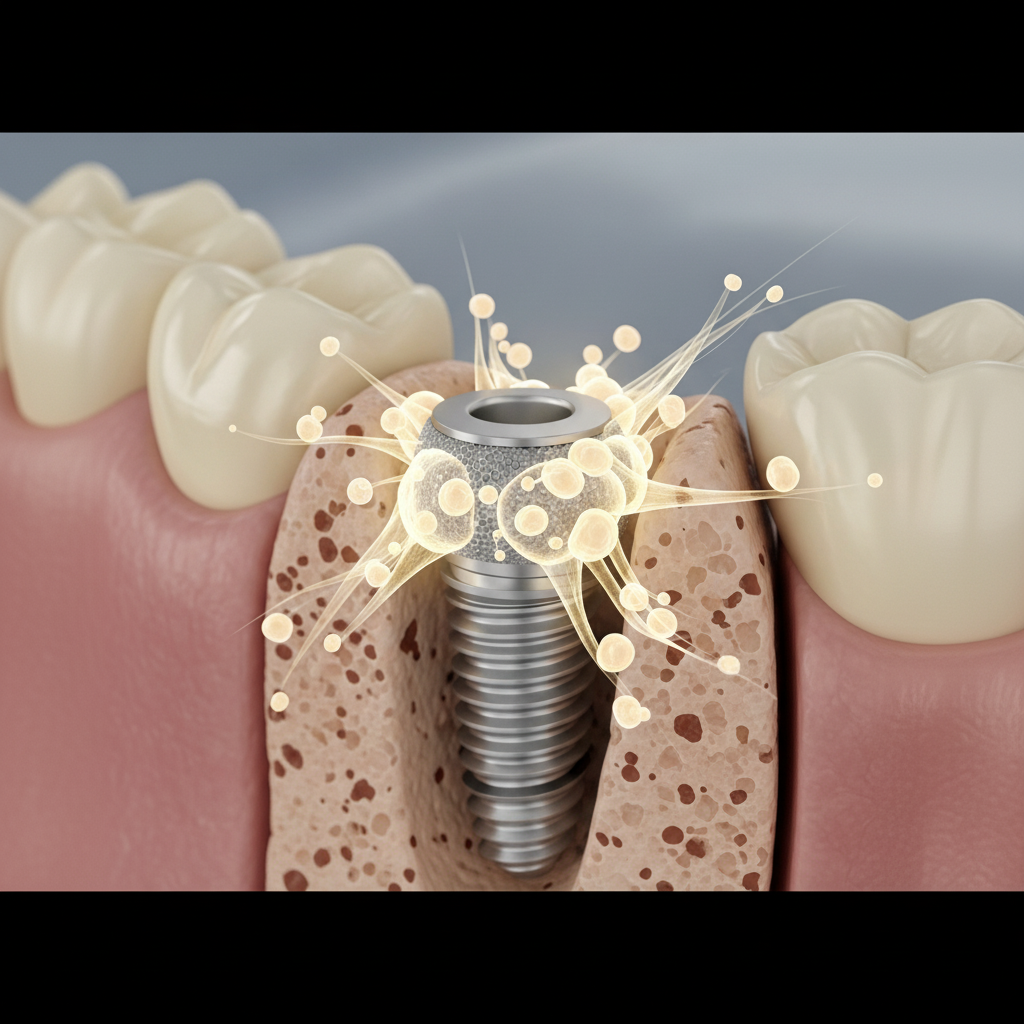
The foundation of a successful dental implant is a process called osseointegration. This is the biological mechanism by which the implant post, typically made of biocompatible titanium, fuses directly with the surrounding jawbone. This fusion creates an incredibly strong and stable base for the future dental crown. Think of it as the bone cells recognizing the implant surface and growing onto it, effectively making the implant a permanent part of your jaw. This is not an instantaneous event; it is a gradual process that requires time and a specific set of biological conditions to occur correctly. A thorough understanding of this process is key to appreciating why the healing timeline can take several months.
The Science of Osseointegration
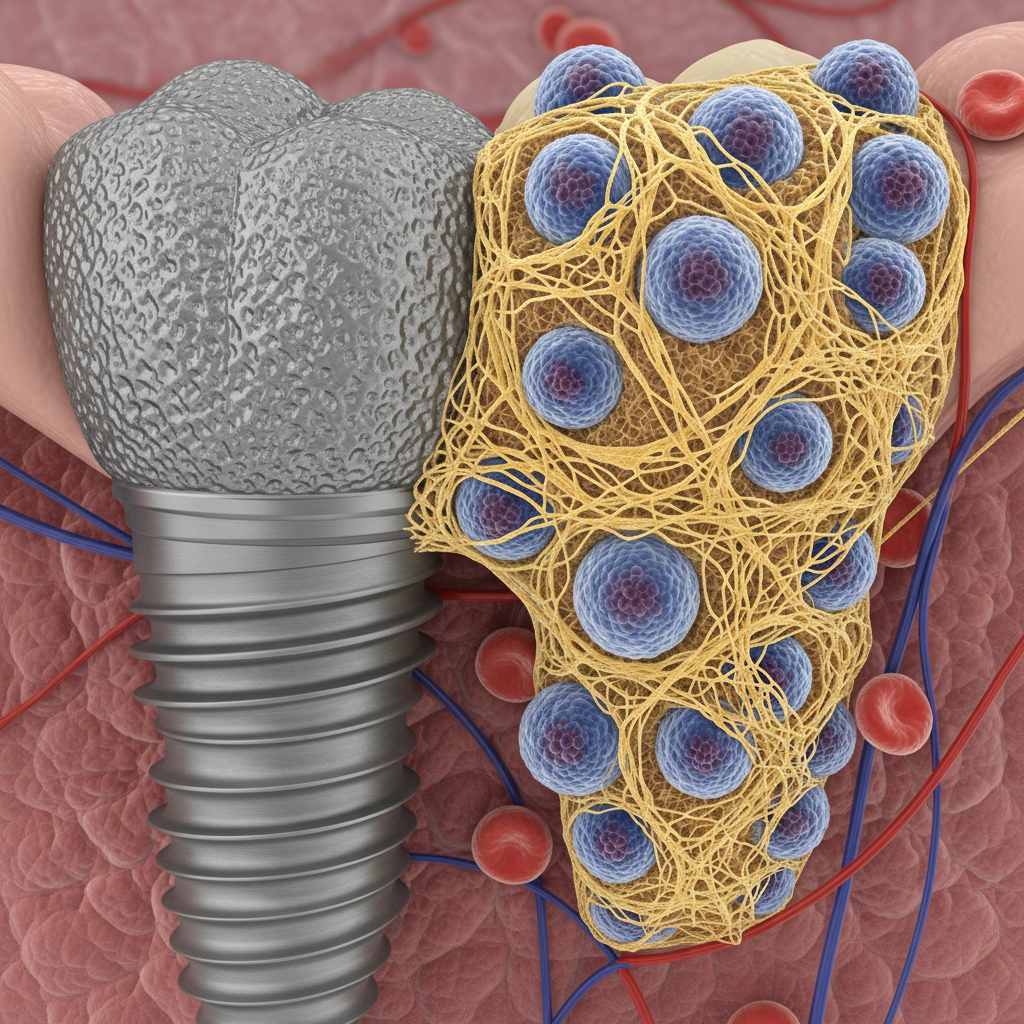
Immediately after the implant is surgically placed into the jawbone, the body initiates a healing response. In the first few weeks, a clot forms around the implant, and specialized cells called osteoblasts begin their work. These are the bone-building cells responsible for generating new bone tissue. They migrate to the titanium surface of the implant and start depositing bone matrix, gradually filling in the microscopic gaps between the implant and the existing bone. According to extensive research, the surface texture of the implant plays a vital role in encouraging this cell adhesion and growth. This is why modern implants have specially treated surfaces to maximize bone contact and speed up the fusion process. For a detailed scientific overview, the concept of osseointegration has been a cornerstone of implant dentistry for decades. This period of bone growth is the longest and most critical part of the healing journey.
The Dental Implant Healing Timeline: A Stage-by-Stage Breakdown
The recovery from dental implant surgery can be broken down into several distinct phases. Each stage has its own milestones, patient experiences, and specific care instructions. While individual experiences will vary, this timeline provides a general framework for what to expect as you heal. It is important to remember that this journey requires patience, as the most critical work of bone fusion happens silently beneath the gums.
| Timeframe | Key Healing Process | Patient Experience & Care Instructions |
|---|---|---|
| First 24-48 Hours | Initial Clot Formation & Inflammation | Expect minor bleeding, swelling, and discomfort. Use ice packs, take prescribed pain medication, and rest. Avoid spitting, rinsing forcefully, or using straws. Stick to liquid or very soft foods. |
| Week 1-2 | Soft Tissue (Gum) Healing | Swelling and discomfort should gradually subside. Gums will begin to heal around the implant site. Continue a soft-food diet. You may be instructed to begin gentle saline rinses. Sutures, if not dissolvable, are typically removed around this time. |
| Week 2 to Month 3 | Initial Osseointegration | This is the beginning of the crucial bone-to-implant fusion. You will likely feel no pain at the implant site. You can slowly reintroduce more solid foods but should still avoid chewing directly on the implant area. Maintain excellent oral hygiene. |
| Month 3-6+ | Mature Osseointegration | The bone has now securely fused with the implant, creating a strong, stable foundation. Your dentist will verify successful integration with an X-ray before proceeding with the final steps of placing the abutment and crown. |
Factors Influencing Your Recovery Time
Not everyone heals at the same rate. Several personal and procedural factors can significantly impact the overall timeline. Understanding these variables can help you and your dental surgeon create a more accurate and personalized treatment plan.
Patient Health and Lifestyle: Your body’s ability to heal is paramount. Conditions like uncontrolled diabetes or autoimmune disorders can slow down the healing process. Smoking is one of the most significant negative factors, as it restricts blood flow to the gums and bone, hindering osseointegration and increasing the risk of implant failure.
Bone Quality and Quantity: A successful implant needs a solid foundation. If a patient has insufficient bone density or volume in their jaw, a bone grafting procedure may be necessary before or during implant placement. This adds an extra healing step, as the graft material needs to integrate with the natural bone, extending the total timeline by several months.
Number of Implants: The complexity of the procedure matters. A single implant placement will generally have a quicker and simpler recovery than a procedure for full mouth dental implants. A full-arch restoration involves more surgical trauma and a longer overall healing period to ensure all implants integrate properly.
Best Practices for a Smooth Recovery
While much of the healing process is biological, your actions during the recovery period play a massive role in the outcome. Following your surgeon’s post-operative instructions is not just a recommendation; it is essential for success.
Maintain Meticulous Oral Hygiene: Keeping the surgical site clean is crucial to prevent infection. Your dentist will provide specific instructions, which may include using an antimicrobial mouthwash and a soft-bristled toothbrush to gently clean around the area without disturbing the healing tissues.
Adhere to Dietary Restrictions: In the initial weeks, a soft-food diet is necessary to avoid putting pressure on the new implant. Chewing hard, crunchy, or sticky foods can disrupt the implant’s stability before it has had a chance to fuse with the bone. Nutrient-rich foods like soups, yogurts, smoothies, and mashed vegetables can support your body’s healing process.
Avoid Harmful Habits: As mentioned, smoking and excessive alcohol consumption can severely compromise healing. It is strongly advised to quit or at least abstain from smoking during the entire osseointegration period.
The journey to a fully restored smile with dental implants is a marathon, not a sprint. The healing period, particularly the months-long process of osseointegration, is a critical investment in a solution designed to last a lifetime. By understanding the stages of recovery, the factors that influence it, and the importance of diligent aftercare, patients can partner with their dental team to achieve a predictable and highly successful outcome. The final result—a strong, stable, and natural-looking tooth—is well worth the wait.