Full Mouth Dental Implants Complete Guide
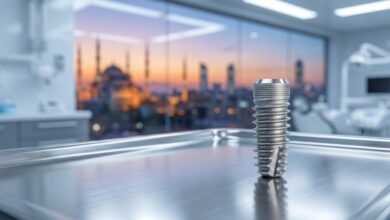
Full mouth dental implants, also known as full arch dental implants or implant-supported full bridges, are a fixed and permanent solution for edentulism (total tooth loss) in either the upper jaw, lower jaw, or both. The core of this technology is the dental implant itself—a small, screw-like post typically made of biocompatible titanium. This post is surgically placed into the jawbone, where it undergoes a remarkable process called osseointegration. During this process, the bone naturally fuses with the implant, creating an incredibly strong and stable foundation that mimics a natural tooth root.
Full Mouth Dental Implants Complete Guide to restoring your smile, function, and confidence when you have lost most or all of your teeth. Unlike traditional dentures that can slip, feel uncomfortable, and limit your diet, full mouth dental implants provide a permanent, stable, and highly aesthetic solution that is anchored directly into your jawbone. This comprehensive treatment involves strategically placing a series of titanium posts into the bone, which then act as artificial roots for a full arch of new, custom-crafted teeth. The result is a complete smile rehabilitation that not only looks and feels incredibly natural but also preserves jawbone health and restores your ability to eat, speak, and smile without hesitation. This transformative procedure represents the gold standard in modern dentistry for total tooth replacement.
What Are Full Mouth Dental Implants?
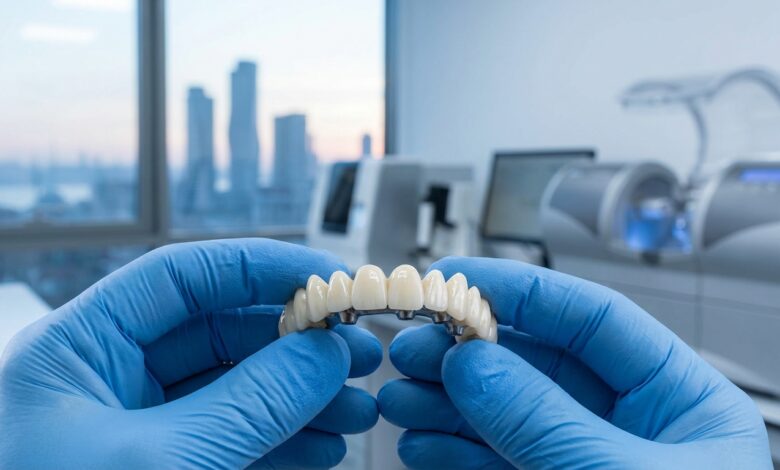
Instead of replacing each missing tooth with an individual implant, a full mouth restoration uses a smaller number of implants to support an entire arch of prosthetic teeth. For example, a full upper or lower bridge can be securely attached to as few as four or as many as eight implants. This approach is more efficient, less invasive, and often more cost-effective than a one-for-one replacement. The final prosthesis, whether it’s a bridge or a specialized denture, is custom-designed to match the patient’s facial aesthetics, providing a beautiful, durable, and fully functional set of teeth that does not need to be removed for cleaning.
Candidacy and Consultation: Are You a Suitable Candidate?
While full mouth dental implants offer life-changing benefits, they are a significant medical procedure requiring careful evaluation to ensure success. Ideal candidates are typically individuals who have experienced extensive tooth loss due to advanced periodontal disease, widespread decay, or trauma. Those who are currently struggling with ill-fitting conventional dentures and are seeking a more permanent and stable alternative are also excellent candidates.
Several key factors are assessed during the initial consultation:
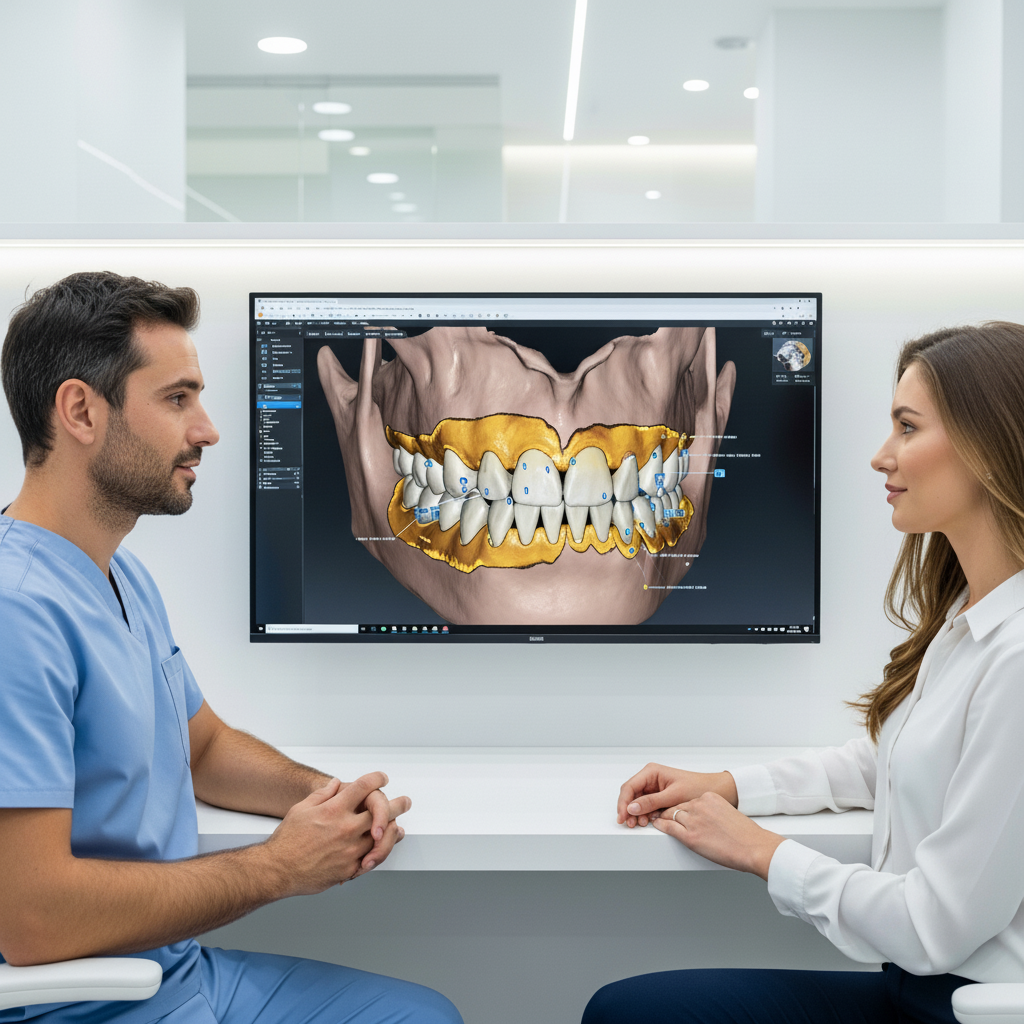
- Jawbone Density and Volume: Sufficient bone is required to securely anchor the implants. A 3D CBCT (Cone Beam Computed Tomography) scan is used to precisely measure the bone structure. If bone loss has occurred, a preliminary procedure like a bone graft or sinus lift may be necessary to build up the area.
- Overall Health: Candidates should be in good general health. Uncontrolled chronic conditions, such as diabetes or autoimmune disorders, can interfere with the healing process and implant success. A thorough medical history review is essential.
- Oral Hygiene Commitment: Implants require diligent care to prevent complications like peri-implantitis. A successful candidate must be committed to maintaining excellent oral hygiene and attending regular dental check-ups for the long term.
- Lifestyle Factors: Smoking can significantly impair healing and reduce the long-term success rate of dental implants. Patients are strongly advised to quit smoking before and after the procedure.
The consultation is a critical first step where the dentist will perform a comprehensive examination, discuss your aesthetic goals, and create a personalized treatment plan tailored to your specific anatomical and health needs.
A Breakdown of Full Arch Restoration Techniques
There is no single “one-size-fits-all” solution for full mouth rehabilitation. The best approach depends on the patient’s bone structure, budget, and functional goals. The primary techniques used today offer varying levels of stability, cost, and complexity.
Traditional Implant-Supported Bridges
This method is considered the most robust and natural-feeling solution. It typically involves placing 6 to 8 implants per arch. After the implants have fully integrated with the jawbone, a series of custom-milled porcelain bridges are fabricated and permanently cemented or screwed onto the implants. This segmented approach allows for incredible strength and distributes chewing forces very effectively. Because the final prosthesis is fixed and non-removable by the patient, it feels and functions just like a set of healthy, natural teeth.
Implant-Retained Overdentures
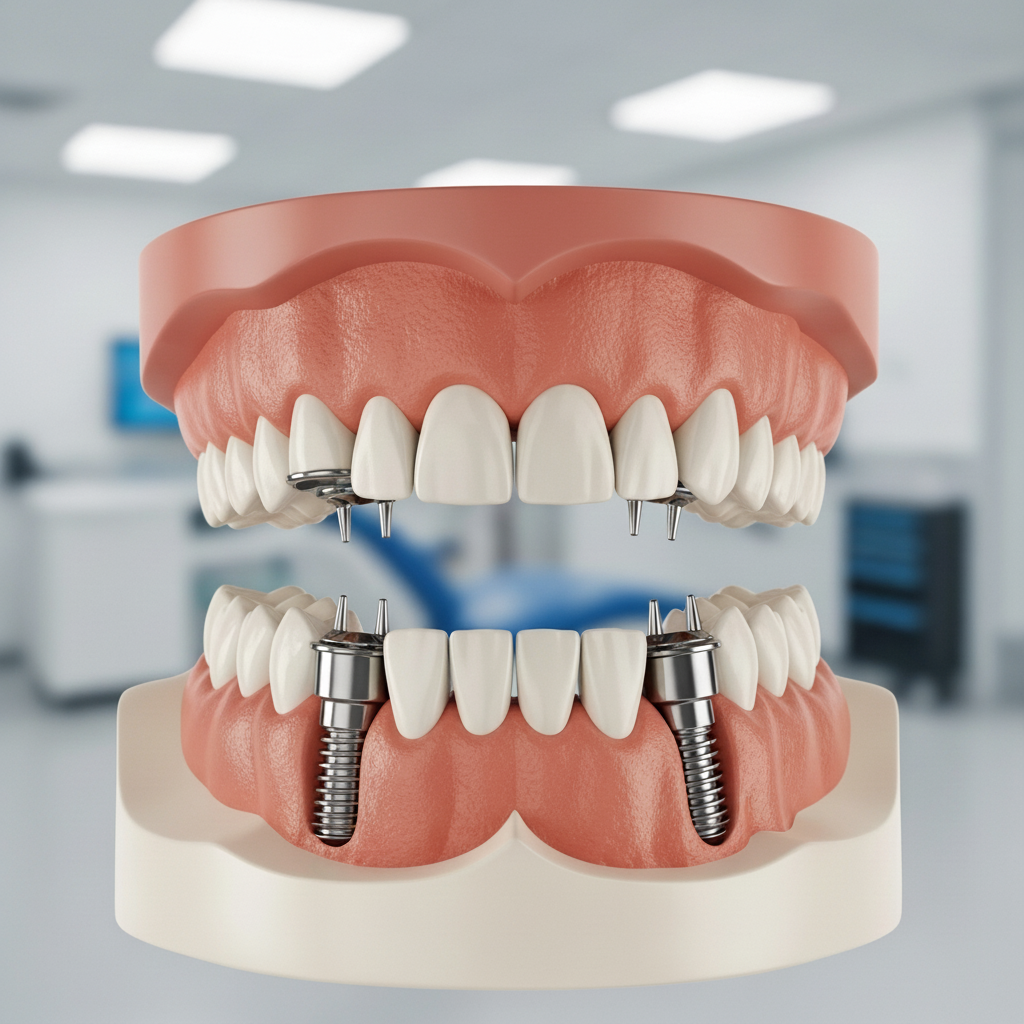
An implant-retained overdenture offers a significant upgrade from a traditional denture. In this approach, 2 to 4 implants are placed in the jaw. These implants are fitted with special attachments that act like press-studs or clips, allowing a custom-made denture to “snap” securely into place. While the denture is still removable by the patient for cleaning, it eliminates the slipping, sore spots, and use of messy adhesives associated with conventional dentures. It provides excellent stability for chewing and speaking, offering a great balance between performance and cost.
The All-on-4 / All-on-6 Method
The All-on-4® and All-on-6 concepts are revolutionary techniques that allow for the support of a full arch of teeth on just four or six implants, respectively. The posterior implants are placed at a precise angle to maximize contact with the available bone, often avoiding the need for extensive bone grafting procedures. A key advantage of this method is the potential for immediate function; in many cases, a temporary but fixed full-arch bridge can be attached on the same day as the implant surgery. This allows patients to leave the clinic with a stable, functional set of teeth. This advanced treatment is highly effective, and understanding the cost structure is important, as exploring options abroad can reveal significant savings; many patients find that even with travel, why dental implants are cheaper in Turkey makes this high-end procedure more accessible.
Comparing Your Full Mouth Implant Options
Choosing the right full mouth dental implant solution requires understanding the key differences between the available techniques. The following table provides a clear comparison of the most common options to help you understand their respective advantages and considerations.
| Feature | Traditional Implant Bridges | Implant-Retained Overdenture | All-on-4 / All-on-6 |
|---|---|---|---|
| Number of Implants | 6-8 per arch | 2-4 per arch | 4-6 per arch |
| Prosthesis Type | Fixed (non-removable by patient) | Removable by patient | Fixed (non-removable by patient) |
| Stability & Function | Highest, feels most natural | Good, significant improvement over dentures | Excellent, very stable |
| Bone Grafting | More likely to be required | Less likely to be required | Often avoids the need for grafting |
| Treatment Time | Longer, often requires more healing time | Shorter | Can allow for immediate temporary teeth |
| Maintenance | Requires meticulous home care and professional cleaning | Easier to clean as prosthesis is removable | Requires meticulous home care and professional cleaning |
The Treatment Journey: From First Visit to Final Smile
The path to a fully restored smile is a multi-stage process that requires precision planning and patience. It begins with the initial consultation and culminates in the attachment of your beautiful, permanent teeth.
- Initial Planning and Diagnosis: This phase involves a comprehensive oral examination, medical history review, and advanced imaging with a CBCT scanner. The dentist uses this data to assess bone quality, map out the precise location for each implant using digital software, and create a detailed treatment plan.
- Preparatory Procedures: If any failing teeth remain, they will be extracted. If the CBCT scan revealed insufficient bone volume, a bone graft or sinus lift will be performed. These procedures require a healing period before the implants can be placed.
- Implant Placement Surgery: The surgical placement of the implants is a carefully orchestrated procedure, often performed under local anesthesia with sedation for patient comfort. The dentist makes small incisions in the gum tissue to access the jawbone and then places the titanium implants into their pre-planned positions.
- Osseointegration and Healing: Following surgery, the crucial healing phase begins. Over the next 3 to 6 months, the jawbone will grow around and fuse with the implants. This process, known as osseointegration, is what gives dental implants their incredible strength and stability. During this time, patients may wear a temporary denture or bridge.
- Final Prosthesis Attachment: Once osseointegration is complete, the tops of the implants are exposed, and abutments (connector pieces) are attached. Detailed impressions of your mouth and the abutments are taken to create your final, custom-made bridge or prosthesis. At the final appointment, this prosthesis is securely attached, and the fit and bite are perfected, completing your new smile.
Maintaining your new smile requires the same care as natural teeth. This includes brushing twice daily, using special tools like water flossers to clean around the implants, and attending regular professional cleanings and check-ups. With proper care, your full mouth dental implants can last a lifetime, providing a durable, beautiful, and functional solution to tooth loss.