Eating After Dental Implants Safely
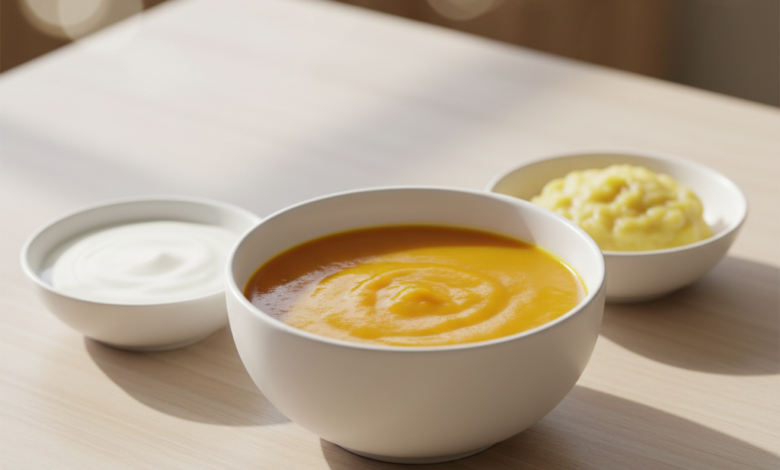
During the first 24 to 48 hours, stick to foods that require no chewing and can be consumed at a cool or lukewarm temperature. Hot foods and beverages can increase blood flow to the area and exacerbate swelling or bleeding.

Eating After Dental Implants Safely is a critical component of a successful recovery and the long-term stability of your new tooth. While the surgical procedure itself is the first major step, your post-operative care, particularly your diet, plays an indispensable role in how well your body accepts the implant. The process of osseointegration, where the jawbone fuses directly with the titanium implant post, is a delicate biological phenomenon that requires a nutrient-rich, low-impact environment to thrive. Making the right food choices protects the surgical site from physical disturbance and infection while providing the essential building blocks your body needs to heal effectively. Navigating this dietary journey ensures your investment in a restored smile pays dividends for decades to come.
## The First 48 Hours: A Foundation of Liquids and Soft Foods
The immediate aftermath of your dental implant surgery is the most sensitive period. Your gums and jaw will be tender, swollen, and actively working to form a protective blood clot over the surgical site. The primary goal during these first two days is to nourish your body without placing any stress on the new implant or the surrounding tissues. This means adhering strictly to a liquid and very soft food diet. Any action that requires chewing, or that could introduce hard particles into the wound, must be avoided.
Your focus should be on nutrient-dense foods that are easy to consume. It is crucial to avoid using a straw, as the suction created can dislodge the blood clot, leading to a painful condition known as dry socket and delaying your healing.
Essential Foods for the Initial Recovery Phase
- Cool Soups and Broths: Nutrient-rich broths and smooth, blended soups (like tomato, pumpkin, or gazpacho) are ideal. Ensure they are not hot.
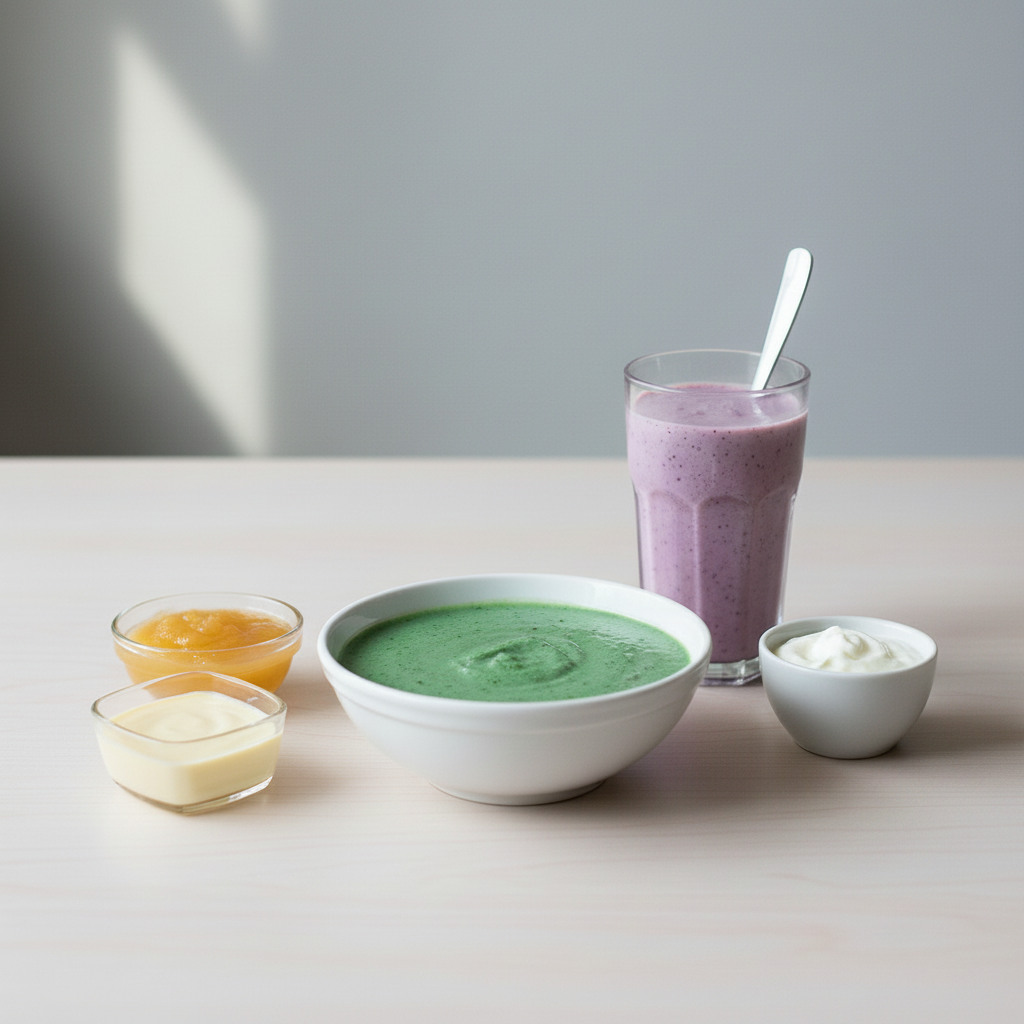
- Meal Replacement Shakes and Smoothies: These are excellent for getting calories and nutrients. Blend them with protein powder, yogurt, and soft fruits like bananas, but be absolutely sure to avoid fruits with small seeds like strawberries or raspberries. Always consume them with a spoon, not a straw.
- Yogurt and Kefir: Plain, unsweetened yogurt or kefir is soft, cooling, and provides protein and probiotics.
- Applesauce and Other Fruit Purées: These provide natural sugars for energy and are easy to consume without irritating the surgical site.
- Puddings and Gelatin: Simple, soft, and require no effort to eat.
This initial phase is about minimizing trauma and giving your body the fuel it needs to begin the healing process. Staying hydrated with plenty of water is equally important. Avoid alcohol and carbonated beverages, as they can interfere with healing and irritate the wound.
## Your Post-Surgical Food Timeline: A Detailed Guide
As your recovery progresses, you can gradually reintroduce different food textures. This systematic approach prevents you from accidentally damaging the implant site while ensuring you are moving towards a normal diet. The key is to listen to your body and follow the guidance of your dental surgeon, as every patient’s healing journey is unique. The following timeline provides a general framework for what to expect and how to adjust your diet accordingly.
| Timeline | Recommended Foods | Foods to Strictly Avoid |
|---|---|---|
| First 24-48 Hours | Cool liquids, broth, smoothies (no seeds, no straw), yogurt, applesauce, meal replacement shakes, gelatin, pudding. | Anything hot, spicy, acidic, crunchy, hard, or chewy. No straws, no alcohol, no smoking. |
| Days 3-7 | All of the above, plus: scrambled eggs, mashed potatoes, oatmeal, soft-cooked fish, cottage cheese, ripe mashed bananas, soft tofu. | Hard fruits, raw vegetables, seeds, nuts, popcorn, chips, tough meats, crusty bread. |
| Week 2 | All of the above, plus: cooked pasta, soft breads, steamed vegetables (well-cooked), tender chicken or fish (cut into small pieces). | Steak, hard candies, nuts, popcorn, chewing gum, very crunchy foods like raw carrots or apples. |
| After 2 Weeks (with surgeon’s approval) | Gradual reintroduction of firmer foods. Continue to chew away from the implant site. You can start trying more textured foods but proceed with caution. | Extremely hard items like ice or hard nuts should still be avoided until healing is fully confirmed. |
## The Science of Healing: How Nutrition Supports Osseointegration
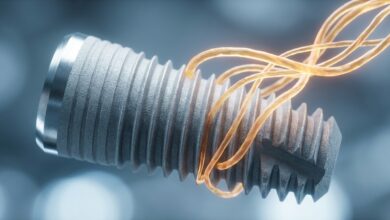
Proper nutrition is not just about avoiding harm; it’s about actively promoting healing. The success of a dental implant hinges on osseointegration, a complex biological process where your jawbone grows into and fuses with the surface of the titanium implant. This creates the rock-solid foundation needed for a durable, long-lasting tooth replacement. Specific nutrients are vital for this process. According to research on bone regeneration, diet plays a significant role in modulating the inflammatory response and providing the necessary substrates for tissue formation. A well-balanced diet rich in certain vitamins and minerals can accelerate and strengthen this fusion.
Key Nutrients for Implant Success
- Protein: As the primary building block for tissue repair, protein is essential for regenerating gums and other soft tissues around the implant site. Sources like soft fish, eggs, and dairy are excellent choices during recovery.
- Vitamin C: This powerful antioxidant is crucial for producing collagen, a protein that forms the framework for your gums and connective tissues. It also helps boost your immune system, reducing the risk of post-operative infection. Soft fruits and well-cooked vegetables can be good sources.
- Calcium: The most famous mineral for bone health, calcium is fundamental for maintaining the density and strength of your jawbone, which is essential for it to fuse securely with the implant. Dairy products are a primary source during the soft-food phase.
- Vitamin D: This vitamin is critical for the body to effectively absorb and utilize calcium. Without sufficient Vitamin D, the calcium you consume cannot be properly integrated into your bones.
## Pitfalls to Avoid: Foods and Habits That Jeopardize Healing
What to Avoid When Eating After Dental Implants
Hard and Crunchy Foods: Items like nuts, seeds, popcorn, hard candies, and chips pose a significant threat. They can exert direct, damaging pressure on the new implant before it has integrated with the bone. Furthermore, small, hard fragments can easily become lodged in the surgical site, creating a breeding ground for bacteria and causing a serious infection.
Sticky and Chewy Foods: Foods like caramels, taffy, and tough cuts of meat can place undue stress on the implant and healing abutment. The pulling and tearing motion required to eat them can disrupt the delicate healing tissues and compromise the implant’s stability.
Spicy and Acidic Foods: While you are healing, your gum tissue will be extremely sensitive. Foods high in acid (like tomatoes and citrus fruits) or spice (like hot peppers) can cause significant irritation and discomfort at the surgical site, hindering the healing environment.
## Long-Term Care: Protecting Your Investment
Once your implant has fully osseointegrated and your final crown is in place—a process that can take several months—you can generally return to a normal diet. One of the greatest benefits of dental implants is their ability to restore full chewing function, allowing you to enjoy all the foods you love without worry. However, maintaining excellent oral hygiene and a balanced diet is crucial for the long-term health of both the implant and your surrounding natural teeth and gums. Continuing to provide your body with the nutrients it needs for strong bones and healthy gums will help ensure your implant remains stable and successful for a lifetime. For a more detailed look into the recovery timeline, a dental implant recovery day-by-day guide can offer valuable insights into each stage of the healing process. Following a structured post-operative plan is the best way to ensure you achieve the optimal outcome from your dental implant procedure. Proper nutrition is the cornerstone of this plan, directly influencing the speed and quality of your recovery.