When Can You Eat After Dental Implants
While the initial weeks are the most restrictive, certain foods should be avoided for the entire osseointegration period, which can last from three to six months, until your dentist gives you the all-clear.
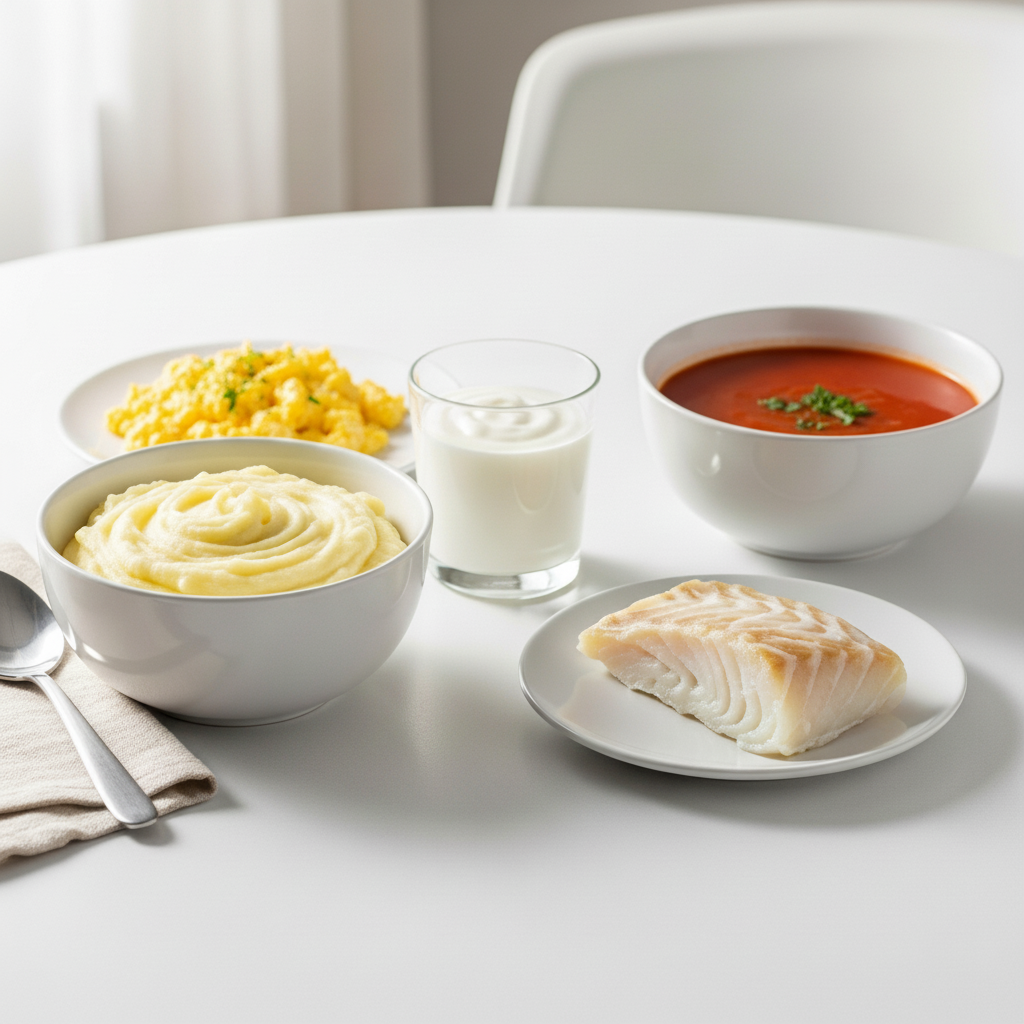
When Can You Eat After Dental Implants is one of the most common and important questions patients have after their procedure. The journey to a restored, confident smile with dental implants involves a crucial healing period where your dietary choices play a pivotal role. The success of the implant, particularly the process of osseointegration where the implant fuses with your jawbone, is directly influenced by what you eat and, just as importantly, what you avoid. Following your surgeon’s dietary guidelines is not merely a suggestion; it is a fundamental part of the treatment plan designed to ensure a smooth recovery and the long-term stability of your new teeth. This guide provides a comprehensive timeline and detailed explanation to help you navigate your post-operative diet with confidence.
The Critical First 48 Hours: A Liquid-Only Diet
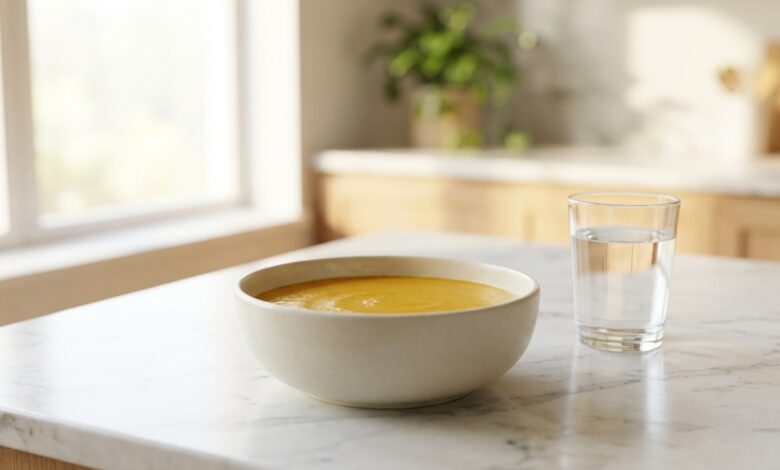
Immediately following your dental implant surgery, the surgical site is at its most vulnerable. The primary goals during this initial 24 to 48-hour period are to manage swelling, prevent bleeding, and protect the newly formed blood clot over the implant site, which is essential for healing. Consequently, your diet must be strictly limited to cool or lukewarm liquids. Chewing is completely off-limits as any pressure can dislodge the clot, cause pain, and introduce bacteria to the wound.
Your focus should be on hydration and consuming nutrient-rich liquids that are easy to swallow without any effort. It is absolutely critical to avoid using straws. The suction created by a straw can dislodge the protective blood clot, leading to a painful condition known as a dry socket and significantly delaying your healing.
Acceptable Liquids for the First Two Days:
- Water: Staying hydrated is paramount for recovery.
- Clear Broths: Bone broth or vegetable broth (ensured to be lukewarm, not hot) can provide essential nutrients.
- Milk or Milk Alternatives: A good source of calcium and protein.
- Meal Replacement Shakes: Ensure they are smooth and do not contain any solid pieces, seeds, or nuts.
- Very Thin Smoothies: Blended with no seeds (e.g., from berries), pulp, or hard fruit pieces. Think smooth yogurt or milk-based smoothies.
During this phase, you must also avoid all hot beverages like coffee or tea, as heat can increase blood flow to the area and promote swelling or bleeding. Alcohol and carbonated drinks should also be avoided as they can interfere with the healing process and irritate the surgical site.
Weeks 1-2: Transitioning to Soft Foods
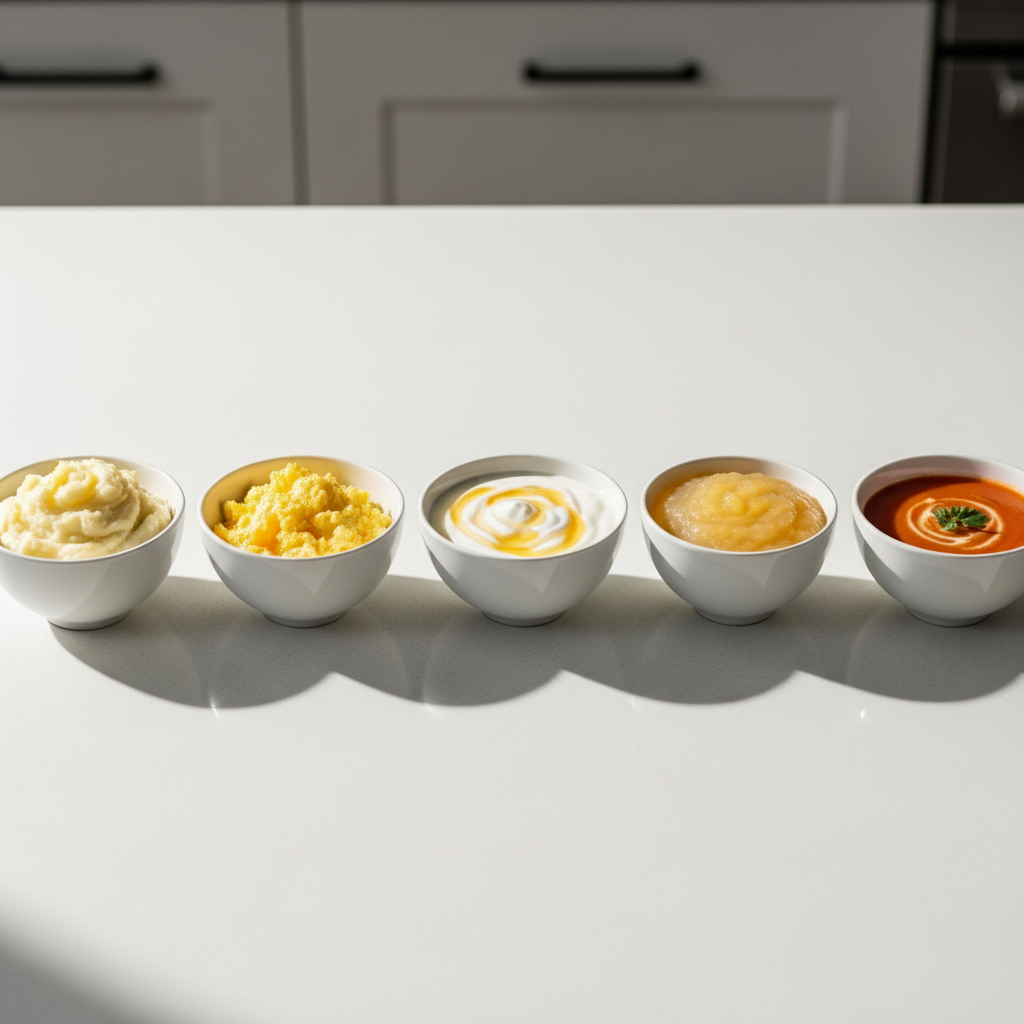
After the first 48 hours, and with your surgeon’s approval, you can begin to gradually introduce soft foods into your diet. The key principle during this stage is “no-chew” or “minimal-chew.” The implant is still in the very early stages of healing, and the gums are tender. Any food you eat should be soft enough to be easily mashed with a fork or your tongue. The goal is to provide your body with more substantial nutrition to aid in tissue repair without placing any stress on the implant site.
Recommended Soft Foods:
- Yogurt and Pudding: Smooth, creamy, and easy to eat.
- Applesauce: A soft and nutritious option.
- Mashed Potatoes or Sweet Potatoes: Ensure they are smooth and free of lumps or skins.
- Scrambled Eggs: Soft, protein-rich, and require very little chewing.
- Oatmeal or Cream of Wheat: Well-cooked and lukewarm.
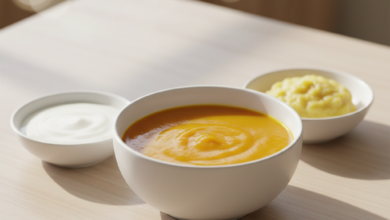
- Soups: Creamy, blended soups like tomato or pumpkin soup are ideal. Avoid soups with large chunks of meat or vegetables.
- Soft Fish: Flaky fish like cod or tilapia can be gently broken apart with a fork.
- Cottage Cheese: Soft, high in protein, and requires no chewing.
Continue to avoid anything hard, crunchy, sticky, or spicy. Foods like bread with hard crusts, chips, nuts, steak, and sticky candies can damage the healing tissues and compromise the implant.
The Dental Implant Post-Operative Eating Timeline
To provide a clear and easy-to-follow guide, here is a structured timeline for your post-implant diet. Always remember that this is a general guideline, and your surgeon’s specific instructions should take precedence, as every patient’s healing process is unique.
| Timeframe | Allowed Foods & Consistency | Foods & Habits to Strictly Avoid |
|---|---|---|
| Day 1 – 2 (0-48 Hours) | Strictly cool/lukewarm liquids. Water, clear broths, thin seedless smoothies, milk, meal replacement shakes. | ALL solid foods. Hot liquids, straws, alcohol, smoking, carbonated drinks, spicy foods. |
| Day 3 – 14 (Weeks 1-2) | Very soft, “no-chew” foods. Mashed potatoes, yogurt, applesauce, scrambled eggs, oatmeal, puréed soups, soft flaky fish. | Hard, crunchy, sticky, or chewy foods. Nuts, seeds, popcorn, hard bread, steak, chips, hard candy. |
| Week 2 – Month 3 | Introduction of more substantial, but still soft, foods that require light chewing. Cooked pasta, soft chicken or ground meat, soft-cooked vegetables, bananas. | Very hard or tough foods. Biting into hard fruits (e.g., apples), tough meats, nuts, ice, hard candy. |
| Month 3 – 6+ (Post-Integration) | Gradual reintroduction of a normal diet after confirmation of implant stability and placement of the final crown. Start with moderately hard foods and progress slowly. | Extremely hard items that can damage natural teeth and implant crowns, such as chewing ice or opening packages with your teeth. |
Why Your Diet is Critical for Osseointegration
The entire dietary protocol is designed to protect one crucial biological process: osseointegration. This is the scientific term for the direct structural and functional connection between living bone and the surface of a load-bearing artificial implant. In dental implantology, it refers to the process where your jawbone grows into and fuses with the titanium implant post, creating a rock-solid foundation for your new tooth. According to extensive research, successful osseointegration is the cornerstone of long-term implant stability and success.
When you chew hard or crunchy foods too soon, you exert force and pressure on the new implant. This can cause micro-movements of the implant post within the jawbone. Even tiny shifts can disrupt the delicate process of bone cells attaching to the implant surface. This disruption can lead to the formation of fibrous tissue around the implant instead of strong bone, which is a primary cause of implant failure. By adhering to a soft food diet, you eliminate this risk and provide the stable, undisturbed environment your body needs to heal properly. The full healing timeline for dental implants is a journey that requires patience, and your diet is your most important contribution to its success.
Foods to Avoid Throughout the Entire Healing Period
- Nuts and Seeds: They are hard and small particles can easily get lodged in the surgical site, causing irritation or infection.
- Popcorn: The hard kernels and thin husks are notorious for getting stuck in gums and can lead to serious inflammation.
- Hard Candy and Sticky Toffee: These require significant biting force and can place immense pressure on the implant. Sticky foods can pull on the healing abutment or temporary crown.
- Tough Meats: Steak or other tough cuts of meat require vigorous chewing that can disturb the implant site.
- Hard Fruits and Vegetables: Avoid biting directly into hard items like raw carrots or apples. They can be consumed if cooked until soft or shredded.
- Ice: Chewing on ice is harmful to natural teeth and can be equally damaging to a healing implant and its future crown.
When Can You Eat After Dental Implants: Returning to a Normal Diet
The transition back to a normal diet is gradual and should only begin after your dentist has confirmed that sufficient osseointegration has occurred. This is typically determined through check-up appointments and sometimes imaging. Once your final crown is placed, you can start to reintroduce harder foods. However, it is wise to do this cautiously. Start with foods that are moderately hard and chew carefully, trying to use the other side of your mouth initially. As you feel more comfortable, you can slowly return to your regular diet.
Even after full healing, it’s important to treat your dental implant like a natural tooth. While titanium is incredibly strong, the porcelain crown can still be chipped or broken by excessive force. Continuing to avoid habits like chewing ice or using your teeth as tools will ensure the longevity of your beautiful and functional new smile.