Dental Veneers Explained Complete Guide
Dental Veneers Explained Complete Guide
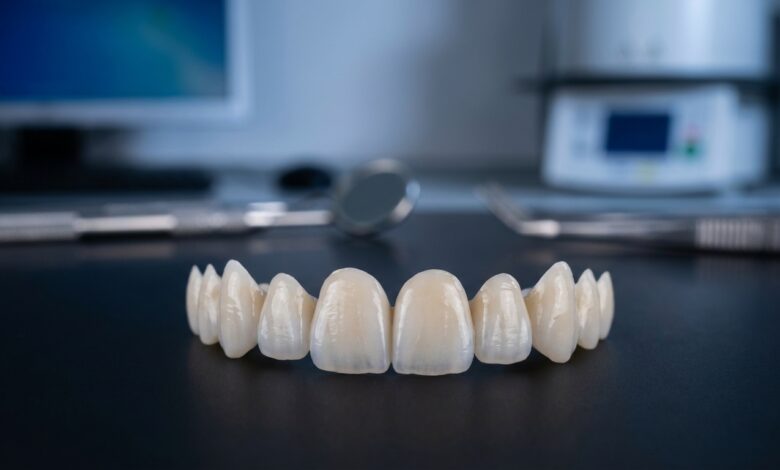
Dental veneers are a cornerstone of modern cosmetic dentistry, offering a powerful and effective solution for individuals seeking to transform their smile. These ultra-thin, custom-made shells are designed to cover the front surface of teeth, instantly correcting a wide range of aesthetic imperfections. From stubborn discoloration to minor misalignments, veneers provide a durable and natural-looking result, making them one of the most sought-after treatments for achieving a flawless, camera-ready smile. The procedure involves bonding these delicate shells to your natural teeth, creating a significant and immediate improvement in their shape, size, color, and overall appearance. Unlike more invasive procedures, veneers often require minimal alteration of the existing tooth structure, preserving the integrity of your natural smile while delivering dramatic enhancements.
The appeal of veneers lies in their versatility and the high-quality materials from which they are crafted. Modern dental ceramics, such as E-max (lithium disilicate), offer exceptional strength and an uncanny ability to mimic the light-reflecting properties of natural tooth enamel. This results in a final look that is virtually indistinguishable from real teeth. Whether you are looking to correct a single flawed tooth or undergo a complete smile makeover, veneers present a tailored solution that addresses your specific aesthetic goals, providing a long-lasting boost to both your appearance and your confidence.
What Are Dental Veneers? A Deeper Look
At their core, dental veneers are thin laminates or shells of tooth-colored material that are cemented to the front-facing surface of teeth to improve their appearance. Think of them as being similar to a false fingernail for your tooth. They are meticulously crafted in a dental laboratory to match the specific shape and color desired by the patient, ensuring a seamless integration with the surrounding teeth. The primary goal of this treatment is purely cosmetic, designed to mask imperfections and create a harmonious, symmetrical, and bright smile.
The most common and highly regarded material used for veneers is porcelain, particularly advanced ceramics like E-max. This material is favored for several key reasons:
- Durability and Strength: High-quality porcelain is incredibly strong and resistant to chipping and fractures, allowing patients to eat and speak normally without constant worry. It is designed to withstand the daily forces of biting and chewing.
- Stain Resistance: Porcelain is a non-porous material, which means it is highly resistant to staining from common culprits like coffee, tea, red wine, and tobacco. This helps the smile remain bright and vibrant for many years.
- Biocompatibility: The ceramic materials used are biocompatible, meaning they are well-tolerated by the gum tissues, reducing the risk of irritation or inflammation.
- Natural Aesthetics: The most significant advantage of porcelain is its translucent quality. It allows light to pass through and reflect off the underlying dentin, perfectly replicating the natural luster of tooth enamel. This ensures the final result is not flat or opaque, but full of life and dimension.
The process of getting veneers is a collaborative effort between the patient, the dentist, and the dental technician. It involves precise planning and an artistic eye to achieve a result that complements the patient’s facial features and meets their aesthetic expectations.
Common Dental Issues Addressed by Veneers
The versatility of dental veneers allows them to be a single solution for a multitude of cosmetic dental concerns. They are an excellent option for patients who have healthy underlying tooth structure but are unhappy with the appearance of their smile. Here are some of the most common problems that can be effectively corrected with veneers:
- Severe Discoloration or Stains: Some tooth discoloration does not respond to traditional teeth whitening treatments. This can include intrinsic stains caused by medications like tetracycline, excessive fluoride exposure (fluorosis), or trauma to a tooth that has caused it to darken. Veneers provide a definitive solution by completely masking the underlying stained tooth with a new, brilliantly white surface.
- Worn Down, Chipped, or Broken Teeth: Over time, teeth can become worn down from grinding (bruxism) or become chipped and fractured due to accidents. Veneers can restore the original length and shape of these teeth, correcting minor chips and breaks to create a smooth, intact edge.
- Gaps and Spacing Issues (Diastema): For individuals with small to moderate gaps between their teeth, veneers can be custom-shaped to close these spaces without the need for orthodontic treatment. The veneers are made slightly wider than the natural teeth, effectively filling the gap for a more uniform smile line.
- Minor Misalignment and Uneven Teeth: Often referred to as “instant orthodontics,” veneers can create the illusion of perfectly straight teeth by masking minor crookedness, overlaps, or rotations. By carefully designing the shape and thickness of the veneers, a dentist can create a straight, even, and symmetrical appearance.
- Irregularly Shaped Teeth: Some people are born with teeth that are misshapen, too small (peg laterals), or have craters and bulges. Veneers can be used to reshape these teeth, bringing them into harmony with the rest of the smile and providing a more aesthetically pleasing form.
The Step-by-Step Dental Veneers Procedure
Achieving a new smile with dental veneers is a meticulous, multi-step process that typically requires at least two visits to the dental clinic. Each stage is crucial for ensuring the final result is functional, comfortable, and aesthetically perfect.
Step 1: Consultation and Treatment Planning
The journey begins with a thorough consultation. During this initial appointment, you will discuss your aesthetic goals with the dentist. The dentist will perform a comprehensive examination of your teeth and gums to ensure you are a suitable candidate for veneers. This includes checking for signs of decay, gum disease, or significant structural issues. X-rays and photographs may be taken. This is also the stage where the “smile design” process begins, involving decisions about the desired shape, length, width, and color of the new veneers.
Step 2: Tooth Preparation
For the veneers to fit perfectly and look natural, a very small amount of enamel—typically less than a millimeter—is removed from the front surface of the teeth. This step is essential to prevent the final restoration from looking bulky or protruding. The amount removed is roughly equal to the thickness of the veneer that will be added. This process is usually performed under local anesthesia to ensure complete comfort. The preparation creates the ideal surface for a strong and durable bond.
Step 3: Impressions and Fabrication
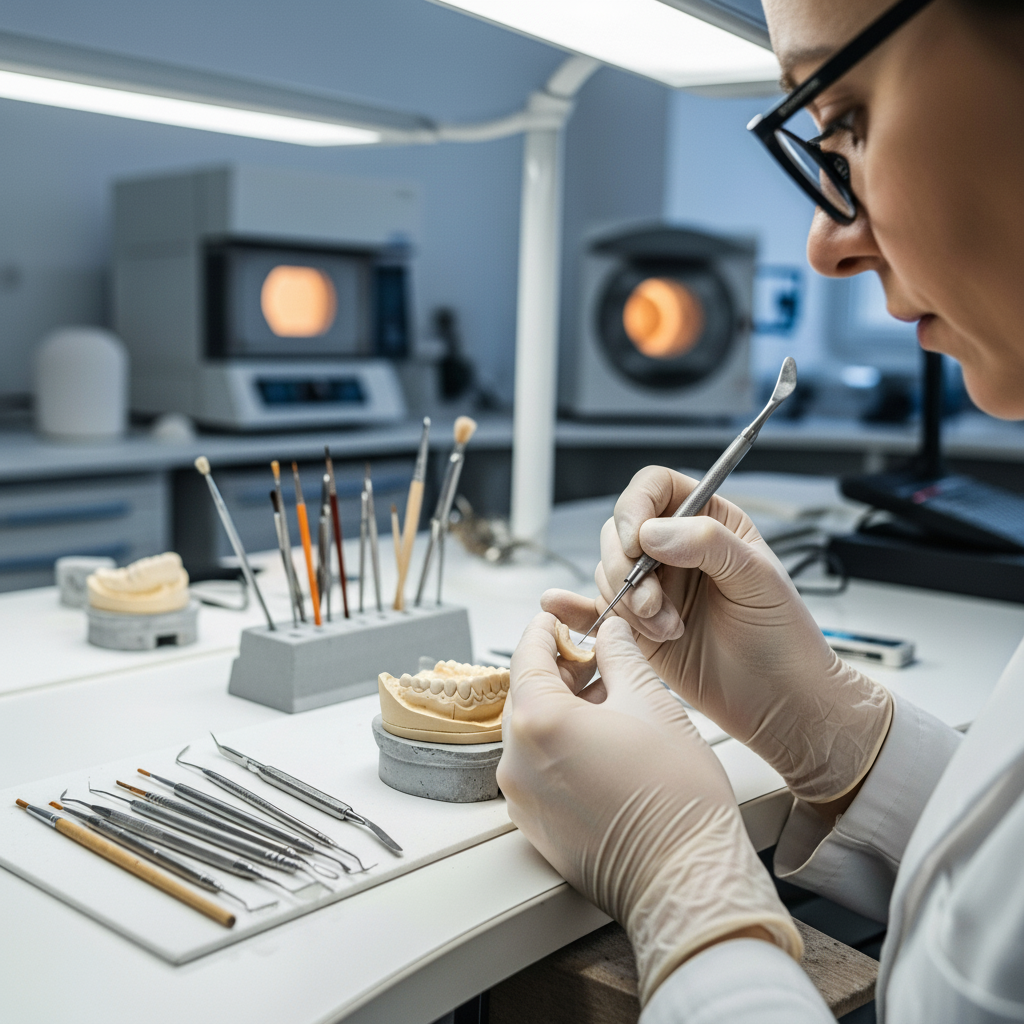
After the teeth are prepared, the dentist will take a highly accurate impression or mold of your teeth. This can be done using traditional putty materials or with a modern digital intraoral scanner. This impression serves as the blueprint for the dental laboratory, where a master ceramist will meticulously handcraft each individual veneer to the exact specifications determined during your treatment planning. This fabrication process can take one to two weeks.
Step 4: Temporary Veneers
While your permanent veneers are being created, the dentist will place temporary veneers on your prepared teeth. These temporaries serve several important functions: they protect the exposed tooth structure, reduce sensitivity, and provide an aesthetic appearance so you can continue your daily life with confidence. They also give you a preview of how your new smile might look and feel.
Step 5: The Final Bonding Appointment
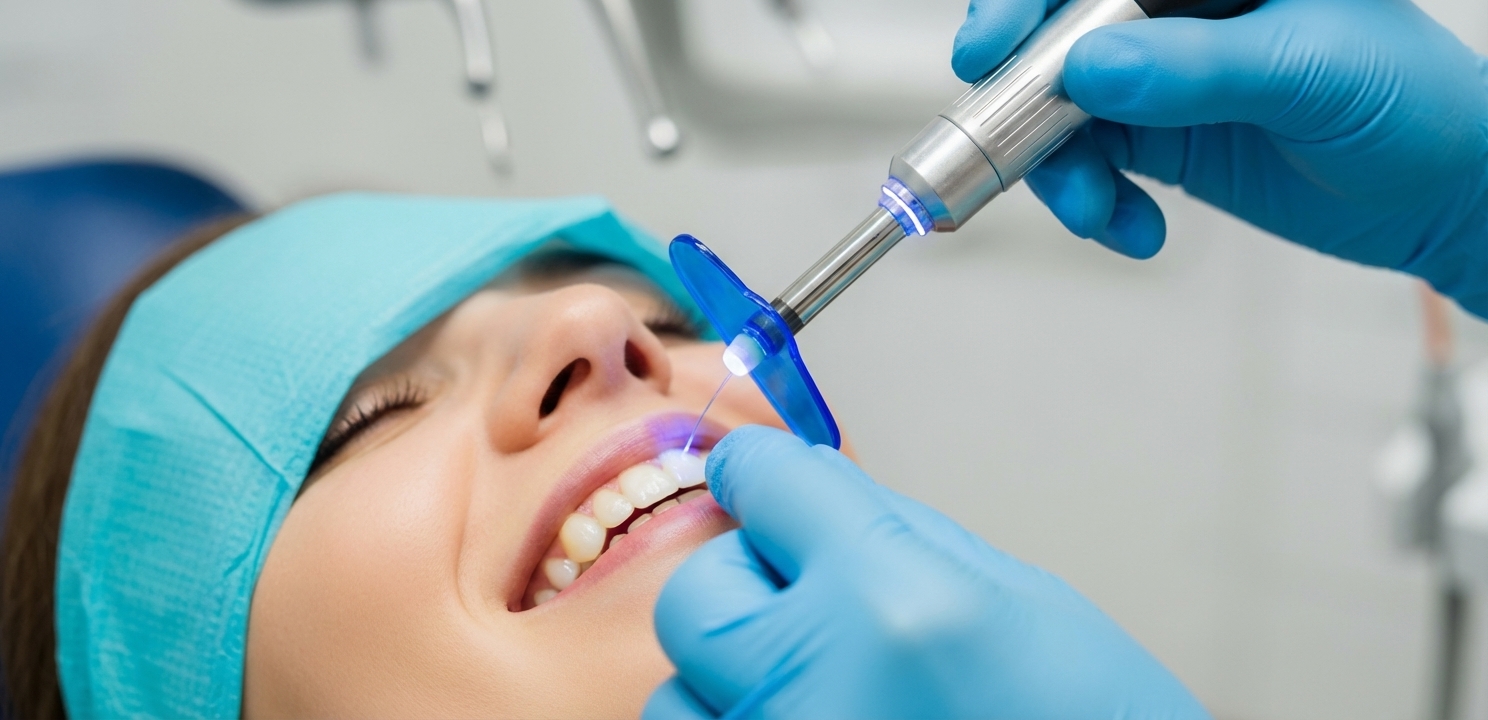
Once your custom porcelain veneers are back from the laboratory, you will return for your final appointment. The temporary veneers are removed, and the teeth are cleaned. The dentist will then place each permanent veneer on your teeth to check its fit, shape, and color. Adjustments can be made at this stage to ensure a perfect match. Once both you and the dentist are satisfied, the teeth are etched to create a microscopic texture for a stronger bond. A special dental cement is applied to the veneer, which is then placed on the tooth. A high-intensity curing light is used to activate the cement, creating a permanent and incredibly strong bond between the tooth and the veneer.
Veneers vs. Crowns vs. Bonding: A Comparison
When considering cosmetic dental treatments, it is helpful to understand the differences between the available options. Veneers, dental crowns, and composite bonding each have unique characteristics and applications.
| Feature | Dental Veneers | Dental Crowns | Composite Bonding |
|---|---|---|---|
| Primary Purpose | Cosmetic enhancement of the front surface of teeth. | Restores a heavily damaged or decayed tooth; provides full coverage. | Minor cosmetic repairs like small chips, gaps, or discoloration. |
| Material | Primarily porcelain or advanced ceramics (E-max). | Zirconia, porcelain, porcelain-fused-to-metal. | Tooth-colored composite resin. |
| Tooth Preparation | Minimal enamel removal (0.3mm – 0.7mm) from the front surface. | Significant tooth reduction on all surfaces to fit the cap. | Little to no tooth preparation required. |
| Durability | Highly durable and stain-resistant; lasts 10-15+ years. | Extremely durable; can last 15-20+ years. | Less durable; prone to staining and chipping, lasts 3-7 years. |
| Treatment Time | Typically 2-3 visits over several weeks. | Typically 2-3 visits over several weeks. | Usually completed in a single visit. |
Aftercare and Longevity of Your New Smile
One of the significant advantages of porcelain veneers is their durability and relatively simple maintenance. With proper care, they can provide a beautiful smile for well over a decade.
Maintaining Your Dental Veneers
Caring for veneers is much like caring for your natural teeth. Excellent oral hygiene is paramount. This includes brushing at least twice a day with a non-abrasive fluoride toothpaste and flossing daily to clean between the teeth and along the gumline. While veneers themselves cannot decay, the underlying tooth and surrounding gums are still susceptible to cavities and gum disease. Regular dental check-ups and professional cleanings are also essential to monitor the health of your teeth and the condition of your veneers.
How Long Do Veneers Last?
High-quality porcelain veneers are a long-term investment in your smile. Clinical studies have consistently shown high success rates over many years. According to a systematic review of clinical performance, porcelain laminate veneers demonstrate excellent long-term viability, with many lasting for 15 years or even longer. The longevity of your veneers depends on several factors, including the skill of the dentist placing them, the quality of the material used, your oral hygiene habits, and lifestyle choices. Avoiding habits like biting nails, chewing on ice, or using your teeth to open packages will help prevent damage and ensure they last as long as possible.
Dental veneers offer a transformative path to the smile you have always desired. They are a blend of art and science, providing a solution that is as beautiful as it is durable. By addressing a wide array of cosmetic imperfections with a single, streamlined treatment, veneers can significantly enhance your appearance and boost your self-esteem. To explore your options and see how cosmetic dentistry can transform your smile, we invite you to schedule a consultation with our expert team. A detailed assessment will determine if you are the right candidate for this life-changing procedure, setting you on the path to a radiant and confident new look. The journey to a perfect smile is a detailed one, but the stunning, long-lasting results make it an invaluable investment in yourself. Scientific research confirms the high survival rates of ceramic veneers, making them a reliable and effective choice for aesthetic dental restoration.