Porcelain Veneers vs Composite Veneers
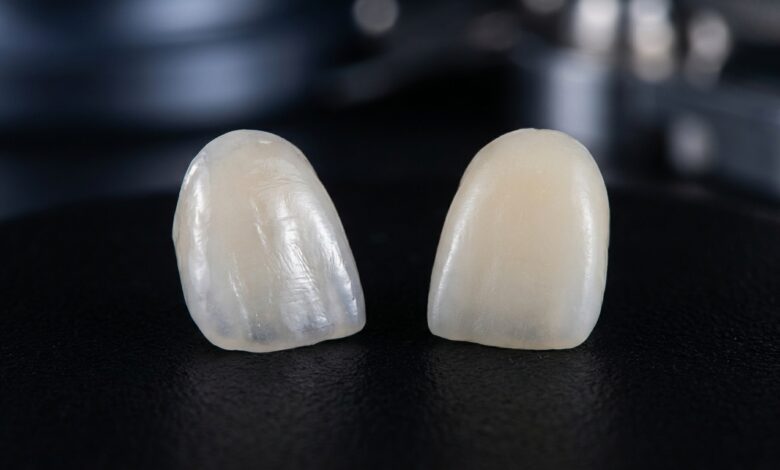
Porcelain Veneers vs Composite Veneers: a choice that stands at the forefront of modern cosmetic dentistry, offering transformative results for anyone seeking a flawless smile. Deciding between these two popular options requires a deep understanding of their materials, procedures, longevity, and aesthetic outcomes. While both can dramatically enhance the appearance of your teeth, they are fundamentally different in their application, durability, and cost. This guide will provide a comprehensive breakdown to help you understand the nuances of each treatment, empowering you to make an informed decision in consultation with your dental professional.
What Are Dental Veneers?
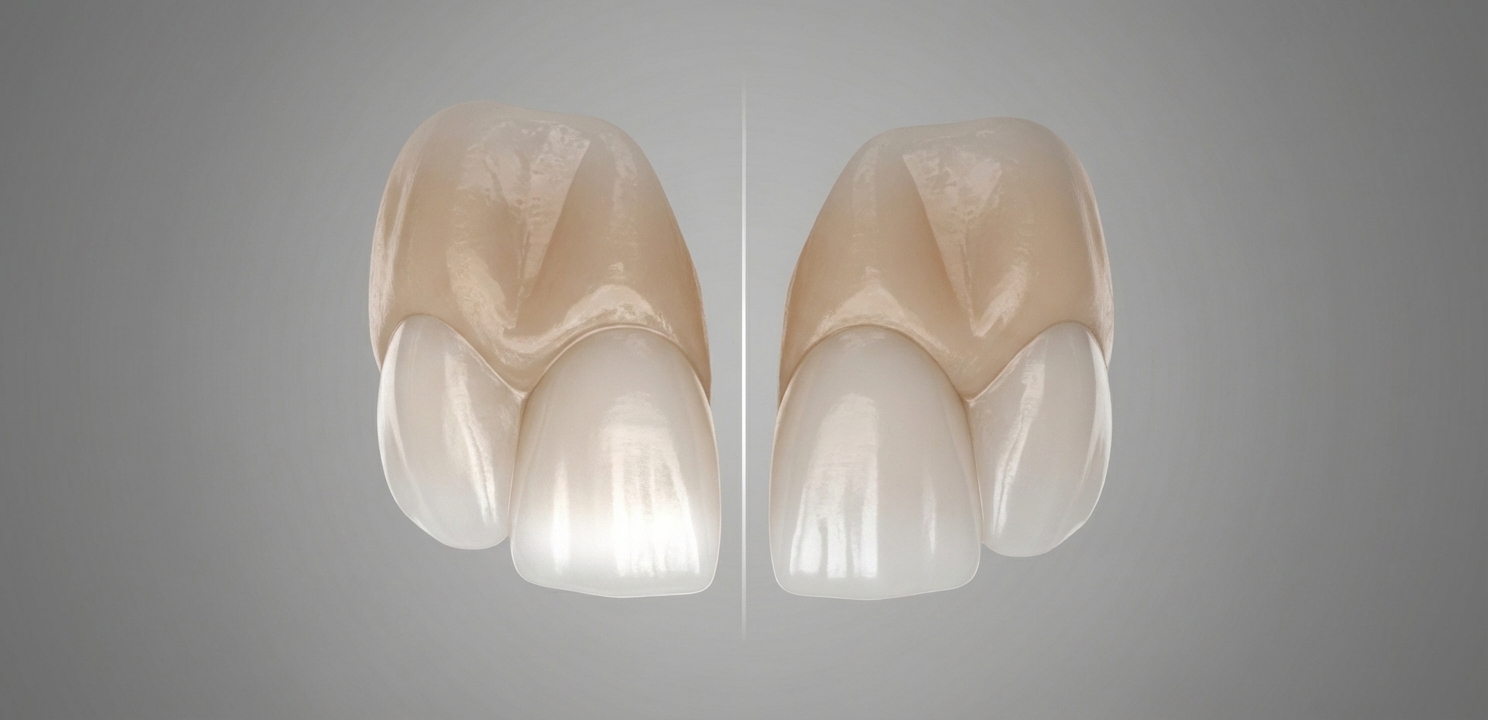
Dental veneers are thin, custom-made shells designed to cover the front surface of teeth to improve their appearance. They are a cosmetic solution for a wide range of dental imperfections, including teeth that are stained, chipped, crooked, or have gaps between them. By bonding these shells to the natural teeth, a dentist can alter their color, shape, size, or length, creating a symmetrical and aesthetically pleasing smile. The goal is to achieve a natural-looking result that complements the patient’s facial features. For those new to the concept, our dental veneers explained complete guide offers a foundational overview. Ultimately, veneers serve as a conservative alternative to crowns, preserving more of the natural tooth structure while delivering a significant aesthetic upgrade.
Understanding Porcelain Veneers
Porcelain veneers represent the premium standard in cosmetic dentistry. They are crafted from high-quality, durable ceramic materials that are renowned for their strength and ability to mimic the light-reflecting properties of natural tooth enamel. This results in a smile that is not only beautiful but also incredibly lifelike and virtually indistinguishable from natural teeth.
The Material and Aesthetics
The key to the success of porcelain veneers lies in the material itself. Dental porcelain is a biocompatible ceramic that is exceptionally strong and resistant to wear and tear. Its most significant aesthetic advantage is its translucency. When light hits a porcelain veneer, it passes through the ceramic and reflects off the underlying natural tooth, creating a depth and luster that is identical to that of a healthy tooth. Furthermore, porcelain is non-porous. This is a critical feature, as it makes the veneers highly resistant to staining from coffee, tea, red wine, and other common culprits. Your smile will maintain its bright, white shade for the entire lifespan of the veneers. Each veneer is custom-fabricated in a dental laboratory by a skilled technician, ensuring a precise fit and a perfectly tailored appearance for each individual tooth.
The Application Process
The journey to getting porcelain veneers typically involves at least two appointments.
- Consultation and Planning: The first step is a thorough consultation where you discuss your aesthetic goals with your dentist. The dentist will examine your teeth to ensure you are a suitable candidate and may take X-rays and impressions of your mouth.
- Tooth Preparation: To accommodate the thickness of the veneer, a small amount of enamel—usually less than a millimeter—is carefully removed from the front surface of the tooth. This step is irreversible but essential for ensuring the veneer sits flush with the surrounding teeth and does not look bulky.
- Impressions: After the teeth are prepared, the dentist takes a precise impression or digital scan. This model is sent to a dental laboratory where your custom veneers will be meticulously crafted over the next one to two weeks.
- Temporary Veneers: While your permanent veneers are being made, the dentist will place temporary veneers on your prepared teeth to protect them and maintain aesthetics.
- Bonding and Final Placement: At your second appointment, the temporary veneers are removed. The dentist will place the permanent veneers on your teeth to check the fit and color. After any necessary adjustments, your teeth are cleaned, polished, and etched to create a rough surface for a strong bond. A special cement is applied to the veneer, which is then placed on the tooth. A specialized light beam is used to activate the cement, causing it to harden and permanently bond the veneer to your tooth.
Exploring Composite Resin Veneers
Composite veneers, often called direct veneers or composite bonding, offer a different approach to smile enhancement. They are crafted from a tooth-colored resin material—the same type used for dental fillings—which is applied directly to the tooth and sculpted into the desired shape by the dentist. This method provides a more immediate and often more affordable solution.
The Direct Bonding Technique
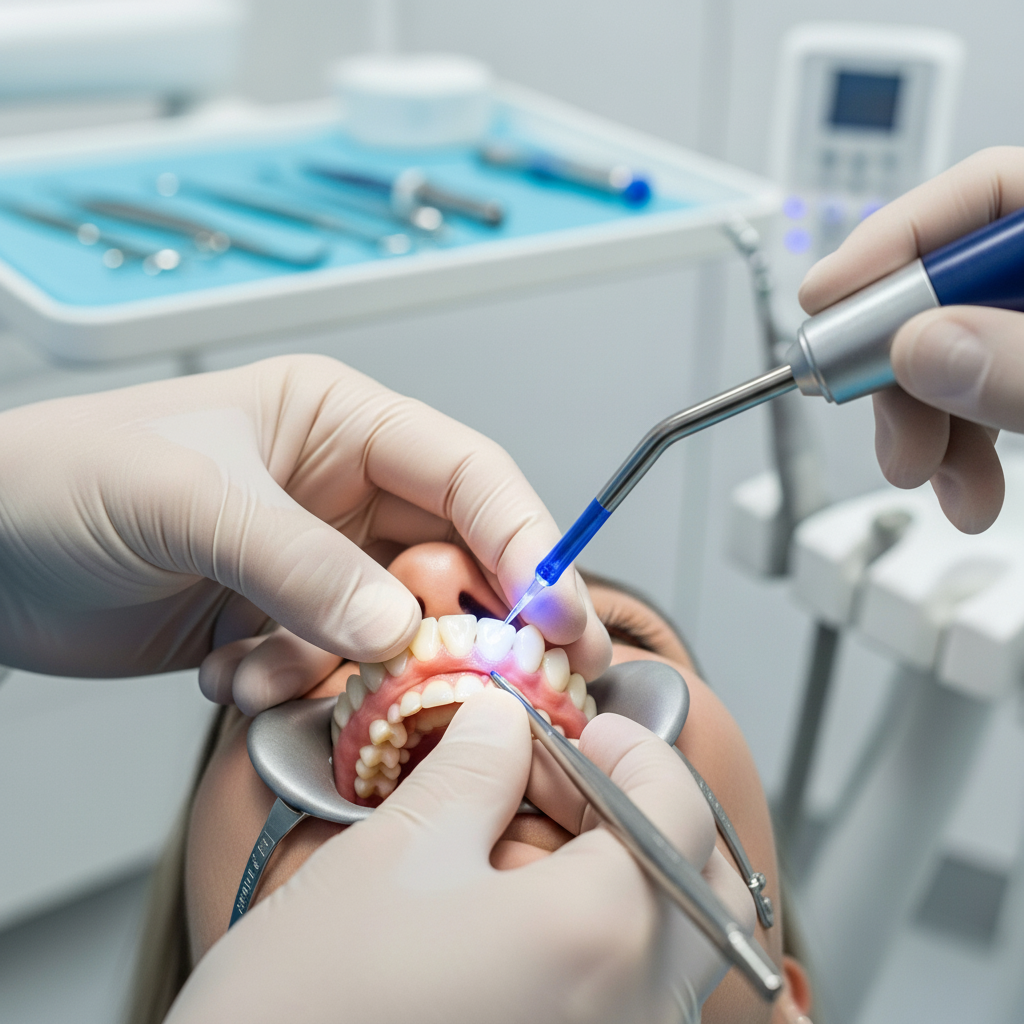
The entire process for composite veneers is typically completed in a single dental visit. The procedure begins with the dentist lightly etching the surface of the tooth to improve the bonding adherence. A bonding agent is then applied. Following this, the dentist will skillfully apply the putty-like composite resin in layers. Each layer is shaped and sculpted directly on your tooth to achieve the desired look. A special curing light is used to harden each layer of resin. This process is repeated until the final shape and thickness are achieved. The final step involves polishing and buffing the veneer to create a smooth, natural-looking finish that blends seamlessly with your other teeth. The outcome is highly dependent on the artistic skill and experience of the dentist.
The Advantages of a Reversible Option
One of the most appealing aspects of composite veneers is that they are considered a more conservative and often reversible treatment. The procedure requires minimal or sometimes no removal of the natural tooth enamel. Because the underlying tooth structure remains largely intact, the process can theoretically be reversed in the future, with the composite material being removed and the original tooth polished. This makes it an excellent option for younger patients or for those who are hesitant to commit to the permanent alteration required for porcelain veneers. It is a less invasive way to address minor cosmetic issues like small chips, discoloration, or slight gaps.
Porcelain Veneers vs Composite Veneers: A Detailed Comparison
Choosing between these two excellent options depends on your specific goals, budget, and long-term expectations. To simplify the decision, it is helpful to compare them across several key criteria.
| Feature | Porcelain Veneers | Composite Veneers |
|---|---|---|
| Material | High-quality, durable ceramic (porcelain) | Engineered composite resin plastic |
| Aesthetics | Superior translucency and luster, mimics natural enamel perfectly | Very good aesthetics, but can look less natural and more opaque |
| Stain Resistance | Extremely high due to the non-porous surface | Prone to staining over time due to the porous nature of resin |
| Durability & Lifespan | Very strong and durable, lasting 10-15+ years with proper care | Less durable, lasting 5-7 years on average before needing repair or replacement |
| Procedure Time | Requires at least two appointments over 1-2 weeks | Typically completed in a single appointment (chairside) |
| Tooth Preparation | Requires irreversible removal of a thin layer of enamel | Requires minimal to no enamel removal, often reversible |
| Cost | Significantly higher initial investment per tooth | More affordable, often about half the cost of porcelain |
| Repairability | If chipped or broken, the entire veneer must be replaced | Can be easily repaired by adding new composite material if chipped |
Making the Right Choice for Your Smile
The decision between porcelain and composite is a personal one. Porcelain veneers are the gold standard for a complete smile makeover, offering unparalleled beauty and durability. They are an investment in a long-lasting, picture-perfect smile. On the other hand, composite veneers provide a fast, effective, and budget-friendly solution for more minor imperfections and for those who prefer a less invasive treatment. According to scientific literature, the long-term clinical performance of veneers is a key consideration, with studies often evaluating survival rates and aesthetic stability over many years. A systematic review on the clinical performance of veneers highlights that while both materials are effective, ceramic veneers generally demonstrate superior longevity and color stability.
Ideal Candidates for Porcelain Veneers
You are likely an ideal candidate for porcelain veneers if you are looking for the most durable, long-term solution to significantly transform your smile. This option is best for individuals with major cosmetic concerns, such as severe discoloration, multiple chipped or crooked teeth, or significant gaps. Patients who choose porcelain are investing in the highest quality aesthetic result that will resist staining and maintain its beauty for over a decade with proper care. They must be comfortable with the permanent alteration of their natural teeth.
When to Consider Composite Veneers
Composite veneers are an excellent choice for individuals with minor cosmetic flaws, such as a single chipped tooth, slight discoloration, or small gaps. They are also a great option for those on a tighter budget or for younger patients who may not be ready for a permanent procedure. If you value a conservative approach that preserves your natural tooth structure and can be completed in just one visit, composite bonding is a compelling alternative. It allows you to “test drive” a new smile without a long-term commitment.