Digital Smile Design in Modern Dentistry
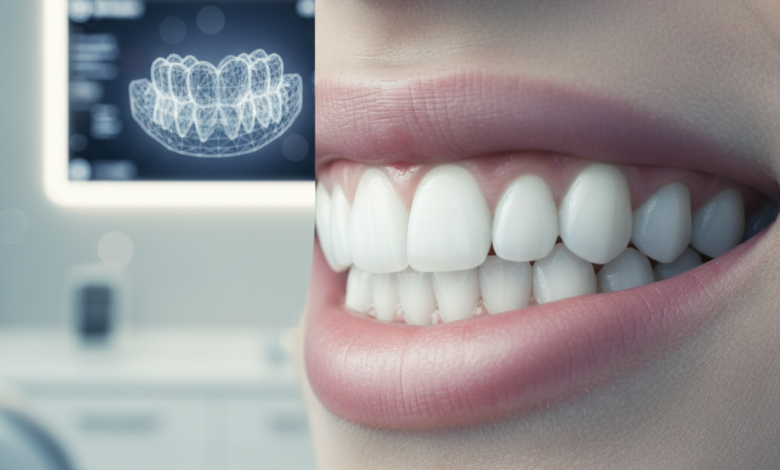
Digital Smile Design in Modern Dentistry represents a revolutionary approach to creating aesthetically pleasing and functionally sound smiles, transforming the patient experience from consultation to final outcome. This innovative methodology leverages cutting-edge digital technology to plan, visualize, and execute dental aesthetic treatments with unparalleled precision and predictability. By integrating advanced imaging, 3D modeling, and design software, Digital Smile Design (DSD) empowers both dentists and patients to co-create the ideal smile, ensuring results that perfectly align with individual facial aesthetics, personality, and desires. It marks a significant departure from traditional methods, where outcomes could sometimes be less predictable and patient involvement limited. The core of DSD lies in its ability to simulate potential treatment results before any physical intervention, fostering transparency, enhancing communication, and building confidence in the proposed treatment plan.
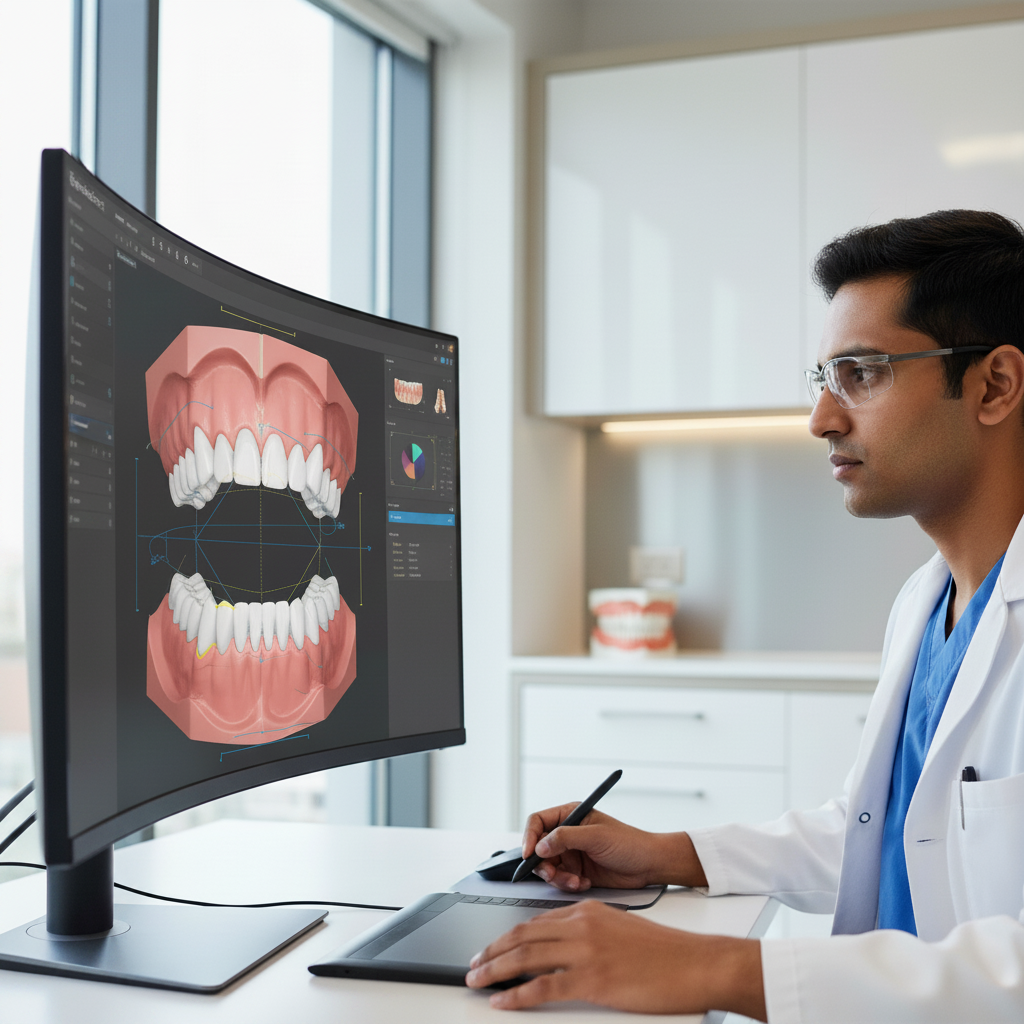
What is Digital Smile Design?
**Digital Smile Design** is a multidisciplinary approach that uses a specific protocol of photographic and video analysis to understand the relationship between the teeth, gums, lips, and face in motion. It’s not just about correcting dental imperfections; it’s about harmonizing the smile within the context of the entire face and personality of the individual. The process begins with comprehensive data collection, including high-resolution photographs, videos, and 3D intraoral scans. This data is then imported into specialized DSD software, where dentists can digitally manipulate tooth shapes, sizes, positions, and gum contours. This digital blueprint serves as the foundation for designing a smile that is not only beautiful but also proportionate and natural-looking, taking into account principles of facial aesthetics, dental phonetics, and occlusal function. This meticulous planning phase allows for precise communication among the dental team – including prosthodontists, orthodontists, periodontists, and lab technicians – ensuring that every aspect of the treatment is perfectly orchestrated. The patient becomes an active participant in this design process, offering feedback and making informed decisions based on realistic visual simulations of their future smile.
The Paradigm Shift: From Traditional to Digital Smile Design
For decades, smile makeovers relied heavily on subjective judgments and manual techniques. Dentists would often use wax models or direct composites to create mock-ups, which, while useful, lacked the precision and comprehensive visual feedback that digital tools offer. The digital revolution has ushered in an era where guesswork is replaced by data-driven decisions. Traditional methods often involved a trial-and-error approach, with less predictable outcomes and longer chair times. DSD, however, introduces a systematic, verifiable, and highly interactive planning phase that mitigates these challenges. It provides a visual roadmap for the entire treatment, from the initial diagnostic stage through to the final restorative work. This not only streamlines the treatment process but also significantly reduces potential complications and adjustments, leading to higher patient satisfaction.
| Feature/Aspect | Traditional Smile Design | Digital Smile Design (DSD) |
|---|---|---|
| **Visualization** | Limited, often 2D sketches or wax models. Subjective interpretation. | High-resolution 2D/3D visualizations, video analysis, realistic simulations. Objective and measurable. |
| **Patient Involvement** | Limited to verbal descriptions and basic models. | Active participation through visual feedback, mock-ups, and digital previews. |
| **Predictability** | Moderate, relies heavily on clinician’s experience. | High, outcomes are virtually simulated and planned before treatment. |
| **Communication** | Can be ambiguous between patient, dentist, and lab. | Clear and precise digital blueprint shared across the entire dental team and patient. |
| **Accuracy** | Depends on manual skill and experience. | Enhanced precision through digital tools, 3D printing, and CAD/CAM technology. |
| **Time Efficiency** | Can involve multiple chairside adjustments. | Streamlined process, fewer adjustments, more efficient appointments. |
| **Risk Reduction** | Higher potential for unforeseen aesthetic or functional issues. | Significantly lower risk due to comprehensive pre-planning and visualization. |
The Comprehensive Digital Smile Design Process
- Initial Consultation & Comprehensive Data Collection: This crucial first step involves an in-depth discussion about the patient’s aesthetic goals, concerns, and expectations. High-quality facial and intraoral photographs, along with short video clips, are captured. These visual records are essential for analyzing facial dynamics, expressions, and how the smile interacts with the rest of the face.
- Digital Data Acquisition: Beyond photography, modern DSD incorporates digital impressions using intraoral scanners. These scanners create highly accurate 3D models of the teeth and gums without the discomfort of traditional impression materials. Cone Beam Computed Tomography (CBCT) scans may also be used to assess bone structure and root positions, especially when planning for procedures like dental implants.
- Smile Design Software & Planning: All collected data is imported into specialized DSD software. Here, the dental professional, using aesthetic guidelines and the patient’s input, digitally designs the ideal smile. This involves adjusting tooth proportions, alignment, and gingival (gum) contours. The software allows for precise measurements and analyses, ensuring the design is harmonious with the patient’s facial features and desired outcomes.
- Patient Involvement & Visualization: One of the most compelling aspects of DSD is the ability to show patients a preview of their future smile. This can be done through on-screen simulations, but more impressively, through a “mock-up” or “trial smile.” Using the digital design, a temporary, non-invasive model of the new smile can be created and placed over the patient’s existing teeth. This allows the patient to see, feel, and even photograph their potential new smile before any irreversible treatment begins. This trial period is invaluable for patient confidence and final adjustments.
- Treatment Plan Execution: Once the digital design is finalized and approved by the patient, it becomes the blueprint for all subsequent dental procedures. Whether it involves veneers, crowns, orthodontics, gum contouring, or restorative work, the DSD guides every step. CAD/CAM (Computer-Aided Design/Computer-Aided Manufacturing) technology is often used to mill precise restorations based on the digital plan, ensuring the final result perfectly matches the approved design.
Key Technologies Powering Digital Smile Design
The evolution of Digital Smile Design is intrinsically linked to advancements in dental technology. High-resolution digital cameras and video recorders capture detailed visual information. Intraoral scanners, such as iTero or Cerec, provide accurate 3D models of the patient’s dentition. Sophisticated DSD software platforms allow for precise manipulation and planning of the smile. Furthermore, 3D printing technology is instrumental in creating physical models, surgical guides, and the aforementioned mock-ups, translating the digital design into tangible tools for the dental team and patient. These technologies collectively ensure a seamless workflow, enhancing accuracy and reducing chair time.
Transformative Benefits of Digital Smile Design
- Unparalleled Predictability: By visualizing the final outcome before treatment begins, DSD virtually eliminates guesswork, leading to highly predictable and satisfactory results.
- Enhanced Patient Communication and Satisfaction: Patients are active co-designers of their smiles. Seeing a realistic preview or trying on a mock-up significantly boosts their confidence and understanding, leading to higher satisfaction with the final result.
- Precision and Accuracy: Digital tools allow for meticulous planning down to the millimeter, ensuring that restorations and treatments are perfectly aligned with the overall aesthetic and functional goals.
- Minimally Invasive Potential: With precise planning, dentists can often opt for more conservative treatment approaches, preserving more natural tooth structure whenever possible.
- Improved Interdisciplinary Collaboration: The digital blueprint acts as a universal language for all specialists involved in a complex case, fostering seamless communication and coordination among the dental team.
- Customized Aesthetic Outcomes: DSD allows for a deeply personalized approach, considering individual facial features, personality traits, and emotional expressions, resulting in a smile that truly belongs to the patient.
Is Digital Smile Design Right for You?
Digital Smile Design is an excellent option for almost anyone looking to enhance their smile, particularly those considering cosmetic dental treatments such as veneers, crowns, orthodontics, or full mouth rehabilitations. If you have concerns about the appearance of your teeth—whether it’s related to shape, size, color, alignment, or gum aesthetics—DSD can provide a clear pathway to achieving your desired smile. It’s especially beneficial for individuals who want a clear understanding of their potential results before committing to treatment. Patients with high aesthetic expectations, or those who have had previous unsatisfactory cosmetic dental work, often find DSD to be an invaluable tool. A thorough consultation with a qualified dental professional can determine if DSD is the most suitable approach for your unique needs and goals.

The Future Landscape of Aesthetic Dentistry with DSD
Digital Smile Design is not just a trend; it represents the future of aesthetic and restorative dentistry. As technology continues to evolve, DSD platforms will become even more sophisticated, integrating artificial intelligence and augmented reality to further refine the design process and enhance the patient experience. The ability to simulate real-time changes and overlay designs onto a patient’s live image will make the consultation process even more dynamic and engaging. Furthermore, the increasing adoption of DSD will lead to more standardized and predictable outcomes across the dental industry, elevating the quality of cosmetic dentistry worldwide. The emphasis on personalized, patient-centric care, combined with technological precision, ensures that DSD will remain at the forefront of dental innovation, continuing to transform smiles and lives. For more in-depth information on the scientific aspects of DSD, you may refer to resources such as Wikipedia’s entry on Digital Smile Design.