Natural Smile Design Tips from Dentists
Achieving a truly natural-looking smile enhancement is a detailed process that goes far beyond simply choosing a tooth shade. Expert cosmetic dentists evaluate a multitude of interconnected factors to create a harmonious and balanced outcome. These principles are the foundation upon which a successful and believable smile transformation is built.
Natural Smile Design Tips from Dentists are crucial for anyone seeking to enhance their appearance without looking artificial. In the world of cosmetic dentistry, the goal has shifted dramatically from creating stark, unnaturally white smiles to crafting beautifully authentic results that harmonize with an individual’s unique facial features. A natural smile design is a bespoke process, an artful blend of science and aesthetics that aims to correct imperfections while preserving the character and personality of the original smile. It is the antithesis of the one-size-fits-all “Hollywood” look. Instead of a uniform, opaque white, it embraces subtle variations in shade, natural translucency, and proportions that are in perfect balance with the person’s face shape, age, and even skin tone. This advanced approach requires a deep understanding of dental anatomy, materials science, and artistic principles to create a result that is not just beautiful, but also believable and uniquely yours.
Understanding the Core Principles of a Natural Smile
Tooth Shape and Proportion
The shape and size of your teeth should complement your facial features. For instance, a person with a more rounded face may look best with teeth that have softer, more rounded corners, while someone with a square jawline might be better suited to teeth with a more defined, squarish shape. Dentists often use the principle of the golden ratio to determine the ideal proportions between the teeth, ensuring the central incisors are dominant and the adjacent teeth decrease in size in a visually pleasing way. The length of the teeth is also critical; longer central incisors are associated with youth, so adjusting length can have a significant anti-aging effect on the overall appearance.
Color, Shade, and Translucency
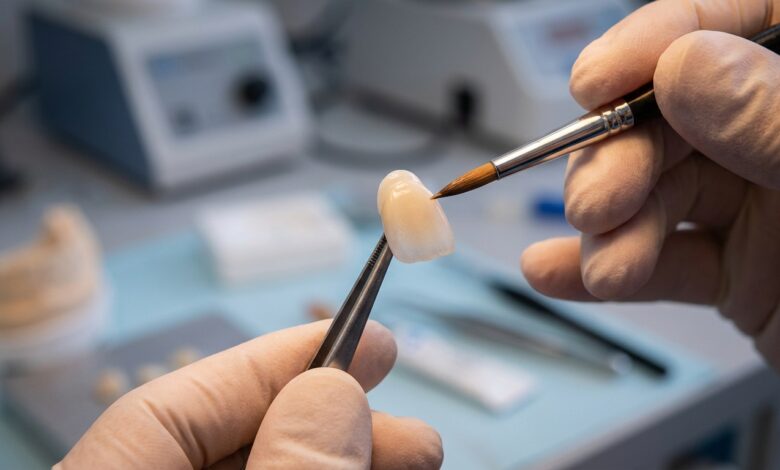
One of the biggest giveaways of artificial dental work is an opaque, monochromatic color. Natural teeth are never a single, flat shade. They have a complex color structure with gradients, typically being slightly darker near the gum line and becoming lighter and more translucent towards the biting edge. This incisal translucency, where the edge of the tooth appears slightly blue or grey, is a hallmark of natural, youthful enamel. A skilled dentist will work with a master ceramist to layer different shades of porcelain to replicate this effect, creating depth and vitality. The final shade selection should also complement the whites of your eyes and your skin tone to ensure the smile looks bright but not out of place.
Gum Line and Symmetry
The gums are the frame for your teeth, and their health and appearance are paramount to a natural smile. An ideal smile features a healthy, pink, and symmetrical gum line that creates an even scalloped shape above the teeth. A “gummy smile,” where too much gingival tissue is displayed, or an uneven gum line can detract from the beauty of the teeth themselves. In many smile design cases, procedures like laser gum contouring are performed to gently reshape the gums, creating a more balanced and aesthetically pleasing frame for the final restorations.
The Comprehensive Natural Smile Design Process
Creating a bespoke, natural smile is a collaborative journey between the patient and the dental team. It involves several meticulous stages, each designed to ensure the final outcome perfectly matches the patient’s vision and anatomical needs. This process uses advanced technology and artistic planning to leave nothing to chance.
Initial Consultation and Digital Planning
The process begins with an in-depth consultation. This is where you discuss your aesthetic goals, concerns, and what you hope to achieve. The dentist will conduct a thorough examination, including taking high-resolution digital photographs and videos of your face and smile from various angles. Increasingly, dentists use intraoral 3D scanners to create a precise digital model of your teeth. This data is then fed into Digital Smile Design (DSD) software, which allows the dentist to design your new smile directly on the screen, manipulating tooth shape, size, and position. This digital preview allows you to see the potential outcome before any treatment begins, ensuring you and your dentist are aligned on the final goal.
The Wax-Up and Mock-Up
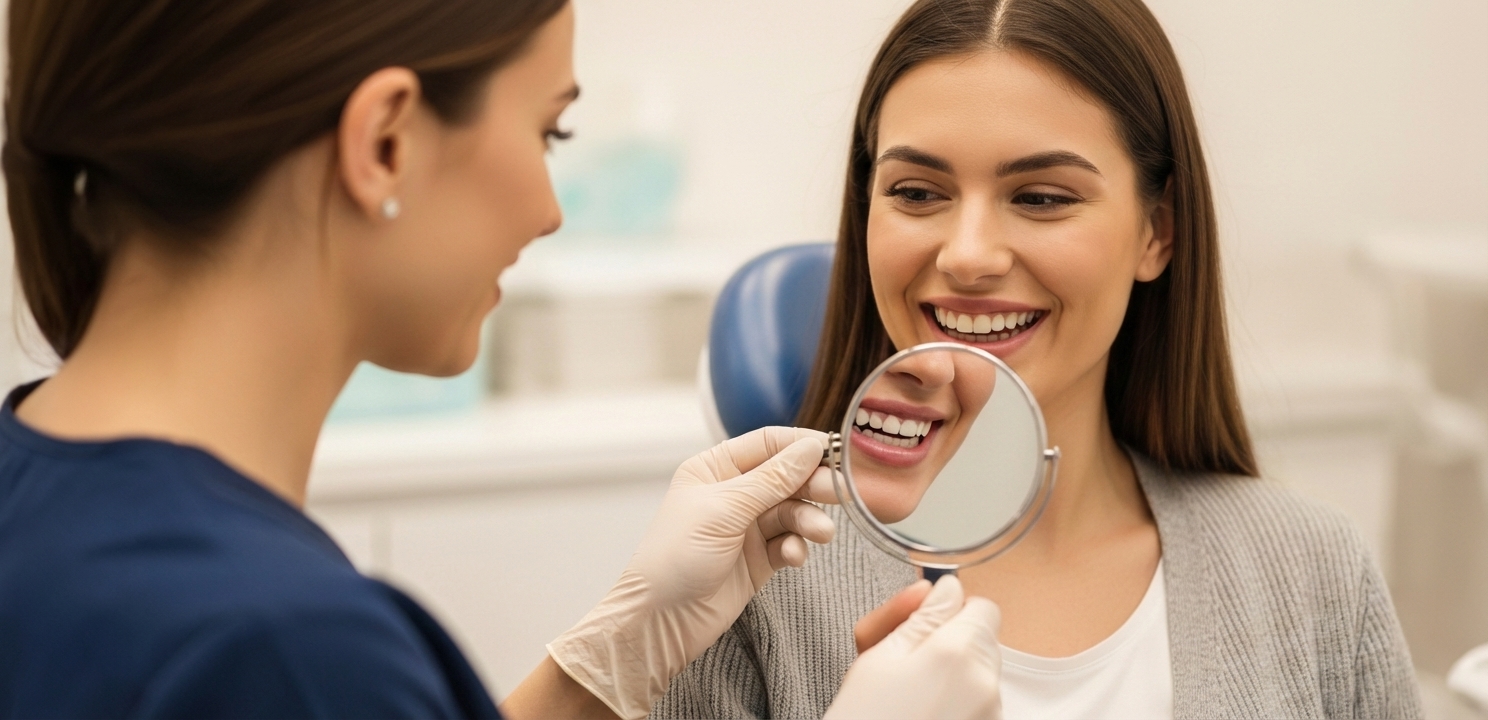
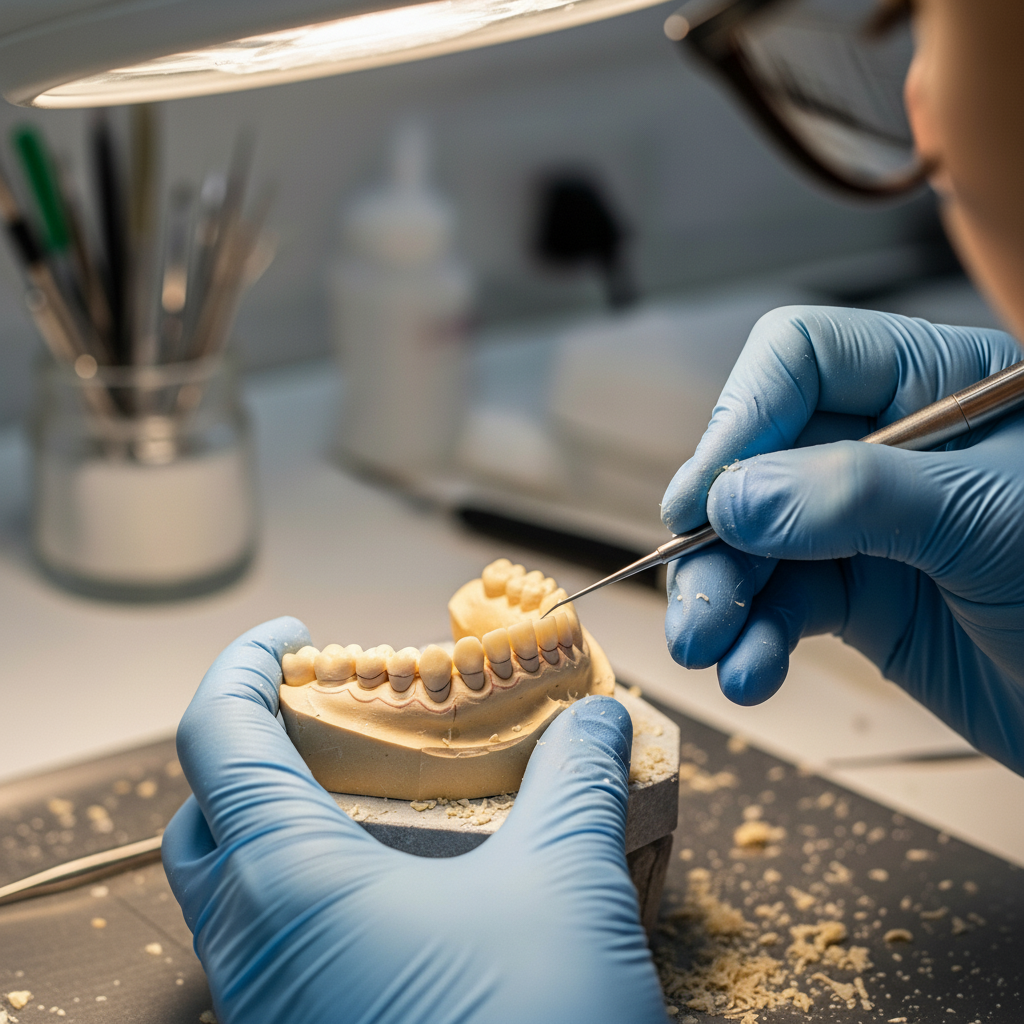
Once the digital design is approved, it is translated into a physical form. A dental lab technician creates a “wax-up,” which is a three-dimensional model of your proposed new smile crafted in wax on a stone cast of your teeth. This provides a tangible preview. The next crucial step is the “mock-up.” Using the wax-up as a guide, the dentist will place a temporary, tooth-colored composite material directly over your unprepared teeth. This mock-up is a non-invasive trial run that allows you to see, feel, and even wear your new smile for a short period. You can assess the look in a mirror, take photos, and provide feedback, enabling final adjustments to be made before the permanent restorations are created.
The Role of Restorative Treatments
With the final design approved, the dentist will use one or more cosmetic procedures to bring it to life. The most common tool for a smile design is the porcelain veneer, a thin shell of ceramic bonded to the front surface of a tooth. Veneers are ideal for changing tooth shape, color, and size with minimal tooth preparation. For more significantly damaged or decayed teeth, a full dental crown may be necessary. Other complementary procedures might include professional teeth whitening to brighten the surrounding teeth, gum contouring for a balanced gum line, or even short-term orthodontics to correct alignment issues before veneers are placed. Exploring the different types of restorations is a key part of the process, and understanding their applications can help you appreciate the artistry involved in veneers and smile design.
Differentiating Natural Aesthetics from an Artificial Look
The ultimate goal of a natural smile design is to create a smile that is so well-integrated with your features that it doesn’t look like dental work at all. Understanding the subtle differences between a natural and an artificial outcome can help you communicate your desires to your dentist effectively. The table below outlines some key distinctions.
| Aesthetic Component | Hallmarks of a Natural Look | Signs of an Artificial Look |
|---|---|---|
| Color | A shade that matches the whites of the eyes. Natural-looking color gradients from the gum line to the biting edge. | An overly bright, monochromatic, and opaque white color that looks fake (often called “chiclet teeth”). |
| Shape | Individually shaped teeth that complement facial features. Subtle imperfections and unique character. | Perfectly uniform, symmetrical, and block-like shapes for every tooth, with no individuality. |
| Translucency | A slight, bluish or greyish translucency at the incisal (biting) edge, mimicking natural enamel. | A complete lack of translucency, resulting in a flat and lifeless appearance. |
| Gum Line | Healthy, pink gums that form a symmetrical, scalloped frame around each tooth. | Inflamed, red, or uneven gums. A gum line that does not flow naturally with the restorations. |
| Proportions | Teeth follow principles like the golden ratio, with a pleasing and balanced size variation from front to back. | All front teeth appear to be the same size and width, creating a monotonous and unnatural look. |
What is the Best Material for a Natural Smile Design?
The choice of material is fundamental to achieving a lifelike result. Modern dental ceramics have revolutionized cosmetic dentistry, offering properties that closely mimic natural tooth enamel. Materials like Lithium Disilicate (e.g., E-max) are highly prized for their excellent translucency and light-reflecting properties, making them a top choice for front teeth and veneers. They can be milled to be extremely thin, requiring less natural tooth reduction. Zirconia is another popular option, known for its exceptional strength, making it suitable for both front and back teeth, especially in the form of crowns. However, older or lower-quality zirconia can sometimes lack the translucency of E-max. Studies on the perception of different dental ceramics show that materials with superior optical properties are often rated as more aesthetically pleasing by both dental professionals and laypeople. A skilled dentist will select the right material based on the specific needs of the case, balancing strength, aesthetics, and the patient’s oral health to create a durable and beautiful result.
Maintaining Your New Smile
Once your natural smile design is complete, proper maintenance is essential to ensure its longevity and beauty for years to come. While porcelain restorations are highly durable and stain-resistant, they are not indestructible and require diligent care. The underlying tooth structure is still susceptible to decay, and the surrounding gums need to be kept healthy to support the restorations.
Adopting a consistent oral hygiene routine is the first step. This includes brushing at least twice a day with a soft-bristled toothbrush and a non-abrasive toothpaste to avoid scratching the surface of the porcelain. Flossing daily is also critical, as it cleans the areas between the restorations and along the gum line where plaque can accumulate. Your dentist may recommend specific flossing techniques or tools, like a water flosser, to effectively clean around crowns or veneers.
Regular dental check-ups and cleanings every six months are non-negotiable. During these visits, the hygienist will use special instruments and polishing pastes designed for dental ceramics to clean your smile safely. The dentist will examine the restorations, checking for any signs of damage and assessing the health of the surrounding gums and teeth. Finally, if you have a habit of clenching or grinding your teeth (bruxism), especially at night, it is vital to wear a custom-fitted nightguard. This appliance protects your natural teeth and your new restorations from the immense pressure that can cause chipping, fractures, or debonding over time.