How Many Dental Implants Are Safe Per Session
A patient’s systemic health is the most critical factor. The surgical placement of dental implants is an invasive procedure that places stress on the body. A healthy individual with no significant underlying medical conditions can typically tolerate a longer surgical session required for multiple implant placements. Conversely, patients with uncontrolled chronic conditions, such as diabetes or autoimmune disorders, may have a compromised healing capacity. In such cases, the surgeon might opt for a more conservative, staged approach to minimize physiological stress. Lifestyle factors, particularly smoking, can also severely impact healing and the success of osseointegration, influencing the surgical plan.
Jawbone Quality and Quantity
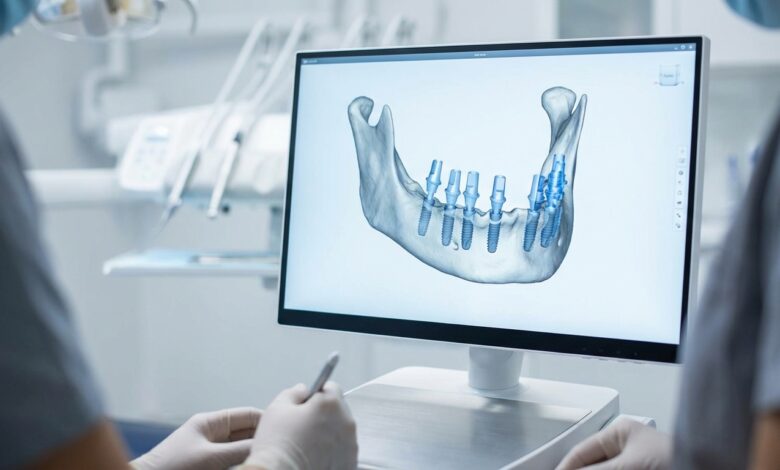
The foundation of any successful implant is the jawbone. For an implant to be stable, it needs to be surrounded by a sufficient volume of dense, healthy bone. A dentist will use advanced imaging, such as a Cone Beam Computed Tomography (CBCT) scan, to get a 3D view of the jaw. This scan reveals the bone’s height, width, and density. If significant bone loss has occurred—a common consequence of long-term tooth loss—preliminary procedures like bone grafting or a sinus lift may be required. These procedures add bone to the deficient area but may necessitate a separate healing period before implants can be placed, thereby influencing the timeline and what can be done in a single session.
The Surgeon’s Expertise and Clinic Technology
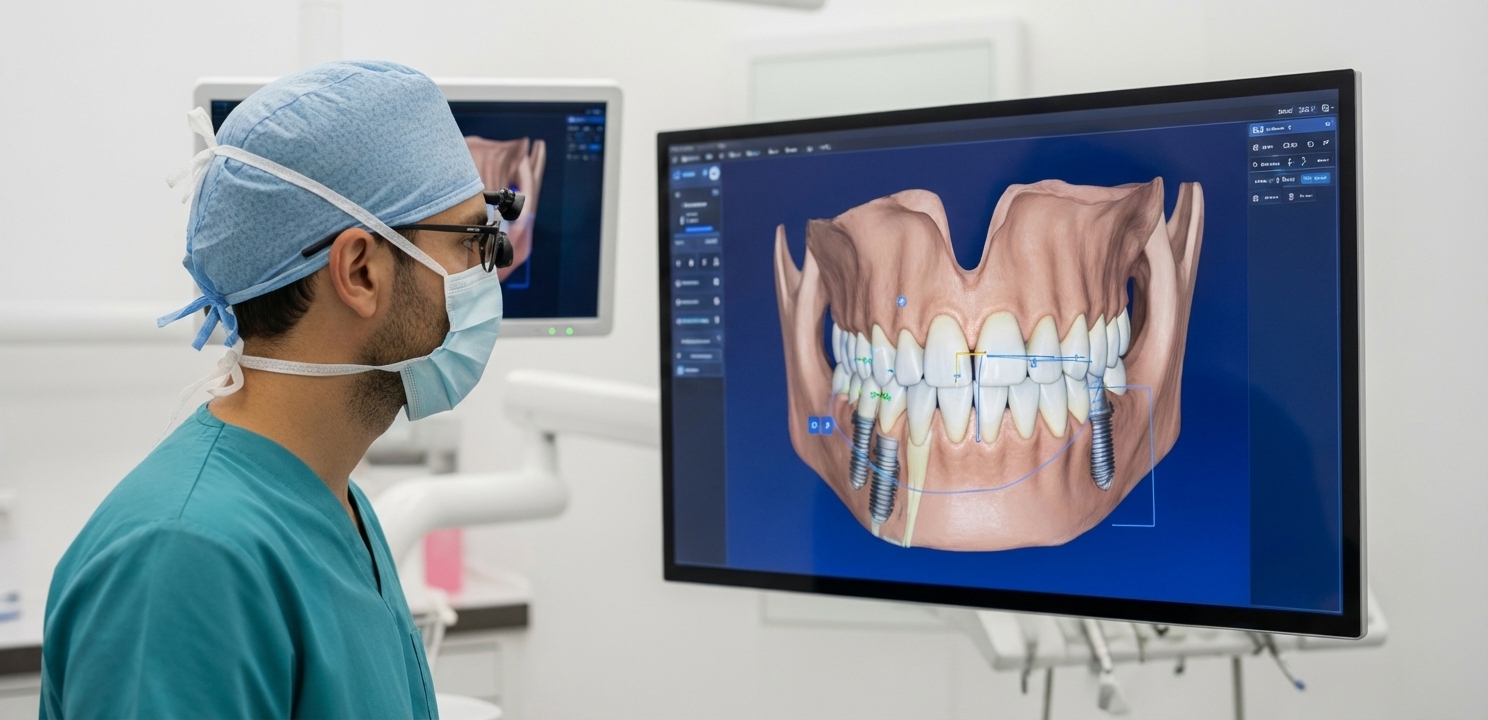
The skill of the oral surgeon or implantologist and the technology at their disposal play a massive role. An experienced surgeon who specializes in full-mouth reconstructions is adept at managing complex cases efficiently and safely. Modern clinics utilize cutting-edge technology like computer-guided surgery. This involves using the CBCT scan to create a precise digital plan and then fabricating a surgical guide that directs the exact angle, depth, and position of each implant. This technology enhances accuracy, minimizes surgical time, and reduces trauma to the surrounding tissues, making it safer to place a higher number of implants in one go.
Scenarios for Multiple Implant Placement
The number of implants placed is directly related to the treatment goal. Whether replacing a few missing teeth or an entire arch, different strategies are employed.
Single or Multiple Adjacent Teeth
For replacing two, three, or even four adjacent missing teeth, it is standard practice to place all the necessary implants in a single appointment. This is a routine procedure that is minimally invasive and has a predictable recovery period. Instead of a one-to-one replacement, a surgeon might place two implants to support a three or four-unit bridge, reducing the total number of implants needed while still providing robust support.
Full Arch Restoration (All-on-4 / All-on-6)
This is where the efficiency of modern implantology truly shines. For patients who have lost all or most of their teeth in an entire arch (upper or lower jaw), full-arch restoration techniques are a revolutionary solution. The All-on-4 or All-on-6 protocols involve placing four or six implants, respectively, at strategic locations and angles within the jaw. These implants are then used to support a full, permanent bridge. The entire surgical phase—including any necessary extractions and the placement of all 4 or 6 implants—is completed in a single session. This approach not only minimizes the number of surgeries but often allows for the attachment of a temporary, fixed prosthesis on the very same day. For those seeking to understand the options available, learning about the best dental implant method for success is a crucial step in the decision-making process.
Full Mouth Reconstruction
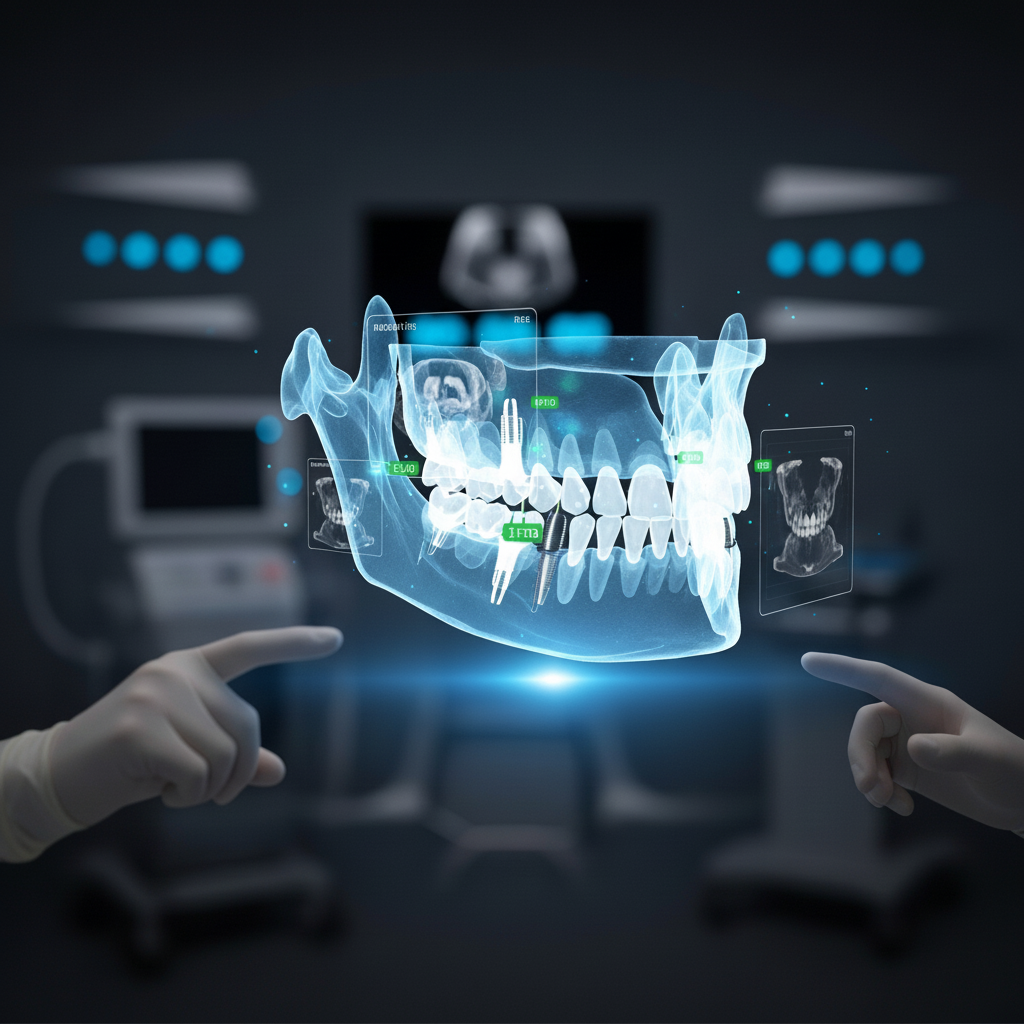
In the most extensive cases, where a patient requires restoration of both the upper and lower arches, it is entirely possible to place all the required implants in one session. This could mean placing 8, 10, or even 12 implants in a single, prolonged surgical appointment. This approach is typically reserved for healthy, suitable candidates and is performed under sedation or general anesthesia for patient comfort. The primary benefit is consolidating all surgical trauma into a single event, resulting in one unified recovery period rather than multiple.