Gum Surgery in Turkey – What to Expect
Gum Surgery in Turkey – What to Expect
Gum disease, also known as periodontal disease, is a common condition affecting millions worldwide. It ranges from simple gum inflammation (gingivitis) to severe disease that can lead to significant soft tissue and bone damage, eventually resulting in tooth loss. When conservative treatments like deep cleaning (scaling and root planing) are insufficient, gum surgery becomes a necessary intervention to restore oral health. Turkey has emerged as a leading destination for various medical and dental treatments, including specialized gum surgeries, attracting international patients seeking high-quality care at competitive prices. Understanding the process, benefits, and recovery involved can help patients make informed decisions about pursuing this vital treatment abroad.

Understanding Gum Disease and Its Impact
Periodontal disease is primarily caused by bacterial plaque, a sticky film that constantly forms on your teeth. If not removed through daily brushing and flossing, plaque can harden into tartar, which can only be removed by a dental professional. Tartar accumulation creates a rough surface that harbors more bacteria, leading to inflammation and infection of the gums. Initially, this presents as gingivitis, characterized by red, swollen, and bleeding gums. If left untreated, gingivitis can progress to periodontitis, where the inner layer of the gum and bone pull away from the teeth and form pockets. These pockets become infected, and as the body’s immune system fights the bacteria, it also begins to break down the bone and connective tissue that hold teeth in place. Eventually, teeth can loosen and even fall out. The impact extends beyond oral health, with links to systemic conditions such as heart disease, diabetes, and respiratory problems.
Types of Gum Surgery in Turkey: A Comprehensive Overview
When non-surgical treatments prove ineffective, or the gum disease has advanced significantly, surgical intervention becomes necessary. Dentists and periodontists in Turkey offer a range of advanced gum surgery procedures tailored to individual patient needs. These procedures aim to reduce pockets, regenerate lost tissue and bone, and improve the aesthetics and function of the gums.
Flap Surgery (Pocket Reduction Surgery)
This is one of the most common surgical procedures for advanced periodontitis. During flap surgery, the periodontist makes small incisions in the gum tissue to lift back a section of the gums, exposing the roots and supporting bone. This allows for thorough removal of tartar, plaque, and diseased tissue from the root surfaces. In some cases, irregular surfaces of the damaged bone are smoothed to limit areas where disease-causing bacteria can hide. After cleaning, the gum tissue is sutured back into place, tightly hugging the teeth to reduce pocket depth and make it easier to maintain oral hygiene.
Bone Grafting
When gum disease has destroyed the bone supporting the teeth, a bone graft procedure may be performed. This involves placing fragments of your own bone, synthetic bone, or donated bone into the area of bone loss. The graft serves as a scaffold, stimulating the growth of new bone and helping to restore stability to the teeth. This procedure is critical for preventing tooth loss and can also prepare the jaw for future dental implants.
Soft Tissue Grafting
Also known as gum grafting, this procedure addresses gum recession, where the gum tissue has pulled away from the tooth roots, exposing them. Exposed roots can lead to sensitivity, root decay, and an unsightly appearance. Soft tissue grafting involves taking a small piece of tissue from another area of your mouth (typically the palate) or using donor tissue and attaching it to the receded gum line. This helps to cover exposed roots, reduce sensitivity, and protect against further recession and bone loss, while also improving the aesthetic harmony of the smile.
Guided Tissue Regeneration
This advanced surgical technique is often performed in conjunction with flap surgery or bone grafting. Guided tissue regeneration (GTR) is used to encourage the growth of new gum tissue and bone where it has been destroyed by periodontal disease. A small, biocompatible membrane is placed between the gum tissue and the bone defect. This membrane acts as a barrier, preventing the fast-growing gum tissue from growing into the bone defect area, thereby allowing slower-growing bone and ligament cells to regenerate and fill the space.
Crown Lengthening
Crown lengthening is a procedure performed to expose more of the tooth structure. This can be done for aesthetic reasons, such as correcting a “gummy smile” where excess gum tissue covers too much of the teeth, making them appear short. It is also often performed to prepare a tooth for a crown or other restorative procedure when there isn’t enough tooth structure remaining above the gum line to properly support a restoration. During crown lengthening, a periodontist removes a small amount of gum tissue and, in some cases, bone around the tooth or teeth to expose more of the natural tooth.
Why Turkey is a Leading Destination for Gum Surgery
Turkey has firmly established itself as a global hub for medical tourism, particularly in the field of dentistry. Several factors contribute to its popularity for procedures like gum surgery:
- Cost-Effectiveness: Dental procedures in Turkey are significantly more affordable compared to those in Western Europe or North America, often without compromising on quality. This allows patients to access advanced treatments that might otherwise be financially out of reach.
- High Standards of Care: Many Turkish dental clinics are equipped with state-of-the-art technology and adhere to international hygiene and safety standards. Dentists and periodontists are often highly qualified, many having received training internationally.
- Experienced Professionals: The high volume of international patients means Turkish dental professionals gain extensive experience across a wide range of complex cases, refining their skills and expertise.
- Convenience and Tourism: Patients can combine their medical treatment with a holiday, enjoying Turkey’s rich cultural heritage, beautiful landscapes, and vibrant cities. Clinics often offer comprehensive packages that include accommodation and transfers.
- Accessibility: Turkey is easily accessible from Europe, Asia, and Africa, with numerous direct flights to major cities like Istanbul and Antalya.
The Gum Surgery Journey: What to Expect Step-by-Step
Embarking on a gum surgery journey in Turkey involves several stages, each designed to ensure a successful outcome and a comfortable experience.
Initial Consultation and Treatment Planning
The first step typically involves an online consultation, where you share your medical history, dental records, and recent X-rays with a Turkish dental clinic. During an in-person examination, the periodontist will thoroughly assess your gum health, measure pocket depths, check for bone loss, and take further X-rays or 3D scans. Based on this comprehensive evaluation, a personalized treatment plan will be devised, outlining the specific type of gum surgery recommended, the expected outcomes, and the total cost. This initial planning phase is crucial and may even include discussions about broader dental solutions like full mouth restoration if your condition warrants it.
The Surgical Procedure Day
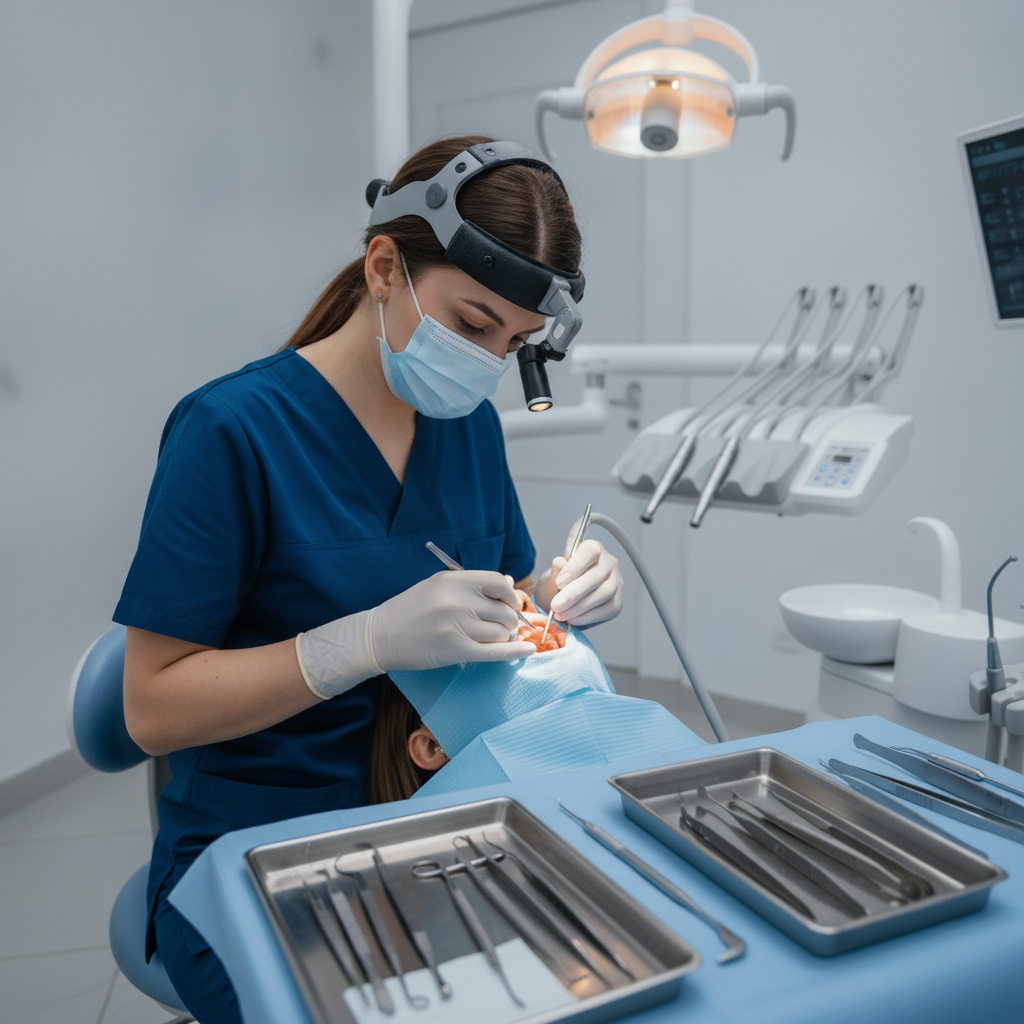
On the day of your surgery, you will be prepared for the procedure. Local anesthesia will be administered to numb the surgical area completely, ensuring you feel no pain during the operation. Depending on the complexity and type of surgery, the procedure can take anywhere from one to several hours. While you will be awake, you should feel comfortable and relaxed. The periodontist will perform the agreed-upon surgical steps, carefully removing diseased tissue, cleaning root surfaces, performing grafting procedures, and finally suturing the gum tissue back into place. After the surgery, you will receive detailed post-operative instructions and often a prescription for pain medication and antibiotics.
Post-Operative Care and Recovery Timeline
The recovery period is a crucial part of the healing process after gum surgery. Adhering strictly to your periodontist’s instructions is vital for optimal results and to prevent complications. Here’s a general overview of what to expect:
| Timeframe | What to Expect | Care Instructions |
|---|---|---|
| First 24-48 Hours | Mild discomfort, swelling, slight bleeding, sensitivity to hot/cold. Numbness from anesthesia wears off. | Apply ice packs externally, take prescribed pain medication, avoid rinsing vigorously, soft diet, avoid touching the surgical area. |
| First Week | Swelling and discomfort should gradually subside. Bruising may appear. Stitches are usually in place (some dissolve naturally). | Continue soft diet, gentle brushing around the surgical site (avoid direct brushing on sutures), use prescribed mouthwash, avoid strenuous activity. |
| 2-4 Weeks | Significant healing occurs. Stitches may be removed if non-dissolvable. Gums appear healthier, less sensitive. | Gradually reintroduce normal foods, resume gentle brushing and flossing near the site as advised, continue mouthwash. |
| 1-3 Months | Gum tissue continues to mature and reattach. Final contouring of gums takes shape. | Maintain excellent oral hygiene, attend follow-up appointments, periodontist assesses healing progress. |
| 3-6+ Months | Full healing and stabilization. Long-term results become apparent. | Continue diligent home care, regular dental check-ups and professional cleanings. |
It is important to remember that individual healing times can vary based on the type of surgery performed, your overall health, and how well you follow post-operative instructions. Swelling and discomfort are normal immediately after surgery and can be managed with prescribed medications. You will be advised on diet modifications (soft foods are typically recommended for the first week or two), oral hygiene practices (gentle brushing, specific mouthwashes), and avoiding certain activities that could disrupt the healing process. Follow-up appointments are essential to monitor your recovery, remove sutures if necessary, and ensure proper healing.
Maintaining Your Oral Health After Gum Surgery
The success of gum surgery is not solely dependent on the procedure itself but also significantly on your commitment to long-term oral hygiene. After healing, it is imperative to maintain an excellent oral care routine, including brushing twice a day, flossing daily, and using an antiseptic mouthwash as recommended by your periodontist. Regular dental check-ups and professional cleanings, typically every three to six months, are crucial to prevent the recurrence of gum disease. Your periodontist will provide specific guidance on how to care for your newly healthy gums, which may include special brushes or interdental cleaners. By diligently following these recommendations, you can protect your investment in your oral health and enjoy the long-term benefits of gum surgery. For more detailed information on periodontal disease and its treatments, you can consult reputable sources such as Wikipedia on Periodontal disease.
Gum surgery in Turkey offers a viable and often more affordable solution for individuals struggling with advanced gum disease. With highly skilled professionals, modern facilities, and a supportive environment for international patients, Turkey provides a comprehensive package for restoring gum health. By understanding what to expect from the initial consultation through to the recovery and long-term maintenance, patients can approach their treatment with confidence and achieve lasting positive outcomes for their oral health.