Pain Level of Dental Implants in Turkey Explained
Pain Level of Dental Implants in Turkey Explained. For many individuals considering dental implants, one of the foremost concerns is the potential for pain. This is a natural apprehension, especially when contemplating a surgical procedure. However, advancements in dental technology, anesthesia, and surgical techniques have significantly minimized discomfort associated with dental implant placement. This comprehensive guide aims to demystify the pain levels involved in receiving dental implants in Turkey, offering a clear and realistic overview of what patients can expect before, during, and after the procedure.
Modern dentistry in Turkey emphasizes patient comfort and employs sophisticated methods to ensure a smooth and as pain-free experience as possible. Understanding each stage of the dental implant journey, from initial consultation to full recovery, is key to alleviating anxieties and setting realistic expectations. The reputation of Turkish dental clinics for high standards of care and experienced professionals further contributes to a comfortable patient experience.
Understanding the Dental Implant Procedure and Pain Management
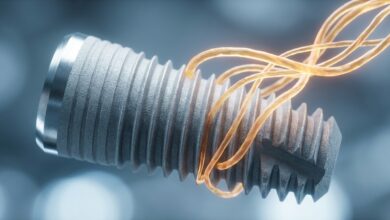
A dental implant is a titanium post surgically placed into the jawbone beneath the gum line. This post acts as a replacement for the tooth root, providing a sturdy foundation for an artificial tooth (crown). The procedure is performed in several stages, each with specific pain management protocols.
Initial Consultation and Planning
Before any surgical intervention, a thorough examination is conducted. This includes X-rays, 3D scans, and a comprehensive assessment of oral health. This stage is entirely pain-free. The detailed planning ensures precision during surgery, which in turn reduces potential trauma and post-operative discomfort.
Local Anesthesia: The Foundation of Comfort
During the dental implant placement procedure itself, the primary method of pain prevention is local anesthesia. This numbs the area completely, ensuring that the patient feels no sharp pain. Patients typically describe feeling pressure or movement, but never actual pain during the surgery. This is a crucial distinction that helps many patients overcome their initial fear. Some clinics may also offer conscious sedation or general anesthesia for patients with high anxiety or for more complex cases, further enhancing comfort.
During the Implant Placement Surgery
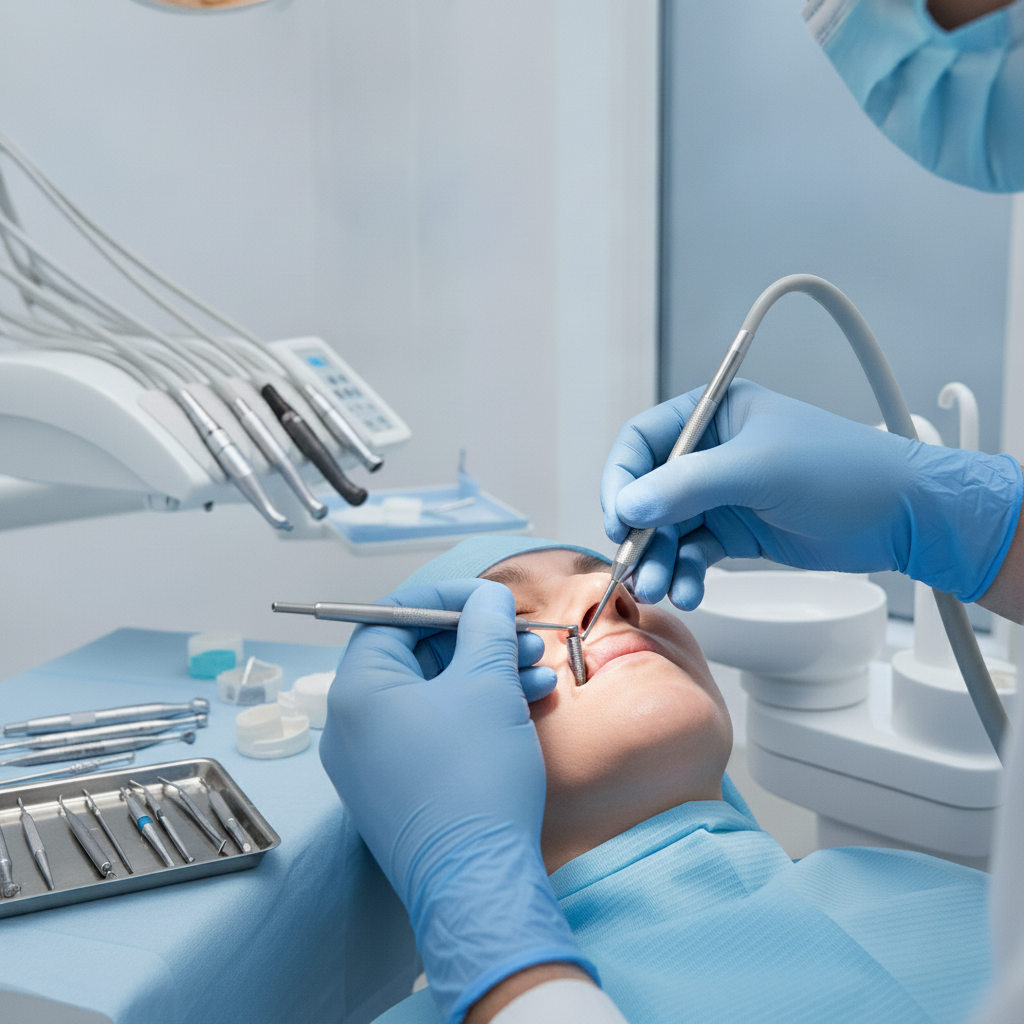
Once the local anesthetic takes effect, the surgeon carefully makes an incision in the gum to expose the bone. A small pilot hole is drilled, which is then gradually widened to accommodate the implant post. The implant is then screwed into place, and the gum tissue is either closed over the implant (for a two-stage procedure) or a healing abutment is attached (for a one-stage procedure). Throughout this process, due to the effective anesthesia, patients should not experience pain. The focus is entirely on precision and gentle handling of tissues to minimize post-operative symptoms.
Pain Level of Dental Implants in Turkey: Post-Procedure Expectations
The actual pain experience largely begins after the local anesthesia wears off. However, this discomfort is typically manageable with prescribed medication and proper post-operative care.
Immediate Post-Operative Period (First 24-48 Hours)
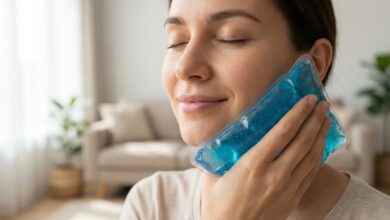
After the surgery, it is normal to experience some discomfort as the anesthesia fades. This usually manifests as mild to moderate pain, similar to that following a tooth extraction. Swelling, bruising, and slight bleeding are also common. Your dentist will prescribe pain relievers (analgesics) and possibly antibiotics to prevent infection. Taking pain medication as directed, usually before the anesthesia completely wears off, is crucial for effective pain management. Applying cold compresses to the outside of the cheek near the surgical site can help reduce swelling and discomfort.
First Week of Recovery
The first few days are generally the most uncomfortable. Pain should steadily decrease during the first week. By the end of the week, most patients find that over-the-counter pain relievers are sufficient, or they no longer need medication at all. Swelling typically peaks around 2-3 days post-surgery and then gradually subsides. Maintaining good oral hygiene, following a soft diet, and avoiding strenuous activities are essential during this period to promote healing and prevent complications. For detailed guidance on this critical phase, you can explore resources on dental implant recovery.
Long-Term Healing and Osseointegration
After the initial week, pain should be minimal to non-existent. The primary process occurring over the next 3-6 months is osseointegration, where the implant fuses with the jawbone. This biological process is largely pain-free. During this time, the implant is usually left undisturbed to ensure stable integration. Once osseointegration is complete, the implant is stable enough to support the artificial tooth. Any discomfort during this longer healing period is unusual and should be reported to your dentist.
The table below provides a general overview of expected pain levels at different stages of the dental implant process:
| Stage of Treatment | Expected Pain Level (Scale of 1-10) | Primary Management Strategy |
|---|---|---|
| Initial Consultation & Planning | 0 (No Pain) | N/A |
| During Implant Placement (with Anesthesia) | 0-1 (Pressure/Slight Discomfort, No Sharp Pain) | Local Anesthesia, Sedation (if requested) |
| Immediate Post-Op (First 24-48 hrs) | 3-6 (Mild to Moderate) | Prescribed Pain Relievers, Cold Compress |
| Days 3-7 Post-Op | 2-4 (Mild to Diminishing Discomfort) | Over-the-Counter Pain Relievers, Soft Diet |
| Weeks 2-4 Post-Op | 0-2 (Minimal Discomfort, if any) | Generally no medication needed |
| Osseointegration Period (Months 1-6) | 0 (No Pain) | N/A (unless complications arise) |
| Abutment Placement & Crown Fitting | 0-2 (Mild Sensitivity) | Local Anesthesia (optional), Over-the-Counter Pain Relievers |
Factors Influencing Pain Levels
- Complexity of the Procedure: A single implant in a healthy jawbone will typically result in less pain than multiple implants, bone grafting, or sinus lifts, which are more extensive procedures.
- Individual Pain Threshold: Everyone perceives pain differently. What one person considers mild discomfort, another might find more bothersome.
- Surgeon’s Expertise and Technique: Highly skilled and experienced dental surgeons employ precise, minimally invasive techniques that reduce tissue trauma, leading to less post-operative pain and faster healing. This is a significant advantage of choosing reputable clinics in Turkey.
- Adherence to Post-Operative Instructions: Meticulously following your dentist’s aftercare advice, including medication schedules, diet restrictions, and oral hygiene, is paramount to minimizing pain and preventing complications.
- Overall Health: Patients with certain systemic conditions or those who smoke may experience a slightly longer or more uncomfortable recovery period.
Effective Pain Management Strategies
- Over-the-Counter Pain Relievers: Ibuprofen or paracetamol can be effective for managing mild pain once stronger prescription medications are no longer needed.
- Cold Compresses: Apply an ice pack wrapped in a cloth to the outside of your cheek for 15-20 minutes at a time, with 15-minute breaks, during the first 24-48 hours to reduce swelling and numb the area.
- Soft Diet: Stick to soft foods that require minimal chewing, such as soups, yogurt, mashed potatoes, and smoothies, for the first few days. Avoid hot, spicy, crunchy, or chewy foods.
- Hydration: Drink plenty of water to aid recovery and general well-being.
- Oral Hygiene: Gently rinse with a prescribed antiseptic mouthwash or warm salt water (after the first 24 hours) to keep the surgical site clean and prevent infection. Avoid vigorous rinsing or spitting, which can dislodge the blood clot.
- Rest: Allow your body ample rest to recover. Avoid strenuous physical activity for at least a week post-surgery.
- Elevated Head Position: Sleeping with your head slightly elevated can help reduce swelling.
When to Contact Your Dentist
- Severe pain that does not subside with medication.
- Persistent or increasing swelling after 3-4 days.
- Pus or foul discharge from the surgical site.
- Fever or chills.
- Numbness that persists beyond the expected duration of local anesthesia.
These could be signs of an infection or other complication requiring professional assessment.
The Advantage of Dental Implants in Turkey
- High Standards of Care: Turkish dental clinics are equipped with state-of-the-art technology and adhere to international hygiene and treatment protocols.
- Experienced Dentists: Many Turkish dentists receive international training and have extensive experience in complex implant procedures, contributing to successful outcomes and minimized discomfort.
- Cost-Effectiveness: While maintaining high quality, the cost of dental implants in Turkey is significantly more affordable compared to many Western countries, making it an attractive option for many.
- Comprehensive Treatment Packages: Clinics often provide all-inclusive packages that cover the procedure, accommodation, and transfers, simplifying the patient journey.
The combination of advanced techniques, skilled professionals, and a patient-centric approach ensures that the experience of receiving dental implants in Turkey is not only successful but also as comfortable as possible. For further general information on dental implants, you might consult resources like Wikipedia’s entry on Dental Implants.
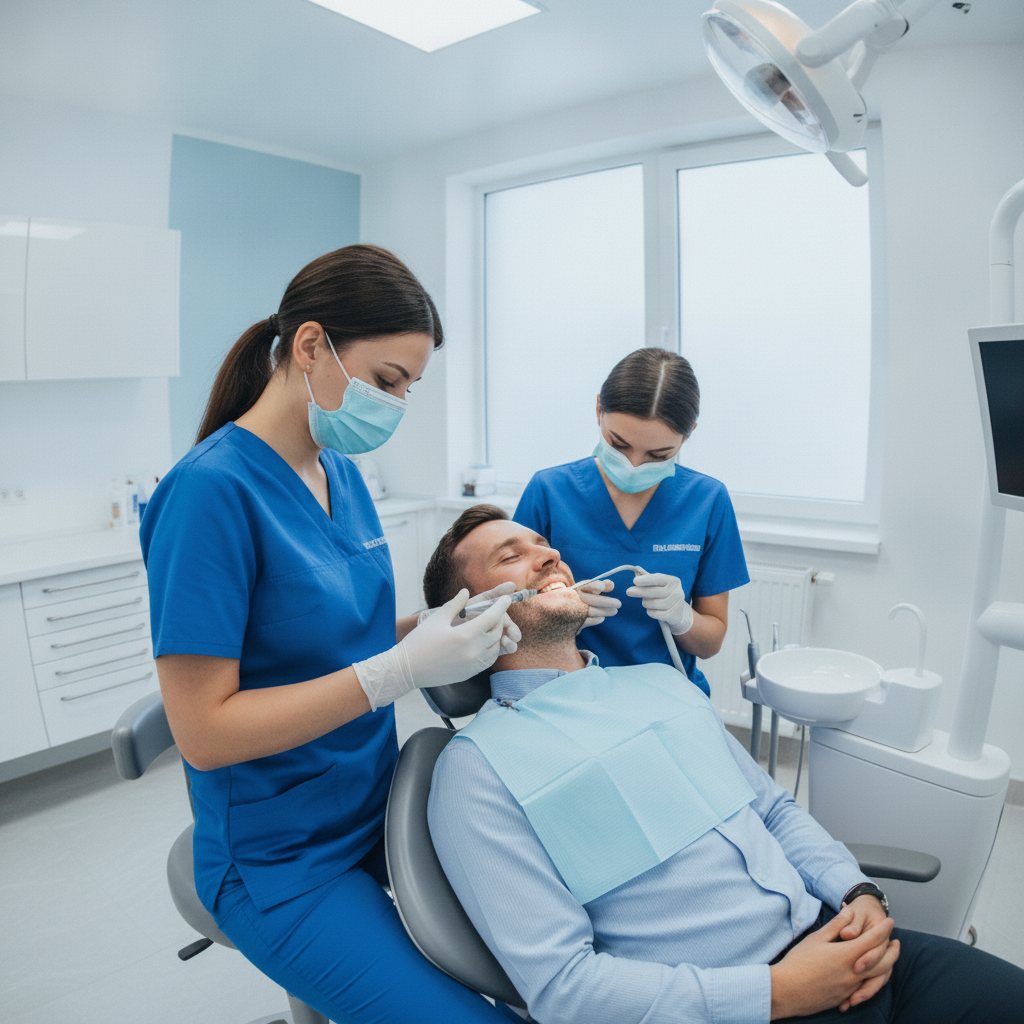
The prospect of dental implant surgery, especially in a foreign country, can seem daunting, but modern advancements have transformed the experience. The emphasis on local anesthesia, precise surgical techniques, and comprehensive post-operative care means that the “pain level” associated with dental implants in Turkey is largely manageable and temporary. Patients can look forward to restoring their smile and oral function with confidence, knowing that any discomfort experienced during the process is well-controlled and short-lived, paving the way for long-term oral health and comfort.