Zirconia Crowns vs Porcelain Crowns
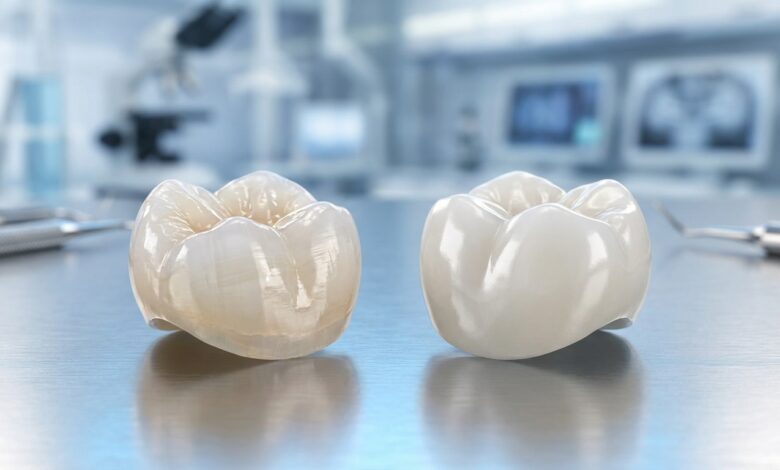
A dental crown is a custom-made, tooth-shaped “cap” that is permanently placed over a tooth. Its primary purpose is to encase a damaged tooth, restoring it to its original form and function while protecting it from further harm. Think of it as a helmet for your tooth. The need for a dental crown can arise from various clinical situations, each aimed at preserving the natural tooth structure and maintaining oral health.
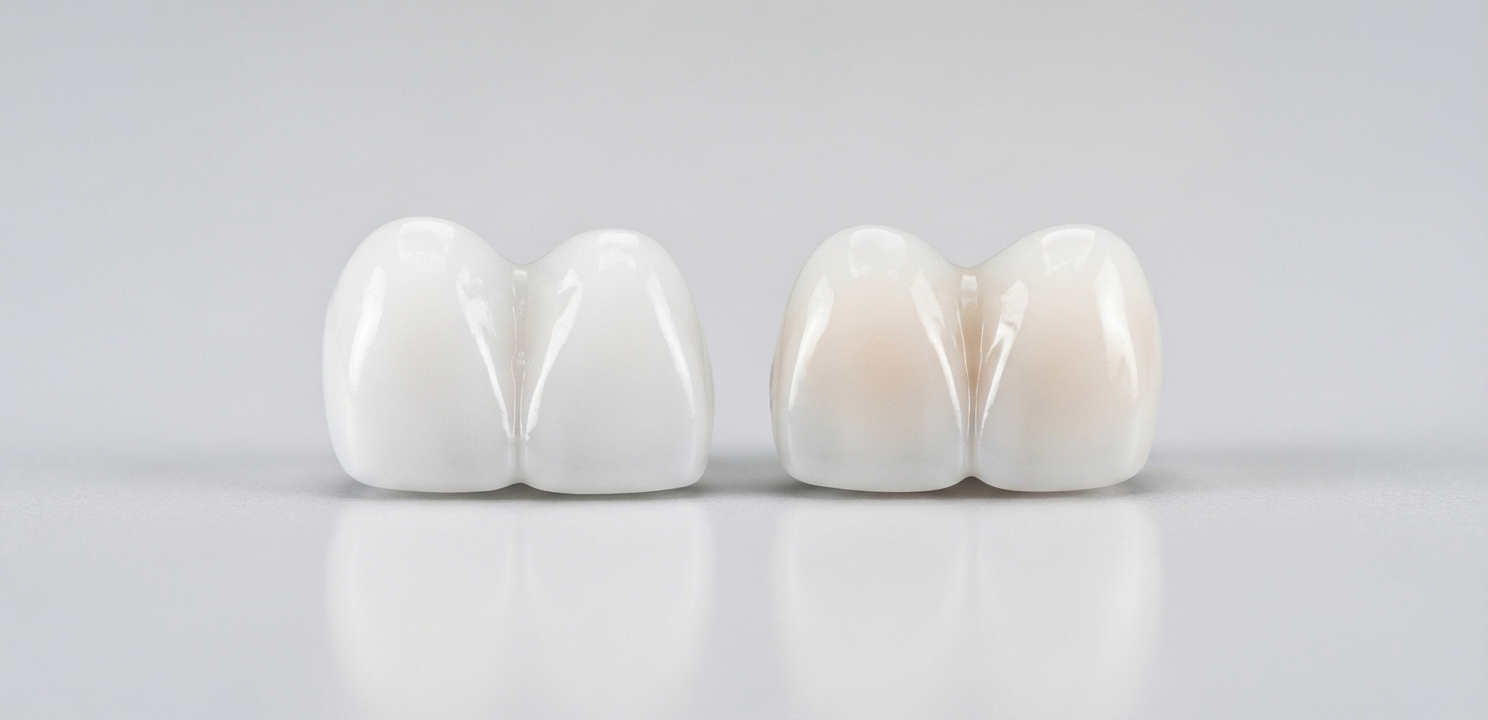
Zirconia Crowns vs Porcelain Crowns are two of the most advanced and popular options in modern restorative dentistry. When a tooth is damaged, weakened, or cosmetically imperfect, a dental crown acts as a protective cap, restoring its shape, size, strength, and appearance. For decades, the choice of material was limited, but advancements in dental technology have given patients superior options that blend seamlessly with their natural smile. Choosing between Zirconia and Porcelain involves understanding the unique properties, benefits, and ideal applications of each material. This decision is crucial as it impacts not only the aesthetics of your smile but also the long-term health and function of your teeth. Both materials represent the pinnacle of dental craftsmanship, but their distinct characteristics make them suitable for different needs and clinical situations.
What Are Dental Crowns and Why Are They Needed?
Common reasons a dentist might recommend a dental crown include:
- Significant Tooth Decay: When a cavity becomes too large for a simple filling to be effective, a crown is needed to cover and support the remaining tooth structure.
- Broken or Fractured Teeth: A severely cracked or broken tooth can be held together and strengthened by a crown, preventing the damage from worsening and avoiding the need for extraction.
- After a Root Canal Treatment: A root canal procedure involves removing the tooth’s pulp, which can make the tooth brittle and prone to fracture. A crown provides essential protection for the treated tooth.
- Worn-Down Teeth: Patients who suffer from bruxism (teeth grinding) or acid erosion can experience significant wear on their teeth. Crowns can restore the original height and shape of these teeth, improving bite function.
- Cosmetic Enhancement: Crowns are a cornerstone of cosmetic dentistry. They can be used to cover severely discolored, misshapen, or poorly aligned teeth to create a more uniform and aesthetically pleasing smile, often as part of a “Hollywood Smile” makeover.
- Supporting a Dental Bridge: A dental bridge, used to replace one or more missing teeth, is anchored in place by crowns placed on the adjacent healthy teeth (abutment teeth).
- Covering a Dental Implant: A dental implant is a titanium post that replaces a tooth root. A crown is attached to the top of the implant to serve as the new, functional tooth.
A Deep Dive into Porcelain Crowns
Porcelain has long been the gold standard in cosmetic dentistry for its remarkable ability to mimic the appearance of natural tooth enamel. It is a type of ceramic that can be crafted to match the exact shade, translucency, and luster of your surrounding teeth, making it an excellent choice for restorations in the “smile zone.”
Composition and Types of Porcelain Crowns
Not all porcelain crowns are the same. They can be broadly categorized into two main types based on their underlying structure:
- Porcelain-Fused-to-Metal (PFM): This is the traditional type of crown that has been used successfully for decades. It features a strong metal alloy substructure that is completely covered with a layer of tooth-colored porcelain. The metal provides exceptional strength and durability, while the porcelain provides the aesthetics.
- All-Ceramic or All-Porcelain: These crowns are made entirely of ceramic material, with no metal core. Modern all-ceramic crowns, such as those made from lithium disilicate (e.g., E-Max), offer a superior combination of strength and aesthetics. They are highly prized for their natural-looking translucency.
The Advantages of Porcelain Crowns
The primary reason patients and dentists opt for porcelain is its unparalleled aesthetic quality. It reflects light in a way that is very similar to natural teeth, making the restoration virtually indistinguishable. This is especially critical for front teeth. Furthermore, porcelain is highly biocompatible, meaning it is well-tolerated by the gum tissues and rarely causes irritation or allergic reactions. Its smooth, non-porous surface is also resistant to staining from coffee, tea, and other common culprits.
The Disadvantages of Porcelain Crowns
Despite their beauty, porcelain crowns have some limitations. All-porcelain crowns, while strong, can be more brittle than their zirconia counterparts and may be more susceptible to chipping or cracking under the intense pressure of chewing on back teeth. Porcelain-Fused-to-Metal (PFM) crowns solve the strength issue with their metal core, but this introduces a different problem. Over time, as gums recede, a dark, unattractive line of metal can become visible at the gumline. Additionally, the opaque metal core prevents light from passing through, so PFM crowns can sometimes lack the lifelike translucency of all-ceramic options.
Understanding Zirconia Crowns: The Modern Powerhouse
Zirconia has revolutionized restorative dentistry with its unique combination of elite strength and improving aesthetics. Zirconia (Zirconium Dioxide) is a white, powdered metal oxide that is ceramic in nature. It is often called “ceramic steel” because of its incredible durability and resistance to fracture, making it one of the strongest materials available in dentistry today.
What is Zirconia?
Zirconium dioxide is a biocompatible material, which means it is very unlikely to cause any adverse reactions within the body. This high level of biocompatibility is one reason it is used extensively in medical applications, such as for artificial joints. Scientific research, including studies published by institutions like the National Center for Biotechnology Information, confirms the excellent biological response to zirconia in medical and dental applications. For a technical overview, one can refer to research on zirconia in dentistry. This safety profile, combined with its strength, makes it an ideal material for dental restorations.
The Benefits of Choosing Zirconia
The standout advantage of zirconia is its exceptional strength. It is far less likely to chip or fracture than porcelain. This makes it an outstanding choice for crowns on posterior teeth (molars and premolars), where chewing forces are greatest. It is also the material of choice for patients who grind their teeth (bruxism). Because of this strength, zirconia crowns can be made thinner than traditional crowns, which often means less of the healthy tooth structure needs to be removed during the preparation process. Aesthetically, modern zirconia has come a long way. While early versions were quite opaque, newer formulations like translucent and multilayered zirconia offer a much more natural appearance, making them suitable for front teeth as well.
Potential Downsides of Zirconia
The very hardness that makes zirconia so durable can also be a potential drawback. There has been some concern that it could cause excessive wear on the opposing natural teeth over time. However, advancements in material science and polishing techniques have significantly reduced this risk. Historically, the main aesthetic challenge was its opacity, but as mentioned, this is largely an issue of the past with the advent of more translucent zirconia blocks. The cost can also be slightly higher than PFM crowns due to the sophisticated computer-aided design and manufacturing (CAD/CAM) process required to mill them.
The Definitive Comparison: Zirconia Crowns vs Porcelain Crowns
To make an informed decision, it is helpful to see a direct comparison of the key attributes of each material. This breakdown highlights where each material excels and what trade-offs might be involved. For a comprehensive look at all options, you can review the different dental crown types and prices to understand the full spectrum of choices available.
| Feature | Zirconia Crowns | Porcelain Crowns (All-Ceramic/PFM) |
|---|---|---|
| Strength & Durability | Exceptional. Highly resistant to chipping and fracture. Ideal for molars and patients with bruxism. | Good to Very Good. All-ceramic can be brittle under extreme force. PFM is strong due to the metal core, but the porcelain can chip off. |
| Aesthetics | Very Good to Excellent. Modern translucent zirconia closely mimics natural teeth. Can sometimes be slightly more opaque than the best all-ceramics. | Excellent. All-ceramic crowns offer the best translucency and most natural appearance. PFM aesthetics can be compromised by the metal base. |
| Biocompatibility | Excellent. Extremely low risk of allergic reaction or tissue irritation. | Excellent for all-ceramic. PFM can cause allergic reactions to the metal alloy in rare cases. |
| Tooth Preparation | Minimal. Its strength allows for a thinner crown, preserving more of the natural tooth. | Can require more significant tooth reduction to create space for the material, especially with PFM crowns. |
| Best Location | Excellent for posterior (back) teeth. Modern versions are also great for anterior (front) teeth. | Ideal for anterior (front) teeth where aesthetics are the top priority. Can be used on back teeth, but with a higher risk of fracture for all-ceramic. |
| Longevity | Very long-lasting due to its incredible strength and resistance to wear. | Long-lasting, but the porcelain layer is more susceptible to chipping or fracture over time compared to solid zirconia. |
Making the Right Choice for Your Smile
The choice between zirconia and porcelain ultimately depends on a careful evaluation of your specific needs, the location of the tooth, and your aesthetic goals. There is no single “best” material for everyone; rather, there is a best material for each unique situation.
Porcelain, especially all-ceramic varieties like E-Max, remains the premium choice for front teeth when the highest level of aesthetics is desired. Its ability to be perfectly color-matched and its lifelike translucency make it the artist’s choice for crafting a flawless smile. On the other hand, zirconia is the undisputed workhorse. For molars that bear the brunt of chewing forces, or for individuals known to clench or grind their teeth, zirconia’s superior strength provides peace of mind and long-term durability. The evolution of more aesthetic zirconia means it is increasingly becoming a universal solution for any tooth in the mouth.
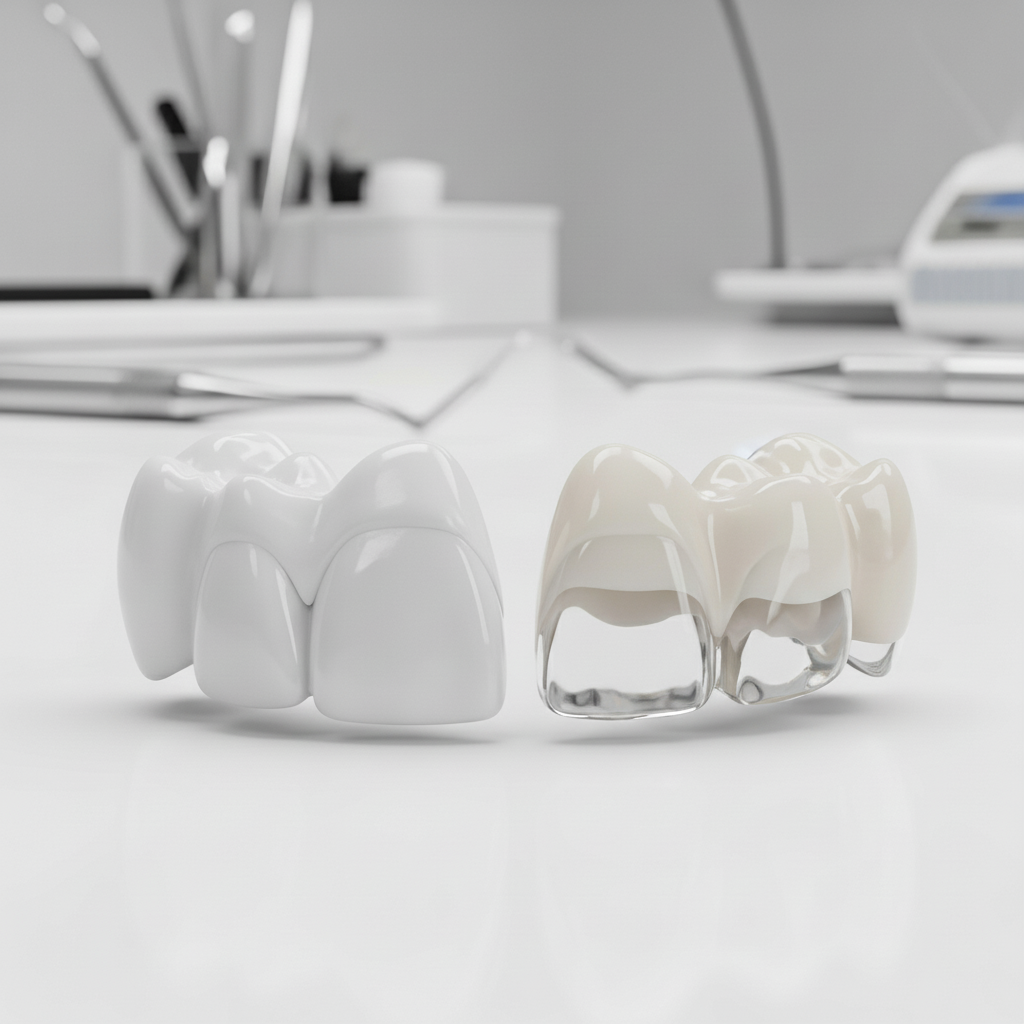
The most important step in this process is a thorough consultation with an experienced cosmetic dentist. A skilled professional will assess your bite, the condition of the tooth, your gum health, and discuss your personal preferences. They will then recommend the material that offers the optimal balance of strength, beauty, and longevity for your individual case, ensuring a result that is both functional and beautiful for years to come.