How to Maintain Dental Implants Long Term
How to Maintain Dental Implants Long Term
Investing in dental implants is a significant step towards restoring your smile, improving oral function, and enhancing overall quality of life. Unlike traditional dentures or bridges, dental implants are designed to be a permanent solution, mimicking the look, feel, and function of natural teeth. However, their longevity isn’t solely dependent on the surgical procedure itself; meticulous post-operative care and diligent long-term maintenance are equally crucial. Just as you would care for your natural teeth, a dedicated routine is essential to ensure your dental implants remain healthy, functional, and aesthetically pleasing for decades. Understanding the intricacies of implant maintenance is key to preventing complications and preserving your investment.
Understanding Dental Implants: A Foundation for Longevity
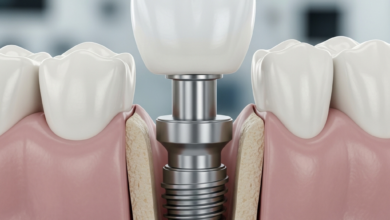
Dental implants consist of three primary components: the implant post (a small titanium screw surgically placed into the jawbone), the abutment (a connector piece), and the dental crown (the visible tooth replacement). The titanium post fuses with the jawbone in a process called osseointegration, providing a strong and stable foundation. This integration is what makes implants so durable. However, while the implant itself cannot decay like a natural tooth, the surrounding gum tissue and bone are still susceptible to disease, particularly peri-implantitis, an inflammatory condition similar to periodontal disease that can lead to bone loss and eventual implant failure if left untreated. Therefore, the goal of maintenance is to safeguard these supporting structures.
The Crucial Role of Oral Hygiene
Maintaining impeccable oral hygiene is the cornerstone of dental implant care. This goes beyond mere brushing; it involves a comprehensive approach to keep all surfaces of the implant, crown, and surrounding tissues clean and free from plaque and bacteria.
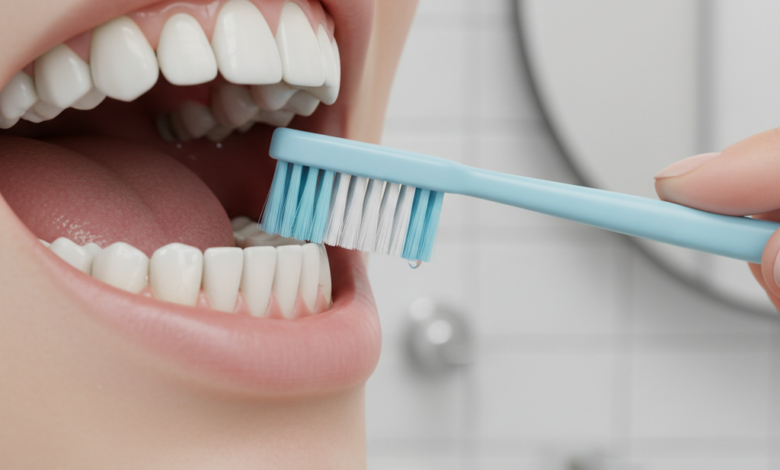
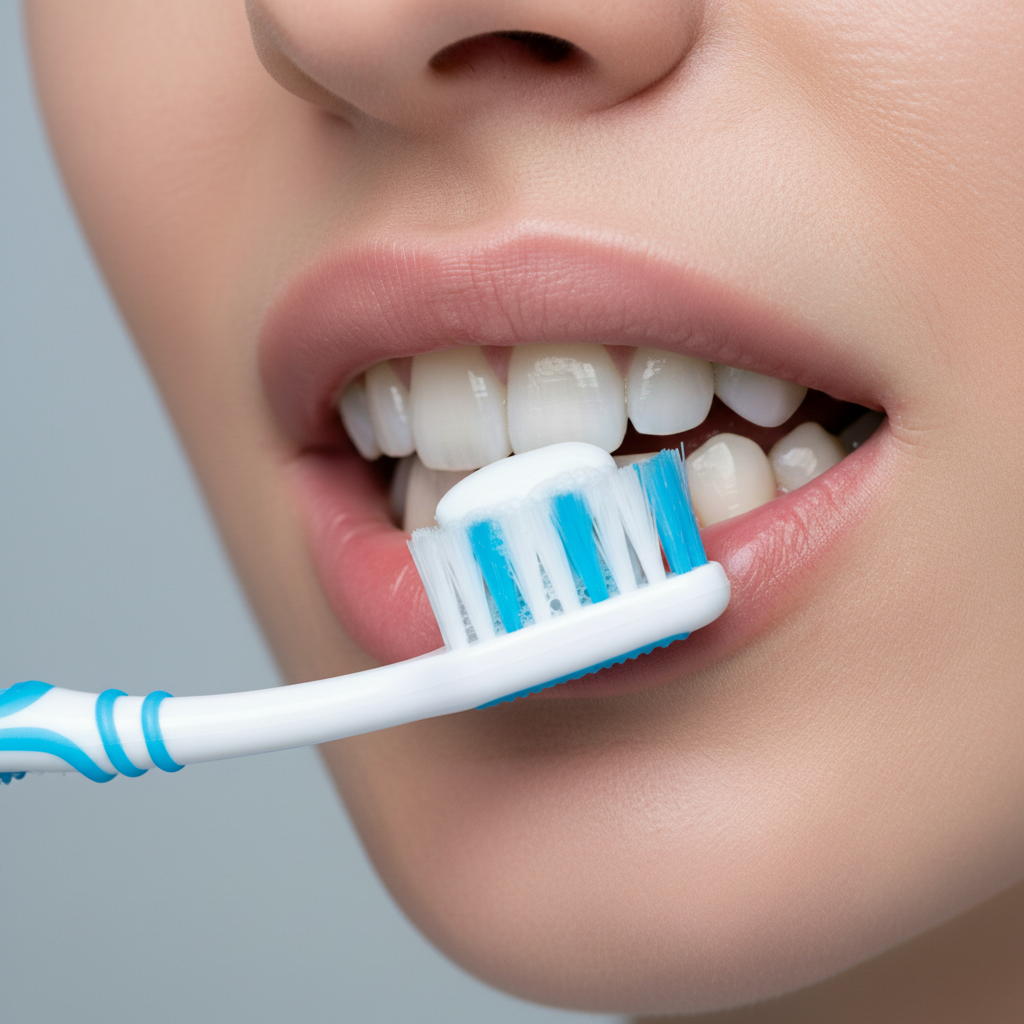
- Brushing Techniques: You should brush your implant crowns with the same diligence as your natural teeth, at least twice a day for two minutes each time. Use a soft-bristled toothbrush or an electric toothbrush with a soft head. Pay special attention to the gum line around the implant crown, gently angling the brush to clean where the crown meets the gum. Avoid abrasive toothpastes that could scratch the crown’s surface.
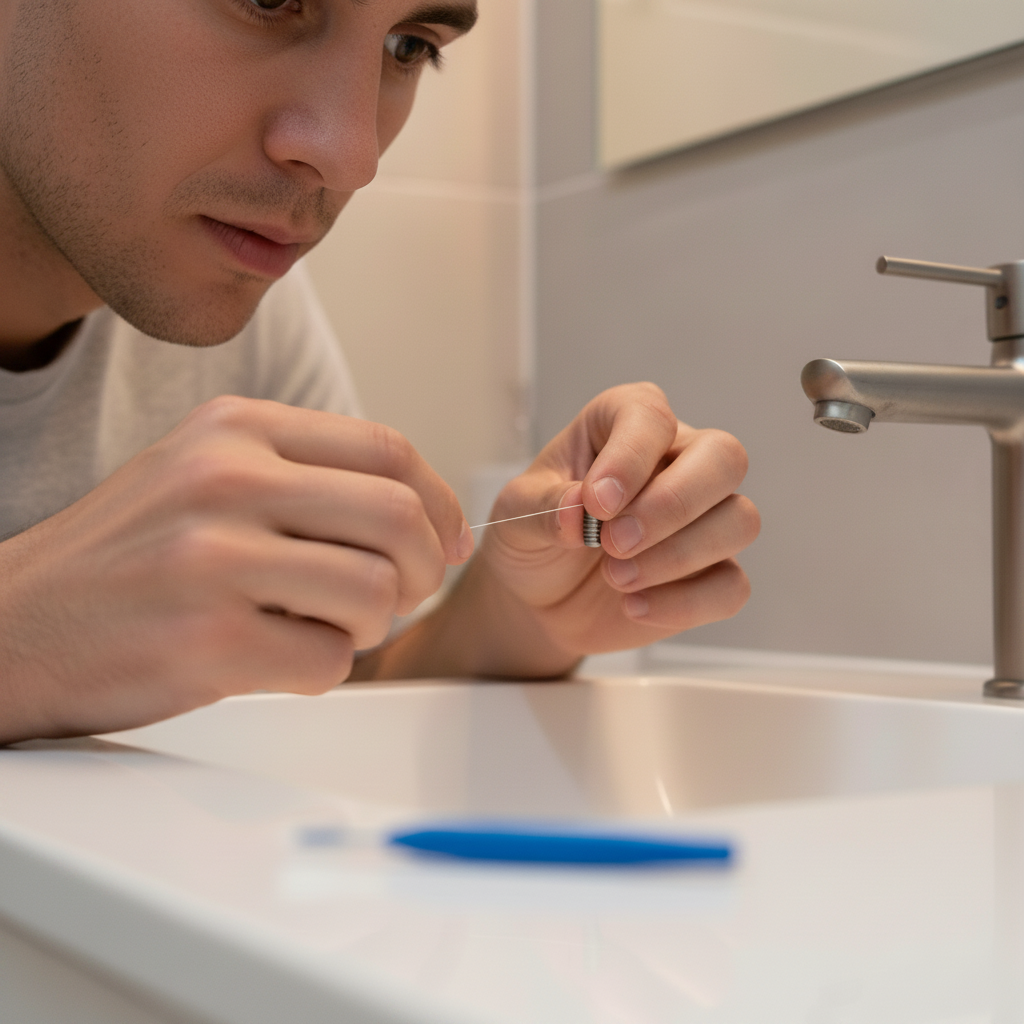
- Flossing and Interdental Cleaning: Traditional flossing is often necessary, but specialized tools can be even more effective for implants. Use unwaxed floss, implant-specific floss, or super floss. Gently thread the floss around the base of the implant and move it up and down the sides of the crown. Interdental brushes, particularly those designed for implants, can reach tight spaces between implants and natural teeth where plaque tends to accumulate. Water flossers (oral irrigators) are also highly recommended. They can effectively remove food particles and plaque from around the implant and gum line, reaching areas that traditional brushing and flossing might miss, and delivering a gentle massage to the gums.
- Antiseptic Mouthwashes: Your dentist may recommend a non-alcoholic, antimicrobial mouthwash to further reduce bacterial load and promote gum health around your implants. Always follow your dentist’s specific recommendations for mouthwash usage.
Regular Professional Check-ups and Cleanings
Even with a rigorous home care routine, professional oversight is indispensable. Regular dental appointments allow your dentist and hygienist to assess the health of your implants and perform specialized cleanings that go beyond what you can achieve at home.
- Why Dental Professionals Are Key: Dentists and hygienists trained in implant care use specific instruments that won’t damage the implant surface or surrounding tissues. They can detect early signs of inflammation or bone loss, often before you experience any symptoms. They also monitor the bite force on your implants, ensuring even distribution to prevent undue stress.
- Specialized Tools and Techniques: During a professional cleaning, your hygienist will use plastic or graphite scalers instead of metal ones to clean around the implant, preventing scratches that could harbor bacteria. They may also use an air-polishing device with glycine powder, which is gentle yet effective at removing biofilm and stains from implant surfaces. X-rays will be taken periodically to monitor the bone level around your implants, an essential indicator of their long-term stability. The frequency of these appointments typically ranges from every six months to annually, depending on your individual needs and oral health status.
Dietary Considerations for Implant Health
While dental implants are incredibly strong and allow you to eat virtually anything, making wise dietary choices can contribute to their longevity and the health of your surrounding oral tissues.
- Foods to Favor: A balanced diet rich in vitamins and minerals supports overall oral health and bone density. Calcium and Vitamin D are particularly important for bone health. Lean proteins, fruits, vegetables, and whole grains provide essential nutrients.
- Foods to Avoid (or Limit): While implants can handle hard foods, excessive consumption of extremely hard or sticky foods (like hard candies, ice, or chewy caramels) can put undue stress on the crown and abutment, potentially leading to chipping or loosening over time. Similarly, acidic foods and beverages can erode natural tooth enamel, and while they won’t damage the implant itself, they can affect surrounding natural teeth and contribute to a less healthy oral environment.
Lifestyle Factors Affecting Implant Longevity
Beyond direct oral care, certain lifestyle habits can significantly impact the success and lifespan of your dental implants.
- Smoking and Tobacco Use: Smoking is one of the most significant risk factors for implant failure. It constricts blood vessels, reducing blood flow to the gums and bone, which impairs healing and increases the risk of peri-implantitis. Smokers also have a higher incidence of general gum disease. Quitting tobacco products is one of the best things you can do for your overall health and the longevity of your implants. For more information on the risks, you might find valuable insights in discussions about smoking after dental implants.
- Bruxism (Teeth Grinding): Chronic teeth grinding or clenching (bruxism) can exert excessive force on dental implants, leading to wear and tear on the crown, loosening of the abutment screw, or even damage to the bone supporting the implant. If you suffer from bruxism, your dentist may recommend a custom night guard to protect your implants and natural teeth from these forces.
- Trauma and Injury Prevention: While implants are strong, severe facial trauma can still damage them. If you participate in contact sports, wearing a custom-fitted mouthguard is highly recommended to protect your entire mouth, including your implants.
Maintain Dental Implants: Recognizing Potential Issues
Being proactive in recognizing early warning signs of complications is critical for timely intervention and successful outcomes. While implants are durable, problems can arise.
- Pain or Discomfort: While some mild discomfort is normal immediately after the surgical procedure, persistent or increasing pain, throbbing, or discomfort around the implant site long after healing should be evaluated by your dentist.
- Bleeding or Swelling: Red, swollen, or bleeding gums around an implant are signs of inflammation, which could indicate peri-implant mucositis or peri-implantitis.
- Looseness of the Implant or Crown: If you notice that your implant crown feels loose or wobbly, or if the entire implant feels unstable, it’s a serious concern that requires immediate professional attention. This could indicate a problem with the abutment screw, the crown itself, or, in severe cases, the implant post’s integration with the bone.
- Receding Gums Around the Implant: If the gum tissue around your implant appears to be receding, exposing more of the implant or abutment, this warrants examination.
Early detection of any of these signs is crucial. Do not delay in contacting your dental professional if you observe any changes or experience unusual symptoms.
Advanced Maintenance Techniques and Products
Beyond the basics, there are several advanced tools and techniques that can further enhance your implant maintenance routine:
- Water Flossers: As mentioned, these are excellent for cleaning around implants, flushing out debris, and stimulating gum tissue. They can be particularly helpful for individuals with dexterity issues or complex implant restorations.
- Specialized Brushes: In addition to interdental brushes, some specific brushes, like sulcus brushes or end-tuft brushes, are designed to clean hard-to-reach areas, especially around the base of the implant where the gum meets the crown.
- Perio-Care Products: Your dentist may recommend specific rinses or gels containing therapeutic agents to target bacteria or reduce inflammation if you show signs of peri-implant disease.
The Long-Term Benefits of Diligent Maintenance
Consistent and thorough dental implant maintenance offers numerous benefits that extend far beyond simply keeping your implants clean. It ensures the longevity of your investment, preventing costly repairs or replacements in the future. Proper care also safeguards your overall oral health by reducing the risk of gum disease and protecting your remaining natural teeth. Furthermore, well-maintained implants contribute to stable chewing function, clear speech, and a confident, aesthetic smile. They allow you to enjoy a full range of foods, promoting better nutrition and overall well-being. Ultimately, by committing to a proactive maintenance routine, you are committing to a future of optimal oral health and sustained quality of life with your dental implants. For more comprehensive resources on this topic, consider exploring authoritative sources like Wikipedia’s detailed entry on dental implants.