Dental Crowns Types and Prices
Dental Crowns Types and Prices are a critical consideration for anyone needing to restore a damaged tooth. A dental crown, often referred to as a “cap,” is a custom-made prosthetic that completely covers a tooth to restore its original shape, size, strength, and appearance. When a tooth is compromised by extensive decay, a fracture, or after a root canal procedure, a simple filling is often insufficient to ensure its long-term health and function. In these cases, a crown provides a durable and aesthetically pleasing solution, encasing the entire visible portion of the tooth above the gum line. The choice of which crown to use involves balancing factors like the tooth’s location in the mouth, the forces it will endure during chewing, the patient’s aesthetic goals, and, of course, the overall budget for the treatment.
The technology behind dental restorations has advanced significantly, offering patients a wide array of materials to choose from. Each material comes with its own unique set of properties, benefits, and drawbacks. From the traditional strength of gold alloys to the superb life-like appearance of modern ceramics, understanding these options is the first step toward making an informed decision with your dental professional. This comprehensive guide will delve into the various types of dental crowns available, their specific applications, and the factors that influence their final price.

Understanding the Need for a Dental Crown
Before exploring the different materials, it is essential to understand the specific clinical situations that call for a dental crown. A dentist’s recommendation for a crown is not arbitrary; it is based on a thorough assessment of the tooth’s structural integrity. The primary goal is always to save the natural tooth and prevent the need for an extraction, which can lead to more complex and costly treatments down the line.
When is a Dental Crown Necessary?
A dental crown serves both restorative and cosmetic functions and is typically recommended in several common scenarios. The most frequent reason is to protect a weak tooth, often one that has been compromised by significant decay, from fracturing. A tooth that has undergone a root canal treatment is also a prime candidate for a crown, as the procedure can leave the tooth brittle and prone to breaking. Other key indications include:
- Restoring a broken tooth: For teeth that are severely worn down or have been fractured, a crown can rebuild their structure and function.
- Supporting a large filling: When a cavity is so large that there isn’t enough remaining tooth structure to support a filling, a crown is used to hold the tooth together.
- Holding a dental bridge: Crowns are placed on the teeth on either side of a gap (abutment teeth) to anchor a dental bridge securely.
- Cosmetic modification: To cover teeth that are severely discolored, misshapen, or poorly aligned, providing a dramatic aesthetic improvement.
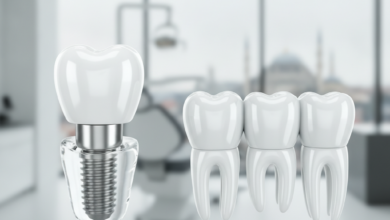
- Covering a dental implant: A crown is the final component of a dental implant, serving as the replacement tooth that is visible in the mouth.
The Dental Crown Procedure: A Step-by-Step Overview
The process of getting a dental crown typically requires two visits to the dentist. The first visit is for examination and preparation of the tooth. Your dentist will take X-rays to check the roots of the tooth and the surrounding bone. If there is extensive decay or a risk of infection, a root canal treatment may be performed first. The tooth is then prepared by reshaping it to make room for the crown. After reshaping, an impression of the tooth is taken using a digital scanner or putty-like material. This impression is sent to a dental laboratory where the permanent crown is fabricated. A temporary crown is placed over the prepared tooth to protect it while the permanent one is being made. On the second visit, the temporary crown is removed, and the permanent crown is checked for fit and color. If everything is satisfactory, the new crown is permanently cemented into place.
A Comprehensive Guide to Dental Crowns Types and Prices
The material used to create a crown is the single most significant factor affecting its durability, appearance, and cost. Each material is suited for different needs, and the choice is a collaborative decision between you and your dentist.
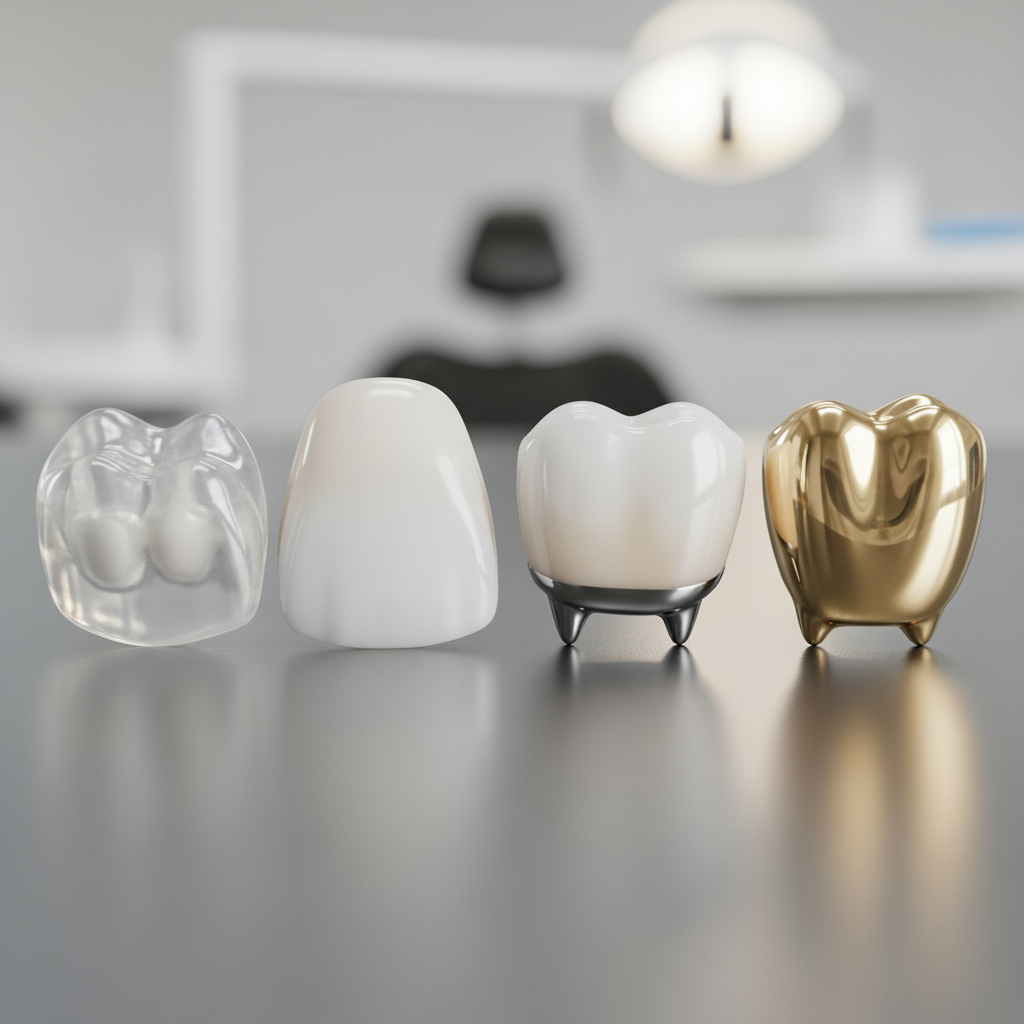
All-Ceramic and All-Porcelain Crowns
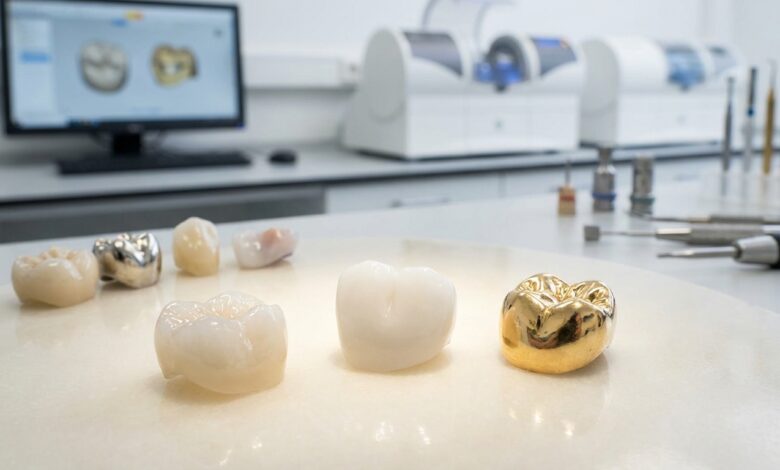
All-ceramic and all-porcelain crowns provide the most natural and life-like appearance. Because they contain no metal, they are an excellent choice for patients with metal allergies. They are particularly well-suited for front teeth due to their superior aesthetics and ability to mimic the translucency of natural tooth enamel. A popular type of all-ceramic crown is the E-Max crown, made from lithium disilicate ceramic. This material is known for its combination of strength and visual appeal, making it a premium choice for highly visible teeth. While aesthetically superior, they may not be as strong as metal-based options and could be more prone to fracture under heavy biting forces, making them less ideal for molars in some cases.
Zirconia Crowns
Zirconia crowns are made from zirconium dioxide, a very strong type of ceramic that is highly resistant to wear and tear. This material combines the strength of metal with the aesthetic appeal of porcelain. Zirconia is exceptionally durable and biocompatible, meaning it is unlikely to cause any adverse reactions in the body. Solid or monolithic zirconia is incredibly strong and an excellent choice for molars, where biting forces are greatest. For front teeth, a layered zirconia crown, which has a zirconia core overlaid with more translucent porcelain, can offer both strength and excellent aesthetics. Their primary drawback was once a more opaque appearance, but modern formulations have greatly improved their translucency.
Porcelain-Fused-to-Metal (PFM) Crowns
Porcelain-fused-to-metal crowns have been a dental standard for many years. They consist of a metal substructure with a layer of porcelain fused to the exterior. This combination provides good strength from the metal core and a decent aesthetic result from the porcelain surface. PFM crowns are stronger than all-porcelain crowns and are a reliable option for both front and back teeth. However, they have a few disadvantages. The metal base can sometimes be visible as a dark line at the gum line, which can become more prominent if the gums recede. Additionally, the porcelain layer can chip or break off, exposing the metal underneath.
Metal and Gold Alloy Crowns
Crowns made from metal alloys, including gold, platinum, palladium, or base-metal alloys like nickel or chromium, offer the highest durability. They are extremely resistant to chipping, breaking, and wear. One of their biggest advantages is that they require the least amount of natural tooth structure to be removed before placement. Their primary disadvantage is their metallic color, which makes them unsuitable for visible teeth. For this reason, they are almost exclusively used for out-of-sight molars. They are also very kind to opposing teeth, causing less wear than porcelain or zirconia crowns.
Comparing Dental Crown Materials and Costs
To simplify the decision-making process, the following table provides a direct comparison of the most common dental crown types based on key attributes. Prices are general estimates and can vary significantly based on geographic location, clinic, and the complexity of the case.
| Feature | All-Ceramic/E-Max | Zirconia | Porcelain-Fused-to-Metal (PFM) | Gold Alloy |
|---|---|---|---|---|
| Aesthetics | Excellent (Most natural look) | Very Good (Can be highly aesthetic) | Good (Metal-free look) | Poor (Metallic color) |
| Durability/Strength | Good to Very Good | Excellent (Very resistant to fracture) | Very Good (Strong metal core) | Excellent (Highest durability) |
| Best For | Front teeth, cosmetic cases | Front and back teeth, bridges | Front and back teeth, bridges | Back molars (out of sight) |
| Biocompatibility | Excellent | Excellent | Good (Potential for metal allergy) | Excellent |
| Average Price Range (USD per tooth) | $1,000 – $3,000 | $1,000 – $2,500 | $800 – $2,200 | $900 – $2,500 (Varies with metal prices) |
Factors Influencing the Final Cost of a Dental Crown
The price ranges listed in the table are a starting point. Several other factors contribute to the total investment in a dental crown. The dentist’s level of experience and the geographic location of the practice play a significant role, with specialists in major urban centers typically charging higher fees. Furthermore, the final cost will include any necessary preliminary procedures, such as a root canal, core build-up to support the crown, or treatment for gum disease. The technology used, such as in–office CAD/CAM systems that create same-day crowns, can also influence the price. It is also important to consider that while crowns are primarily restorative, their aesthetic benefits are significant. Understanding the differences between restorative and cosmetic options, such as comparing Porcelain Veneers vs Composite Veneers, can provide a broader perspective on smile enhancement treatments.
Longevity and Aftercare for Your Dental Crown
A dental crown is a long-term investment in your oral health. With proper care, a crown can last anywhere from 5 to 15 years, and often much longer. A key factor in its longevity is maintaining excellent oral hygiene. It is crucial to brush twice a day and floss daily, paying special attention to the area where the gum meets the crown to prevent plaque buildup and decay on the underlying tooth. The concept of a Crown (dentistry) is to protect the underlying tooth, but that tooth is still susceptible to cavities at the crown’s margin.
Avoiding certain habits can also extend the life of your crown. Refrain from chewing on hard objects like ice, hard candy, or pens, as this can cause the porcelain on a PFM or all-ceramic crown to fracture. If you suffer from bruxism (clenching or grinding your teeth), your dentist will likely recommend a custom-fitted nightguard to protect your crown and natural teeth from excessive force. Finally, regular dental check-ups and professional cleanings are non-negotiable. These visits allow your dentist to examine the crown’s integrity, check for any issues with the underlying tooth, and ensure your overall oral health remains in optimal condition.