Smoking After Dental Implants Risks
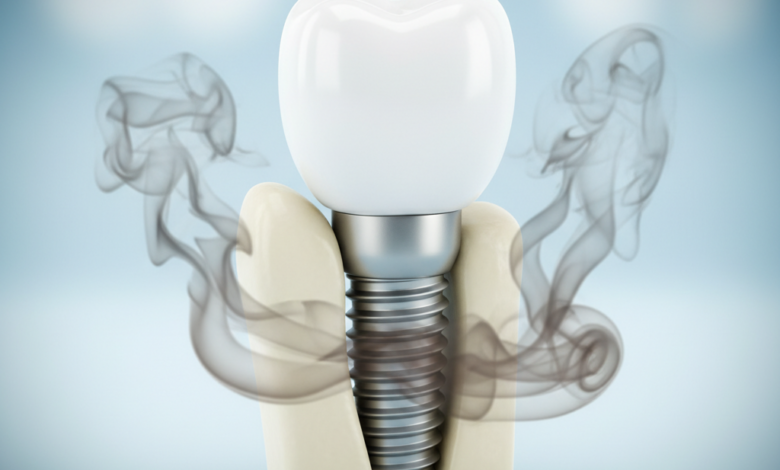
Smoking After Dental Implants Risks are significant and can severely compromise the success and longevity of your dental investment. Dental implants represent a state-of-the-art solution for missing teeth, offering unparalleled stability, aesthetics, and functionality. However, the successful integration of these titanium posts into the jawbone, a process known as osseointegration, is highly sensitive to various factors, with smoking being one of the most detrimental. Understanding these risks is paramount for anyone considering or undergoing dental implant surgery.
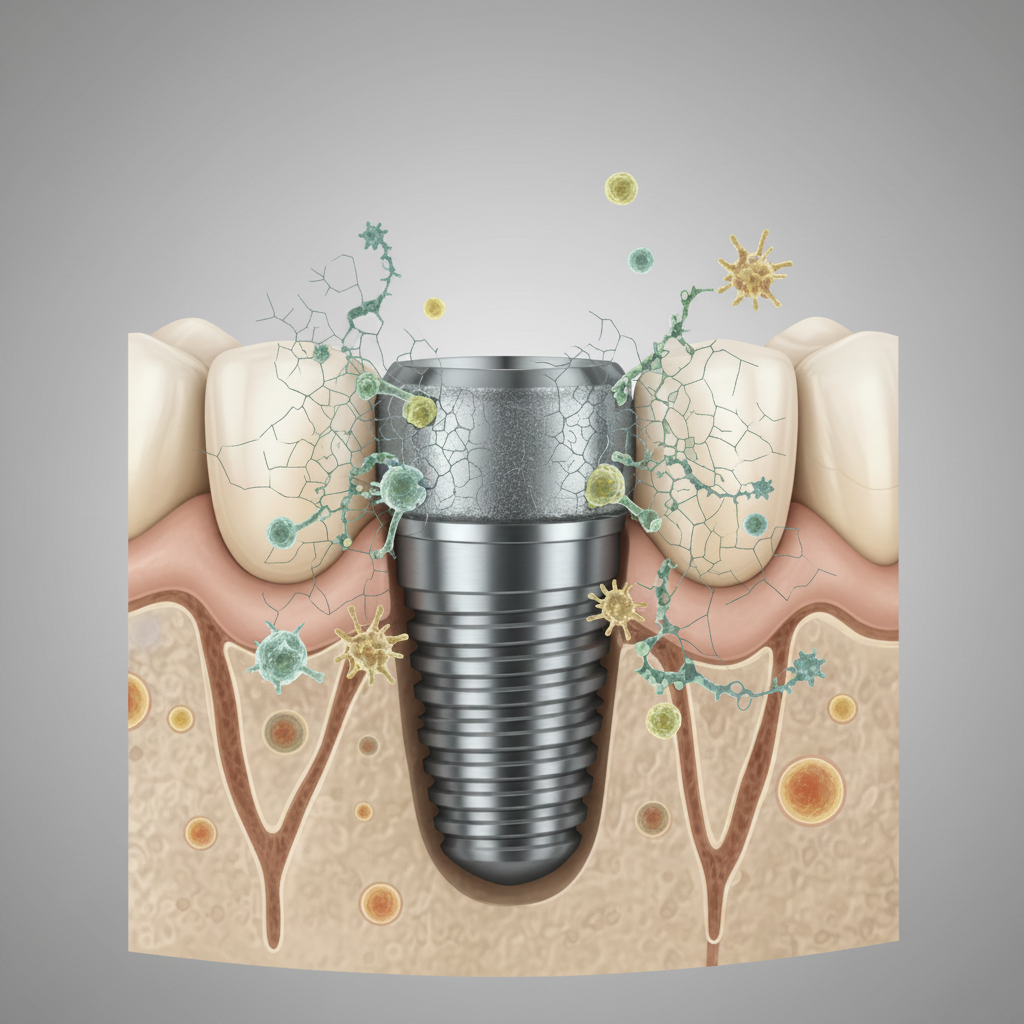
Understanding Dental Implants and the Healing Process
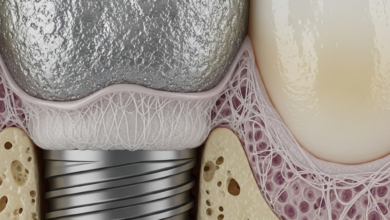
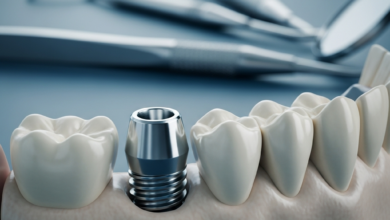
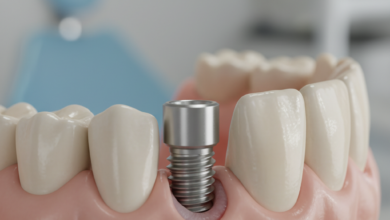
Dental implants are small, screw-shaped posts, typically made of titanium, that are surgically placed into the jawbone beneath the gum line. Over several months, the bone grows around and fuses with the implant in a process called osseointegration. This creates a strong, stable foundation for an artificial tooth (crown), bridge, or denture. The initial healing phase, immediately following surgery, is critical. During this time, the surgical site is vulnerable, and the bone-to-implant integration begins. Any interference with this delicate biological process can lead to complications, discomfort, and ultimately, implant failure. Proper post-operative care is not just recommended; it is essential for the success of the procedure.
The Science Behind Smoking’s Detrimental Effects on Healing
The negative impact of smoking on surgical outcomes, particularly in oral surgery, is well-documented. Cigarettes contain thousands of chemicals, including nicotine, carbon monoxide, and various carcinogens, all of which contribute to a hostile healing environment.
Reduced Blood Flow and Oxygen Delivery
Nicotine is a powerful vasoconstrictor, meaning it narrows blood vessels. This dramatically reduces blood flow to the surgical site. Blood is crucial for delivering oxygen, nutrients, and immune cells necessary for healing. With restricted blood flow, the tissues around the implant receive less of what they need to repair and regenerate, significantly delaying the healing process and making the area more susceptible to complications. Carbon monoxide, also present in cigarette smoke, further exacerbates this issue by reducing the oxygen-carrying capacity of red blood cells, essentially starving the healing tissues of vital oxygen.
Impaired Immune Response and Increased Infection Risk
Smoking compromises the body’s immune system, making it less effective at fighting off bacteria and infections. The chemicals in cigarette smoke can suppress the activity of immune cells, such as neutrophils and macrophages, which are crucial for wound cleansing and infection control. A weakened immune response means that the surgical site is at a much higher risk of developing an infection, which can lead to inflammation, pain, and eventually, implant failure. This is especially critical in the initial post-operative period when the wound is open and vulnerable.
Delayed Osseointegration and Bone Regeneration
The process of osseointegration requires healthy bone cells to grow and bond with the implant surface. Smoking interferes with bone metabolism and the activity of osteoblasts (bone-forming cells). It can inhibit the formation of new bone and even promote bone resorption, where existing bone breaks down. This directly jeopardizes the crucial bone-to-implant fusion, increasing the likelihood that the implant will not integrate properly and will loosen over time. Studies have consistently shown a significantly lower success rate for dental implants in smokers compared to non-smokers due to this impaired osseointegration.
Heat and Chemical Irritation
The heat generated from smoking a cigarette can directly irritate the delicate tissues in the mouth, especially around a fresh surgical wound. This thermal trauma can further delay healing and increase discomfort. Moreover, the various chemicals in tobacco smoke are direct irritants to oral tissues, contributing to inflammation and breakdown of the protective blood clot that forms after surgery.
Specific Risks of Smoking After Dental Implants
The overarching consequence of these physiological effects is a heightened risk of several severe complications for dental implant patients who smoke.
Implant Failure
This is the most critical risk. Implant failure can occur when the implant does not properly integrate with the bone (osseointegration failure) or if it fails later due to peri-implantitis. Smokers face a significantly higher risk of early implant failure (within the first year after placement) and late implant failure. Research indicates that the risk of implant failure can be two to three times higher in smokers compared to non-smokers.
Peri-Implantitis
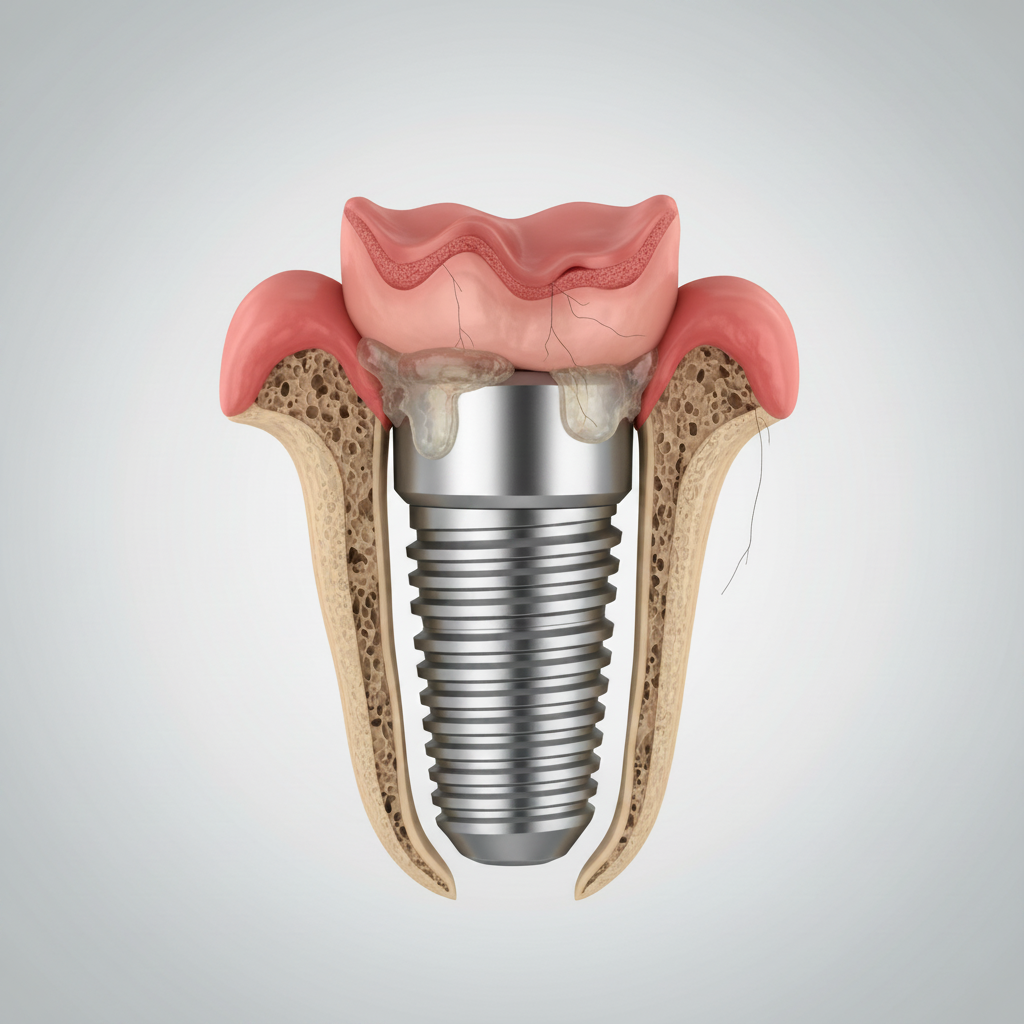
Peri-implantitis is a chronic inflammatory disease affecting the soft and hard tissues surrounding dental implants. It is similar to periodontitis (gum disease) around natural teeth. Smoking is a major risk factor for developing peri-implantitis. It exacerbates inflammation, promotes bacterial accumulation, and hinders the body’s ability to fight the infection, leading to progressive bone loss around the implant and potentially its eventual loss. Recognizing post-implant infection signs and prevention is vital, and smoking dramatically increases this risk.
Delayed Wound Healing
The time it takes for the gums and bone to heal after surgery is considerably longer for smokers. This extended healing period increases the window of vulnerability to infection and other complications, making the recovery process more arduous and unpredictable.
Increased Pain and Swelling
Due to impaired circulation and increased inflammation, smokers may experience more pronounced and prolonged pain and swelling following dental implant surgery. This can make the post-operative period far more uncomfortable than it needs to be.
Aesthetic Compromise
While not directly related to implant failure, smoking can lead to staining of the crowns placed on implants, as well as the surrounding natural teeth. It can also contribute to gum recession around implants, potentially exposing the implant collar and affecting the natural appearance of your smile.
Bone Loss
Beyond the initial osseointegration phase, smoking continues to negatively impact bone health. Chronic smoking is associated with general bone loss throughout the body, including the jawbone. This ongoing bone loss can compromise the long-term stability of integrated implants, increasing the risk of late-stage failure.
How Long Should You Avoid Smoking After Dental Implants?
The general recommendation from dental professionals is to avoid smoking for as long as possible, ideally permanently, for the optimal success of your dental implants and overall oral health.
Immediate Post-Operative Period (24-72 hours)
This is the most critical window. Smoking during this time can dislodge the blood clot, leading to a painful condition known as “dry socket,” and significantly increase the risk of infection and bleeding. Absolute avoidance is non-negotiable.
Extended Healing Phase (Weeks to Months)
The osseointegration process can take anywhere from three to six months, sometimes longer. During this entire period, it is strongly advised to refrain from smoking. The continuous introduction of harmful chemicals and the vasoconstrictive effects of nicotine will hinder bone fusion and soft tissue healing. Many dentists recommend avoiding smoking for at least one to two weeks before surgery and for a minimum of two to three months after surgery to give the implant the best chance of successful integration.
Long-Term Advice: Quitting for Good
For the absolute best outcome and to protect your investment, quitting smoking permanently is the most impactful decision you can make. Even after osseointegration is complete, smoking continues to be a major risk factor for peri-implantitis and long-term implant failure. The ongoing systemic effects of smoking on circulation, immune function, and bone health will always pose a threat to both your natural teeth and your dental implants.
Tips for a Successful Recovery and Quitting Smoking
Making the decision to get dental implants is an investment in your health and quality of life. Protecting that investment requires commitment, especially when it comes to habits like smoking.
- Consultation with Your Dentist: Before your surgery, discuss your smoking habits openly with your dentist. They can provide personalized advice, assess your specific risks, and help you develop a plan to minimize complications.
- Nicotine Replacement Therapy (NRT): If you struggle to quit cold turkey, discuss options like nicotine patches, gum, or lozenges with your doctor. These can help manage cravings without exposing the surgical site to harmful smoke, but their use should be carefully managed as nicotine itself is a vasoconstrictor.
- Build a Strong Support System: Lean on friends, family, or support groups for encouragement during your quitting journey.
- Focus on Excellent Oral Hygiene: Meticulous oral hygiene is always crucial, but especially after implant surgery. Follow your dentist’s instructions for brushing, flossing, and using any prescribed mouth rinses to keep the surgical site clean and prevent bacterial buildup.
- Maintain a Healthy Lifestyle: A balanced diet, adequate sleep, and avoiding excessive alcohol consumption can support your body’s overall healing capacity.
What If You’ve Already Smoked After Surgery?
If you have smoked after your dental implant surgery, it is crucial to contact your dentist immediately. Do not wait for symptoms to appear. Your dentist needs to be aware of the situation to monitor the implant site closely for any signs of complications, such as infection, excessive swelling, or delayed healing. Early intervention can sometimes mitigate potential issues.
The Long-Term Impact of Smoking on General Oral Health
Beyond dental implants, smoking is a leading cause of numerous other oral health problems. These include gum disease (periodontitis), tooth decay, bad breath, oral cancer, and delayed healing of any oral wounds. Even after successful implant placement, continued smoking increases the risk of gum disease affecting your remaining natural teeth, which can indirectly impact the health of your implants. Maintaining a smoke-free lifestyle is the single most effective way to protect your entire oral health.
The decision to undergo dental implant surgery is a significant step towards restoring your smile and oral health. To ensure the best possible outcome and to protect this valuable investment, avoiding smoking before and after the procedure is absolutely essential. The scientific evidence is clear: smoking after dental implants dramatically increases the risk of complications, including implant failure and peri-implantitis. Prioritizing a smoke-free recovery will significantly improve your chances of achieving a successful, long-lasting, and healthy smile.