Dental Checkup Schedule After Implants
Dental Checkup Schedule After Implants is a crucial topic for anyone who has undergone or is considering this life-changing dental procedure. Dental implants offer a durable and aesthetically pleasing solution for missing teeth, providing a foundation that mimics natural tooth roots. However, the long-term success and health of your dental implants depend significantly on diligent aftercare, a cornerstone of which is a consistent and tailored checkup schedule with your dental professional. Neglecting these vital appointments can lead to complications, compromise the implant’s longevity, and ultimately impact your oral health. This comprehensive guide delves into the recommended checkup schedules, the importance of each visit, and what factors might influence your personalized care plan, ensuring your investment in a healthier smile lasts a lifetime.
Understanding the Critical Role of Post-Implant Care
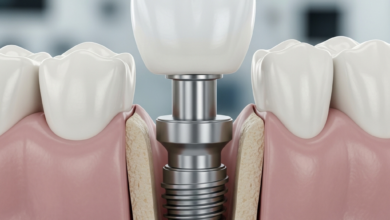
The journey to a fully restored smile with dental implants doesn’t end after the surgical placement. In fact, it’s just the beginning of a commitment to maintaining optimal oral health. Post-operative care and regular checkups are paramount for several reasons. Firstly, they allow your dentist to monitor the healing process, especially the critical stage of osseointegration, where the implant fuses with the jawbone. Secondly, these visits are essential for preventing and detecting potential complications such as peri-implantitis (an inflammatory condition affecting the tissues around a dental implant) or issues with the prosthetic components like crowns, bridges, or dentures attached to the implants. Lastly, professional cleanings ensure that plaque and calculus do not accumulate around the implants, which can be difficult to manage with regular home care alone, thus safeguarding against infection and bone loss.
The Immediate Post-Operative Period: First Weeks
Immediately after dental implant surgery, your dentist will typically schedule follow-up appointments within the first few days or weeks. These initial visits are primarily focused on monitoring the surgical site, checking for any signs of infection, managing pain or swelling, and ensuring that the healing caps or temporary restorations are secure and comfortable. The dentist will evaluate gum tissue health, remove any sutures if necessary, and provide detailed instructions on oral hygiene practices during this sensitive recovery phase. This period is crucial for setting the stage for successful long-term integration and preventing early complications.
The Initial Healing Phase: The First Six Months
The period following the immediate post-operative phase, typically spanning the first three to six months, is critical for osseointegration. This is the stage where the titanium implant gradually integrates with the surrounding bone, creating a stable anchor for future tooth restoration. During this time, your dentist will likely recommend specific visits to monitor this process. The **Dental Checkup Schedule After Implants** during this phase is meticulously planned to ensure that osseointegration is progressing as expected.
Monitoring Osseointegration
While osseointegration occurs internally, dentists use various methods to monitor its progress. These can include clinical examinations to assess the stability of the implant and, in some cases, radiographic imaging (X-rays). X-rays help visualize the bone density around the implant and confirm that the bone is growing and fusing properly with the implant surface. It’s also a time for your dentist to discuss any concerns you might have about comfort or functionality, ensuring your experience is as smooth as possible.
Importance of Early Detection
Early detection of any issues, such as slow integration or the beginning signs of peri-implantitis, is vital. Intervening early can often prevent more serious complications. Your dentist will look for subtle changes in the gum tissue around the implant, signs of inflammation, or discomfort, which could indicate a need for adjusted care or treatment. Regular follow-ups ensure that any deviations from normal healing are addressed promptly, protecting your long-term investment.
Establishing Your Routine: Annual and Bi-Annual Checkups
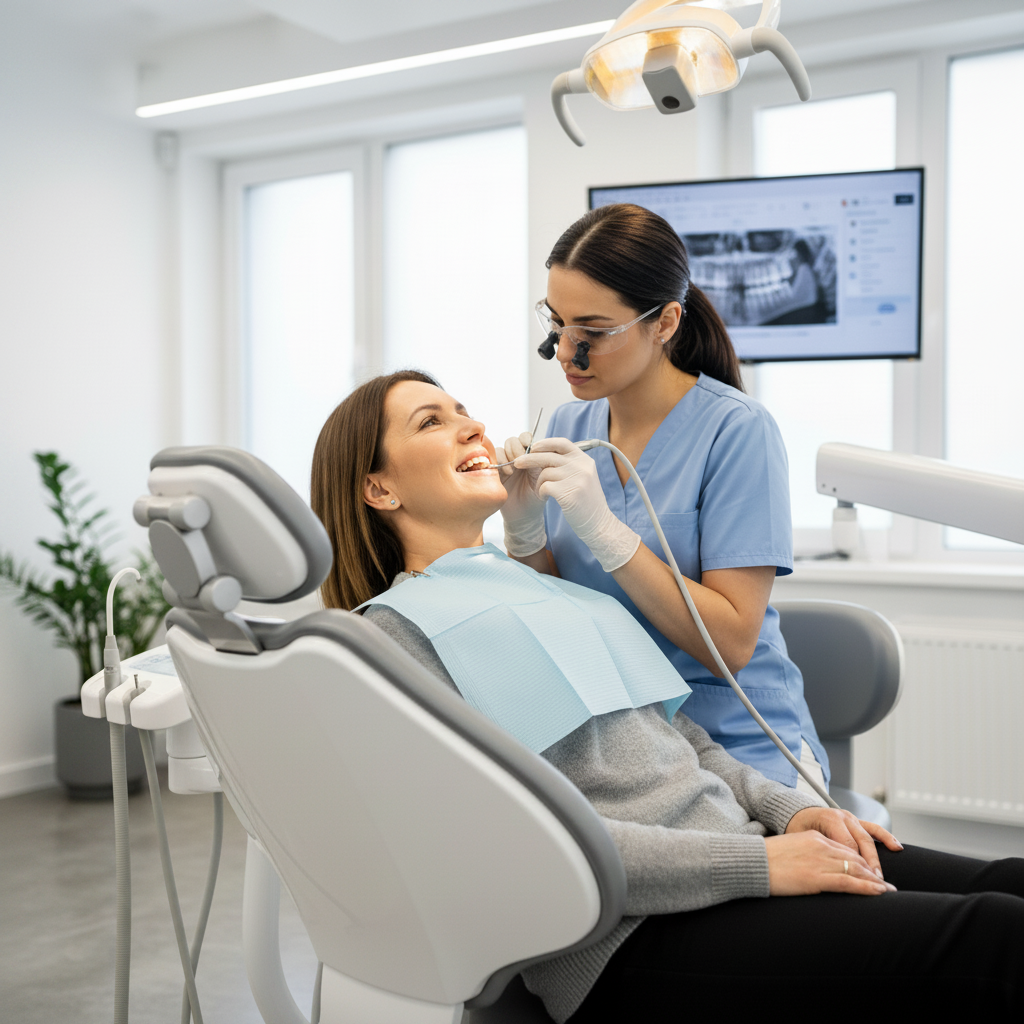
Once osseointegration is complete and your final restoration (crown, bridge, or denture) has been placed, the checkup schedule typically transitions to a routine maintenance phase. For most patients, this means annual or bi-annual visits, similar to regular dental checkups for natural teeth. However, the focus will specifically include the condition of your dental implants. This routine is essential for the sustained health and function of your implants, much like routine maintenance for any valuable asset.
What to Expect During a Routine Implant Checkup
A comprehensive dental implant checkup involves several key components, each designed to assess the health and integrity of your implants and surrounding oral structures:
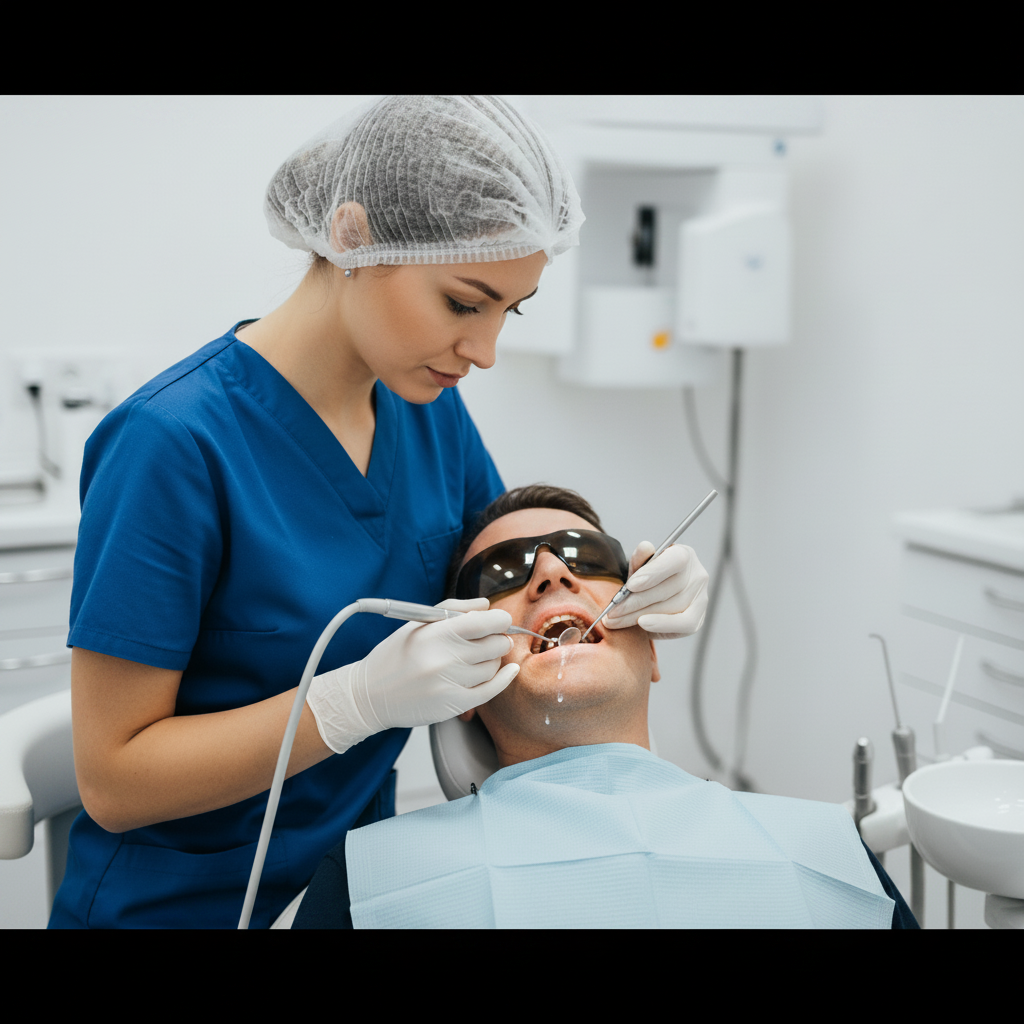
- Professional Cleaning and Oral Hygiene Assessment: Even with excellent home care, plaque and calculus can accumulate. Specialized instruments are used to clean around implants gently, preventing damage to the implant surface. Your dentist or hygienist will also review your home care routine and offer tips for improvement.
- Radiographic Evaluation (X-rays): Periodically, X-rays are taken to monitor the bone level around the implants. Significant bone loss can indicate issues like peri-implantitis, which needs immediate attention. These images provide invaluable insight into the long-term stability of your implants.
- Gum Health Assessment: The health of the soft tissues surrounding your implants is just as important as the bone. Your dentist will check for inflammation, bleeding, and pocket depths, which are indicators of potential gum disease or peri-implant issues.
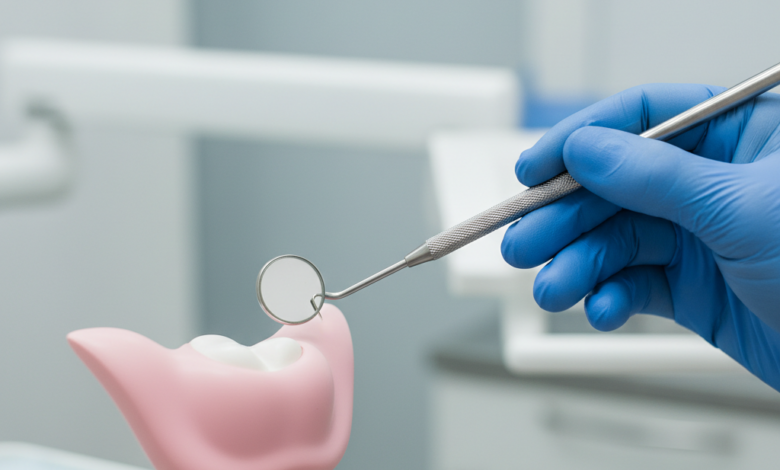
- Implant Stability and Prosthetic Integrity Check: The dentist will assess the stability of the implant itself and the integrity of the prosthetic component attached to it. They’ll check for any signs of loosening, wear, or damage to the crown, bridge, or denture, ensuring a proper bite and comfortable function. This might involve tightening screws or making minor adjustments.
Factors Influencing Your Personalized Checkup Schedule
While general guidelines exist, your specific dental checkup schedule after implants might be tailored based on several individual factors. Your dentist will consider these elements to create a maintenance plan that best suits your needs, ensuring optimal care and preventing potential complications.
Individual Patient Factors
Certain medical conditions, such as diabetes or autoimmune disorders, can affect healing and increase the risk of complications around implants. Similarly, a history of periodontal disease on natural teeth can predispose you to peri-implantitis. Patients with these conditions may require more frequent checkups to closely monitor their implant health.
Oral Hygiene Habits and Lifestyle Choices
Patients with exemplary oral hygiene practices at home might be able to maintain longer intervals between visits, assuming no other risk factors. Conversely, those who struggle with consistent brushing and flossing, or who have habits like smoking, might need more frequent professional cleanings and examinations. Smoking, in particular, is a significant risk factor for implant failure and complications. Understanding how to maintain dental implants long-term is crucial, and regular professional oversight complements diligent home care. For more detailed insights into maintaining your dental implants effectively, visit.
Number and Location of Implants
The complexity of your implant case, including the number of implants placed and their location in the mouth, can also influence your checkup frequency. Patients with full arch restorations or multiple implants might require more detailed assessments and maintenance than those with a single implant.
Maintaining Implant Health Between Visits: Your Home Care Regimen
While professional checkups are indispensable, the daily care you provide at home plays an equally critical role in the long-term success of your dental implants. Your home care routine should be meticulous and consistent, focusing on preventing plaque accumulation and inflammation.
Brushing and Flossing Techniques for Implants
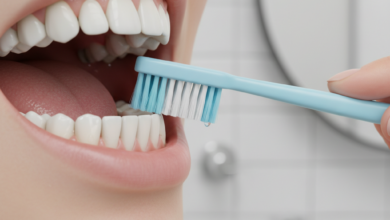
Brush your implants just as you would your natural teeth, using a soft-bristled toothbrush. Electric toothbrushes are also safe and highly effective. Pay special attention to the gum line around the implant. Flossing is also vital. Regular dental floss can be effective, but your dentist might recommend specialized implant-specific floss or super floss, which is thicker and designed to clean larger gaps.
Specialized Tools for Implant Care
Beyond traditional brushing and flossing, several specialized tools can enhance your implant care:
- Interdental Brushes: These small brushes are ideal for cleaning around and between implants, especially if there are larger spaces.
- Water Flossers (Oral Irrigators): Water flossers can effectively remove food particles and plaque from around implants and under bridges, reaching areas that traditional floss might miss.
- Antimicrobial Mouthwash: Your dentist might recommend an antimicrobial mouthwash to help control bacteria and reduce inflammation.
Regular use of these tools, combined with proper technique, significantly reduces the risk of peri-implant disease.
Recognizing Warning Signs and When to Contact Your Dentist
Even with the best care, it’s important to be aware of potential issues. Contact your dentist immediately if you experience any of the following:
- Persistent pain or discomfort around the implant.
- Swelling or redness of the gums around the implant.
- Bleeding when brushing or flossing around the implant.
- Pus coming from the gum tissue around the implant.
- A feeling that the implant or restoration is loose.
- Difficulty chewing or biting.
Early intervention for these symptoms can often prevent more serious complications and ensure the continued health of your dental implants. For further scientific information on dental implants and their care, you can consult authoritative sources such as Wikipedia’s entry on Dental Implants.
The Long-Term Commitment to Implant Longevity
Dental implants are designed to be a permanent solution for tooth loss, potentially lasting for decades with proper care. This longevity is not merely a matter of surgical skill but a direct reflection of a patient’s commitment to ongoing oral hygiene and adherence to the recommended dental checkup schedule. Each visit, from the initial healing phase to routine annual checks, plays a critical role in safeguarding your investment. By understanding the purpose of these appointments and actively participating in your implant care, you ensure that your dental implants continue to function optimally, contributing to your overall health and well-being for many years to come. Your dentist is your partner in this journey, providing the expertise and guidance needed to keep your implants healthy and your smile radiant.