Composite Bonding Turkey – Procedure Explained
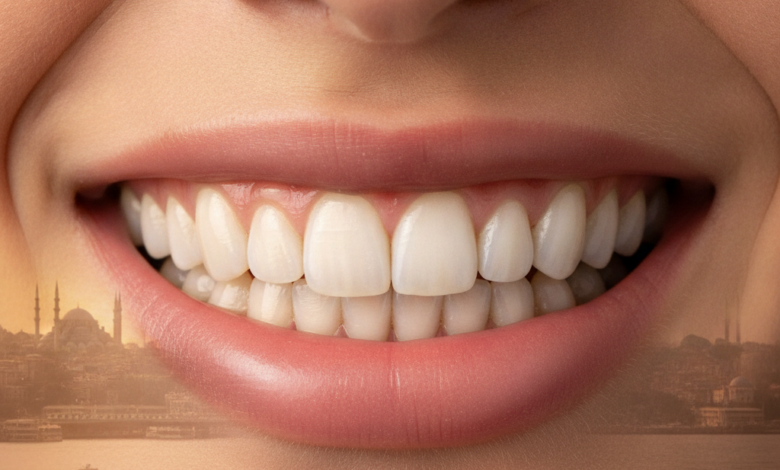
Composite bonding has emerged as a highly sought-after cosmetic dental solution, particularly for individuals seeking to enhance their smile with minimal invasiveness. In Turkey, this procedure combines affordability with high-quality dental care, making it an attractive option for international patients. This comprehensive guide will delve into what composite bonding entails, why Turkey has become a leading destination for such treatments, and a detailed explanation of the procedure itself, ensuring you have all the necessary information to make an informed decision.
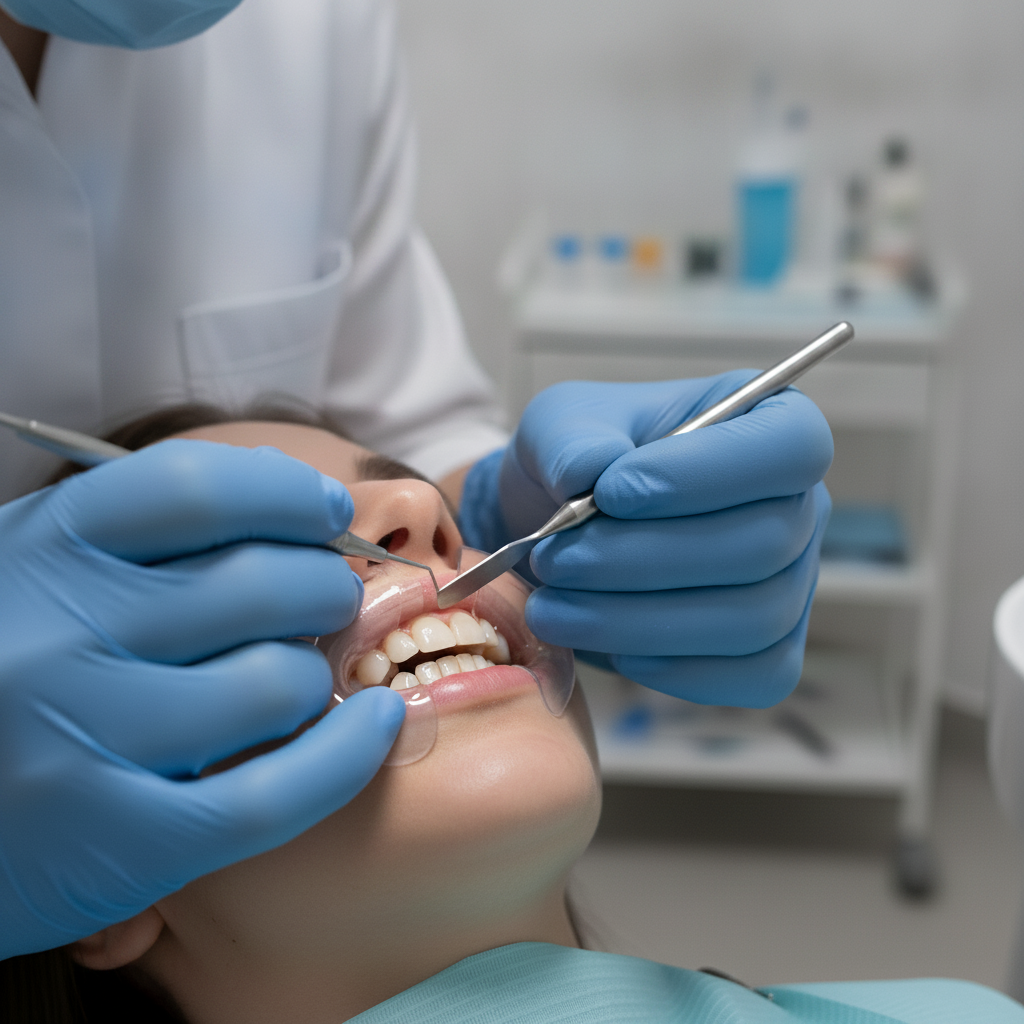
Composite Bonding Turkey – Procedure Explained
What is Composite Bonding?
Composite bonding, also known as dental bonding or cosmetic bonding, is a procedure where a tooth-coloured resin material is applied to the teeth, sculpted into shape, hardened with a special light, and then polished. This resin, a durable plastic material, bonds with the natural tooth structure, allowing dentists to repair chips, cracks, discolouration, and even alter the shape and size of teeth. It’s a versatile solution for minor cosmetic imperfections, often serving as a less invasive and more economical alternative to dental veneers or crowns. The primary goal is to improve the aesthetic appearance of your smile, creating a more uniform and visually appealing set of teeth.
Why Choose Turkey for Dental Treatments?
Turkey has rapidly gained recognition as a global hub for dental tourism, drawing patients from across Europe, North America, and beyond. Several factors contribute to its popularity, especially for procedures like composite bonding. Firstly, the cost of dental treatments in Turkey is significantly lower compared to countries like the UK, USA, or Canada, often without compromising on quality. This cost-effectiveness is due to lower operational costs, favourable exchange rates, and government support for medical tourism.
Secondly, Turkish dental clinics are equipped with state-of-the-art technology and adhere to international standards of hygiene and patient care. Many dentists in Turkey receive training from prestigious institutions worldwide and are members of international dental associations, ensuring a high level of expertise. Furthermore, the opportunity to combine dental treatment with a holiday experience in a culturally rich country adds to the appeal, offering patients a unique blend of medical care and tourism.
### The Composite Bonding Turkey Procedure Explained
The process of receiving composite bonding in Turkey is typically straightforward and can often be completed in a single visit, depending on the number of teeth being treated and the complexity of the case. Here’s a detailed breakdown of the steps involved:
1. Initial Consultation and Planning
Your journey begins with a thorough consultation with your dentist. During this appointment, the dentist will examine your teeth and oral health, discuss your aesthetic goals, and determine if composite bonding is the right solution for you. X-rays may be taken to assess the underlying tooth structure and bone health. The dentist will also discuss the shade of the composite resin to ensure it perfectly matches your natural teeth, or to achieve a desired brighter shade. This crucial step ensures a personalized treatment plan tailored to your specific needs.
2. Tooth Preparation
Unlike veneers or crowns, composite bonding requires minimal tooth preparation. In most cases, the dentist will gently etch the tooth surface with a mild acidic gel. This etching creates microscopic roughening on the enamel, which helps the bonding material adhere securely to the tooth. Local anaesthesia is usually not required unless the bonding is being used to fill a cavity or the tooth is sensitive. The simplicity of this preparation stage is one of the key advantages of composite bonding, preserving most of your natural tooth structure.
3. Application of Bonding Material
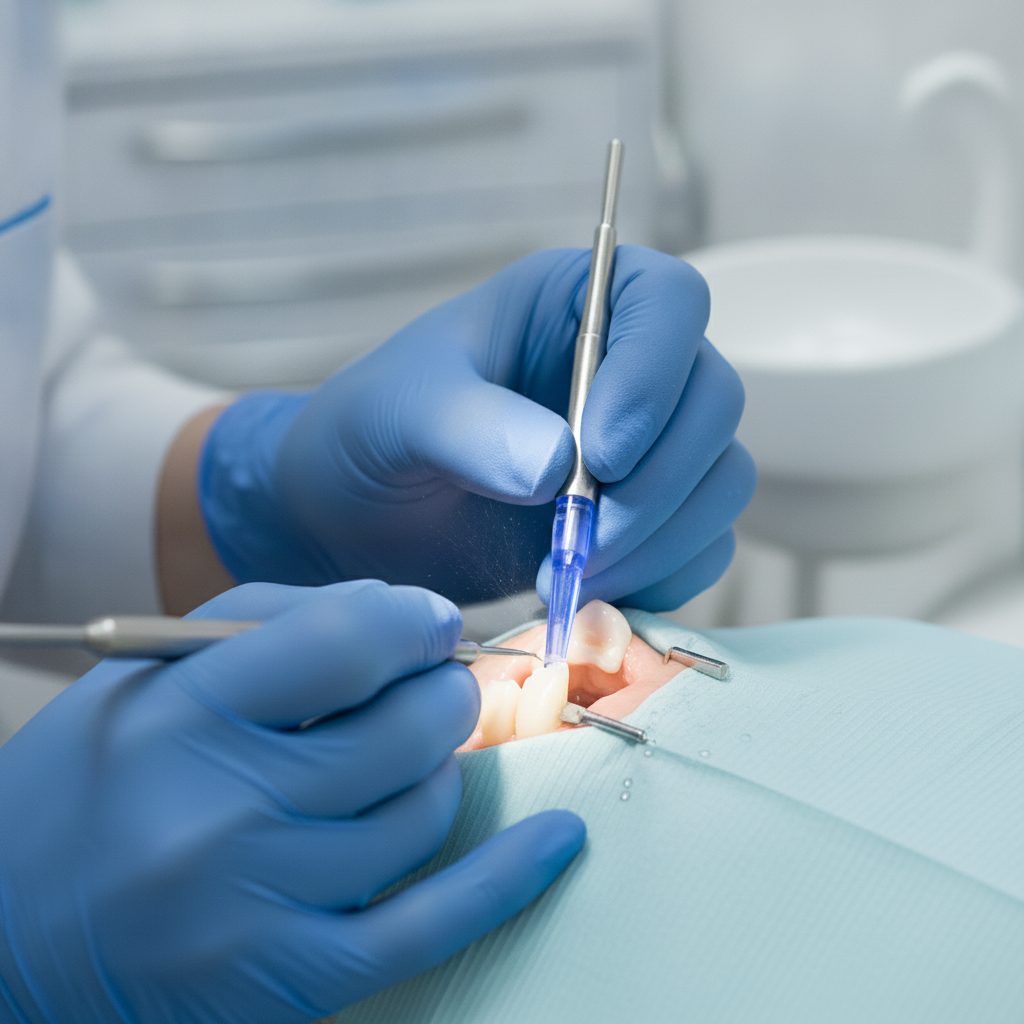
Once the tooth is prepared, the dentist applies a conditioning liquid, followed by the tooth-coloured composite resin. The resin is carefully selected to match or enhance the shade of your existing teeth. The material is often applied in layers, allowing the dentist to build up the desired shape and contour. This stage demands artistic skill and precision, as the dentist meticulously sculpts the resin to correct imperfections and achieve a natural-looking result.
4. Shaping and Sculpting
With the composite resin applied, the dentist then meticulously shapes and sculpts the material to correct the specific issue, whether it’s closing gaps, lengthening teeth, masking discolouration, or repairing chips. This artistic phase is critical for achieving an aesthetically pleasing and harmonious smile. The dentist uses specialized tools to ensure the new surface blends seamlessly with your natural tooth, paying close attention to the overall symmetry and balance of your smile.
5. Curing and Polishing
After the desired shape is achieved, a high-intensity curing light (often a blue light) is used to harden the composite resin almost instantly. This process permanently bonds the material to your tooth. Once hardened, the dentist will further trim, shape, and polish the bonded tooth. This final polishing stage is essential to achieve a smooth, natural-looking surface that mimics the lustre of your natural enamel and prevents staining. The result is a seamless enhancement that is virtually indistinguishable from your natural teeth.
### Benefits of Composite Bonding
Composite bonding offers numerous advantages, making it a popular choice for cosmetic dental enhancements:
- Minimally Invasive: It requires very little to no removal of natural tooth enamel, preserving the integrity of your teeth.
- Cost-Effective: Generally more affordable than veneers or crowns.
- Quick Procedure: Often completed in a single visit, saving time and multiple appointments.
- Versatile: Can address a wide range of cosmetic issues, from chips and cracks to gaps and discolouration.
- Natural Appearance: The resin can be matched perfectly to your natural tooth shade, providing a seamless and aesthetically pleasing result.
- Reversible: In some cases, the procedure can be reversed as minimal tooth structure is altered.
Who is an Ideal Candidate?
Composite bonding is ideal for individuals with minor to moderate cosmetic dental concerns. This includes those with:
- Chipped or cracked teeth.
- Small gaps or spaces between teeth.
- Discoloured or stained teeth that resist whitening treatments.
- Irregularly shaped or slightly misaligned teeth.
- Exposed tooth roots due to gum recession (to protect the root).
- Individuals seeking a less invasive alternative to veneers or crowns.
However, it may not be suitable for extensive dental issues, severe misalignment, or teeth that experience heavy biting forces, where more durable options like crowns might be recommended. A thorough consultation with a qualified dentist in Turkey will determine your suitability for the procedure.
| Feature | Composite Bonding | Dental Veneers |
|---|---|---|
| Material | Tooth-coloured resin (plastic) | Porcelain or composite (pre-fabricated/lab-made) |
| Invasiveness | Minimally invasive; little to no enamel removal | Requires significant enamel removal |
| Procedure Time | Typically 1 visit | Usually 2-3 visits (impressions, lab fabrication, bonding) |
| Cost | Generally less expensive | Significantly more expensive |
| Durability/Longevity | 5-10 years (prone to chipping/staining) | 10-15+ years (highly durable, stain-resistant) |
| Repairability | Easily repaired or re-bonded | Cannot be repaired, must be replaced |
| Aesthetic Result | Very good, natural blend | Excellent, superior translucency and stain resistance |
Aftercare and Maintenance for Your Bonded Teeth
Maintaining the longevity and aesthetic appeal of your composite bonding requires diligent aftercare. While the resin material is durable, it’s not as strong as natural tooth enamel and can be susceptible to chipping or staining.
- Oral Hygiene: Continue to brush twice a day and floss daily. Regular dental check-ups and professional cleanings are essential.
- Avoid Staining Foods: Limit consumption of coffee, tea, red wine, and other highly pigmented foods, especially in the first 48 hours after the procedure, as the bonding material can stain.
- Avoid Hard Foods and Habits: Refrain from biting on hard candies, ice, or non-food items like pen caps, which can chip the bonding. Avoid habits like nail-biting or using your teeth to open packages.
- Protect Your Teeth: If you grind your teeth (bruxism) or play contact sports, consider wearing a mouthguard to protect your bonded teeth.
- Regular Dental Visits: Schedule regular follow-up appointments with your dentist to monitor the bonding and address any issues promptly.
Longevity and Results
With proper care, composite bonding can last anywhere from 5 to 10 years, sometimes even longer. The lifespan of your bonding depends on several factors, including your oral hygiene habits, dietary choices, and whether you engage in habits like teeth grinding. While not as long-lasting as porcelain veneers or crowns, the ease of repair and replacement makes it a practical option. The results are immediate and transformative, offering a significantly improved smile that boosts confidence and enhances overall facial aesthetics. Many patients report a natural feel and appearance, making their newly bonded teeth indistinguishable from their natural ones.
The Cost-Effectiveness of Composite Bonding in Turkey
One of the most compelling reasons for patients to travel for cosmetic dentistry in Turkey, including composite bonding, is the exceptional value for money. While specific prices vary based on the clinic, the number of teeth treated, and the complexity of the case, the overall cost remains considerably lower than in many Western countries. This affordability does not come at the expense of quality. Turkish clinics maintain high standards of care, using quality materials and advanced techniques. The transparency in pricing, coupled with comprehensive treatment packages that often include accommodation and transfers, further enhances Turkey’s appeal as a leading destination for dental tourism. Patients can achieve their dream smile without breaking the bank, making high-quality cosmetic dentistry accessible to a broader audience.
Making an Informed Decision
Choosing to undergo composite bonding in Turkey is a decision that combines aesthetic improvement with the opportunity for a memorable travel experience. By understanding the procedure, its benefits, and the factors that make Turkey an attractive destination, you can confidently embark on your journey towards a brighter, more confident smile. Always ensure you choose a reputable clinic with experienced dentists, and don’t hesitate to ask questions during your consultation. For more information on dental bonding, you can refer to authoritative sources such as Wikipedia’s entry on Dental bonding. With careful planning, composite bonding in Turkey offers a fantastic solution for achieving the smile you’ve always desired.