Dental Implants After 50 What Changes

Dental Implants After 50 What Changes and why this decade might be the perfect time to invest in a permanent solution for missing teeth. While the core principles of dental implantology remain the same regardless of age, the physiological and oral health landscape of a person over fifty presents unique considerations. This is not a barrier to success; rather, it requires a more nuanced and comprehensive approach from both the patient and the dental surgeon. The goal is to restore not just a smile, but full chewing function, confidence, and overall quality of life for decades to come. Age is truly just a number when it comes to the viability of dental implants, provided that a thorough evaluation is conducted and a tailored treatment plan is put in place.
Understanding the Unique Oral Health Landscape After 50
As we age, our bodies undergo natural changes, and oral health is no exception. For individuals considering dental implants, understanding these age-related factors is the first step toward a successful outcome. A skilled implantologist doesn’t just look at the empty space in your mouth; they assess your entire health profile to ensure the treatment is safe, effective, and durable.
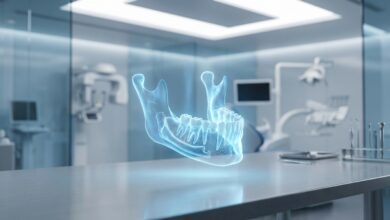
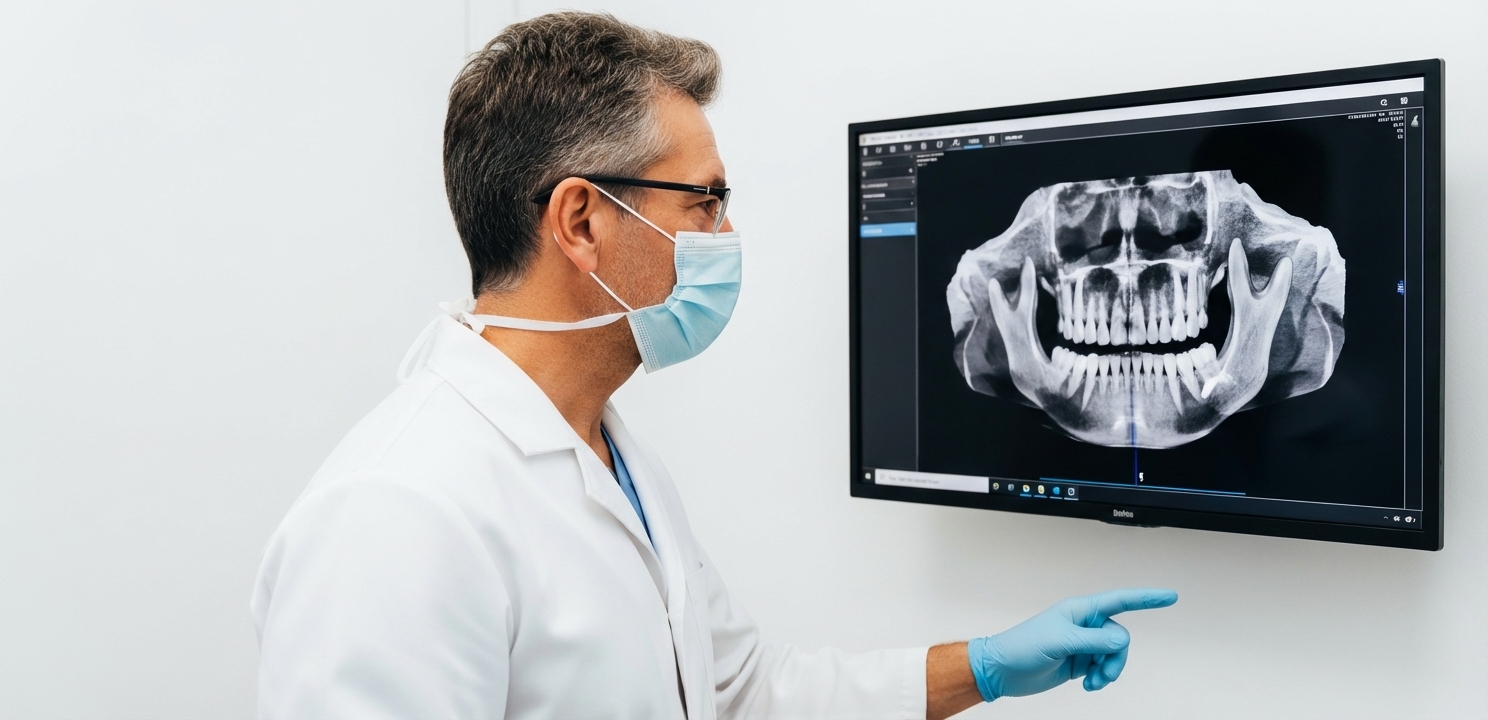
One of the primary considerations is jawbone density. Over time, the absence of a tooth root leads to a process called bone resorption, where the jawbone in that area begins to shrink. This process can be more pronounced in older adults. Furthermore, conditions like osteoporosis can affect bone quality throughout the body, including the jaw. This doesn’t automatically disqualify a person from getting implants, but it does mean that a meticulous assessment using advanced imaging, such as a 3D CBCT scan, is non-negotiable. This technology allows the surgeon to measure the exact height, width, and density of the bone to plan the procedure with precision.
Gum health is another critical factor. The prevalence of periodontal (gum) disease can increase with age. Chronic gum inflammation can damage the supporting structures of teeth and, if left untreated, can compromise the success of a dental implant. Before any implant procedure, it is essential to have healthy gums. A pre-procedural regimen of professional cleanings or periodontal therapy may be required to create a healthy foundation for the implant.
Finally, overall systemic health plays a significant role. Many individuals over 50 manage chronic conditions such as diabetes, hypertension, or heart disease. Uncontrolled diabetes, for instance, can impair the body’s healing process and increase the risk of infection. It’s crucial to have such conditions well-managed in collaboration with your primary care physician before undergoing surgery. A comprehensive review of all medications is also vital, as some drugs, like certain bisphosphonates used for osteoporosis, can affect bone healing.
Why Choose Dental Implants Over Other Options?
When faced with tooth loss, patients have several restorative options. While traditional bridges and dentures have been used for many years, dental implants offer distinct, long-term advantages that are particularly beneficial for a
d>
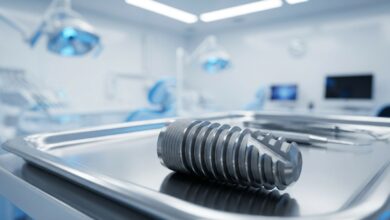
The most significant advantage listed, especially for the over-50 demographic, is bone preservation. The titanium implant post acts as an artificial tooth root, and the daily pressures of chewing send signals to the jawbone to maintain its density. This prevents the sunken facial appearance that often accompanies long-term tooth loss and denture use, helping to maintain a more youthful facial structure.
The Evaluation and Treatment Process for Patients Over 50
The journey to receiving dental implants after 50 is meticulous and patient-focused, ensuring the highest probability of success. It involves several key stages, each tailored to the specific needs of the mature patient.
Comprehensive Health Assessment

The recovery period is manageable with proper care. Patients can expect some mild swelling and discomfort for a few days, which can be controlled with prescribed medication. A soft-food diet is recommended for the initial weeks to avoid putting pressure on the new implant. Long-term maintenance is straightforward and is no different than caring for natural teeth. It involves diligent daily brushing, flossing (using special tools if necessary), and attending regular dental check-ups and cleanings. With this simple routine, a dental implant can easily last for the rest of a person’s life, making it a truly permanent solution.