Are You a Good Dental Implant Candidate
Are You a Good Dental Implant Candidate? This question is one of the most critical starting points for anyone considering the most advanced and permanent solution for missing teeth. Dental implants have revolutionized restorative dentistry, offering a functional and aesthetic alternative that mimics natural teeth better than any other option. However, their remarkable success is not automatic; it is deeply rooted in a biological process called osseointegration and is highly dependent on the patient’s specific oral and overall health. Understanding the factors that contribute to a successful outcome is the first step toward restoring your smile with confidence.
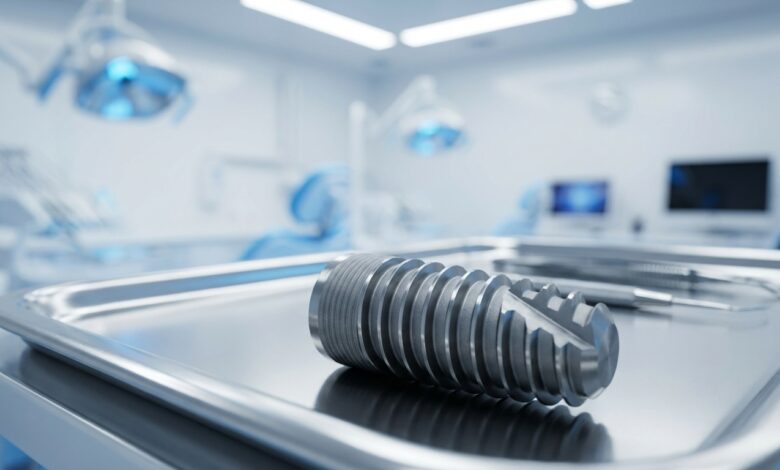
A dental implant is a small, screw-like post, typically made of biocompatible titanium, that is surgically placed into the jawbone. It acts as an artificial tooth root, providing a stable foundation for a replacement tooth or crown. For this foundation to be strong, the bone must fuse directly with the implant surface, a process known as osseointegration. This fusion creates a durable and permanent bond that allows the implant to withstand the forces of chewing just like a natural tooth. Therefore, the entire evaluation process revolves around determining if your body can successfully achieve and maintain this crucial integration.
The Core Criteria for a Dental Implant Candidate
The journey to receiving dental implants begins with a thorough evaluation by a dental specialist. This assessment isn’t just a formality; it’s a deep dive into your unique anatomy and health profile to ensure the treatment is safe, predictable, and has the highest possible chance of long-term success. Several key factors are examined to paint a complete picture of your suitability. A patient who is a strong candidate generally exhibits a combination of good oral health, sufficient bone structure, and stable overall health.
Sufficient Jawbone Density and Volume
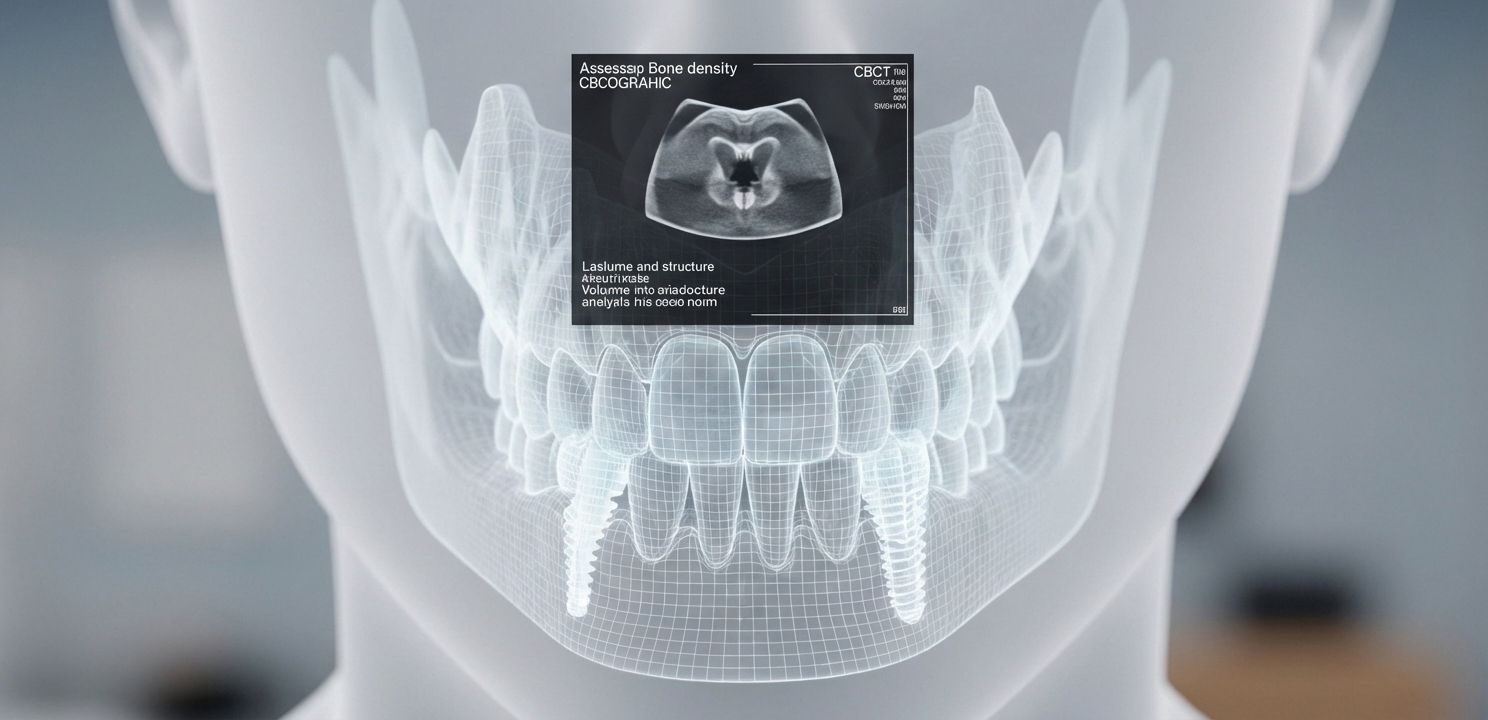
This is arguably the most critical factor. For an implant to be stable, it needs to be surrounded by a sufficient amount of healthy, dense bone. When a tooth is lost, the section of the jawbone that once supported it no longer receives the stimulation of chewing forces. As a result, the body begins to resorb this bone tissue, causing it to shrink in both height and width over time. If too much time has passed since the tooth was lost, the remaining bone may be too thin or too short to securely anchor an implant. A dentist will use advanced imaging, such as a Cone Beam Computed Tomography (CBCT) scan, to get a precise 3D view of your jawbone, measuring its exact dimensions to determine if it can support an implant.
Healthy Gums and Oral Tissues
Dental implants are placed into the jawbone, but they emerge through the gum tissue. Healthy gums are essential for protecting the underlying bone and the implant from bacteria. Patients with active, untreated periodontal (gum) disease are not suitable candidates for immediate implant placement. Gum disease is an infection that can destroy the supportive tissues around teeth, and it can similarly attack the tissues around an implant, a condition known as peri-implantitis. Peri-implantitis is a leading cause of implant failure. Before proceeding with implant surgery, any signs of gingivitis or periodontitis must be fully treated and brought under control to create a healthy oral environment.
Good General and Systemic Health
The implant procedure is a surgical one, and your body’s ability to heal is paramount. Certain uncontrolled systemic conditions can interfere with the healing process or increase the risk of post-operative complications. For example, uncontrolled diabetes can impair healing and make a patient more susceptible to infection. Autoimmune diseases or medications that suppress the immune system can also affect the body’s ability to integrate the implant. It is vital to provide your dentist with a complete medical history, including all medications you are taking. In many cases, as long as a chronic condition is well-managed and stable, a patient can still be a successful implant candidate.
Overcoming Obstacles: When You’re Not an Ideal Candidate
Receiving the news that you are not an immediate candidate for dental implants can be disheartening, but it is rarely the end of the road. Modern dentistry offers several remarkable preliminary procedures designed to address the very issues that might initially disqualify a patient. These treatments build the foundation necessary for a successful implant outcome.
Treating Insufficient Bone with Bone Grafting
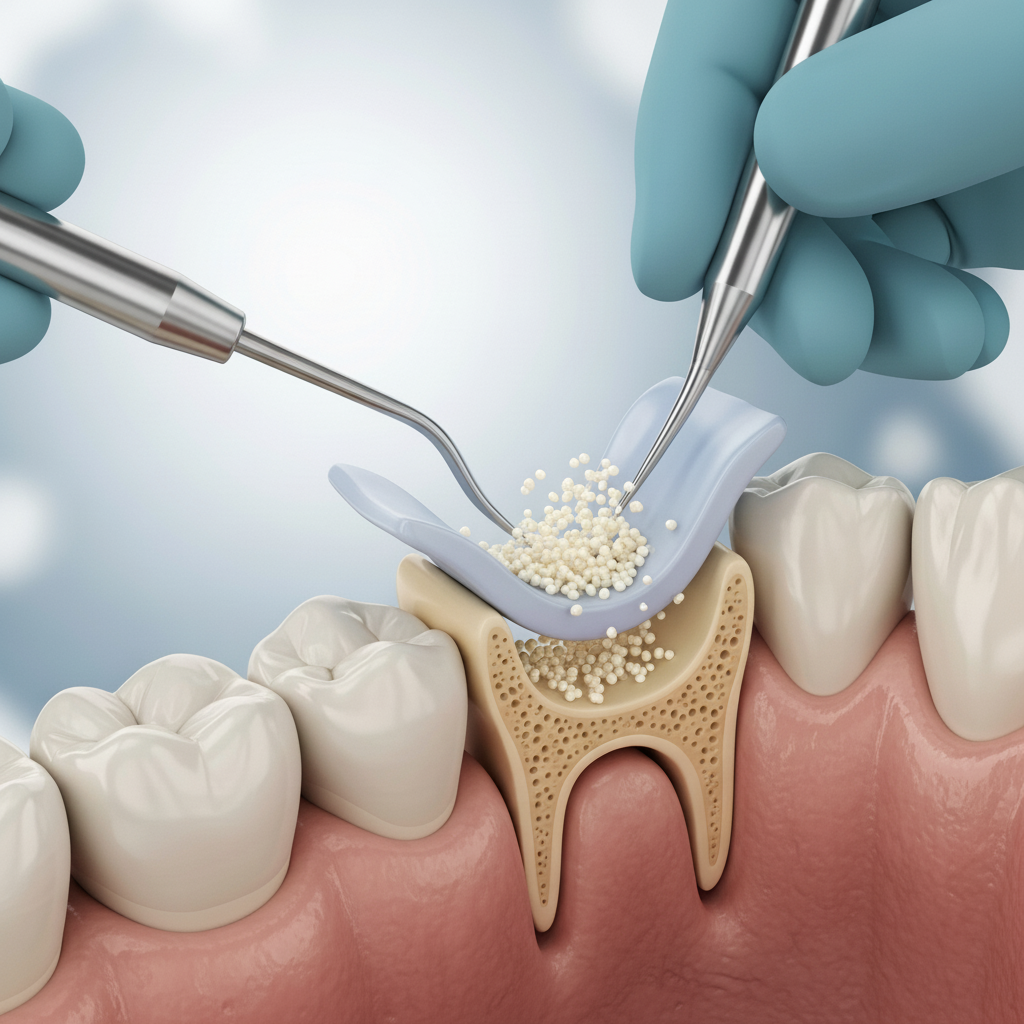
For many individuals, the primary barrier is inadequate jawbone. Fortunately, this can be corrected with a procedure called bone grafting. This process involves adding bone, or bone-like material, to the deficient area of the jaw to regenerate lost tissue. The material can be sourced from the patient’s own body, a human donor, an animal source, or a synthetic material. Over several months, the patient’s own body replaces the graft material with new, dense bone, creating the volume needed to securely place an implant. Understanding the options available is crucial for those who have experienced significant bone loss; this is particularly true for dental implants for bone loss patients, where specialized techniques can make all the difference.
The Sinus Lift for Upper Jaw Implants
When placing implants in the upper back jaw, dentists often face another anatomical challenge: the maxillary sinuses. These are air-filled cavities located just above the upper premolar and molar teeth. If the bone in this area is too short, placing an implant could puncture the sinus membrane. A sinus lift, or sinus augmentation, is a specialized bone graft that resolves this issue. The surgeon gently lifts the sinus membrane and places bone graft material underneath it, effectively increasing the height of the bone and creating a solid foundation for future implants.
| Factor | Ideal Candidate Profile | Candidate Needing Preliminary Work |
|---|---|---|
| Jawbone Health | Sufficient height, width, and density to anchor an implant immediately. | Requires bone grafting or a sinus lift to build up the necessary bone volume. |
| Gum Health | No signs of active periodontal disease; healthy, firm pink gums. | Requires treatment for gingivitis or periodontitis before implant surgery. |
| Systemic Health | Good overall health or well-controlled chronic conditions (e.g., managed diabetes). | Needs to get conditions like uncontrolled diabetes or high blood pressure under stable management. |
| Lifestyle Habits | Non-smoker or willing to quit completely before and during the healing phase. | Heavy smoker; must commit to a smoking cessation program for a successful outcome. |
| Oral Hygiene | Demonstrates a consistent and thorough daily oral care routine. | Has poor oral hygiene; requires education and must demonstrate improvement before proceeding. |
The Critical Role of Lifestyle and Long-Term Commitment
Your habits and dedication to aftercare play a massive role in the long-term viability of your dental implants. While the surgeon’s skill is vital, the patient’s responsibility begins right after the procedure and continues for a lifetime.
Smoking and Its Detrimental Effects
Smoking is one of the most significant risk factors for implant complications and failure. Nicotine constricts blood vessels, reducing blood flow to the oral tissues. This restriction severely hampers the healing process after surgery and can impede the ability of the bone to fuse with the implant. Furthermore, smokers are at a much higher risk of developing peri-implantitis. The long-term success of dental implants is significantly higher in non-smokers. According to extensive research, while implant therapy is predictable, lifestyle factors like smoking are consistently associated with higher rates of complications and failure. A study published in the Journal of International Society of Preventive & Community Dentistry highlights that risk factors such as smoking and poor oral hygiene significantly influence implant survival rates.
Your Commitment to Aftercare
A dental implant cannot get a cavity, but it is not immune to problems. Just like natural teeth, implants and the surrounding gums must be kept meticulously clean. Plaque and bacteria can still accumulate around the base of the implant, leading to gum inflammation and potentially peri-implantitis, which can cause bone loss and implant failure. A rigorous oral hygiene routine, including brushing, flossing with specialized tools like a water flosser or implant floss, and attending regular professional cleanings and check-ups, is non-negotiable for ensuring your investment lasts a lifetime. Deciding to get dental implants is a commitment not just to a surgical procedure, but to a higher standard of oral care for the rest of your life.