Common Dental Implant Mistakes to Avoid
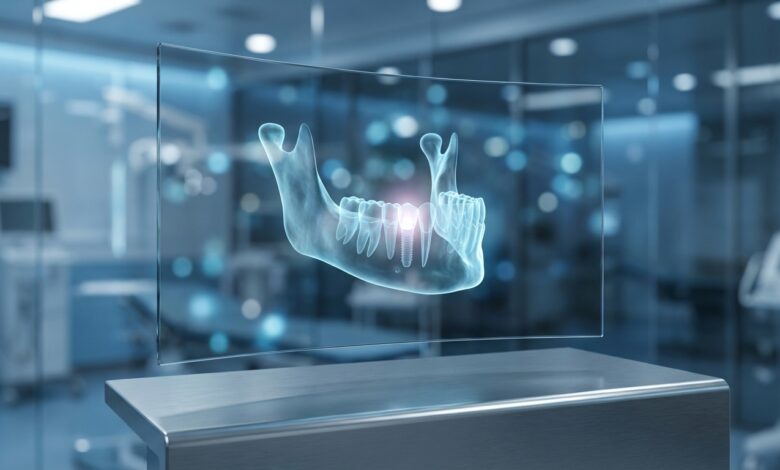
To provide a clear overview, here is a summary of frequent errors and the correct approach to ensure implant longevity and success.
Common Dental Implant Mistakes to Avoid for a Lasting Smile. Dental implants represent the pinnacle of modern tooth replacement technology, boasting success rates that often exceed 95%. This remarkable achievement has transformed the lives of millions, restoring not just smiles but also function and confidence. However, this high success rate is not a guarantee; it is the result of a meticulous process that involves careful planning, surgical precision, and diligent patient aftercare. When any part of this process is compromised, the risk of complications and even complete implant failure increases significantly. Understanding the potential pitfalls is the first and most crucial step for any patient considering this life-changing procedure.
Navigating the journey to a successful dental implant requires a partnership between a skilled clinical team and an informed patient. Mistakes can occur at any stage—from the initial consultation and choice of a provider to the surgical procedure itself and the long-term maintenance phase. By shedding light on these common errors, patients can become proactive participants in their own success, ensuring their investment in a new smile pays dividends for decades to come.
A Quick Guide: Common Mistakes vs. Best Practices
| Common Mistake | Best Practice for Success |
|---|---|
| Choosing a clinic based solely on the lowest price. | Selecting a reputable clinic with experienced surgeons, advanced technology, and transparent pricing that reflects quality. |
| Withholding information about medical conditions or habits. | Providing a complete and honest medical history, including all medications, conditions like diabetes, and habits like smoking. |
| Accepting treatment without comprehensive 3D imaging. | Insisting on a clinic that uses Cone Beam Computed Tomography (CBCT) scans for precise planning. |
| Neglecting post-operative oral hygiene instructions. | Following a strict, dentist-approved cleaning regimen to prevent infection and promote healing. |
| Skipping scheduled follow-up appointments after surgery. | Attending all check-ups to allow the clinical team to monitor healing and the integration of the implant. |
Pre-Procedure Errors: Setting the Stage for Failure
The decisions made before you ever sit in the surgical chair have a profound impact on the outcome. Many patients, in their eagerness to restore their smile, overlook critical preparatory steps, leading to preventable complications down the line.
Choosing a Clinic Based Solely on Price
One of the most frequent and damaging mistakes is selecting a dental provider based on who offers the lowest cost. While budget is a valid concern, an unusually low price for dental implants is often a red flag. It can indicate compromises in critical areas: the quality of the implant materials, the level of technology used for diagnostics, or, most importantly, the experience and skill of the surgeon. A cheaper, lower-grade titanium implant may have a higher risk of fracture or poor osseointegration. A clinic that forgoes advanced 3D imaging to cut costs is essentially performing surgery with an incomplete map of your jaw, risking nerve damage or sinus perforation. Investing in a reputable clinic with a proven track record is an investment in safety and long-term success.
Insufficient Research and Unrealistic Expectations
A successful implant journey begins with an informed patient. It is a mistake to proceed without thoroughly researching the procedure, the clinic, and the surgeon. Patients should look for testimonials, before-and-after galleries, and professional credentials. Furthermore, it’s vital to have realistic expectations. Dental implants are a multi-stage medical procedure, not a quick cosmetic fix. The process involves a healing period that can span several months as the implant fuses with the jawbone. Understanding this timeline and the commitment required for aftercare helps align patient expectations with clinical reality, preventing disappointment and frustration.
Not Disclosing Your Full Medical History
The implant’s ability to integrate with your bone is directly influenced by your overall health. Hiding or forgetting to mention certain medical conditions or lifestyle habits is a critical error. Conditions like uncontrolled diabetes, osteoporosis, and autoimmune disorders can impair healing and increase the chances of implant failure. Similarly, smoking is one of the biggest risk factors, as it restricts blood flow to the gums and bone, starving the area of the oxygen and nutrients needed for successful osseointegration. It is imperative to provide your surgeon with a complete medical history, including all medications you take, to properly assess your candidacy and mitigate potential dental implant risks.
Clinical and Technical Dental Implant Mistakes
Even with a well-prepared patient, the success of the procedure ultimately rests in the hands of the clinical team. Technical errors, often stemming from inexperience or outdated technology, can lead to immediate or long-term failure.
Inadequate Treatment Planning
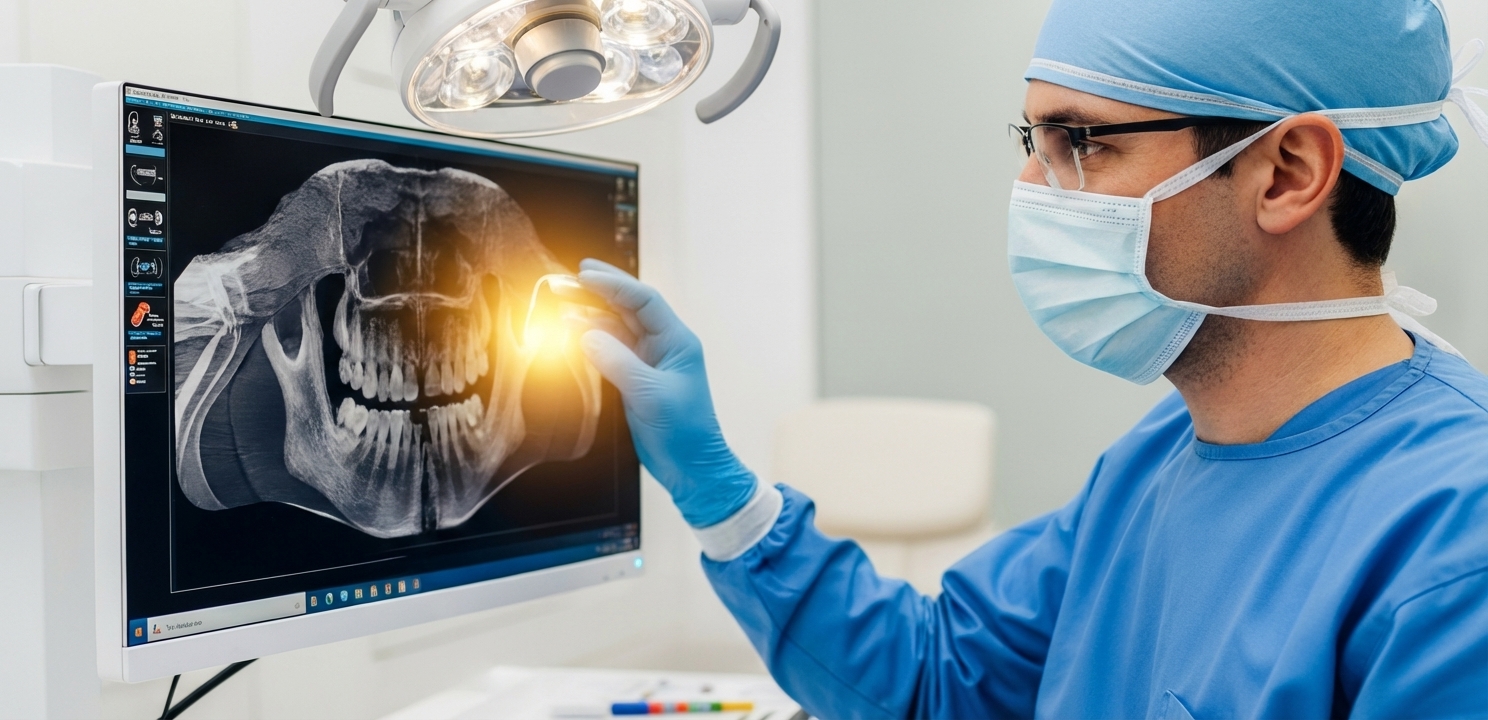
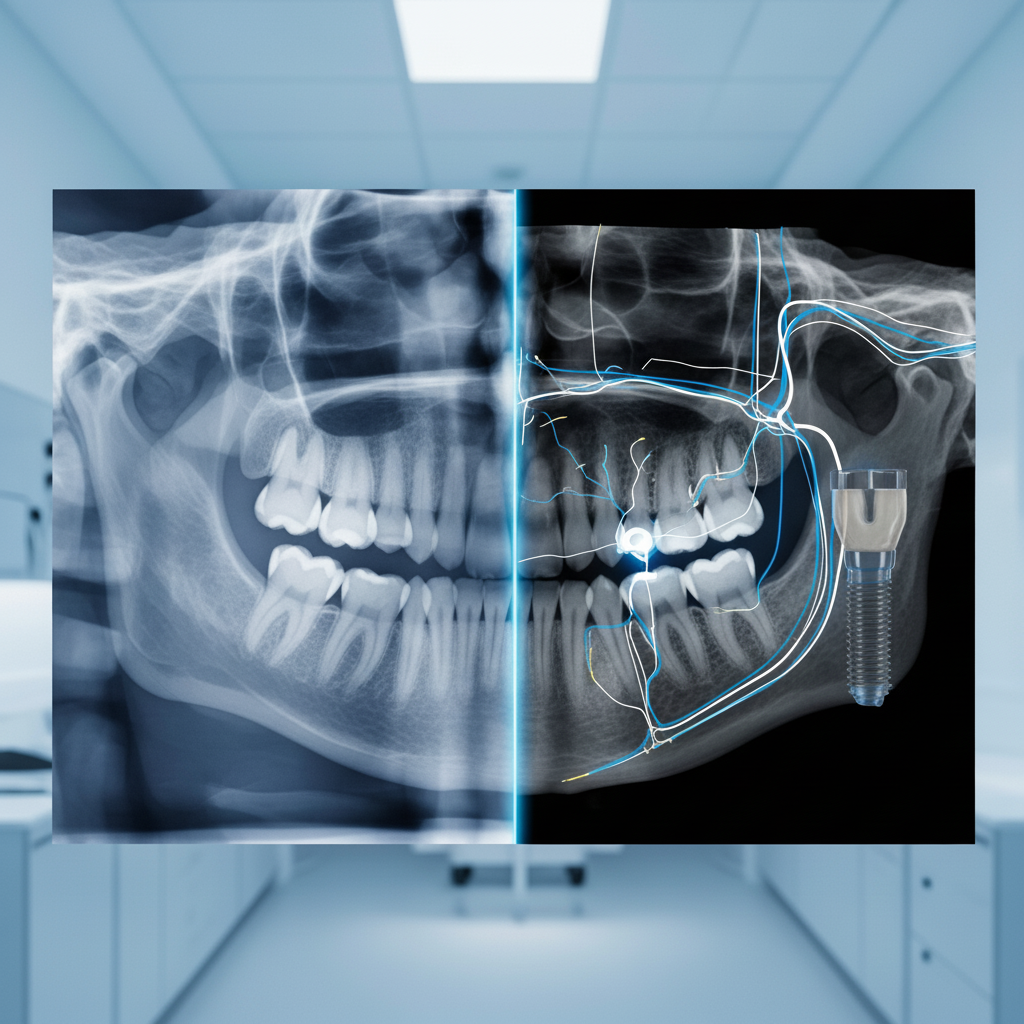
The foundation of a perfect implant is a flawless plan. A common mistake is relying on simple 2D X-rays for planning. The standard of care today is a 3D Cone Beam Computed Tomography (CBCT) scan. This advanced imaging provides a detailed, three-dimensional view of the jawbone, revealing its density, width, and height. It also maps the precise location of critical structures like nerves and the sinus cavity. Without this data, a surgeon cannot accurately select the correct implant size or determine the optimal placement angle. Inadequate planning can lead to an implant that is unstable, aesthetically displeasing, or, in the worst cases, causes permanent nerve damage.
Improper Implant Placement
The surgical placement of the implant post is a procedure that demands immense precision. An implant placed at the wrong angle, depth, or position can cause a host of problems. Aesthetically, it can result in a crown that looks unnatural or creates a dark shadow at the gum line. Functionally, improper placement can create bite issues that put undue stress on the implant and surrounding teeth, leading to mechanical failure. Most seriously, it can encroach upon and damage adjacent tooth roots, nerves, or the sinus cavity, leading to pain, numbness, and chronic infections. This highlights the non-negotiable importance of choosing a highly skilled and experienced implant surgeon.
Using Low-Quality Materials
The dental implant itself is a sophisticated medical device. Reputable implant systems from world-renowned manufacturers are crafted from medical-grade titanium alloys and undergo extensive research and quality control to ensure biocompatibility and long-term durability. A significant clinical mistake is the use of cheaper, generic, or clone implant systems. These materials may not have the same surface treatments that promote bone integration, or they may be structurally weaker, increasing the risk of the implant or its components fracturing over time.
Post-Procedure Mistakes That Compromise Healing
Once the surgery is complete, the responsibility for success shifts back to the patient. The healing phase is delicate, and neglecting post-operative instructions can undo the surgeon’s expert work.
Neglecting Oral Hygiene
While an implant and crown cannot get a cavity, they are highly susceptible to gum disease. The tissue around an implant can become infected and inflamed if plaque is allowed to accumulate, a condition known as peri-implantitis. This infection can destroy the supporting gum tissue and, critically, the bone that holds the implant in place. This is a leading cause of late-stage implant failure. Patients must commit to a rigorous oral hygiene routine, including gentle brushing, flossing with specialized tools, and potentially using a water flosser to keep the area pristine.
Ignoring Follow-Up Appointments
Post-operative check-ups are not optional. These appointments allow the dental team to monitor the healing process, assess the stability of the implant, and ensure that osseointegration is proceeding as expected. Skipping these visits is a mistake because it prevents the early detection of potential problems. An issue like a minor infection or a loose abutment can be easily corrected if caught early but can escalate into a cause for implant removal if left unaddressed.
Harmful Lifestyle Choices and Habits
Lifestyle factors continue to play a crucial role long after the surgery. As highlighted in extensive research, certain systemic conditions and patient habits are significant risk factors. According to a study published in the National Center for Biotechnology Information, smoking and a history of periodontitis are strongly associated with implant failure. Continuing to smoke after surgery severely hampers the body’s healing capacity. Additionally, habits like chewing on ice, opening packages with your teeth, or grinding your teeth at night (bruxism) can place excessive force on the implant, leading to mechanical complications or failure.