Post Implant Infection Signs and Prevention
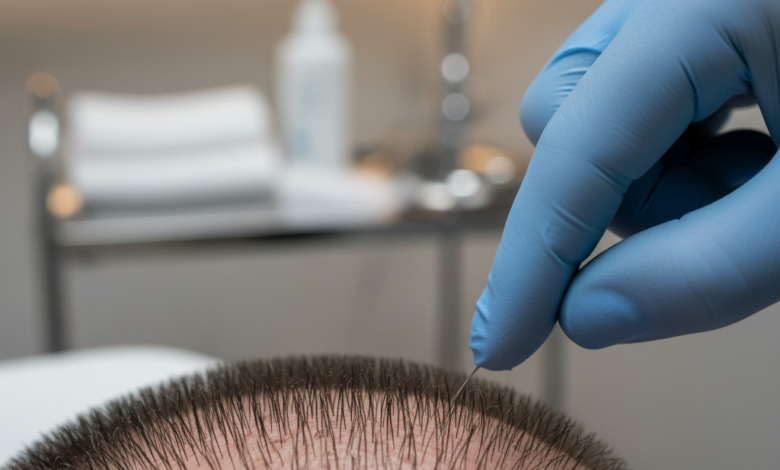
Post Implant Infection Signs and Prevention. Hair transplantation has emerged as a transformative solution for individuals experiencing hair loss, offering a path to restored confidence and a fuller hairline. While the procedure boasts a high success rate and is generally considered safe, like any surgical intervention, it carries potential risks. Among these, though rare, is the possibility of an infection developing after the implant procedure. Understanding the signs of such an infection and implementing rigorous prevention strategies are crucial for a smooth recovery and optimal results. This detailed guide aims to equip patients with the knowledge necessary to identify potential issues early and ensure the best possible outcome from their hair transplant journey.
Understanding Post Hair Transplant Infection
A post-hair transplant infection occurs when bacteria or other microorganisms enter the recipient or donor sites, leading to an inflammatory response. While hair transplant procedures are meticulously performed under sterile conditions, the creation of thousands of micro-incisions creates pathways for potential pathogens. The body’s immune system usually handles minor bacterial presence, but in some cases, an infection can take hold, requiring medical intervention. The prevalence of serious infections post-hair transplant is remarkably low, often reported to be less than 1%, thanks to advancements in surgical techniques, antibiotic prophylaxis, and stringent hygiene protocols. However, awareness remains paramount, as untreated infections can lead to complications such as impaired healing, scarring, and compromised graft survival.
What Constitutes an “Implant” in Hair Transplantation?
In the context of hair transplantation, “implants” refer to the hair follicles — often referred to as grafts — that are extracted from a donor area (typically the back or sides of the head) and then surgically implanted into the balding or thinning areas of the scalp. Each graft contains one to four hair follicles, along with surrounding skin and tissue. The success of a hair transplant hinges on the proper implantation and subsequent vascularization (blood supply integration) of these grafts into their new environment. It is these implanted grafts and the surrounding scalp tissue that are susceptible to infection.
Post Implant Infection: Signs to Watch For
Recognizing the early indicators of an infection is vital for prompt treatment and to prevent further complications. Patients are typically discharged with detailed post-operative instructions, but vigilance regarding their scalp’s appearance and any systemic changes is equally important.
Early Signs and Symptoms
The initial days following a hair transplant will involve some expected redness, swelling, and mild discomfort. However, certain signs can differentiate normal post-operative recovery from the onset of an infection:
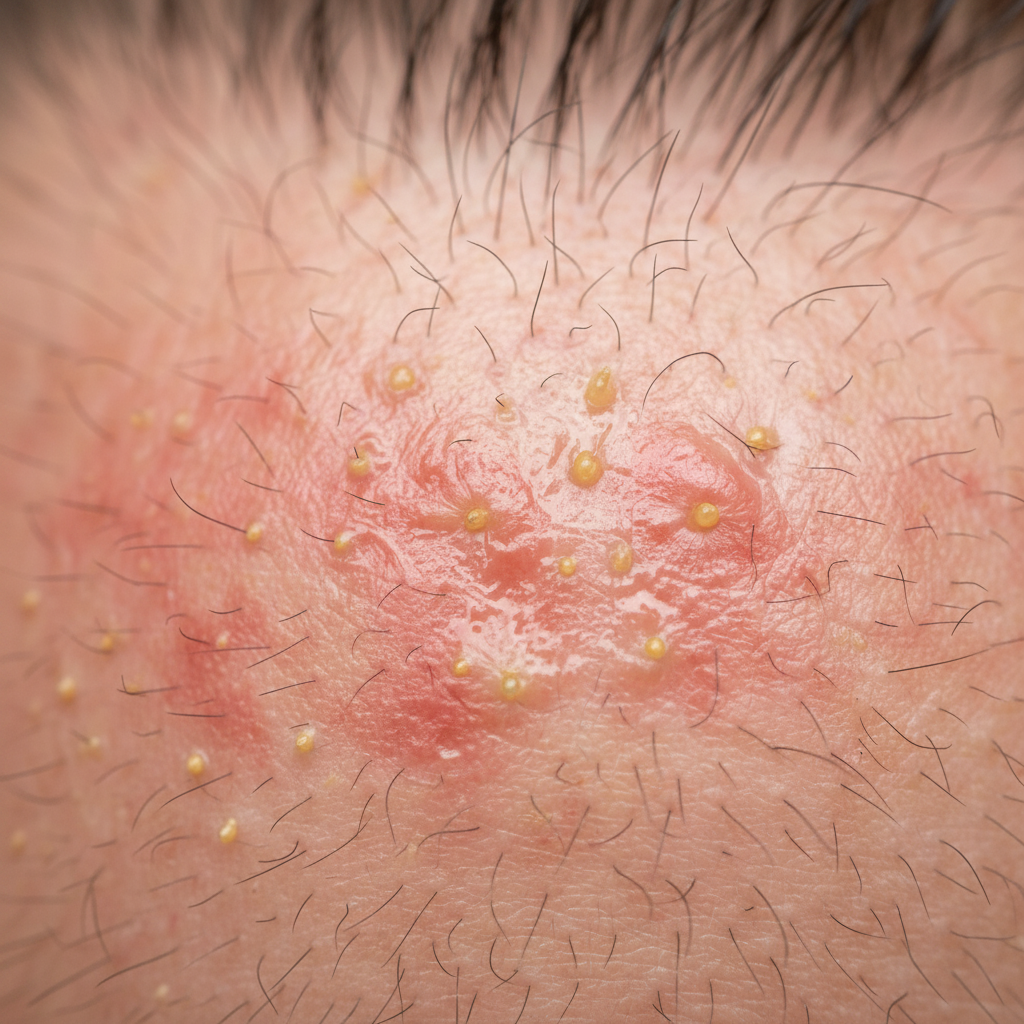
- Persistent or Worsening Redness: While mild redness is normal, redness that deepens in color, spreads, or persists beyond the first week without improvement can be a sign.
- Increased Swelling: Some swelling of the scalp and forehead is common. However, if swelling increases significantly after the first few days, feels hard or warm to the touch, or is accompanied by other symptoms, it warrants attention.
- Unusual Pain or Tenderness: A mild, dull ache is normal. Sharp, throbbing pain that intensifies rather than diminishes, especially when touching the affected area, could indicate an infection.
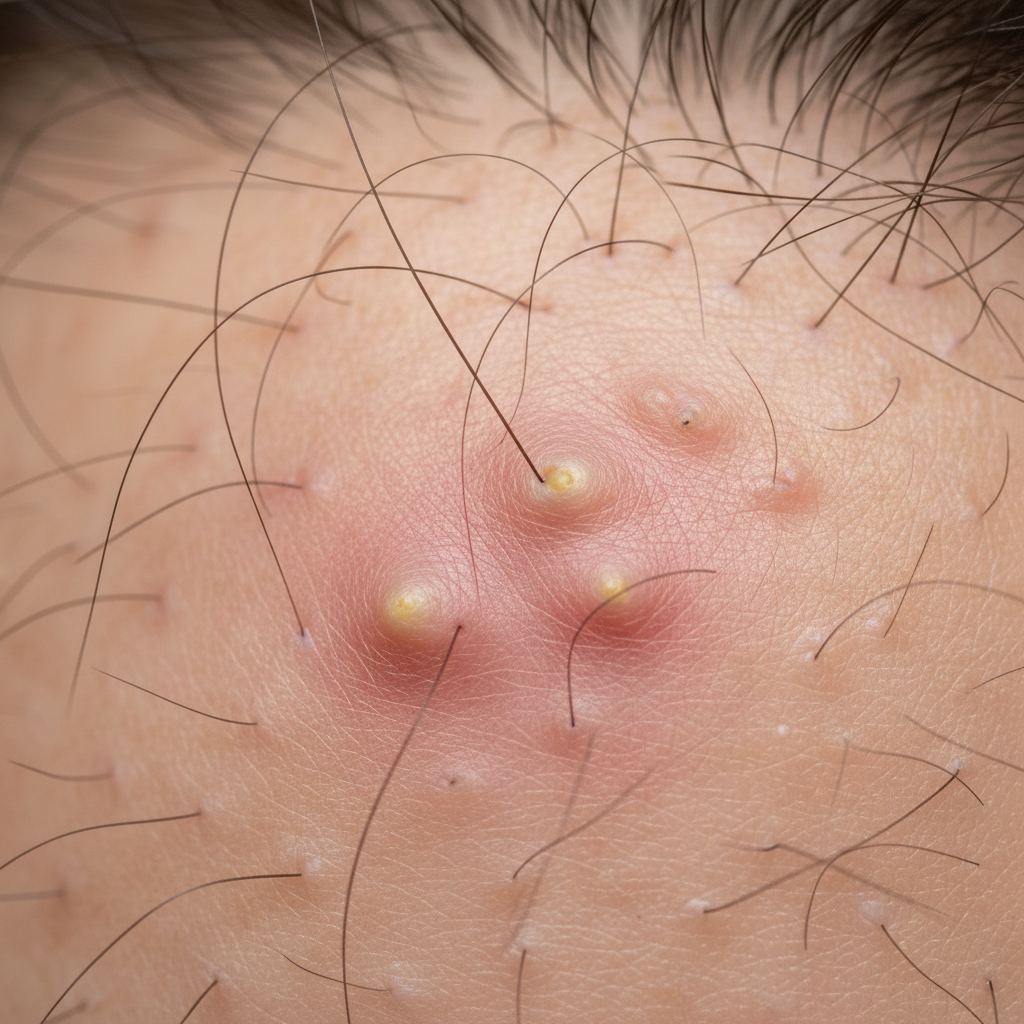
- Pus or Yellowish Discharge: Clear fluid or light yellowish crusting is part of the healing process. However, thick, opaque, yellowish, or greenish pus or discharge from the graft sites is a definitive sign of infection. This discharge may also have an unpleasant odor.
- Excessive Warmth: The infected area may feel noticeably warmer than the surrounding skin.
- Small Bumps or Pustules: The appearance of pimple-like bumps or pustules (small, pus-filled blisters) on the scalp, particularly around the implanted follicles, can be indicative of folliculitis or a more widespread infection.
More Severe Indicators
If an infection is left untreated, or if it is particularly aggressive, more severe symptoms can manifest:
- Fever and Chills: A low-grade fever (above 100.4°F or 38°C) or chills are systemic signs that the body is fighting a more significant infection.
- Swollen Lymph Nodes: Lymph nodes in the neck or behind the ears may become tender and enlarged as they work to filter out infectious agents.
- General Malaise: Feeling unwell, fatigued, or experiencing body aches are non-specific but important indicators of a systemic response to infection.
- Necrosis or Tissue Death: In very severe and rare cases, untreated infection can lead to tissue necrosis, where portions of the skin or grafts die due to lack of blood supply or severe inflammation. This can appear as dark, crusty areas that don’t heal.
- Persistent Bleeding: While some minor oozing is normal initially, persistent or unusual bleeding from the recipient or donor areas could also be a sign of underlying issues.
Causes and Risk Factors
Understanding the root causes and risk factors can help in both prevention and early detection. Infections post-hair transplant are multifactorial, often stemming from a combination of clinical practices and patient-specific circumstances.
Inadequate Sterilization Practices
The most critical factor in preventing infection is the maintenance of a sterile environment. Any lapses in sterilization of surgical instruments, equipment, or the operating room can introduce pathogens. Reputable clinics adhere to strict aseptic techniques, but it is a paramount consideration.
Poor Post-Operative Care
Patient adherence to post-operative instructions is equally vital. Failing to follow guidelines regarding scalp hygiene, medication (especially prescribed antibiotics), and activity restrictions can significantly increase infection risk. Scratching the scalp, exposing it to dirty environments, or using unapproved products can introduce bacteria.
Patient-Specific Risk Factors
Certain pre-existing conditions or lifestyle choices can elevate a patient’s susceptibility to infection:
- Diabetes: Individuals with diabetes often have compromised immune systems and slower wound healing.
- Smoking: Smoking impairs blood flow and oxygen delivery to tissues, hindering the healing process and increasing infection risk.
- Compromised Immunity: Patients with weakened immune systems due to illness or medication are at higher risk.
- Pre-existing Scalp Conditions: Undiagnosed or untreated scalp infections (e.g., fungal infections, severe dandruff) can be exacerbated by surgery.
Extent of the Procedure
Procedures involving a larger number of grafts or extensive recipient areas may present a slightly increased risk simply due to the greater number of micro-incisions and longer surgical time, though modern techniques minimize this.
Diagnosing and Treating Infections
If an infection is suspected, immediate consultation with the hair transplant clinic or a medical professional is crucial. Self-diagnosis and self-treatment can be dangerous.
Clinical Examination and Lab Tests
A medical professional will conduct a thorough examination of the scalp. They may ask about the onset of symptoms, your medical history, and post-operative care routine. In some cases, a swab of any discharge may be taken for microbiological culture to identify the specific bacteria and determine the most effective antibiotic treatment. Blood tests may also be ordered to check for signs of systemic infection.
Treatment Approaches: Antibiotics and Drainage
The primary treatment for a bacterial infection is antibiotics. These may be prescribed orally or, in more severe cases, intravenously. The type of antibiotic will depend on the suspected pathogen and its sensitivity, often guided by culture results. It is imperative to complete the full course of antibiotics, even if symptoms improve quickly.
In cases of abscess formation (a localized collection of pus), surgical drainage may be necessary to remove the pus and promote healing. This procedure is typically quick and performed under local anesthesia. The area will then be cleaned and dressed, and antibiotic treatment will continue.
Preventing Post Implant Infection
Prevention is undoubtedly the best approach. A proactive strategy involves choosing the right clinic and diligently following post-operative care.
Choosing a Reputable Clinic
The foundation of infection prevention starts long before the surgery. Selecting a clinic like Natural Hair Turkey that boasts a strong reputation, certified surgeons, and strict adherence to international hygiene and safety standards is paramount. A reputable clinic will:
- Maintain Sterile Environments: Ensure operating rooms and instruments are thoroughly sterilized.
- Employ Experienced Staff: Skilled surgeons and medical teams reduce the risk of complications.
- Provide Clear Instructions: Offer comprehensive pre- and post-operative care guidelines.
- Offer Follow-Up Care: Schedule check-ups to monitor healing and address concerns.
Strict Aseptic Techniques During Surgery
During the procedure, the medical team follows stringent aseptic protocols to minimize bacterial contamination. This includes wearing sterile gowns, gloves, and masks, preparing the patient’s scalp with antiseptic solutions, and using single-use or sterilized instruments.
Patient Adherence to Post-Operative Instructions
The patient plays a critical role in preventing infection after leaving the clinic. This involves:
- Taking Prescribed Medications: Adhering strictly to any prescribed antibiotics or anti-inflammatory medications.
- Maintaining Scalp Hygiene: Carefully following instructions for washing the scalp, usually starting a few days post-op, using specific shampoos and gentle techniques.
- Avoiding Touching/Scratching: Minimizing contact with the healing areas and refraining from scratching, which can introduce bacteria and dislodge grafts.
- Avoiding Strenuous Activities: Limiting physical exertion and activities that cause excessive sweating for the recommended period.
- Protecting the Scalp: Shielding the scalp from direct sunlight, dust, and pollution, and avoiding hats that might rub or irritate the healing area.
- Avoiding Alcohol and Smoking: These can impair healing and increase risk.
Importance of Follow-Up Appointments
Regular follow-up appointments with your clinic allow the medical team to monitor your healing progress, identify any potential issues early, and provide further guidance. These appointments are crucial, especially in the first few weeks after the procedure.
Ensuring a Smooth Recovery
While the focus on infection prevention is critical, it is part of a broader commitment to ensuring a smooth and successful recovery. Prompt management of any complication, including infection, contributes significantly to the overall outcome of the hair transplant.
Managing Complications and Scarring
In the rare event of an infection, rapid and effective treatment is key to minimizing its impact on graft survival and preventing scarring. Most infections, when caught early, resolve without long-term consequences. However, severe or untreated infections can lead to localized scarring, which may affect future hair growth in the affected area. This underscores the importance of choosing a clinic with a robust post-operative support system.
The Role of Patient Education
A well-informed patient is an empowered patient. Clinics should prioritize educating patients thoroughly about what to expect during recovery, how to care for their scalp, and what signs warrant immediate medical attention. Open communication between the patient and the medical team is essential throughout the entire process. For any concerns or to learn more about professional standards in patient care, you may consult with experts.
The journey of hair restoration is exciting and life-changing. By understanding the rare risk of post-implant infection, diligently following prevention protocols, and remaining vigilant for any unusual signs, patients can significantly contribute to their own successful recovery and enjoy the full benefits of their hair transplant. Choosing a highly reputable clinic committed to patient safety and comprehensive care provides the strongest foundation for a positive outcome. Taking these precautions ensures that the dream of a fuller, healthier head of hair becomes a reality, free from preventable complications.
External link: For more information on complications associated with hair transplantation, you can refer to the Wikipedia page on Hair Transplantation Complications.