Dental Implant Consultation What to Expect

Dental Implant Consultation What to Expect is the crucial first step on your journey towards a healthier, more confident smile. For anyone considering dental implants, this initial meeting with a dental professional is more than just an appointment; it’s a comprehensive dialogue designed to assess your oral health, discuss your aesthetic and functional goals, and lay the groundwork for a personalized treatment plan. This consultation demystifies the process, offering clarity and reassurance about one of the most advanced and effective solutions for missing teeth. It is here that you gain a deep understanding of what dental implants entail, from diagnostic procedures to recovery expectations, ensuring you are fully informed and comfortable before making any decisions.

The Foundation of Your New Smile: Understanding the Dental Implant Consultation Process
The primary objective of a dental implant consultation is to determine your suitability for the procedure and to develop a treatment strategy tailored specifically to your needs. This involves a meticulous evaluation that combines a thorough review of your medical and dental history with advanced diagnostic techniques. Our aim is to provide you with all the necessary information, address your concerns, and outline a clear path forward for restoring your oral health and aesthetics.
Initial Comprehensive Assessment and Medical History Review
Your consultation will begin with a detailed discussion about your general health and your complete medical history. This step is profoundly important as systemic health conditions can significantly impact the success of dental implant treatment. We will inquire about any existing medical conditions such as diabetes, heart disease, osteoporosis, or autoimmune disorders, as well as any medications you are currently taking, including prescription drugs, over-the-counter remedies, vitamins, and herbal supplements. Allergies, previous surgeries, and your smoking habits will also be critical points of discussion. This comprehensive review helps us identify any potential risks or complications and allows us to formulate a treatment plan that prioritizes your safety and well-being. Furthermore, your dental history, including previous extractions, gum disease, or orthodontic treatments, will provide valuable context for your current oral health status.
Thorough Oral Examination and Advanced Diagnostic Imaging
Following the medical history review, a comprehensive oral examination will be conducted. This involves a visual inspection of your teeth, gums, and surrounding oral tissues to assess their current condition. The dentist will evaluate the health of your remaining teeth, check for signs of gum disease, and examine the integrity of your existing bone structure by touch.
To gain a precise understanding of your bone density, nerve pathways, and sinus cavities, advanced diagnostic imaging is indispensable. This typically includes various forms of X-rays:
- Panoramic X-rays: Provide a broad overview of your entire mouth, including all teeth, jaws, and surrounding structures, offering a general assessment of bone levels.
- Periapical X-rays: Offer detailed views of individual teeth and their supporting bone, useful for assessing specific areas.
- Cone Beam Computed Tomography (CBCT) Scans: These are crucial for dental implant planning. A CBCT scan produces high-resolution, three-dimensional images of your oral and maxillofacial structures. This 3D imaging allows the dental professional to precisely measure bone volume and density, locate anatomical landmarks such as nerves and sinus cavities, and virtually plan the exact placement of implants with unparalleled accuracy. This level of detail minimizes surgical risks and optimizes the long-term success of your implants.
These diagnostic tools ensure that your treatment plan is based on the most accurate information available, maximizing predictability and safety.
Determining Candidacy and Personalized Treatment Pathways
Based on the information gathered during the initial assessment and imaging, your dental professional will evaluate your candidacy for dental implants. Not everyone is an ideal candidate, and it is vital to understand the factors that contribute to successful outcomes, as well as any potential challenges that may need to be addressed.
Key Factors for Optimal Dental Implant Candidacy
Several factors are considered when determining if dental implants are the right solution for you:
- Adequate Bone Density and Volume: Implants require a sufficient amount of healthy jawbone to fuse with (a process called osseointegration). The CBCT scan is essential for assessing this.
- Good Gum Health: Healthy gums free from periodontal disease are critical, as gum infections can compromise implant success.
- Overall Systemic Health: Patients must be in good general health, capable of undergoing minor oral surgery and healing effectively.
- Commitment to Oral Hygiene: A diligent daily oral hygiene routine and regular dental check-ups are paramount for the long-term maintenance of dental implants.
Addressing Potential Challenges: Conditions Affecting Implant Success
While dental implants have a high success rate, certain conditions can affect their viability or necessitate additional preparatory procedures. These include:
- Uncontrolled Diabetes: Can impair healing and increase the risk of infection. Well-managed diabetes, however, often allows for successful implant placement.
- Heavy Smoking: Significantly reduces blood flow to the gums and bone, hindering healing and increasing the risk of implant failure. It is often recommended to quit or reduce smoking before and after surgery.
- Certain Autoimmune Diseases: May affect the body’s ability to heal or integrate the implant.
- Radiation Therapy to the Head and Neck: Can compromise bone quality and healing in the irradiated area.
- Medications: Some medications, particularly certain bisphosphonates (used for osteoporosis), can affect bone metabolism and healing, requiring careful evaluation.
If you present with any of these conditions, your dental professional will discuss strategies to mitigate risks or propose alternative treatments if implants are not deemed suitable. In cases where bone volume is insufficient, adjunctive procedures such as bone grafting (adding bone material to reinforce the jaw) or sinus lifts (raising the sinus floor to create more space for upper jaw implants) may be recommended prior to implant placement. These procedures aim to create a strong, stable foundation for the implants, significantly enhancing their long-term prognosis.
Crafting Your Tailored Dental Implant Treatment Plan
Once your candidacy is established, the consultation shifts to outlining a specific, tailored treatment plan. This involves discussing the type of implant solution best suited for your needs, the steps involved in the procedure, and a clear understanding of the timeline and associated costs.
Exploring Various Implant Solutions and Techniques
Based on the number of missing teeth and your oral anatomy, various dental implant solutions may be presented:
- Single Tooth Implants: Ideal for replacing individual missing teeth without affecting adjacent healthy teeth.
- Multiple Implants/Implant-Supported Bridges: Used to replace several missing teeth, with implants acting as anchors for a bridge.
- Full-Arch Solutions (e.g., All-on-4, All-on-6): For patients missing an entire arch of teeth, these techniques utilize a minimal number of implants (typically four or six) to support a full set of fixed prosthetic teeth. These innovative approaches can often restore a complete smile with fewer implants and a potentially faster recovery. For more comprehensive solutions, explore the benefits of full mouth dental solutions that cater to extensive dental reconstruction needs.
The discussion will also cover the types of implant materials (e.g., titanium, zirconia) and the surgical approaches that will be employed, including any sedation options to ensure your comfort during the procedure.
Understanding the Procedure Timeline and Financial Considerations
A clear understanding of the treatment timeline is essential. Your dental professional will walk you through each phase of the implant process, which typically includes:
- Initial Planning and Preparatory Procedures: This might involve tooth extractions or bone grafting before implant placement.
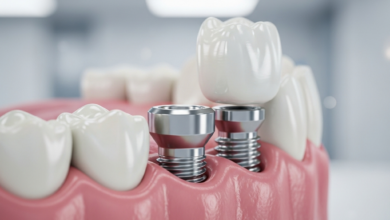
- Implant Placement Surgery: The surgical insertion of the titanium posts into the jawbone.
- Healing Period (Osseointegration): A crucial phase, usually lasting several months, during which the implant fuses with the jawbone.
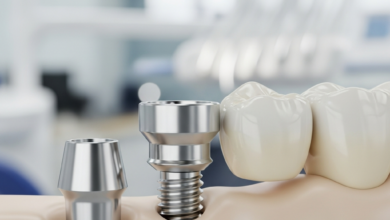
- Abutment Placement: A small connector post is attached to the implant.
- Crown/Prosthetic Attachment: The final custom-made crown, bridge, or denture is securely affixed to the abutment, completing your smile.
The duration of each stage can vary depending on individual healing capabilities and the complexity of the case. Financial considerations will also be discussed transparently. This includes a detailed breakdown of the costs involved for each phase of treatment, potential payment plans, and information regarding any insurance coverage you may have.
Empowering Your Decision: Questions to Ask Your Dental Professional
The consultation is a two-way street; it’s an opportunity for you to gather all the information you need to make an informed decision. Preparing a list of questions beforehand can ensure all your concerns are addressed.
Essential Inquiries for a Comprehensive Understanding
Consider asking your dental professional the following questions during your dental implant consultation:
- What are your qualifications and experience specifically with dental implant procedures?
- What is your estimated success rate for dental implants?
- What are the specific steps involved in my treatment plan, and how long will each phase take?
- What type of anesthesia or sedation options are available?
- What are the potential risks and complications associated with dental implant surgery, and how are they managed?
- What is the expected recovery period, and what post-operative care will be required?
- What are the long-term maintenance requirements for dental implants?
- Are there any alternative treatment options I should consider?
- What is the total cost of the treatment, and what financing options are available?
- How will my new teeth look and feel?

Asking these questions empowers you to gain a thorough understanding of the process and feel confident in your decision. Dental implants represent a significant investment in your oral health and quality of life, offering a durable and aesthetically pleasing solution for tooth loss. Understanding the nuances of dental implant therapy, including its benefits and considerations, is vital for long-term satisfaction. For general information about dental implants, you can refer to authoritative sources such as Wikipedia’s entry on Dental Implants.
A comprehensive dental implant consultation is a vital, informative, and reassuring step towards achieving a fully functional and beautiful smile. It is the phase where your individual needs meet expert assessment, leading to a personalized roadmap for your oral reconstruction. By engaging openly with your dental professional and understanding each aspect of the proposed treatment, you set the stage for a successful and transformative dental implant experience. Taking this crucial first step ensures that your journey to a restored smile is built on a foundation of knowledge, care, and confidence.