Top Dental Implant Myths Debunked
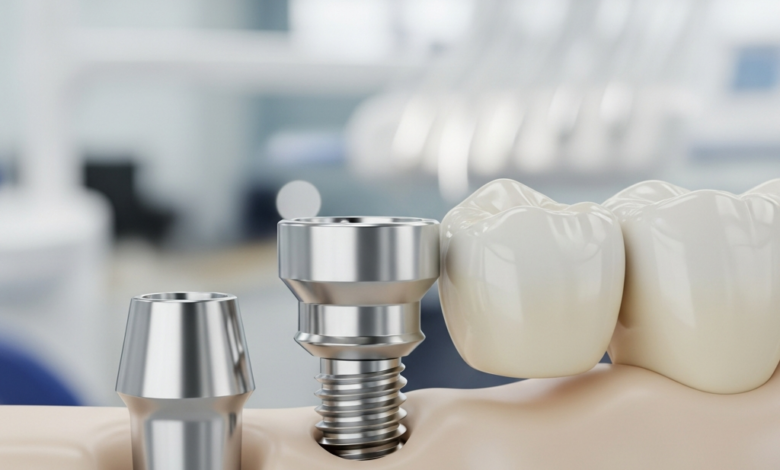
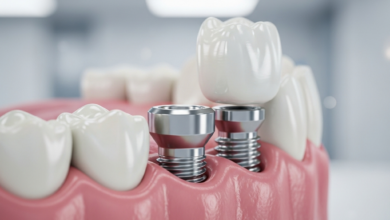
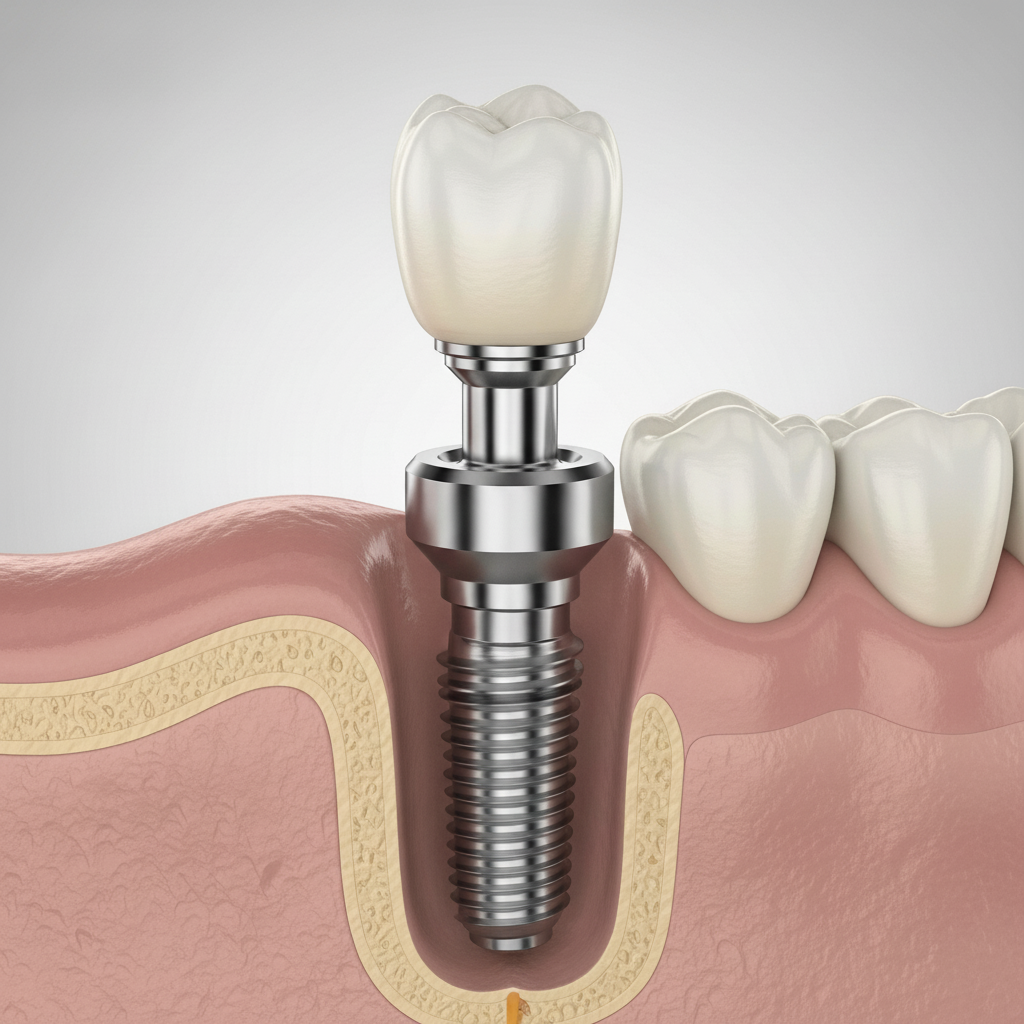
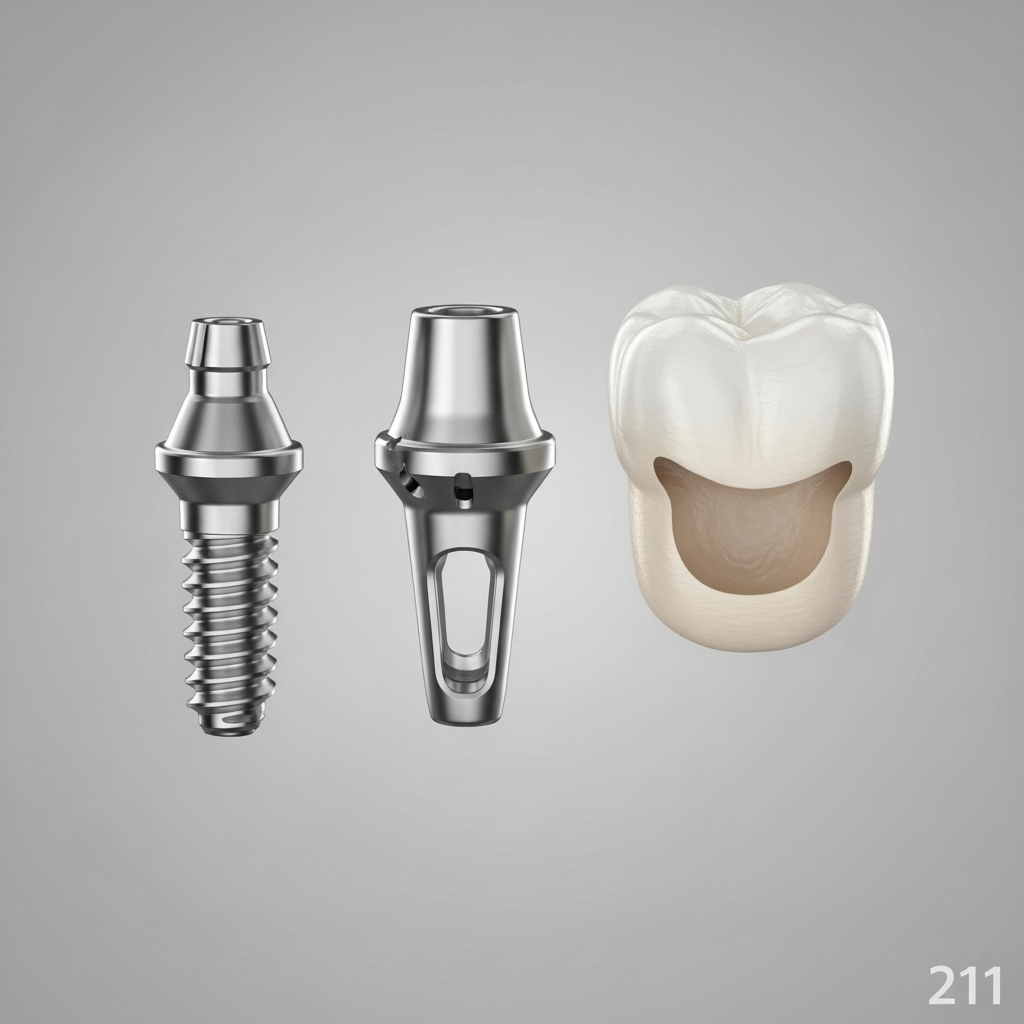
Before addressing the myths, it is crucial to understand what a dental implant is and how it works. A dental implant is not just a fake tooth; it is a complete prosthetic system designed to replicate the structure and function of a natural tooth root and crown. This system is composed of three primary components that work in harmony to provide a stable and lasting solution.
Top Dental Implant Myths Debunked by leading dental professionals who understand the concerns and questions patients have. Dental implants represent the pinnacle of modern tooth replacement technology, offering a permanent, functional, and aesthetically pleasing solution for missing teeth. However, a significant amount of misinformation and outdated beliefs often prevent individuals from exploring this life-changing treatment. These myths can create unnecessary fear and apprehension, obscuring the remarkable benefits and high success rates associated with the procedure. Understanding the truth is the first step toward reclaiming your smile and confidence. This guide will systematically dismantle the most common misconceptions, providing clear, evidence-based information to empower you in your dental health journey.
Understanding the Foundation: What is a Dental Implant?
First is the implant post itself. This is a small, screw-like component typically crafted from biocompatible titanium. Titanium is used because of its unique and proven ability to fuse directly with living bone tissue in a process known as osseointegration. This post is surgically placed into the jawbone where the original tooth root was located, serving as a new, artificial root. This fusion is the cornerstone of an implant’s strength and stability, providing a foundation that is unmatched by any other tooth replacement option.
The second component is the abutment. Once osseointegration is complete and the implant is firmly anchored in the jawbone, the abutment is attached to the top of the implant post. It acts as a connector, protruding just above the gum line to provide a secure point of attachment for the final restoration. The abutment effectively bridges the gap between the submerged implant and the visible tooth.
Finally, there is the crown. This is the part of the system that looks and functions like a natural tooth. Each crown is custom-fabricated in a dental laboratory to match the precise colour, shape, and size of your surrounding natural teeth. It is made from high-quality materials like ceramic or porcelain, ensuring it is both durable and aesthetically seamless. Once attached to the abutment, the crown completes the restoration, leaving you with a tooth that is virtually indistinguishable from your own.
Common Dental Implant Myths and the Truth Behind Them
Misconceptions about dental implants can range from fears about pain to concerns about cost and appearance. It is time to separate fact from fiction and present the reality of this advanced dental procedure. By examining the evidence and understanding the modern techniques used, patients can make informed decisions based on accurate information.
Myth 1: Dental Implant Surgery is Extremely Painful
One of the most pervasive myths is that the implant placement procedure is agonizing. The reality is that modern dentistry has made the process remarkably comfortable. The surgery is performed under local anaesthesia, which completely numbs the treatment area, ensuring you feel no pain during the placement of the implant post. Patients typically report feeling only minor pressure or vibrations, but no sharp pain. For those with significant dental anxiety, sedation options are often available to promote a state of deep relaxation.
Post-operative discomfort is also much less severe than people imagine. Most patients describe the sensation as similar to that of a simple tooth extraction. This discomfort is generally manageable with over-the-counter pain relievers like ibuprofen or acetaminophen and typically subsides within a few days. Following post-operative care instructions, such as using ice packs to reduce swelling and eating soft foods, is key to a smooth and comfortable recovery.
Myth 2: Dental Implants Look Fake and Unnatural
This concern often stems from outdated dental restorations. Today’s dental implants provide the most natural-looking tooth replacement available. The key is in the customisation and the design. The final crown is meticulously crafted to blend in seamlessly with your existing teeth. Dental professionals take great care in matching the shade, translucency, and shape of the crown to your unique smile. Furthermore, because the implant emerges from the gum tissue just like a natural tooth, it avoids the unnatural appearance of some dental bridges that sit on top of the gums. The result is a restoration that is so lifelike, even you might forget which tooth is the implant.
Myth 3: Dental Implants are Prohibitively Expensive
While the initial upfront cost of a dental implant can be higher than other options like dentures or bridges, it is crucial to view it as a long-term investment in your health and quality of life. Unlike other solutions, dental implants are designed to be a permanent fixture. A well-maintained implant can last a lifetime, eliminating the need for future replacements. In contrast, dental bridges may need to be replaced every 10-15 years, and dentures often require frequent adjustments and eventual replacement. When you factor in these recurring costs, the lifetime value of a dental implant often proves to be more cost-effective. It’s also important to understand the full scope of what you are investing in, including the potential dental implant risks and how a professional team mitigates them.
Myth 4: Dental Implants Frequently Fail
This is demonstrably false. Dental implants have one of the highest success rates of any medical or dental procedure. Numerous long-term studies have shown success rates consistently above 95%, with many reaching as high as 98%. The foundation of this success lies in the process of osseointegration, the natural fusion of the titanium implant with the jawbone. According to extensive research documented by institutions like the National Center for Biotechnology Information, the predictability of osseointegration makes implants a reliable treatment. A comprehensive study on the topic confirms that with proper surgical technique and patient maintenance, the long-term survival of implants is exceptionally high. The primary factors for success are a thorough initial evaluation, precise surgical placement by a skilled clinician, and diligent at-home oral hygiene by the patient.
Myth vs. Reality: A Quick Comparison
To further clarify the truths about dental implants, here is a straightforward comparison of common myths and the corresponding realities of the treatment.
| Myth | The Reality |
|---|---|
| “Implants require a lot of special, complicated maintenance.” | They are cared for exactly like natural teeth: brushing twice a day, flossing daily, and attending regular dental check-ups and cleanings is all that is required. |
| “I am too old to get dental implants.” | Overall health is the determining factor, not age. Many patients in their 80s and 90s have successfully received dental implants. As long as you are healthy enough for a routine dental procedure, you can be a candidate. |
| “The recovery process takes forever and is very disruptive.” | Initial recovery is quick. Most patients return to normal activities within a day or two. While the full bone fusion (osseointegration) takes several months, this is a quiet, background process that does not disrupt daily life. |
| “The titanium implant can be rejected by the body.” | Titanium is highly biocompatible and not “rejected.” A true implant failure is rare and is typically caused by factors like infection or poor healing, not an allergic reaction to the material. |
| “You can’t eat certain foods with dental implants.” | Implants restore full chewing power. Once fully healed, you can eat all the foods you love—including steaks, apples, and nuts—without the worry and instability associated with dentures. |
The Lasting Benefits of Choosing Dental Implants
Beyond simply filling a gap, dental implants provide profound benefits that positively impact your overall health and well-being. They are the only tooth replacement solution that actively preserves the structure of your jaw.
Preserving Jawbone Health
When a tooth is lost, the section of the jawbone that once supported its root no longer receives the necessary stimulation from chewing forces. This leads to a process called bone resorption, where the bone begins to shrink and deteriorate. Over time, this bone loss can alter the shape of your face, leading to a sunken or aged appearance. Dental implants are unique because the titanium post acts as an artificial tooth root, transferring chewing forces to the jawbone and providing the stimulation needed to maintain its density and volume. This helps preserve your facial structure and prevents the chain reaction of oral health problems associated with bone loss. The long-term success of this process has been extensively documented in clinical studies, such as those found on PubMed Central, which highlight the bone-preserving capabilities of osseointegrated implants.
Restoring Full Dental Functionality
Implants restore your ability to eat, speak, and smile with complete confidence. Unlike removable dentures, which can slip or click and may limit your diet, implants are anchored securely in your jaw. They provide a bite force that is equivalent to that of natural teeth, allowing you to enjoy a full and varied diet without restriction. This not only enhances your quality of life but also improves your nutrition, as you can properly chew healthy, fibrous foods. Your speech may also improve, as there is no prosthetic moving around in your mouth to cause slurring or mumbling.