Dental Implant for Missing Front Teeth
Dental Implant for Missing Front Teeth is more than a cosmetic issue; it’s a matter of confidence, function, and long-term oral health. A gap in your smile, especially in the highly visible anterior region, can impact how you speak, eat, and interact with the world. While traditional solutions like bridges or partial dentures exist, the dental implant has emerged as the gold standard for replacing a single missing tooth, offering a solution that is virtually indistinguishable from the real thing in both form and function. This comprehensive guide explores every facet of receiving a dental implant for a front tooth, from the underlying science to the aesthetic considerations that make it the superior choice.
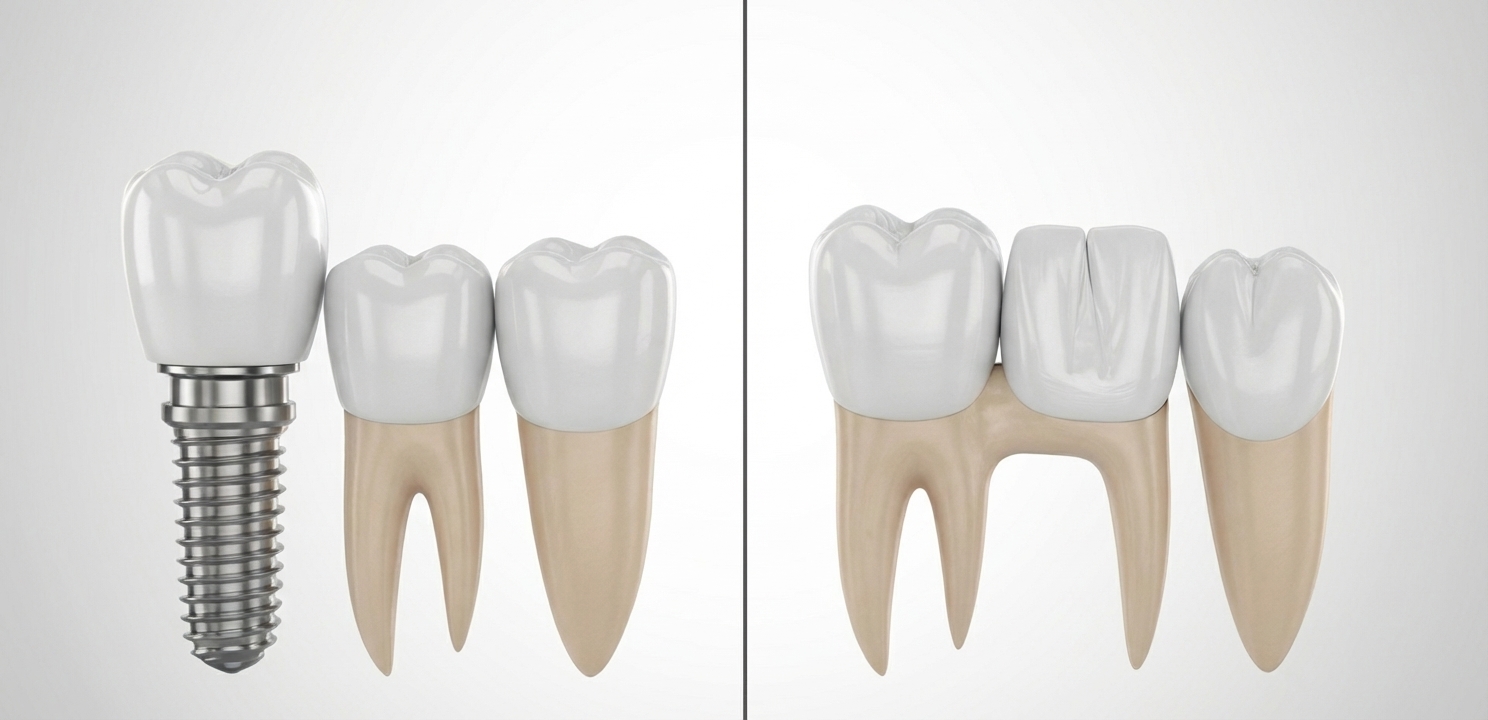
Why a Dental Implant is the Premier Choice for a Missing Front Tooth
When a front tooth is lost due to trauma, decay, or congenital absence, the decision on how to replace it is critical. The front teeth, or incisors, are not just for smiling; they are essential for tearing food and articulating certain sounds. A dental implant addresses all these needs without compromising the health of surrounding teeth. Its superiority lies in its design, which mimics the natural anatomy of a tooth from root to crown.
Unmatched Aesthetics and Natural Appearance
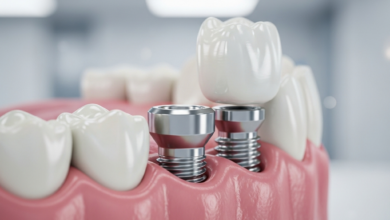
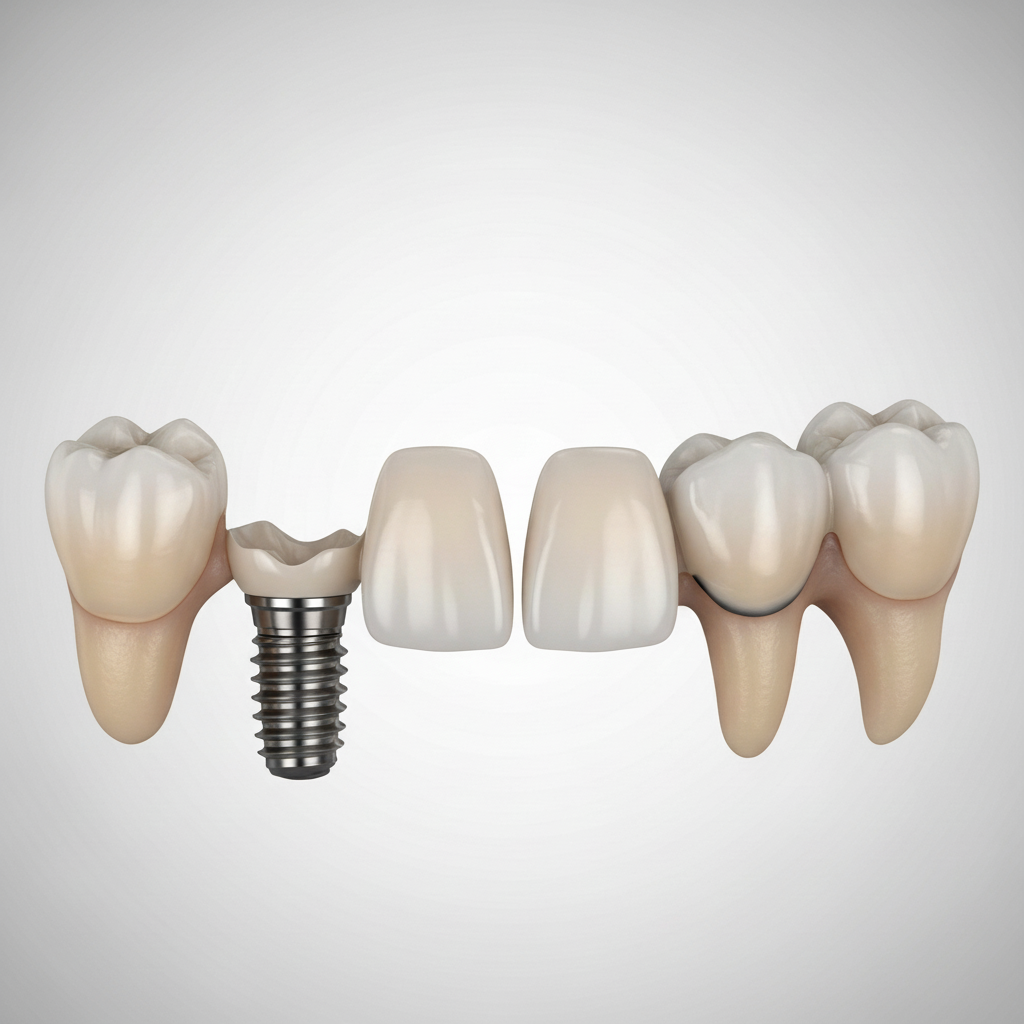
The primary concern for any patient with a missing front tooth is aesthetics. A dental implant excels in this area because the procedure is designed to rebuild the tooth from the jawbone up. The process involves surgically placing a titanium or zirconia post into the jawbone, which acts as a new root. Once this root has fused with the bone, a custom-crafted crown is attached. This crown is meticulously designed to match the color, shape, and translucency of your adjacent natural teeth. Skilled dental technicians can replicate the subtle textures and gradients of a real tooth, making the final restoration blend seamlessly into your smile. The result is so natural that it is often impossible for others to tell you have a replacement tooth.
Preserving Jawbone Health and Facial Structure
Perhaps the most significant long-term benefit of a dental implant is its ability to preserve the jawbone. When a tooth is lost, the section of the jawbone that once supported its root no longer receives the stimulation needed to maintain its density. Over time, this leads to bone resorption, or shrinkage. This bone loss can alter the structure of your face, leading to a sunken appearance and affecting the stability of neighboring teeth. A dental implant, by integrating directly with the bone in a process called osseointegration, provides the necessary stimulation to keep the jawbone strong and healthy. It is the only tooth replacement option that actively prevents bone loss, safeguarding your facial aesthetics and overall oral health for years to come.
Protecting Adjacent Teeth
A traditional dental bridge, another common option for a single missing tooth, requires the dentist to grind down the healthy teeth on either side of the gap to serve as anchors for the bridge. This process permanently removes healthy tooth enamel and makes these abutment teeth more susceptible to future decay and nerve issues. A dental implant is a standalone solution. It is placed directly into the site of the missing tooth without affecting or relying on any of the surrounding teeth. This conservative approach preserves the integrity of your healthy, natural dentition, which is always the primary goal in modern dentistry.
The Step-by-Step Process: Receiving Your Dental Implant
The journey to a new front tooth with a dental implant is a multi-stage process that requires precision, expertise, and patience. Each step is carefully planned to ensure the best possible outcome in terms of both function and aesthetics. While timelines can vary, the fundamental stages remain consistent.
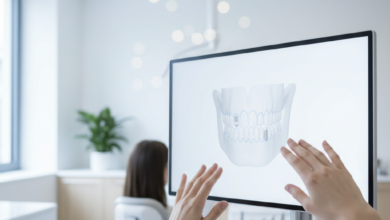
- Initial Consultation and Comprehensive Planning: The process begins with a thorough examination, including 3D imaging like a Cone Beam Computed Tomography (CBCT) scan. This advanced imaging provides a detailed view of your jawbone density, nerve pathways, and the exact anatomical landscape. This data is crucial for planning the precise angle, depth, and size of the implant for optimal stability and a natural-looking result.
- Implant Placement Surgery: This is a minor surgical procedure typically performed under local anesthesia. The dentist or oral surgeon creates a small incision in the gum tissue to access the jawbone. A specialized channel is then prepared in the bone, and the titanium implant post is carefully placed. The gum tissue is then sutured closed over the implant.
- Osseointegration and Healing: This is the most critical phase. Over the next three to six months, the jawbone will naturally grow around and fuse with the implant post. This biological bonding process, osseointegration, is what gives the implant its incredible strength and stability. During this time, a temporary, non-functional tooth (a flipper or temporary partial denture) may be worn for aesthetic purposes.
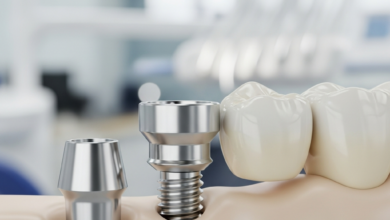
- Abutment Placement: Once osseointegration is complete, a minor second procedure is performed. The gum is reopened to expose the top of the implant, and a connector piece called an abutment is attached. The abutment serves as the anchor point that will hold the final crown. The gum tissue is allowed to heal around the abutment for a couple of weeks to form a natural-looking collar.
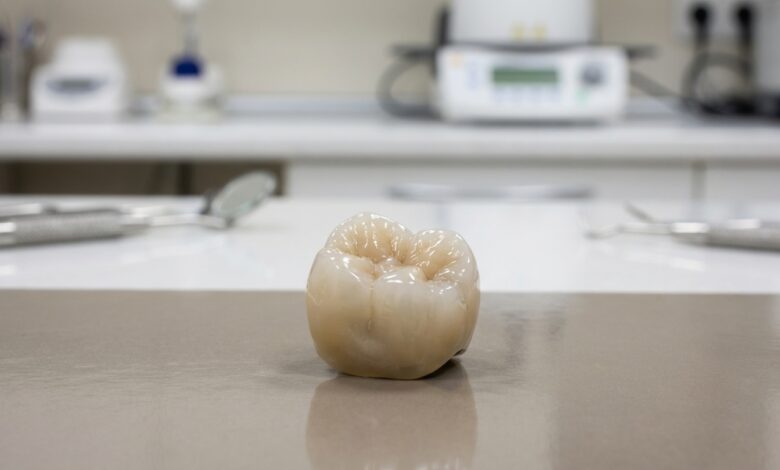
- Final Crown Restoration: After the gums have healed, impressions of your mouth, abutment, and surrounding teeth are taken. These impressions are sent to a dental laboratory where your final porcelain crown is custom-fabricated. During the final appointment, this permanent crown is checked for fit and color match before being securely attached to the abutment, completing your new, fully functional tooth.
Comparing Your Options: Implant vs. Traditional Bridge
Understanding the key differences between a dental implant and a fixed bridge is essential for making an informed decision. While both can fill a gap, their long-term impact on your oral health is vastly different. The following table highlights the most important distinctions for replacing a single front tooth.
| Feature | Dental Implant | Traditional Dental Bridge |
|---|---|---|
| Jawbone Preservation | Stimulates and preserves bone, preventing resorption. | Does not stimulate the bone; bone loss occurs under the pontic (false tooth). |
| Impact on Adjacent Teeth | Standalone solution; does not affect neighboring teeth. | Requires grinding down and capping two healthy adjacent teeth. |
| Longevity and Durability | With proper care, can last a lifetime. High success rates are well-documented. | Average lifespan is 10-15 years before replacement may be needed. |
| Aesthetics | Emerges from the gum line like a natural tooth, providing superior aesthetics. | Can look good, but may show a dark line at the gum over time and lacks the natural emergence profile. |
| Maintenance and Hygiene | Cleaned just like a natural tooth with regular brushing and flossing. | Requires special tools like floss threaders to clean underneath the pontic, making it more difficult. |
| Long-Term Cost | Higher initial investment but often more cost-effective over a lifetime due to durability. | Lower initial cost but may require replacement, increasing the total long-term cost. |
Key Considerations for Anterior Implants
Placing an implant in the esthetic zone (the front of the mouth) requires an extra layer of artistry and technical skill. The final outcome must be perfect not only functionally but also visually. Several factors are critical for success.
The Role of Gum Tissue and Soft Tissue Management
The appearance of the gum tissue around the implant is just as important as the crown itself. A skilled surgeon will carefully manage the soft tissue to create a natural-looking gum line that scallops around the implant crown just as it would a natural tooth. In some cases, a minor gum graft may be necessary to ensure there is enough healthy, thick tissue to support the implant and achieve an ideal aesthetic result.
Immediate vs. Delayed Placement Options
Technology and techniques have advanced significantly. In certain ideal cases, a procedure known as an immediate or same-day dental implants explained can be performed. This involves extracting the failing tooth and placing the implant post in the same appointment. This can shorten the overall treatment time and reduce the number of surgeries. However, this is not suitable for all patients and depends heavily on having sufficient bone quality and no active infection at the site.
Material Choices for a Natural Look
While titanium is the most common implant material due to its proven biocompatibility and strength, zirconia is another excellent option, particularly for the front of the mouth. Zirconia is a tooth-colored ceramic material, so there is no risk of a dark metal color showing through thin gum tissue. The abutment and crown are also typically made from ceramic materials like E-max or Zirconia to maximize translucency and achieve the most lifelike appearance.
The success and longevity of dental implants are extensively supported by scientific research. Studies consistently show high survival rates, especially for single-tooth replacements in the esthetic zone. As documented in a long-term retrospective study published by the National Center for Biotechnology Information, single-tooth implants demonstrate excellent clinical outcomes and patient satisfaction over many years. Choosing an implant is not just a cosmetic fix; it is a long-term investment in a stable, healthy, and beautiful smile.