When Can You Eat After Dental Implants
When Can You Eat After Dental Implants is one of the most critical questions patients have following their procedure. The answer is not just about satisfying hunger; it’s about safeguarding your investment and ensuring the long-term success of the implant. The days and weeks following dental implant surgery are a delicate period where the implant begins to integrate with your jawbone. The foods you consume play a direct role in protecting the surgical site from irritation, preventing infection, and providing your body with the necessary nutrients to heal effectively. Adhering to a carefully planned dietary progression is fundamental to a smooth and successful recovery.

The Immediate Post-Surgery Phase: The First 48 Hours
The first 24 to 48 hours after your dental implant surgery are the most crucial for initial healing. During this time, your primary goal is to protect the surgical area, particularly the blood clot that forms, which is essential for the healing process. Any pressure, suction, or hard food particles can dislodge this clot, leading to a painful condition known as a dry socket and potentially compromising the implant. Therefore, your diet must be restricted to cool or lukewarm liquids.
What to Consume Immediately After Surgery
Your focus should be on hydration and nutrition without requiring any chewing. It is vital to avoid using a straw, as the suction motion can disrupt the healing site. Instead, drink directly from a glass or use a spoon.
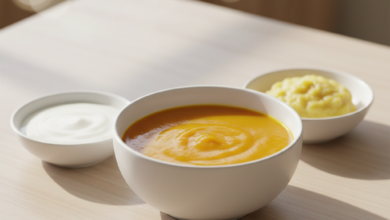
- Cool Broths and Soups: Nutrient-rich bone broth or smooth, pureed soups (like tomato or butternut squash) served lukewarm are ideal. Avoid hot temperatures, which can increase swelling and bleeding.
- Smoothies and Shakes: Meal replacement shakes or fruit smoothies can provide essential vitamins and calories. Ensure they are completely smooth, with no seeds, nuts, or small fruit chunks that could get lodged in the surgical site. Avoid acidic fruits like oranges or pineapple initially, as they can cause irritation.
- Yogurt and Milk: Plain, smooth yogurt and milk are excellent sources of calcium and protein. They are gentle on the stomach and require no chewing.
- Applesauce and Puddings: Smooth, soft foods like applesauce, custard, and pudding can provide energy and are easy to consume.
Key Considerations for the First Two Days
During this initial phase, the priority is to minimize all forms of oral activity. Do not swish liquids vigorously. Let them gently flow over the area. It is also important to consume enough calories and fluids to support your body’s healing mechanisms. Dehydration or poor nutrition can slow down recovery and make you feel weak.
Transitioning to Soft Foods: The First Two Weeks
After the first couple of days, and with your surgeon’s approval, you can begin to slowly introduce soft foods into your diet. The key is to select items that require minimal to no chewing. Your gums will still be tender, and the implant is in the early stages of osseointegration, the process where it fuses with the jawbone. Putting any significant pressure on the implant at this stage could interfere with this critical process.
Safe and Nutritious Soft Food Options
As you move into this phase, you can expand your menu, which can be a significant morale booster. Variety in your diet will also ensure you are getting a broader range of nutrients to support tissue and bone repair.
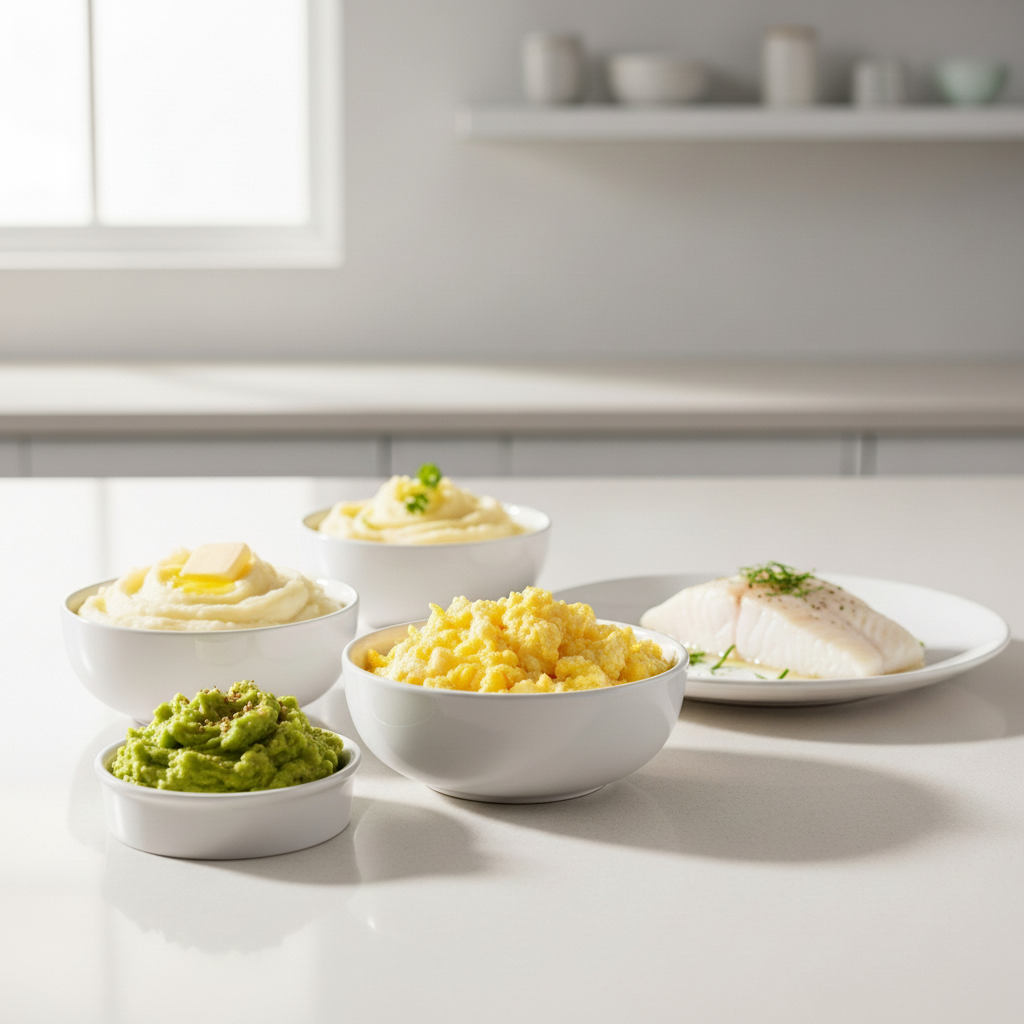
- Scrambled Eggs: Soft, fluffy, and packed with protein, scrambled eggs are an excellent choice for a gentle and satisfying meal.
- Mashed Potatoes: A classic comfort food, mashed potatoes are easy to eat. You can enrich them with milk, butter, or gravy for extra calories.
- Oatmeal and Porridge: Well-cooked oatmeal or other soft cereals are great for breakfast. Ensure they are not too hot before eating.
- Soft Fish: Flaky fish like cod or tilapia, when steamed or baked, can be easily broken apart with a fork and require very little chewing.
- Avocado: Mashed avocado is a fantastic source of healthy fats and nutrients.
- Cottage Cheese and Soft Cheeses: These provide calcium and protein and are very easy to consume.
At this stage, you must continue to avoid certain types of food. Anything hard (nuts, hard candy), crunchy (chips, popcorn), chewy (caramels, steak), spicy, or extremely hot can cause pain and disrupt the healing site.
Your Dietary Timeline: When Can You Eat After Dental Implants?
Understanding the progression of your diet is key to a worry-free recovery. While individual healing rates vary, and your dentist’s instructions are paramount, a general timeline can help you plan your meals and set expectations. The following table provides a structured breakdown of what to eat and what to avoid as you heal.
| Timeframe | Recommended Foods | Foods to Strictly Avoid | Primary Goal & Rationale |
|---|---|---|---|
| Day 1-3 | Cool liquids only: water, milk, clear broths, seedless smoothies, meal replacement shakes, Jell-O. | Hot liquids, alcohol, straws, solid foods of any kind, crunchy or hard items. | Protect the blood clot, minimize swelling, and prevent irritation to the fresh surgical wound. |
| Day 4 – Week 2 | Soft, non-chew foods: mashed potatoes, yogurt, applesauce, scrambled eggs, oatmeal, pureed soups, soft tofu. | Anything requiring chewing: bread, meat, pasta, rice, raw vegetables, fruits with skins or seeds. | Provide nutrition without placing any pressure on the implant site. The implant is not yet stable enough for chewing forces. |
| Week 2 – Week 6 | Slightly firmer soft foods: soft-cooked pasta, well-cooked rice, soft fish, baked sweet potatoes, bananas. | Hard, crunchy, or sticky foods: nuts, seeds, popcorn, hard candy, steak, crusty bread, raw apples. | Gradually reintroduce chewing on the non-surgical side. Allow the implant to continue its undisturbed integration with the jawbone. |
| Week 6 – 3 Months | Most regular foods, but cut into small pieces. Introduce slightly chewier items like tender chicken or well-cooked vegetables. | Extremely hard or tough foods: hard nuts, ice cubes, very tough meats, hard pretzels. | Test the implant’s stability with gradually increasing forces. This phase is crucial for strengthening the bone around the implant. |
| After 3-6 Months | Return to a normal, unrestricted diet once cleared by your dentist. | None, but continue to practice good oral hygiene and common sense (e.g., not chewing on ice). | Osseointegration is complete. The implant is fully fused with the jawbone and can withstand normal chewing forces. |
The Science of Healing: Why Your Diet Is Critical for Osseointegration
The success of a dental implant hinges on a biological process called osseointegration. This is where the titanium surface of the implant post fuses directly with the living bone of your jaw. This remarkable fusion creates the incredibly strong and stable foundation that allows an implant to function just like a natural tooth root. However, this process is delicate and takes time, typically three to six months. According to research on bone regeneration, nutritional intake is a significant factor in successful healing. A study available from the National Center for Biotechnology Information highlights how nutrients like protein, vitamins C and D, and minerals such as calcium are essential for bone formation and tissue repair.
Prematurely introducing hard or chewy foods can create micro-movements in the implant post. Even tiny shifts can disrupt the new bone cells that are trying to grow onto the implant surface, potentially leading to failed osseointegration. By following a soft diet, you are essentially creating a calm, stable environment that allows this vital bone-to-implant connection to form without interruption.
Long-Term Success and Returning to Normal Eating
As you pass the initial weeks and months, your dentist will monitor your healing through check-ups and possibly X-rays to confirm that osseointegration is proceeding as expected. Once they give you the all-clear, you can begin to reintroduce all your favorite foods. The transition should still be gradual. Start by cutting food into smaller pieces and chewing carefully. This gradual reintroduction helps the surrounding tissues and your jaw muscles adapt to the new, stable tooth. The ultimate goal of dental implant treatment is to restore full function, allowing you to eat, speak, and smile with complete confidence. Understanding the full recovery period is essential for managing expectations. For a deeper dive into the complete healing journey, you can explore our detailed guide on how long until dental implants heal. By diligently following post-operative dietary guidelines, you are not just avoiding complications; you are actively contributing to the strength, stability, and long-term success of your new smile.