When Can You Eat After Dental Implants

When Can You Eat After Dental Implants, and what should your diet look like? This is one of the most critical questions patients have following their procedure. The success of a dental implant isn’t just determined by the surgery itself but significantly by the aftercare, with diet playing a starring role. The healing process, known as osseointegration, involves the jawbone fusing directly with the titanium implant. This delicate biological process requires a specific environment to succeed, and the foods you consume can either support or hinder it. Putting excessive pressure on a new implant by eating hard, crunchy, or chewy foods too soon can lead to micromovements, inflammation, and even implant failure. Therefore, adhering to a structured dietary plan is not merely a suggestion; it is an essential component of your recovery protocol. This guide will provide a comprehensive timeline and detailed food recommendations to ensure your dental implants heal perfectly, setting the stage for a lifetime of confident smiles and unrestricted eating.

The Critical First 48 Hours: A Liquid-Only Diet
The immediate aftermath of your dental implant surgery is the most sensitive period. Your gums and jaw will be tender, swollen, and actively beginning the healing process. During this initial 24 to 48-hour window, the primary goal is to protect the surgical site from any form of irritation or pressure. This is why a strict liquid-only diet is non-negotiable. Chewing is completely off-limits as it can dislodge the crucial blood clot forming at the site, leading to a painful condition known as a dry socket, or cause bleeding and damage to the sutures.
Your focus should be on nutrient-rich, cool, or lukewarm liquids. Avoid anything hot, as high temperatures can increase swelling and discomfort. Also, steer clear of using a straw. The suction created by a straw can dislodge the blood clot, creating a significant setback in your healing. Instead, sip directly from a glass.
Acceptable Liquids for the First Two Days:
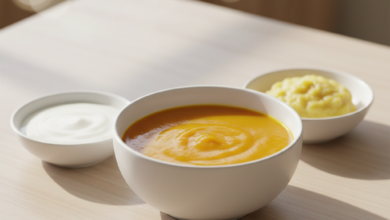
- Cool Broths and Soups: Bone broth or smooth vegetable soups are excellent choices. They are packed with nutrients that support healing but ensure they are served lukewarm, not hot.
- Smoothies: A well-blended smoothie can be a complete meal. Use soft fruits like bananas and avocados, and add protein powder or yogurt for substance. Critically, you must avoid fruits with small seeds like strawberries, raspberries, or kiwi, as these tiny seeds can get lodged in the surgical site and cause infection.
- Meal Replacement Shakes: Shakes from brands like Ensure or Boost provide balanced nutrition without requiring any chewing.
- Yogurt and Kefir: Plain, drinkable yogurts or kefir are good sources of protein and probiotics. Avoid varieties with fruit chunks or granola.
- Juices: Diluted fruit and vegetable juices (without pulp) can help you stay hydrated and provide essential vitamins.
Transitioning to Soft Foods: The First Two Weeks
After the initial 48-hour liquid phase, you can begin to gradually introduce soft foods into your diet. The key principle during this stage (from day 3 to approximately day 14) is “no-chew” or “minimal-chew.” You should still be avoiding the implant site entirely and using the other side of your mouth for any gentle chewing. The goal is to consume foods that are easily mashed with a fork or your tongue, requiring little to no effort from your jaw.
This phase is vital because while the initial swelling has subsided, the underlying process of osseointegration is just beginning. Your implant is not yet stable enough to withstand significant biting forces. Sticking to a soft food diet minimizes stress on the implant and the surrounding tissues, promoting a smooth and uninterrupted healing journey. For a deeper understanding of the complete recovery journey, it’s helpful to know how long until dental implants heal fully.
Recommended Soft Foods:
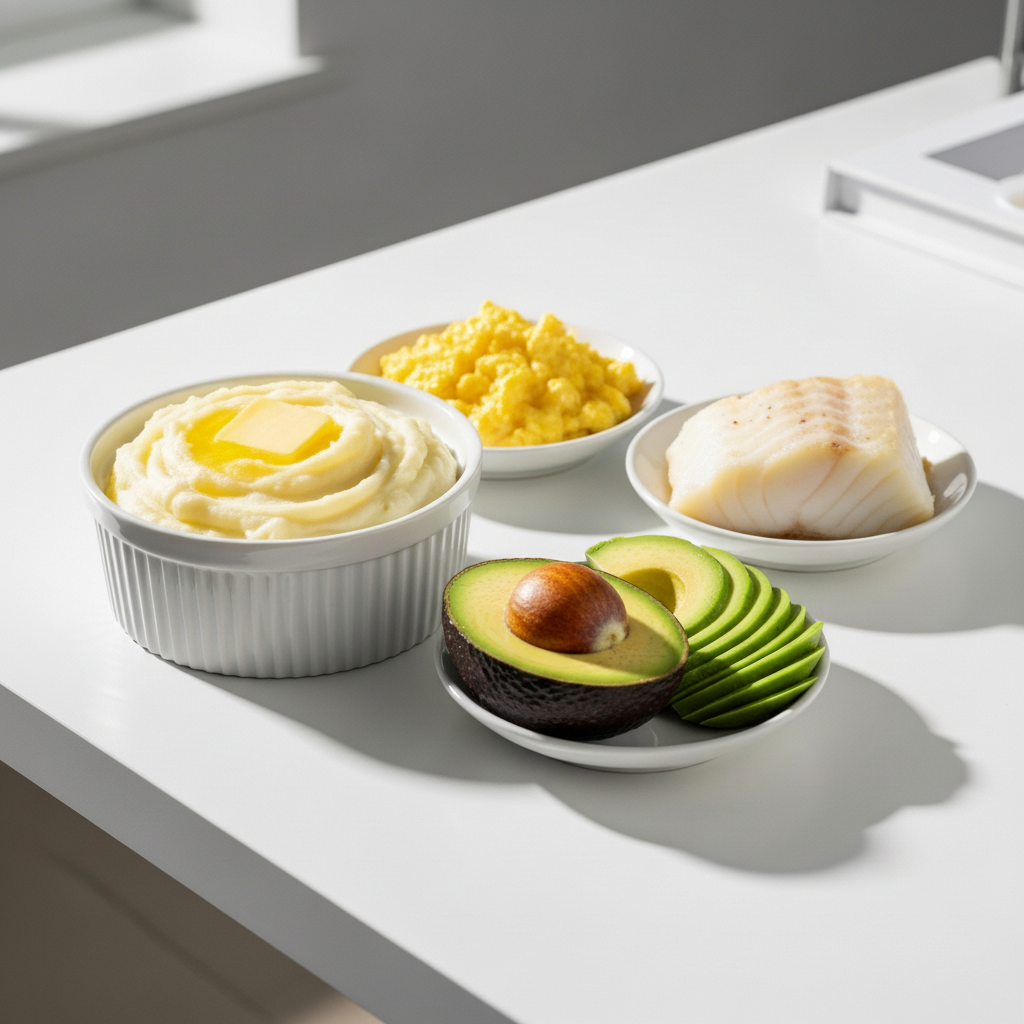
- Eggs: Scrambled, poached, or soft-boiled eggs are a fantastic source of protein.
- Mashed Potatoes: A classic comfort food that is perfect for this stage. You can also try mashed sweet potatoes or cauliflower.
- Soft Fish: Flaky fish like cod or tilapia, when steamed or baked, can be easily broken apart with a fork.
- Applesauce and Puddings: These are great for a soft, sweet treat.
- Avocado: Naturally soft and full of healthy fats, avocado is an excellent addition to your recovery diet.
- Cottage Cheese and Ricotta: These soft cheeses are high in protein and calcium.
*Oatmeal and Porridge: Well-cooked oatmeal, cream of wheat, or other soft porridges are easy to eat and filling.
Timeline for What You Can Eat After Dental Implants
Navigating your diet after implant surgery can be simplified by following a clear timeline. This structured approach helps you reintroduce different food textures at a pace that aligns with your body’s healing stages, ensuring the long-term stability and success of your new implant.
| Timeline | Recommended Foods | Foods and Habits to Strictly Avoid |
|---|---|---|
| First 24-48 Hours | Strictly liquids. Cool broths, seedless smoothies, meal replacement shakes, yogurt drinks, lukewarm soups. | ALL solid foods. Hot liquids, alcohol, caffeine. Using straws. Smoking. |
| Day 3 to Week 2 | Very soft, “no-chew” foods. Mashed potatoes, scrambled eggs, oatmeal, applesauce, pudding, soft flaky fish, well-cooked pasta. | Crunchy foods (chips, nuts), hard foods (raw carrots, apples), sticky foods (caramel, taffy), spicy foods, small seeds and grains (popcorn, sesame seeds). |
| Week 2 to Week 8 | Soft-chew foods. Introduce foods requiring gentle chewing away from the implant site. Soft-cooked chicken or meatloaf, soft bread, bananas, steamed vegetables. | Hard breads, steak, burgers, pizza crust, nuts, tough or chewy meats. Biting directly on the implant site. |
| After Osseointegration (Typically 3-6 Months) | Gradual return to a normal diet as advised by your dentist. You can start reintroducing harder, chewier foods slowly. | Extremely hard items like chewing ice, hard candy, or using teeth as tools to open packages. These habits can damage both implants and natural teeth. |
The Science of Healing: Why Diet is Crucial for Osseointegration
The success of a dental implant hinges on a remarkable biological process called osseointegration. This is the direct structural and functional connection between living bone and the surface of a load-bearing artificial implant. For dental implants, this means your jawbone must grow into and fuse with the microscopic irregularities on the surface of the titanium post, creating an incredibly strong and stable foundation for your new tooth. According to a study published in the National Library of Medicine, the stability of the implant during the initial healing phase is a paramount factor for achieving successful osseointegration.
Any micromovement of the implant post during this critical phase can disrupt the process. When you chew hard or tough foods too soon, the force is transferred to the implant. Since it is not yet fused to the bone, the implant can shift slightly—by as little as 50 to 150 micrometers. This tiny movement is enough to prevent bone cells from attaching to the implant surface. Instead of forming a solid bond with bone, the body may form a soft, fibrous tissue capsule around the implant, which is a primary cause of implant failure. Your post-operative diet is your primary tool for preventing these harmful micromovements and giving your body the best possible chance to create a solid, lasting bond with the implant.
Long-Term Dietary Habits for Implant Longevity
Once osseointegration is complete and your final crown is placed, your dental implant will look, feel, and function just like a natural tooth. You will be able to enjoy the vast majority of your favorite foods without restriction, from crisp apples to a well-cooked steak. This restoration of function is one of the greatest benefits of dental implants. However, it is wise to adopt a few mindful habits to protect your investment for a lifetime.
While the implant itself is made of durable titanium and the crown of high-strength ceramic or zirconia, they are not indestructible. Avoid extremely hard activities like chewing on ice cubes, hard candy, or popcorn kernels. Furthermore, never use your teeth—natural or implanted—as tools to open bottles or tear packages. These actions can place extreme, unnatural forces on the crown and the implant, potentially causing fractures or other damage. Maintaining excellent oral hygiene and attending regular dental check-ups, combined with these sensible dietary habits, will ensure your dental implants continue to serve you well for decades to come.