Dental Implant Aftercare Do’s and Don’ts
Dental Implant Aftercare Do’s and Don’ts are a critical component of ensuring your new smile lasts a lifetime. The success of a dental implant procedure does not conclude when you leave the surgeon’s chair; in fact, this is where a crucial new phase begins. Proper care in the hours, days, and weeks following your surgery is paramount to the healing process, specifically osseointegration—the biological fusion of the implant to your jawbone. Think of it as protecting a significant investment in your health and confidence. By adhering to a structured aftercare plan, you minimize the risk of complications, manage discomfort effectively, and create the ideal environment for your body to heal, paving the way for a strong, stable, and permanent tooth replacement.

Understanding the Dental Implant Healing Process
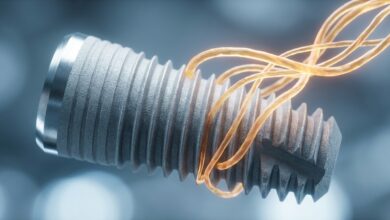
Before diving into the specifics of aftercare, it’s essential to understand what your body is trying to achieve. The core of a successful dental implant is a process called osseointegration. This is a remarkable biological phenomenon where the bone cells in your jaw grow directly onto the surface of the biocompatible titanium implant, effectively making it a part of your own anatomy. This fusion is what gives a dental implant its incredible strength and stability, mimicking the root of a natural tooth.
This process is not instantaneous. It typically takes several months for osseointegration to be fully complete. The initial recovery period—the first few weeks after surgery—is the most delicate time. During this phase, the surgical site is vulnerable to infection, and the implant is not yet stable. Any excessive force, poor hygiene, or disruptive habits can interfere with the initial stages of bone healing, potentially leading to implant failure. Therefore, every aftercare instruction provided by your dental surgeon is designed with one primary goal: to protect the surgical site and facilitate a smooth, uninterrupted osseointegration process.
Immediate Aftercare: The First 24 Hours
The first 24 hours following your dental implant surgery are the most critical for setting the stage for a successful recovery. Your primary focus should be on rest and managing the immediate post-operative effects.
Bleeding and Gauze Management
Some minor bleeding or oozing from the surgical site is normal for the first day. Your clinic will have placed a gauze pack over the area. It’s important to bite down on this pack with firm, steady pressure for at least 30-60 minutes after leaving the clinic. If bleeding persists, you can replace the gauze with a fresh, sterile piece and continue applying pressure. Avoid spitting, rinsing forcefully, or using a straw, as the suction can dislodge the crucial blood clot that is forming to protect the site.
Pain and Swelling Control
Managing discomfort and swelling is key to a more comfortable recovery. It is advisable to take your first dose of prescribed pain medication before the local anesthetic fully wears off. For swelling, which is a normal inflammatory response, apply a cold pack or ice wrapped in a towel to the outside of your cheek near the surgical area. Apply it for 20 minutes on, then 20 minutes off, for the first 24-48 hours. This will help constrict blood vessels and significantly reduce both swelling and bruising.
Diet and Hydration
For the first 24 hours, your diet should consist exclusively of cool liquids and very soft foods. Avoid anything hot, as heat can increase bleeding and swelling. Good options include smoothies (without a straw), yogurt, applesauce, and cool soups. Staying hydrated is important, but again, sip directly from a glass and do not use a straw.
The First Week: Navigating Early Recovery
As you move past the first day, your aftercare routine will evolve. The focus shifts to maintaining oral hygiene without disturbing the healing tissues and gradually reintroducing soft foods. This is a period of active healing where following instructions is vital. For a more granular look at this period, you can find helpful information in a detailed dental implant recovery day-by-day guide.
Essential Dental Implant Aftercare Do’s and Don’ts
To simplify the instructions for this crucial first week, here is a breakdown of the most important guidelines.
| Area of Focus | Do’s | Don’ts |
|---|---|---|
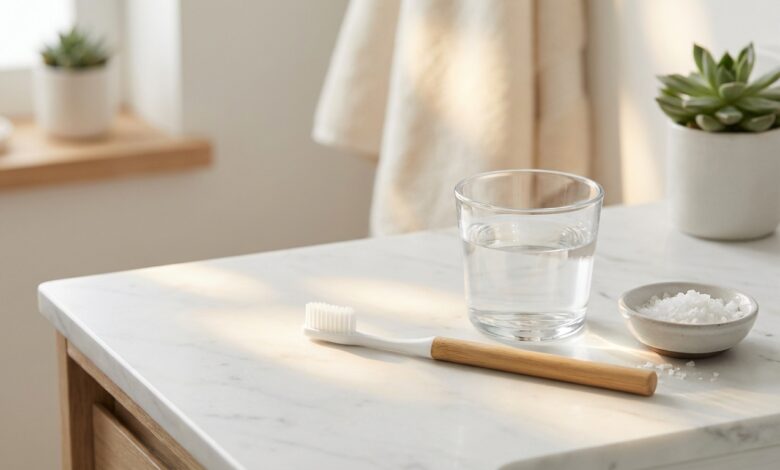
| Oral Hygiene | Begin gentle warm salt water rinses (1/2 tsp salt in a cup of warm water) after 24 hours, 3-4 times a day, especially after meals. Carefully brush your other teeth, avoiding the surgical site completely. | Do not spit forcefully. Let the water fall out of your mouth over the sink. Do not use a water flosser or electric toothbrush near the implant site. Do not use commercial mouthwashes containing alcohol. |
| Diet | Stick to a soft food diet. Scrambled eggs, mashed potatoes, oatmeal, soft pasta, and well-cooked vegetables are excellent choices. Chew on the opposite side of your mouth. | Do not eat hard, crunchy, or sticky foods (e.g., nuts, chips, caramel). Avoid very hot or spicy foods that can irritate the wound. |
| Physical Activity | Rest as much as possible for the first 48-72 hours. Engage in light activity like walking after the first couple of days. | Do not engage in strenuous exercise, heavy lifting, or any activity that increases your heart rate and blood pressure for at least the first week, as this can lead to bleeding and swelling. |
| Medication | Take all prescribed medications, especially antibiotics, exactly as directed for the full course. Manage pain with the recommended painkillers. | Do not stop taking antibiotics early, even if you feel fine. Do not take more pain medication than prescribed. |
| Lifestyle Habits | Get plenty of sleep to aid your body’s natural healing processes. Keep your head elevated with an extra pillow when sleeping to help reduce swelling. | Do not smoke or use tobacco products. Smoking severely restricts blood flow, impairs healing, and is a leading cause of implant failure. Do not consume alcohol for at least one week. |
Long-Term Care for Lasting Implant Success
Once you have navigated the initial healing period, the focus of your dental implant aftercare shifts to long-term maintenance. A dental implant is designed to last a lifetime, but its longevity is directly tied to how well you care for it and the surrounding gum tissue. The success of the procedure is heavily reliant on patient adherence to post-operative instructions, a factor well-documented in clinical studies like this research on post-operative care in implantology.
Proper Cleaning Techniques for Dental Implants
While the implant crown itself cannot decay, the gums around it can become inflamed or infected if plaque is allowed to accumulate. This condition, known as peri-implantitis, is a serious threat to the implant’s stability. To prevent it, you must be diligent with your oral hygiene.
- Brushing: Use a soft-bristled toothbrush to clean around and on top of the implant crown twice a day, just as you would with your natural teeth. Pay special attention to the area where the crown meets the gum line.
- Flossing: Traditional floss can be tricky. Specialized tools like implant floss, interdental brushes (proxy brushes), or a water flosser on a gentle setting are highly effective at cleaning the sides of the implant and beneath the crown.
- Professional Cleanings: Regular check-ups and cleanings with your dentist or hygienist are non-negotiable. They have special instruments designed to clean implants without scratching their surface and can monitor the health of your gums and the underlying bone.
When to Contact Your Dental Surgeon
While a smooth recovery is the goal, it is important to know which signs warrant a call to your dental clinic. Do not hesitate to reach out if you experience any of the following:
- Pain that becomes worse after the first 3-4 days instead of better.
- Bleeding that is heavy, persistent, or restarts after having stopped for a day.
- Swelling that increases after the third day post-surgery.
- A fever or the development of pus or a foul taste from the surgical site, which can indicate an infection.
- A sensation that the implant or the healing cap feels loose.
- Numbness in your lip, chin, or tongue that persists more than 12 hours after surgery.

Your dental team is your partner in this process. Contacting them early with a concern is always the best course of action. Following these aftercare guidelines diligently will protect your investment, ensure proper healing, and help you enjoy the life-changing benefits of your new dental implant for many years to come.