Are Dental Implant Results Permanent
Are Dental Implant Results Permanent? This is one of the most common and important questions patients have when considering this life-changing tooth replacement solution. The simple answer is that while dental implants are designed to be a permanent fixture in your mouth and can last a lifetime, their longevity is not an automatic guarantee. They are best described as a long-term, highly durable solution whose permanence depends heavily on a combination of factors, including the patient’s health, oral hygiene practices, and the skill of the surgeon.

Dental implants represent the pinnacle of modern restorative dentistry. They are the only tooth replacement option that mimics a natural tooth root, integrating directly with the jawbone to provide unparalleled stability and function. This foundational process, known as osseointegration, is the key to their long-term success. Understanding how this process works and what can affect it is crucial to answering the question of their permanence.
The Science Behind Dental Implant Longevity
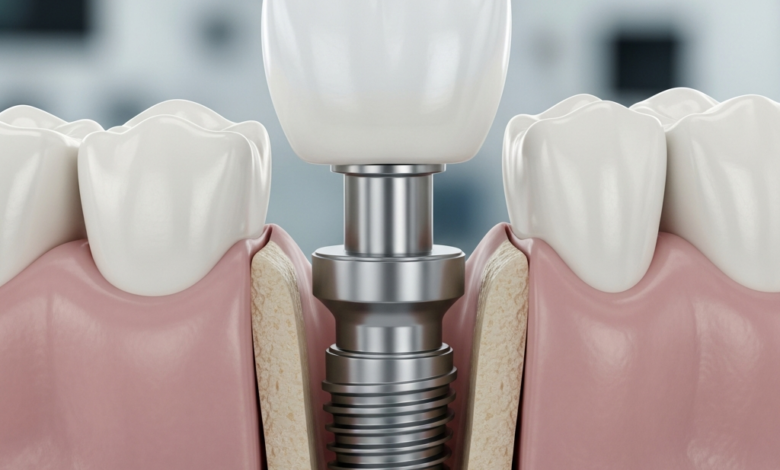
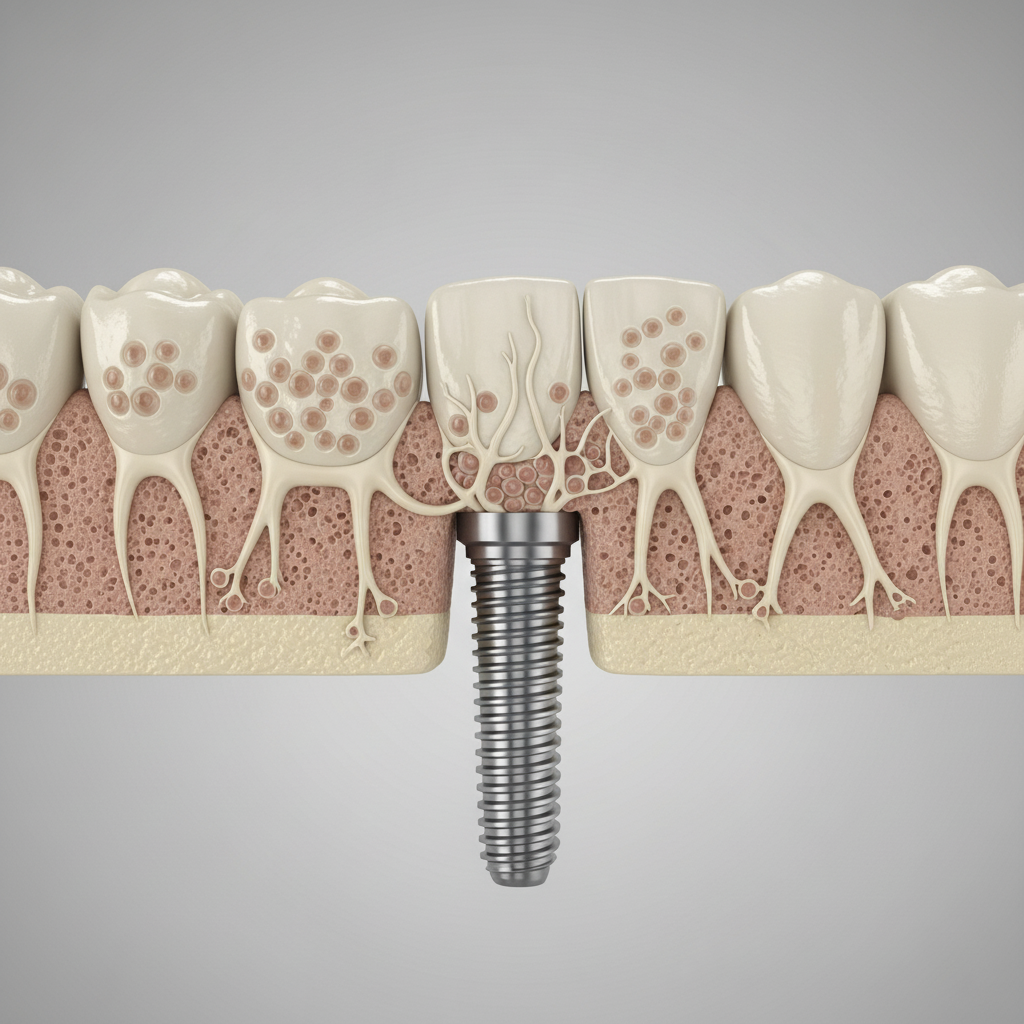
The remarkable success and durability of dental implants are rooted in a biological process called osseointegration. This term literally means “bone integration.” It refers to the direct structural and functional connection between living bone and the surface of a load-bearing artificial implant. When a dental implant, which is typically a small screw made of biocompatible titanium, is placed into the jawbone, an amazing healing process begins.
Titanium is a unique material that the human body does not recognize as a foreign object. Instead of rejecting it, the bone cells are attracted to the implant’s surface. Over a period of three to six months, these bone cells grow onto and fuse with the microscopic irregularities on the titanium surface. This fusion creates an incredibly strong and stable anchor, effectively making the implant a part of the jaw itself. This is why an implant-supported crown feels and functions just like a natural tooth.
The components of the implant system are all designed for durability:
- The Implant Fixture: The titanium screw that is placed in the jawbone. Its design and surface treatment are optimized to promote rapid and strong osseointegration.
- The Abutment: A connector piece that is attached to the top of the implant fixture after it has fully integrated with the bone. It protrudes through the gum line and serves as the attachment point for the final crown.
- The Crown: The visible, tooth-shaped part of the restoration. It is typically made from highly durable materials like zirconia or porcelain-fused-to-metal, designed to withstand the immense forces of biting and chewing for many years.
When all these components are of high quality and the procedure is performed correctly, the foundation for a permanent result is firmly established.
Are Dental Implant Results Permanent? Understanding the Variables
With the science of osseointegration as a foundation, we can more accurately address the question. A successfully integrated dental implant is a permanent part of your jawbone. However, the implant and the crown it supports are still subject to biological and mechanical forces, just like natural teeth. Therefore, their “permanence” is conditional. The implant itself can last a lifetime, but certain conditions can lead to complications or failure.
Long-term studies consistently show exceptionally high success rates for dental implants. Research indicates that implant survival rates are often above 95% over 10 years and can remain very high for 15-20 years and beyond. A study published by the National Center for Biotechnology Information highlights the long-term clinical performance of dental implants, showing excellent outcomes over a 15-year period. This scientific evidence supports their designation as a long-term solution, but it also underscores that success is measured over extended periods and requires ongoing care.
Key Factors Influencing Implant Lifespan
The difference between an implant that lasts 10 years and one that lasts a lifetime often comes down to a few critical factors. These are a shared responsibility between the patient and the dental team.
Patient’s Oral Hygiene
This is the single most important factor within the patient’s control. While the implant itself cannot decay like a natural tooth, the surrounding gum and bone tissue can become infected. Poor oral hygiene can lead to a condition called peri-implantitis, which is similar to gum disease (periodontitis). Bacteria accumulate around the base of the implant, causing inflammation, bone loss, and eventually, the loosening and failure of the implant. A rigorous daily routine of brushing, flossing (using special implant-friendly floss or a water flosser), and antimicrobial mouthwash is non-negotiable.
Overall Health and Lifestyle Choices
Certain systemic health conditions can impact the body’s ability to heal and maintain bone density, which can affect implant stability. Uncontrolled diabetes, for example, can impair healing and increase the risk of infection. Osteoporosis can affect bone density, potentially compromising the implant’s foundation. Furthermore, lifestyle choices like smoking are extremely detrimental. Smoking restricts blood flow to the gums and bone, significantly slowing the initial healing process and increasing the long-term risk of peri-implantitis and failure.
The Expertise of the Dental Surgeon
The skill and experience of the clinician performing the implant surgery are paramount. A successful outcome requires meticulous planning, including 3D imaging to assess bone quality and precisely map out the implant’s position. The surgeon’s technique in placing the implant at the correct angle and depth ensures optimal load distribution and long-term stability. Using high-quality implant systems from reputable manufacturers also plays a significant role in the predictability of the result.
Jawbone Quality and Density
For osseointegration to occur successfully, there must be a sufficient amount of healthy bone in the jaw to surround and support the implant. If a tooth has been missing for a long time, the bone in that area may have atrophied. In such cases, a bone grafting procedure may be necessary before implant placement to rebuild the bone structure and create a solid foundation, thereby increasing the chances of long-term success.
Comparing Longevity: Implants vs. Other Tooth Replacements
To fully appreciate the permanence of dental implants, it is helpful to compare them to other common tooth replacement options.
| Feature | Dental Implants | Dental Bridges | Removable Dentures |
|---|---|---|---|
| Average Lifespan | 20+ years, potentially a lifetime with proper care. | 5-15 years before replacement is often needed. | 5-8 years before needing relining or replacement due to jaw changes. |
| Impact on Adjacent Teeth | None. It is a standalone solution that does not affect other teeth. | Requires grinding down of healthy adjacent teeth to act as supports (abutments). | Can place stress on remaining natural teeth that clasps attach to. |
| Bone Health | Preserves and stimulates the jawbone, preventing bone loss. | Does not address the bone underneath the missing tooth, allowing it to deteriorate. | Does not stimulate the jawbone, leading to gradual and continuous bone loss. |
| Maintenance | Care for them like natural teeth with brushing and flossing. | Requires special cleaning techniques to get under the bridge. | Must be removed daily for cleaning and soaking. |
Ensuring the Permanence of Your Dental Implants
Achieving a lifelong result from your dental implant investment requires a proactive approach to maintenance and care. The surgical procedure is just the first step; the long-term commitment from the patient is what truly determines permanence.
Long-Term Aftercare and Maintenance
Your daily routine is your first line of defense. This involves more than just a quick brush. It is essential to clean around the implant crown and at the gum line thoroughly. Many dentists recommend using a water flosser or interdental brushes to effectively remove plaque from these hard-to-reach areas. Following a detailed guide on proper dental implant aftercare is critical for preventing complications and ensuring the health of the surrounding tissues.
Professional oversight is crucial. Regular dental check-ups, typically every six months, allow your dentist and hygienist to professionally clean around the implant and assess the health of your gums and bone. They can take periodic X-rays to ensure the bone level around the implant remains stable. These visits are the best way to catch potential issues like peri-implantitis in their earliest stages when they are much easier to treat and manage. By committing to this partnership with your dental team, you can significantly extend the life of your implant and make it a truly permanent part of your smile.