Dental Implants vs Dentures Pros and Cons
Dental Implants vs Dentures Pros and Cons
Tooth loss is a widespread issue that can significantly impact an individual’s quality of life, affecting their ability to eat, speak, and even their self-confidence. Fortunately, modern dentistry offers highly effective solutions to restore missing teeth, primarily through dental implants and dentures. While both options aim to achieve similar outcomes – replacing lost teeth – they differ considerably in their approach, benefits, and long-term implications. Understanding the nuances of each can empower individuals to make informed decisions about their oral health. This comprehensive guide will delve into the intricacies of dental implants and dentures, comparing their advantages, disadvantages, procedures, and overall impact on daily life, helping you navigate these crucial choices.
Understanding Dental Implants
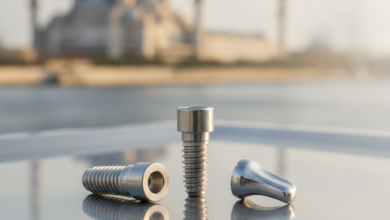
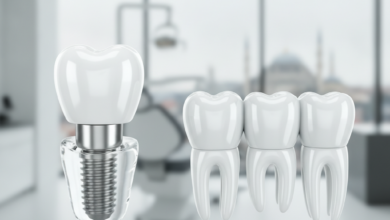
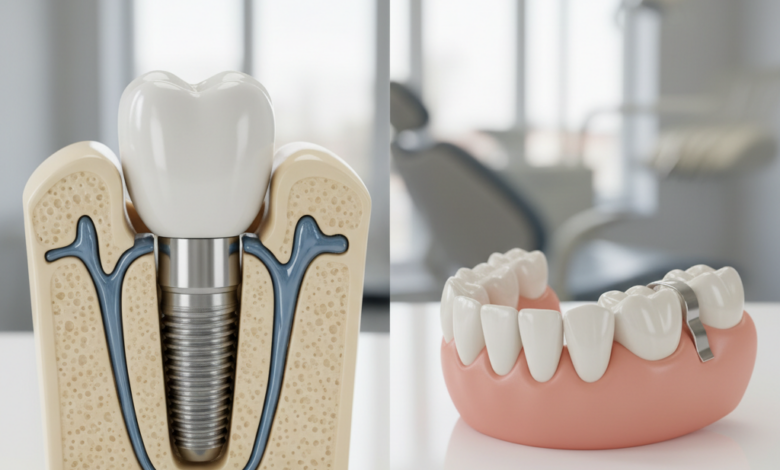
Dental implants represent a revolutionary advancement in restorative dentistry, offering a permanent and stable solution for tooth replacement. Unlike traditional prosthetic methods that rest on the gums or rely on adjacent teeth for support, dental implants are surgically placed into the jawbone. They consist of three main components: a titanium post (the implant itself), which fuses with the bone; an abutment, which connects the implant to the prosthetic; and a custom-made crown, bridge, or denture that sits atop the abutment, perfectly mimicking the appearance and function of natural teeth.
The Science Behind Implants: Osseointegration
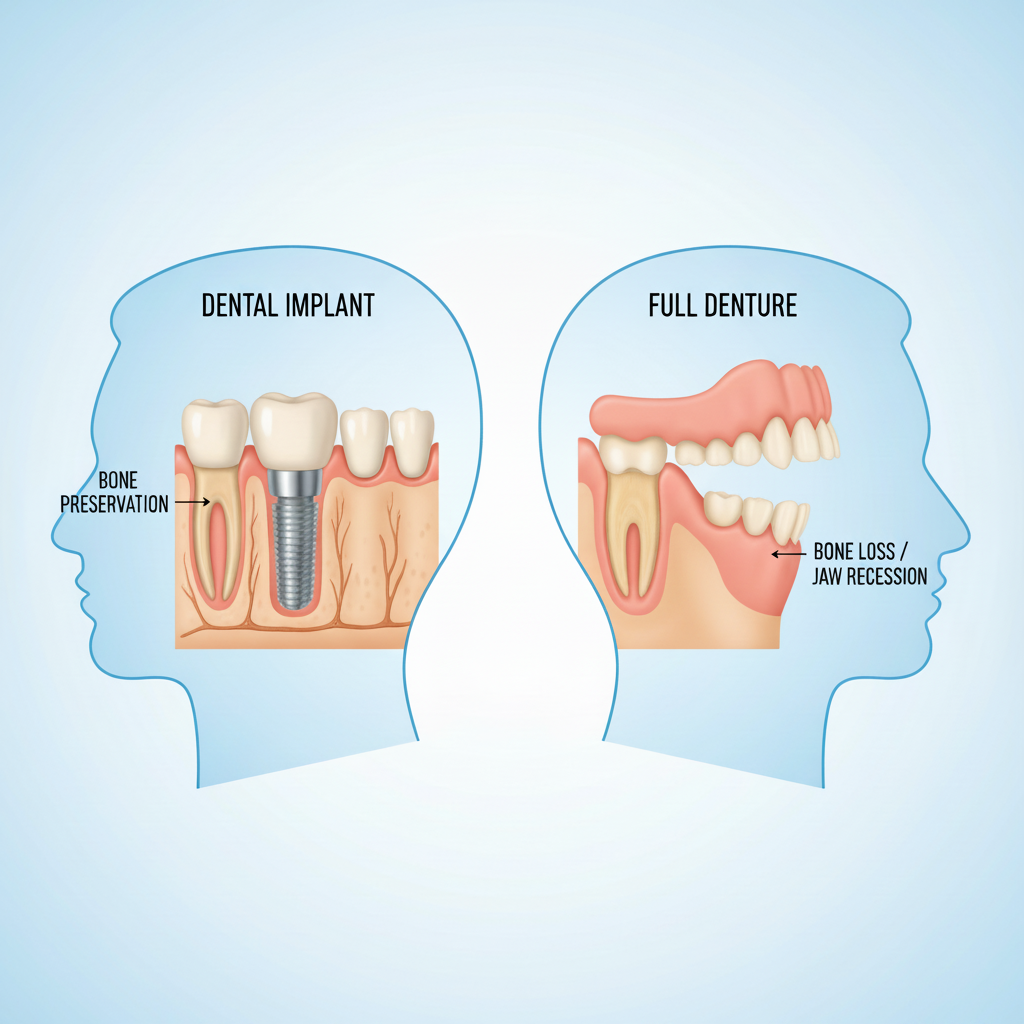
The success of dental implants hinges on a biological process called osseointegration. This term refers to the direct, structural, and functional connection between the living bone and the surface of a load-bearing artificial implant. Made from biocompatible titanium, the implant post gradually integrates with the surrounding jawbone over several months. This fusion creates a robust and stable foundation, similar to a natural tooth root, allowing the artificial tooth to withstand the forces of chewing and speaking without slipping or discomfort. The process ensures that the implant becomes a permanent part of the jaw structure, preventing bone loss that often occurs after tooth extraction.
Types and Applications of Dental Implants
Dental implants are versatile and can address various levels of tooth loss:
- Single Tooth Implants: Used to replace one missing tooth without affecting adjacent healthy teeth. This involves one implant post and a single crown.
- Multiple Tooth Implants: When several teeth are missing in a row, a dental bridge supported by two or more implants can be used. This avoids the need for a removable partial denture.
- Full Arch Implants (All-on-4/6): For individuals missing most or all of their teeth in an arch, techniques like All-on-4 or All-on-6 utilize a minimal number of implants (typically four or six) to support a full set of fixed prosthetic teeth. This provides a highly stable alternative to conventional full dentures, significantly improving stability and chewing efficiency.
Advantages and Disadvantages of Dental Implants
The benefits of dental implants are extensive, contributing to both oral health and overall quality of life. They offer unparalleled durability and longevity, often lasting a lifetime with proper care, with the prosthetic crowns typically needing replacement only every 10-15 years. Their integration into the jawbone provides superior comfort and function, making them feel and behave like natural teeth, eliminating the slipping and discomfort associated with removable prosthetics. Implants also promote improved oral health by preserving jawbone density, preventing the bone loss that can occur after tooth extraction and thus maintaining facial structure. Aesthetically, custom-made crowns blend seamlessly with existing teeth, enhancing a natural-looking smile. Moreover, implants offer convenience, requiring oral hygiene similar to natural teeth, without the need for daily removal or soaking.
However, dental implants also come with certain considerations. They typically involve a higher initial investment compared to dentures, reflecting the advanced materials and surgical expertise required. The placement of implants necessitates a surgical procedure, which carries a recovery period and minimal risks. The entire treatment process, including healing and osseointegration, can extend over several months. Finally, not everyone is an ideal candidate for dental implants; sufficient bone density, good oral health, and overall systemic health are prerequisites, sometimes requiring preparatory procedures like bone grafting.
Understanding Dentures
Dentures are traditional, removable prosthetic devices designed to replace missing teeth and surrounding tissues. They have served as a long-standing and accessible solution for tooth loss, providing functional and aesthetic restoration for many patients. Unlike implants, dentures typically rest on the gums or are supported by remaining natural teeth.
Types of Dentures
Dentures come in various forms to suit different needs:
- Complete (Full) Dentures: Used when all natural teeth in either the upper or lower jaw (or both) are missing. They are held in place primarily by suction or, if needed, by adhesives.
- Partial Dentures: Employed when some natural teeth remain. A partial denture consists of replacement teeth attached to a gum-colored plastic base, which is connected by a metal framework that clasps onto the natural teeth.
- Immediate Dentures: Fabricated in advance and can be placed immediately after tooth extraction, allowing patients to avoid being without teeth during the healing period. Adjustments are often necessary as the gums heal and shrink.
- Implant-Supported Dentures: This is a modern hybrid solution where a denture is securely attached to a few strategically placed dental implants, offering significantly enhanced stability and retention compared to traditional removable dentures.
Advantages and Disadvantages of Dentures
One of the primary advantages of dentures is their affordability; they generally represent a more economical upfront option compared to dental implants. The process of getting dentures is also typically non-surgical, making them a suitable choice for individuals who may have medical conditions that preclude surgery or simply prefer non-invasive treatments. The fabrication and fitting of dentures can often be completed in a shorter timeframe than the multi-stage implant procedure, offering quicker tooth replacement. Furthermore, dentures offer versatility, capable of replacing multiple missing teeth or an entire arch quickly and effectively.
However, traditional dentures also present several disadvantages. They tend to be less stable and comfortable, prone to slipping, clicking, or causing discomfort, particularly during eating or speaking, and often require adhesives to stay in place. Patients may experience difficulties with certain foods and may need time to adjust their speech. A significant drawback is that dentures do not stimulate the jawbone, leading to continued bone loss over time. This bone resorption can cause the dentures to become loose, ill-fitting, and necessitate relining or replacement. Dentures also require specific maintenance, including daily removal for cleaning and soaking, along with regular adjustments or relining appointments to ensure a proper fit.
Dental Implants vs Dentures: A Detailed Comparison
Choosing between dental implants and dentures involves weighing various factors that are crucial to your oral health, lifestyle, and financial considerations. Both offer distinct benefits and drawbacks. To provide a clear overview, here’s a detailed comparison of their key attributes:
| Feature | Dental Implants | Dentures |
|---|---|---|
| Stability & Security | Exceptional; integrated directly into jawbone, feels like natural teeth, no slipping. | Variable; can slip or click, often requires adhesives, less secure, especially traditional ones. |
| Comfort | Highly comfortable; feels natural, no gum irritation once integrated. | Can cause irritation or soreness, especially initially, and may rub against gums. |
| Durability & Longevity | Can last a lifetime with proper care (posts); crowns may need replacement every 10-15 years. The longevity of dental implants is a significant advantage. | Typically last 5-10 years before needing relining, rebasing, or replacement due to bone and gum changes. |
| Impact on Jawbone | Preserves jawbone density by stimulating it, preventing bone loss and preserving facial structure. | Does not stimulate bone; bone loss (resorption) continues, leading to changes in facial structure over time. |
| Eating & Speaking | Allows for natural eating of all foods and clear, unimpeded speech. | May require dietary restrictions; can affect speech clarity, especially initially, and may slip. |
| Maintenance | Brushing, flossing like natural teeth; regular professional dental check-ups. | Daily removal, cleaning, soaking; regular relining and adjustments by a dentist. |
| Aesthetics | Highly natural appearance, custom-made to blend seamlessly with existing teeth. | Improved aesthetics over missing teeth, but can sometimes appear less natural or feel bulky. |
| Cost (Initial) | Higher initial investment, but often lower long-term costs due to superior durability and less need for replacement. | Lower initial cost, but ongoing expenses for relining, adhesives, repairs, and eventual replacement. |
| Treatment Time | Several months (including healing and osseointegration) for full integration. | Relatively faster, typically weeks, especially for immediate dentures. |
| Invasiveness | Surgical procedure required for placement. | Non-surgical procedure. |
Making the Right Choice: Key Considerations
The decision between dental implants and dentures is highly personal and should be made in consultation with a qualified dental professional. Several factors will influence the best choice for your unique situation:
Bone Health and Medical History
For dental implants, sufficient jawbone density is crucial to provide a stable foundation. If significant bone loss has occurred, bone grafting procedures may be necessary. Overall oral health, including the absence of periodontal disease, is also vital for implant success. As implant placement is a surgical procedure, a patient’s general health is a key consideration. Conditions like uncontrolled diabetes, certain autoimmune diseases, or habits like heavy smoking can affect healing and osseointegration. While dentures are non-surgical and less dependent on bone density, individuals with severe dexterity issues may find their maintenance challenging.
Budget and Long-Term Value
The upfront cost of dental implants is generally higher than that of dentures. It’s important to consider both the initial investment and the long-term costs. While implants are more expensive initially, their durability and minimal maintenance often translate to lower overall costs over decades. Dentures are less costly upfront but require regular relining, repairs, and eventual replacement, adding to long-term expenses. Many clinics offer flexible payment plans or financing options to make advanced treatments more accessible, helping patients manage the investment over time.
Lifestyle, Comfort, and Aesthetics
Consider how each option fits into your daily life. If you desire a solution that feels and functions exactly like natural teeth, with no daily removal or dietary restrictions, dental implants are likely preferable. They significantly enhance quality of life by restoring confidence in eating, speaking, and smiling without reservation. If you prioritize a non-surgical, more immediate, and less expensive solution, and are comfortable with the maintenance routine of removable prosthetics, dentures might be more suitable. Your preference for convenience, aesthetics, and long-term stability should guide your decision. A thorough understanding of the differences in stability, comfort, and maintenance between fixed and removable solutions is paramount for making a choice that aligns with your lifestyle and expectations. For further scientific insights into dental implant maintenance, you can refer to sources like National Center for Biotechnology Information (NCBI).
Your Personalized Path to a Restored Smile
Ultimately, the decision between dental implants and dentures should not be made lightly. It requires a thorough evaluation by an highly experienced dental professional. A comprehensive examination, including X-rays and possibly 3D imaging, will assess your oral health, jawbone structure, and overall medical history. Your dentist will discuss your aesthetic goals, lifestyle, budget, and expectations to determine which treatment path is most suitable for you. They can also explain the potential risks, benefits, and alternative treatment plans tailored to your specific needs. This personalized approach ensures that you receive the best possible solution for restoring your smile and maintaining optimal oral health for years to come, leading to improved confidence and an enhanced quality of life.