Same Day Dental Implants Explained
Same Day Dental Implants Explained. This revolutionary approach to tooth replacement, often referred to as “immediate load dental implants” or “teeth in a day,” allows patients to walk out of the dental clinic with a fully functional and aesthetically pleasing new tooth or set of teeth in a single visit. Unlike traditional dental implant procedures that can take several months and multiple surgeries to complete, this advanced technique streamlines the process, significantly reducing treatment time and providing immediate gratification. The core principle lies in placing a dental implant into the jawbone and attaching a temporary, yet stable and attractive, crown during the same appointment. This eliminates the waiting period typically associated with the healing of the implant before a tooth can be attached, offering a transformative solution for individuals with missing teeth. The procedure leverages cutting-edge technology and meticulous planning to ensure a predictable and successful outcome, restoring not just a smile, but also confidence and quality of life from day one.
How Do Same-Day Dental Implants Work?
The success of same-day dental implants is not a matter of chance; it is the result of a highly precise, technology-driven process that begins long before the patient sits in the surgical chair. It combines advanced diagnostics, digital surgical planning, and a deep understanding of bone biology to make immediate restoration possible.
The Initial Consultation and Digital Planning
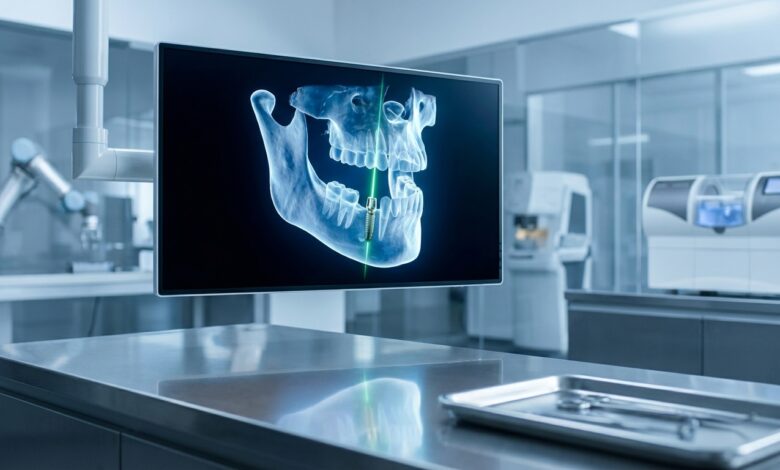
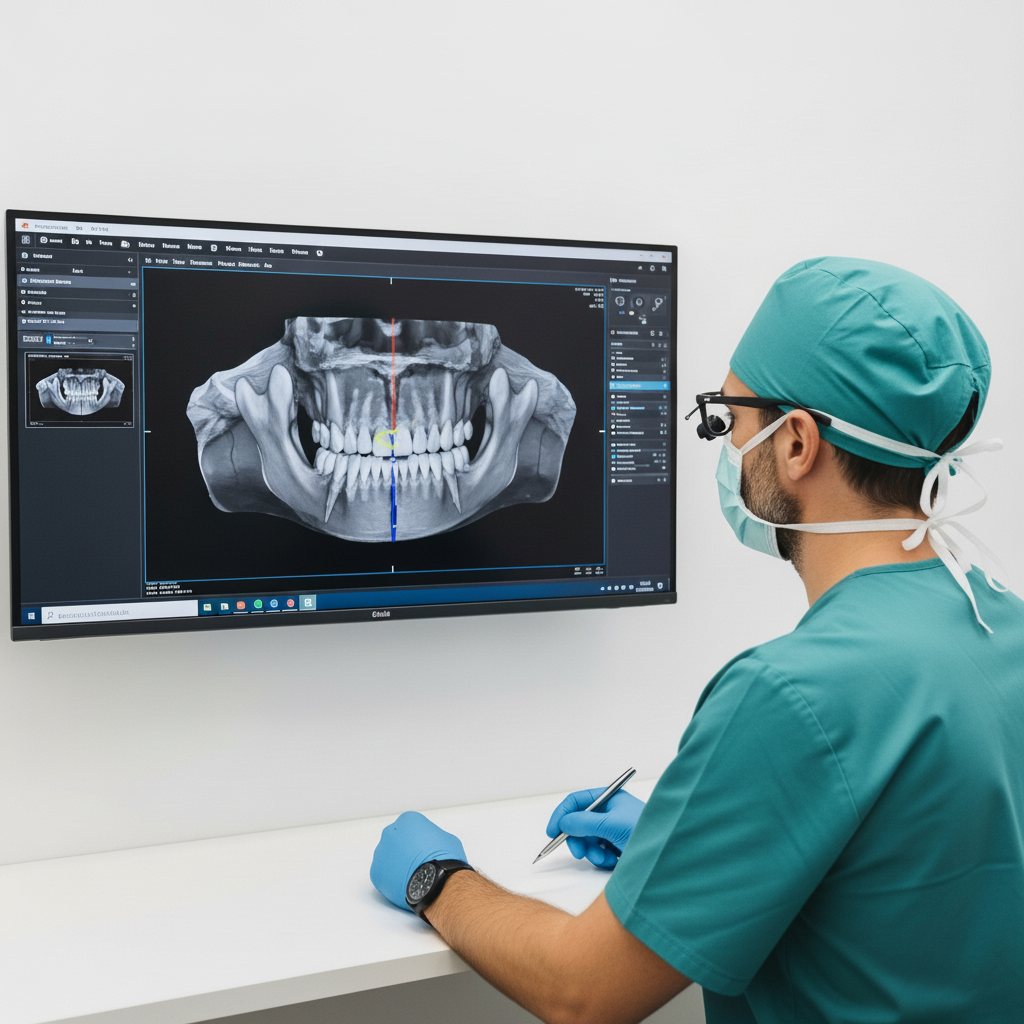
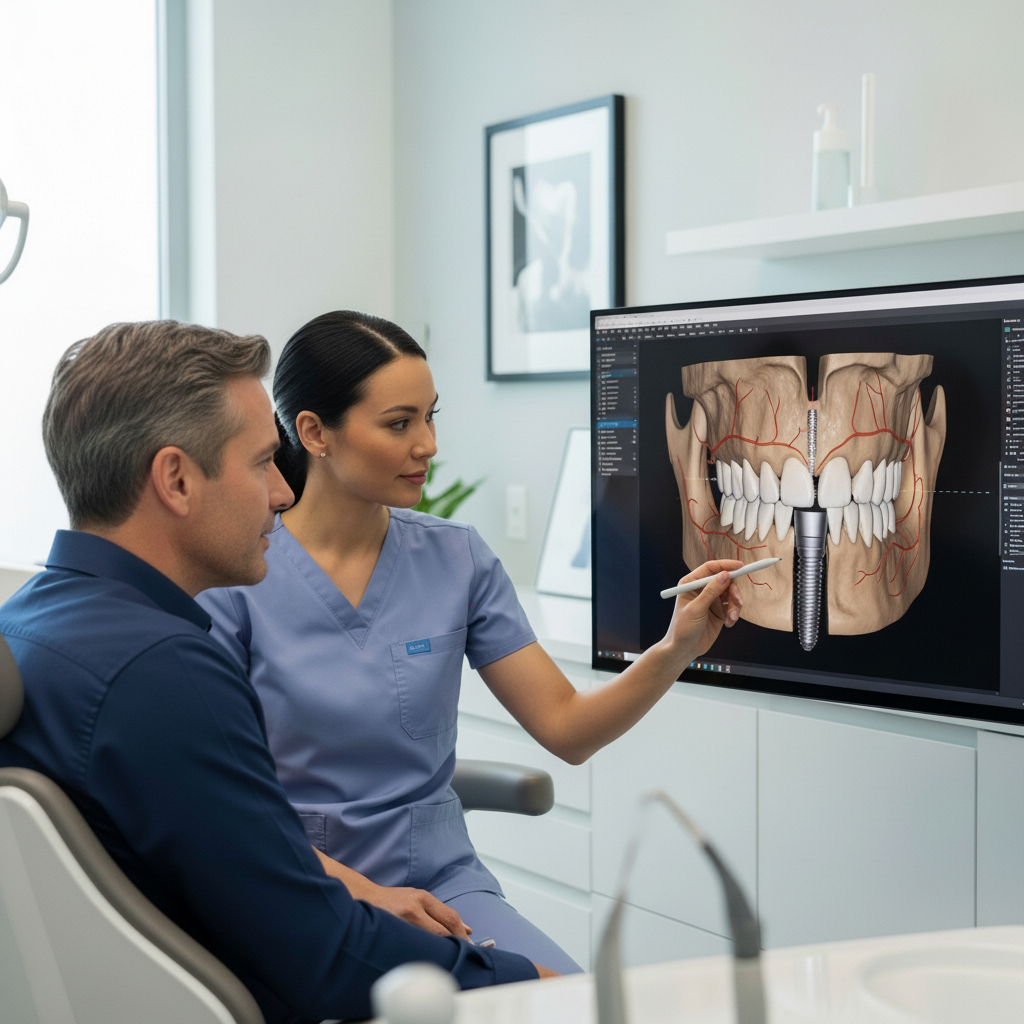
The first and most critical step is a comprehensive evaluation. During this consultation, the dental surgeon assesses the patient’s overall oral health and, most importantly, the condition of their jawbone. This is achieved using state-of-the-art imaging technology, specifically a Cone Beam Computed Tomography (CBCT) scan. Unlike a standard dental X-ray, a CBCT scan provides a detailed, three-dimensional image of the teeth, soft tissues, nerve pathways, and bone in a single scan. This 3D model is crucial for determining the quantity and quality of the jawbone. The surgeon uses this information to identify the ideal location, angle, and depth for implant placement, ensuring the implant will have maximum stability while avoiding critical anatomical structures like nerves and sinuses. Digital software is then used to create a virtual surgical plan, allowing the entire procedure to be simulated on a computer. This meticulous pre-planning minimizes surprises during surgery and is fundamental to the success of immediate loading.
The Surgical Procedure
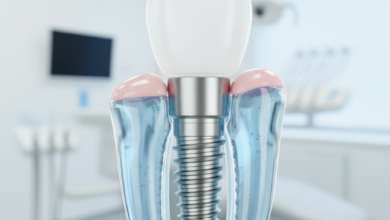
On the day of the procedure, the plan is put into action. The process begins with the administration of local anesthesia to ensure the patient is completely comfortable. If a damaged or failing tooth is being replaced, it is first gently extracted. The implant site is then prepared in the jawbone. A dental implant, which is a small, screw-like post typically made of biocompatible titanium, is then precisely placed into the bone according to the digital surgical guide. The key to immediate loading is achieving high primary stability. This means the implant must be securely anchored in the bone upon initial placement. The surgeon will measure this stability using specialized instruments. If the stability is sufficient, a connecting piece called an abutment is attached to the implant. A pre-fabricated, high-quality temporary crown or bridge is then secured to the abutment. This temporary restoration is custom-designed to look and feel like a natural tooth, allowing the patient to leave the clinic with a complete smile.
Osseointegration and the Final Restoration
It is vital to understand that while the tooth is functional immediately, the biological process of healing is still ongoing. The long-term success of any dental implant relies on a process called osseointegration, where the jawbone grows around and fuses directly with the titanium implant, creating a permanent and incredibly strong foundation. This process takes several months, typically three to six. During this period, the patient wears the temporary crown. They are advised to follow a modified diet, avoiding very hard or chewy foods to prevent placing excessive force on the healing implant. Once osseointegration is complete, the patient returns to the clinic. The temporary crown is removed, and a final, permanent restoration is attached. This final crown is crafted from durable, aesthetic materials like porcelain or zirconia and is custom-matched to the shade and shape of the surrounding natural teeth for a seamless, beautiful result.
Candidate Eligibility for Immediate Load Implants
While the “teeth in a day” concept is highly appealing, it is not a suitable solution for every patient. Strict candidacy criteria must be met to ensure the long-term success and safety of the procedure. The most critical factor is the health and structure of the jawbone. A candidate must have sufficient bone density and volume to provide the initial stability required to support an implant and temporary crown on the same day. Patients who have experienced significant bone loss due to long-term tooth absence, gum disease, or other factors may require a bone grafting procedure before they can be considered for any type of implant, including same-day implants. Furthermore, excellent oral health is a prerequisite. The gums must be free from periodontal (gum) disease, as active infection can compromise the healing process and lead to implant failure. Lifestyle factors also play a significant role. Smoking, for example, is a major contraindication as it impairs blood flow, hinders the body’s ability to heal, and significantly increases the risk of implant failure. Candidates must also have good overall health, as uncontrolled chronic conditions like diabetes can affect the healing process. A thorough medical history review is essential to identify any potential risks.
The Advantages and Considerations of Same Day Dental Implants
The benefits of immediate load implants are substantial, primarily revolving around speed and convenience. However, patients must also be aware of the specific requirements and potential limitations associated with this advanced protocol.
Key Benefits
The most obvious advantage is the immediate aesthetic and functional improvement. Patients no longer have to endure a period with a missing tooth or wear a temporary removable denture while waiting for an implant to heal. They leave the office with a fixed tooth that allows them to speak, eat (with some initial restrictions), and smile confidently. This can have a profound positive impact on a person’s self-esteem and social interactions. Another major benefit is the reduction in the overall number of appointments and surgical visits compared to the traditional implant timeline. This consolidation of the process is not only more convenient but can also reduce overall patient anxiety and discomfort associated with multiple procedures.
Potential Risks and Limitations
The primary consideration for same-day implants is the absolute necessity for high initial stability. If this stability cannot be achieved during placement, the surgeon must revert to a traditional, two-stage approach to allow the implant to heal before it is loaded. The risk of implant failure, though low, can be slightly higher than with traditional methods if post-operative instructions are not followed meticulously. The success of the healing phase is heavily dependent on the patient’s compliance with a soft diet to protect the implant from premature or excessive biting forces. According to clinical studies, the protocol of immediate loading shows high survival rates when patient selection and surgical technique are properly managed. A comprehensive review published in the Journal of Clinical and Experimental Dentistry highlights that meticulous case selection is paramount for achieving predictable outcomes. Any failure to adhere to the prescribed aftercare can disrupt osseointegration and lead to the loss of the implant.
Comparing Same-Day vs. Traditional Implants
Understanding the key differences between the two primary implant methodologies can help patients make an informed decision. The choice ultimately depends on clinical factors, patient preferences, and the surgeon’s recommendation.
| Feature | Same-Day Implants (Immediate Load) | Traditional Implants (Delayed Load) |
|---|---|---|
| Treatment Timeline | Implant and temporary tooth placed in one visit. Final crown in 3-6 months. | Multi-stage process over 4-12 months. Implant placed, then a 3-6 month healing period before the crown is attached. |
| Number of Visits | Fewer surgical appointments. Typically one surgical visit, followed by a visit for the final crown. | Multiple surgical and follow-up visits are required. |
| Initial Aesthetics | Immediate. Patient leaves with a fixed temporary tooth. | Delayed. Patient may have a gap or use a temporary removable appliance during healing. |
| Initial Functionality | Restored on day one, but a soft diet is required during the healing phase. | No function from the implant site until the final crown is placed months later. |
| Candidacy Requirements | Very strict. Requires excellent bone density and quality for high primary stability. | More flexible. Can be used for patients who may require bone grafting prior to implant loading. |
| Healing Process | Osseointegration occurs while the temporary tooth is in place, requiring patient compliance. | Implant heals undisturbed beneath the gum line, which can be a more predictable biological process. |
Post-Procedure Care and Long-Term Success
The long-term viability of a same-day dental implant is a partnership between the surgeon’s skill and the patient’s commitment to aftercare. The work does not end when you leave the clinic; in many ways, it has just begun.
The Crucial First Few Weeks
Immediately following the procedure, patients must adhere strictly to all post-operative instructions. This includes managing any minor swelling or discomfort with prescribed or over-the-counter medications. The most important instruction is the adherence to a soft-food diet for several weeks. Foods like yogurt, soups, mashed potatoes, and smoothies are ideal. This prevents the temporary crown from transferring excessive pressure to the healing implant, which is critical for successful osseointegration. Oral hygiene is also paramount. Patients will be instructed on how to gently clean the area using a soft-bristled toothbrush and may be prescribed an antimicrobial mouth rinse to keep the surgical site clean and prevent infection.
Maintaining Your Implants for a Lifetime
Once the final crown is in place and osseointegration is complete, a dental implant can last a lifetime with proper care. This care is no different from that required for natural teeth. It involves diligent daily brushing and flossing to prevent plaque buildup, particularly around the base of the implant where it meets the gum line. Regular dental check-ups and professional cleanings at least twice a year are non-negotiable. These visits allow the dental team to monitor the health of the implant and the surrounding tissues and to professionally clean areas that are difficult to reach at home. For those considering more extensive work, a full mouth dental implants complete guide can provide further insight into the long-term maintenance of comprehensive restorations. By treating your dental implant with the same care and respect as a natural tooth, you can ensure it continues to provide a beautiful and functional smile for decades to come.